Non-toxic diapers · Ranked on PFAS, chlorine, fragrance and dye
I went past the 'clean' and 'plant-based' labels and looked at what each brand will actually prove with independent lab results. Most won't show you anything. Here are the ones that do, including a genuinely affordable pick, not just the expensive ones.
By Renée Torres, R3 Research Lead·Updated Jun 2026
Get the Diapers shortlist, free
The picks that cleared safety, what to skip, and why price didn’t predict the winner.
No spam. Unsubscribe any time.
8 of 8 products
| Product | PFAS / Organic Fluorine Disclosure Tier | Leak Protection / Absorbency Performance | Top-Sheet / Skin-Contact Material | Score | Price | Actions |
|---|---|---|---|---|---|---|
| Unlock safety data | 10.0 | - | ||||
| Unlock safety data | 8.9 | - | ||||
| Unlock safety data | 6.8 | - | ||||
| Unlock safety data | 6.0 | - | ||||
| Unlock safety data | 5.5 | - |
Not all 8 diapers cleared our safety screen.
See which ones we flagged, which failed, and which ranked #1.
See which of these 8 products actually passed our safety screen
Free account unlocks full safety test results, complete spec breakdowns, and what disqualified the ones that didn't make the list.
R3 Coating Audit
Most diapers claim "PFAS-free" or "pure," but only a few back it with an independent lab test. Independent testing has found PFAS in about 1 in 6 disposable diapers, so a claim alone is not proof.
The other 8 use ceramic or PTFE coatings. See the Coating column in the ranking above for how each scored.
Renée's Take · Jun 2026
When a 2023 study by Mamavation and Environmental Health News had an EPA-certified lab screen disposable diapers, roughly one in six tested positive for organic fluorine, the marker for PFAS, and several of those carried clean, plant-based marketing. So I stopped trusting the front of the box and started ranking diapers on one thing the box rarely tells you: whether the brand will actually prove what is, and is not, in the product.
That is the gotcha most non-toxic roundups skip. Words like clean, pure and plant-based are not regulated on a diaper, so a brand can print them while staying completely silent on PFAS, on its bleaching method, and on the dye in the wetness strip. The brands worth your money are the ones that publish independent lab results, not the ones with the prettiest claims. New York's diaper-ingredient disclosure law, in effect since 2025 under S2279C, is starting to force some of this into the open, but most parents still cannot verify a single claim today.
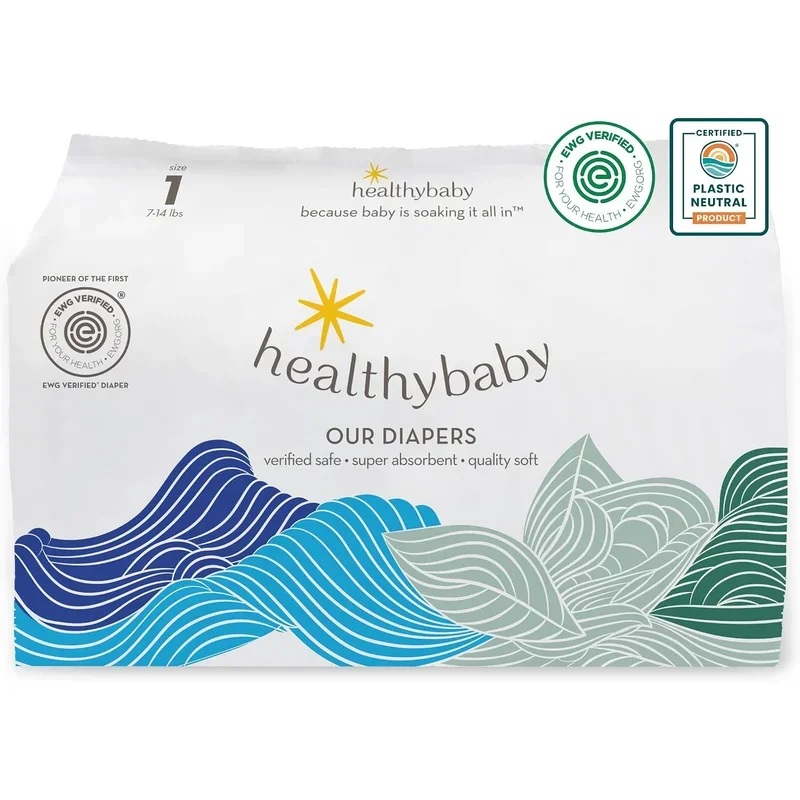
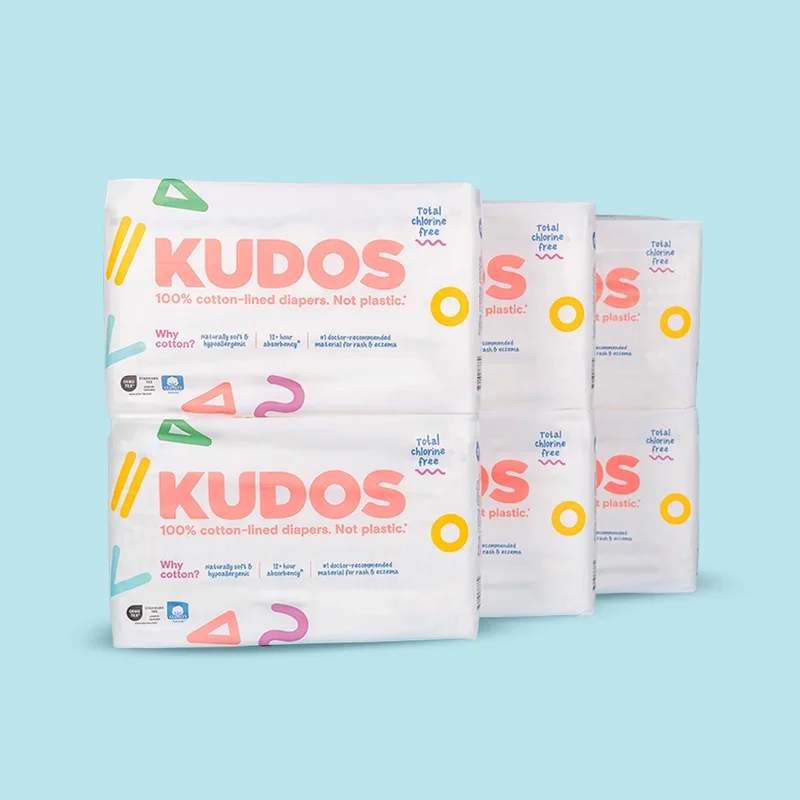
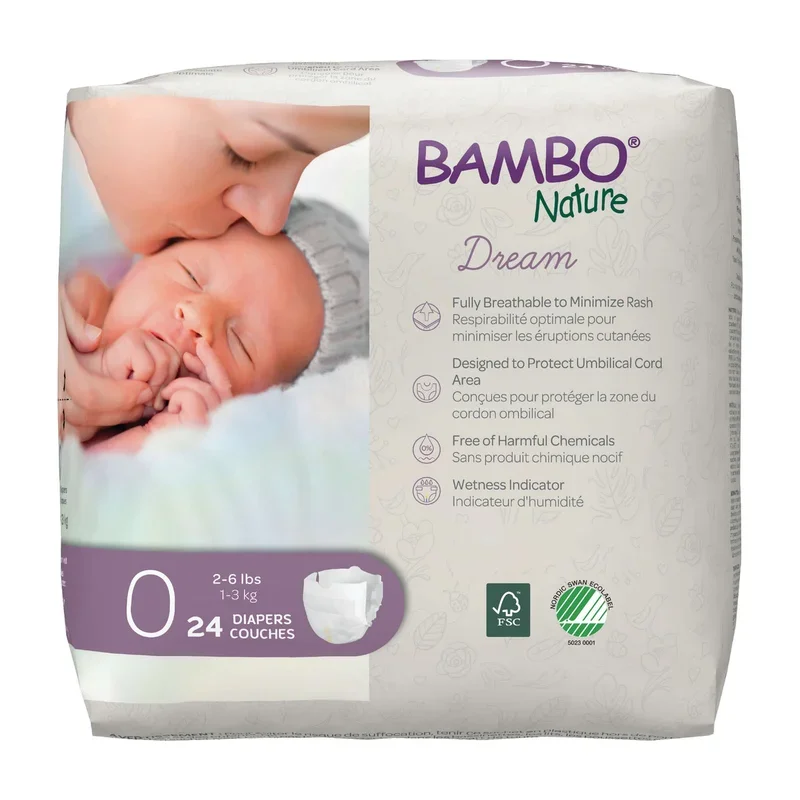
So I ranked 8 disposable diapers on exactly that: published PFAS testing, the bleaching method (totally chlorine-free versus elemental chlorine-free), and whether fragrance, lotions and dyes touch a newborn's skin. Healthybaby earned the top spot because an independent EPA-lab screen found non-detect organic fluorine and it carries EWG VERIFIED status. Kudos scored 8.9 by publishing its own third-party non-detect result, and Bambo Nature at 6.8 is the most accessible option with real chlorine-free bleaching and a Nordic Swan ecolabel.
The honest part: the most transparent diapers still cost more, and the cheap store brands are usually the ones that stay silent. You do not have to buy the most expensive box, but you do deserve to know which brands will show their work and which just hope you won't ask.
The criteria R3 evaluates for every diapers
PFAS / Organic Fluorine Disclosure Tier, Pulp Chlorine-Bleaching Method, Added Fragrance Present
Leak Protection / Absorbency Performance, Leak-Guard / Blowout Containment Features
Top-Sheet / Skin-Contact Material, Sizing Range (Number of Sizes Offered), Wetness-Indicator Strip Present
Safety factors I look at closely when rating diapers
A 2023 Mamavation and Environmental Health News study had an EPA-certified lab screen disposable diapers and found organic fluorine, the marker for PFAS, in roughly one in six, including products marketed as clean. Most major brands, including Pampers Pure and Huggies, do not address PFAS anywhere on their packaging or websites.
Choose a brand that publishes an independent organic-fluorine or PFAS lab result you can read, like Healthybaby or Kudos, rather than one that simply omits the topic.
Other categories families browse alongside this one.
Bleaching pulp with chlorine can leave trace dioxins, which is why totally chlorine-free (TCF) is considered cleaner than elemental chlorine-free (ECF). ECF only replaces chlorine gas with chlorine dioxide. Major brands including Kirkland Signature, Pampers Pure and Huggies disclose only ECF.
Favor TCF diapers like Healthybaby, Kudos or Bambo Nature, and read silence on bleaching method as a reason for caution.
The color-changing wetness indicator is a dye that sits against the skin, and skin-contact dyes are a documented trigger for diaper rash that topical creams won't resolve. Kudos uses a bromocresol-green strip and Huggies lists colorants plus printing inks. Healthybaby leaves the wetness strip out entirely.
If a rash keeps returning where the strip runs, switch to a strip-free diaper before reaching for another cream, since the dye is a likely cause.
Added fragrance and lotion coatings are the additives most likely to irritate a newborn's skin, and they sit in contact with that skin for hours at a time. The good news is that most serious diaper brands, including the budget-priced Kirkland Signature, have moved to fragrance-free formulas.
Confirm a fragrance-free claim on the package and avoid any diaper that advertises a lotion or aloe coating, especially for newborns or babies with reactive skin.
Words like clean, pure and plant-based are not regulated on a diaper, so a brand can print them while staying silent on PFAS, bleaching and dyes. New York's S2279C diaper-ingredient disclosure law, in effect since 2025, is beginning to force disclosure, but most brands still verify nothing for parents today.
Treat an unregulated marketing word as a starting point, not an answer, and let a published lab result or a real certification decide the purchase.
Every product in our ranking is evaluated against these criteria. See how scores are calculated.
6 things I check before recommending
The honest shortcut to a safer diaper is to follow what the brand will prove, not what it prints. After a 2023 Mamavation and Environmental Health News study found organic fluorine (the PFAS marker) in roughly one in six diapers tested, the only claim worth trusting is one backed by an independent lab result you can read. Pair that with the bleaching method, then check whether fragrance, lotions or skin-contact dyes are present, because those are the most common cause of a rash that won't clear. Here is the order I would shop in.
Start with published PFAS testing, not the claim
Begin here because a 2023 Mamavation and Environmental Health News study found organic fluorine, the marker for PFAS, in roughly one in six disposable diapers an EPA-certified lab screened, including some marketed as clean. A claim of PFAS-free means little without a lab result behind it. Healthybaby was independently found non-detect and carries EWG VERIFIED status, and Kudos publishes its own third-party non-detect panel. Brands like Pampers Pure and Huggies never address PFAS at all, which is the gap that drops them in my ranking.
Check how the diaper is bleached
How a diaper's pulp is whitened matters because chlorine bleaching can leave trace dioxins, which is why totally chlorine-free (TCF) is the cleaner standard over elemental chlorine-free (ECF). TCF avoids chlorine entirely, while ECF only swaps chlorine gas for chlorine dioxide. Healthybaby, Kudos and Bambo Nature are all TCF, whereas Kirkland Signature, Pampers Pure and Huggies disclose only ECF. If a brand will not say which method it uses, treat that silence as the answer.
Rule out fragrance and added lotions
Fragrance and lotions are the additives most likely to irritate newborn skin, which is why every genuinely clean diaper leaves them out. Look for a fragrance-free claim on the package, and be skeptical of any lotion or aloe coating, since added lotions sit directly against the skin all day. Most of the diapers I ranked, including the budget-priced Kirkland Signature, are now fragrance-free, so this is one bar nearly every serious brand clears. Treat a perfumed diaper as an automatic skip for a newborn or any baby with reactive skin.
Find out what the wetness strip is made of
The color-changing wetness line is a dye sitting against your baby's skin, and a skin-contact dye is a documented cause of diaper rash that creams won't fix. The cleanest option is no strip at all. Healthybaby leaves the wetness indicator out, while Kudos uses a bromocresol-green strip and Huggies adds colorants and printing inks. If a rash keeps returning in the same spot where the strip runs, the dye is a likely culprit, so a strip-free diaper is worth trying before another cream.
Treat a real certification as a tiebreaker
An independent certification is one of the few signals a brand cannot self-award, so it carries real weight when two diapers otherwise look similar. EWG VERIFIED bars intentionally added PFAS and restricts skin-contact colorants, OEKO-TEX Standard 100 screens against a long list of harmful substances, and the Nordic Swan ecolabel sets strict chemical limits. Healthybaby is EWG VERIFIED, Kudos is OEKO-TEX certified, and Bambo Nature carries the Nordic Swan. A diaper with no chemical-safety certification, like the major store and legacy brands, is asking you to trust it on faith.
Decide what transparency is worth to you
The uncomfortable truth is that the diapers that prove the most tend to cost the most, and the cheapest store brands are usually the ones that stay silent on PFAS and bleaching. That does not mean you must buy the priciest box. Bambo Nature at 6.8 is the most accessible diaper that still clears the chlorine-free and certification bars, which makes it my pick when budget is the deciding factor. Match the spend to your comfort level, but choose a brand that shows its work over one that simply hopes you won't ask.
Real questions families ask about diapers — answered with the data behind every score.