What does "elemental chlorine-free (ecf)" really mean for your family?
Elemental chlorine-free, or ECF, is a bleaching method that avoids chlorine gas but uses chlorine dioxide to whiten pulp or cotton. It produces far less dioxin than old chlorine bleaching, but slightly more than totally chlorine-free (TCF) processing.
Renee · Founder & Lead Researcher, R3
We score every product the same way and never accept brand payment. We may earn a commission from some links, which never changes a score. How we stay independent.
Get the research before you buy
New picks and safety research, no spam, no sponsors.
The claim: Elemental chlorine-free means no chlorine was used.
The reality: Not quite. ECF avoids chlorine gas but still uses chlorine dioxide. It is much cleaner than old bleaching, but totally chlorine-free (TCF) is the version that uses no chlorine at all.
Elemental chlorine-free, or ECF, is a middle-tier bleaching method. It avoids elemental chlorine gas, the process most strongly tied to dioxin, but it still uses a chlorine compound (chlorine dioxide) to whiten the fiber. The result is far cleaner than the chlorine bleaching of decades past, but not quite as clean as totally chlorine-free (TCF) processing, which uses no chlorine at all.
Think of three rungs on a ladder:
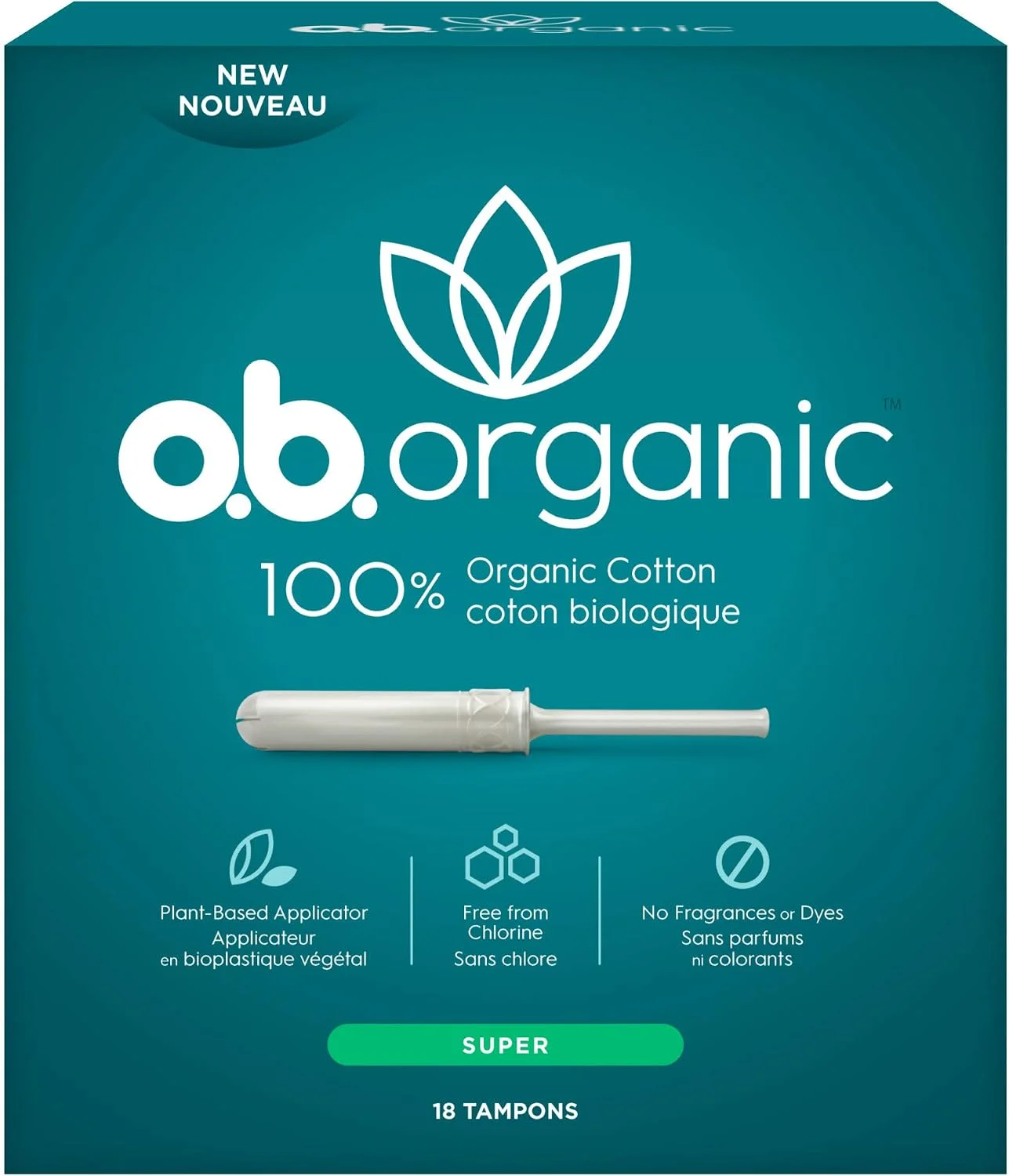
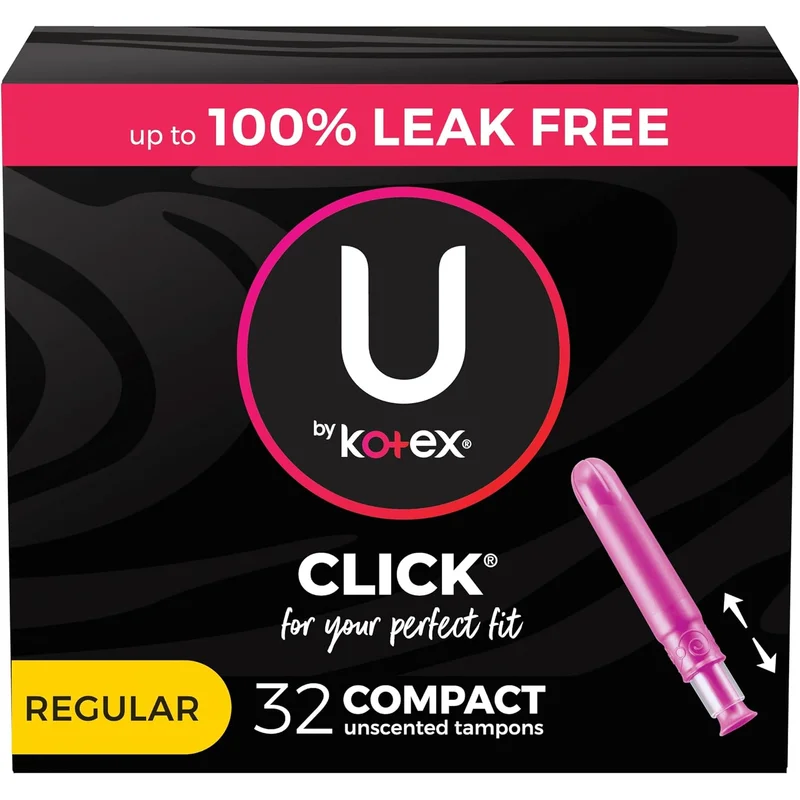
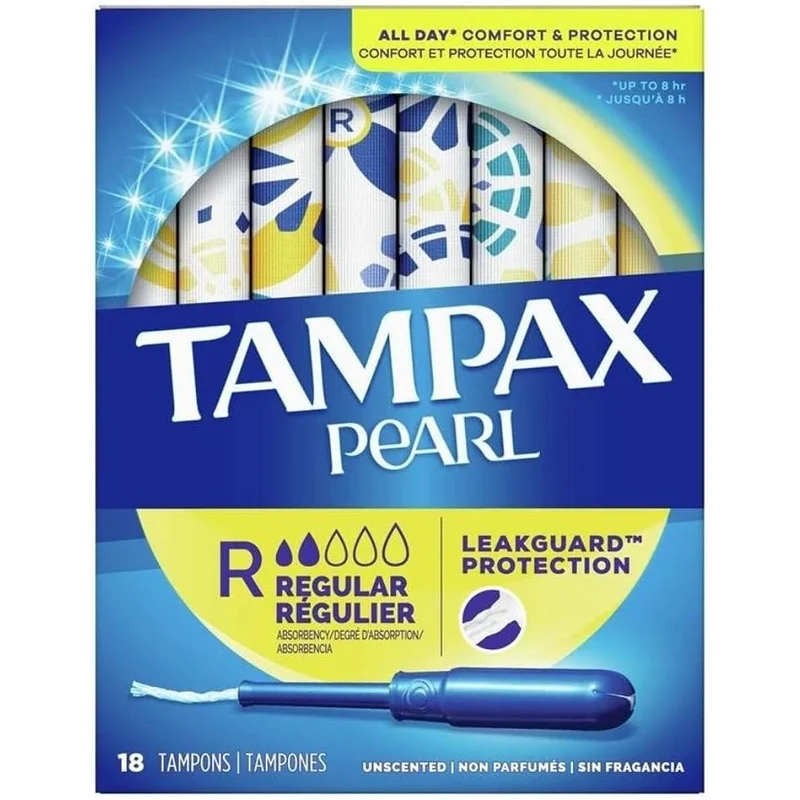
Many mainstream tampon brands use ECF, while organic-cotton brands more often advertise TCF. Both are acceptable under FDA guidance, which asks manufacturers to disclose which process they use. R3 scores ECF above chlorine-bleached but below TCF, because the goal is to minimize a known carcinogen source, and TCF minimizes it most.
R3 scores elemental chlorine-free above chlorine-bleached but below totally chlorine-free on tampons, because minimizing the dioxin source is the goal and TCF minimizes it most.
How to reduce exposure
ECF is a reasonable choice and a big improvement over old chlorine bleaching, but when a totally chlorine-free option exists at a similar price, TCF is the cleaner pick.
Look for these
Watch out for
What this does NOT cover
ECF describes bleaching only. It says nothing about heavy metals, PFAS, or whether the cotton is organic.
How to verify
Look for 'elemental chlorine-free' or 'ECF' on the package. The FDA recommends manufacturers disclose the process, so a stated ECF beats an unstated one.
What this means for your family
Every product scored on safety, efficacy, and usability - so you know which products to trust around elemental chlorine-free (ecf).
Get the Tampons shortlist, free
The picks that cleared safety, what to skip, and why price didn’t predict the winner.
No spam. Unsubscribe any time.
ECF means a fiber was bleached without chlorine gas, using chlorine dioxide instead. It produces far less dioxin than the old chlorine bleaching process but slightly more than totally chlorine-free (TCF), which uses no chlorine at all. ECF is FDA-acceptable and common on mainstream tampons.
TCF is cleaner. Totally chlorine-free uses no chlorine and creates no dioxin in processing. Elemental chlorine-free avoids chlorine gas but still uses a chlorine compound, so it carries a slightly higher dioxin potential. Both are acceptable, but if you can choose, TCF is the better option.
Much less than old chlorine bleaching, but not zero. Because ECF still uses chlorine dioxide, there is a small dioxin potential, which is why totally chlorine-free (TCF) processing is considered the cleanest. The FDA recommends brands disclose which process they use.
ECF is a major improvement over the chlorine bleaching historically tied to dioxin in tampons, and it is FDA-acceptable. It is a reasonable choice. The cleaner option, when available, is totally chlorine-free (TCF), which uses no chlorine at any stage.
Check the package for 'elemental chlorine-free' (ECF) or 'totally chlorine-free' (TCF). The FDA recommends manufacturers disclose the bleaching process, so a brand that names it is more transparent than one that does not state it at all.