Is dioxin (tcdd) safe in your family's products?
Dioxins are a family of highly toxic chemical byproducts created by processes like chlorine bleaching and burning waste. The most studied, TCDD, is classified by the WHO's cancer agency as a known human carcinogen, and tiny amounts persist in the environment and the food chain.
We score every product the same way and never accept brand payment. We may earn a commission from some links, which never changes a score. How we stay independent.
Quick facts
Get the research before you buy
New picks and safety research, no spam, no sponsors.
The claim: Tampons are full of dangerous levels of dioxin.
The reality: Since the industry moved to chlorine-free bleaching in the late 1990s, the manufacturing source of dioxin dropped sharply. Trace amounts can still be detected from environmental background, even in 100% cotton, but totally chlorine-free processing closes off the avoidable source.
Dioxins are a group of chemically related compounds that are among the most toxic substances ever studied. They are not made on purpose. They form as unwanted byproducts of combustion and certain industrial processes, and once created they are extremely persistent, lingering in the environment for years and building up in the fatty tissue of animals and people. The single most studied dioxin, 2,3,7,8-TCDD, is the benchmark the others are measured against.
The International Agency for Research on Cancer, part of the World Health Organization, classifies TCDD as a Group 1 carcinogen, its highest category, reserved for substances with sufficient evidence of causing cancer in humans. The EPA reaches the same conclusion, calling it a probable to known human carcinogen. Beyond cancer, the WHO links dioxin exposure to reproductive and developmental harm, immune system damage, and interference with hormones. This is why even trace, long-term exposure is treated cautiously rather than dismissed.
Dioxins are created by burning household and industrial waste, smelting, and, most relevant to product safety, the chlorine bleaching of paper pulp and cotton. This is the link to personal-care products. Up until the late 1990s, chlorine bleaching of the wood pulp and cotton used in tampons and pads left traces of dioxin in the finished product.
The good news is that the industry largely moved to chlorine-free bleaching, which dramatically reduced this source. The catch, as the National Center for Health Research notes, is that because decades of pollution left dioxin in soil, air, and water, small amounts can still be detected even in 100% cotton products, simply from the raw material absorbing what is already in the environment. So the modern goal is not panic, it is choosing brands that use totally chlorine-free processing and avoid adding to the problem.
For most people, the largest source of dioxin exposure by far is diet, especially animal fats, because dioxin concentrates up the food chain. Trimming fat from meat and eating a varied diet helps at the margins. For products in direct contact with the body:
Dioxin is a strong example of why R3 scores the bleaching process on tampons: a brand that states totally chlorine-free is closing off a real, well-documented source of a known carcinogen, even if the residual environmental trace is unavoidable.
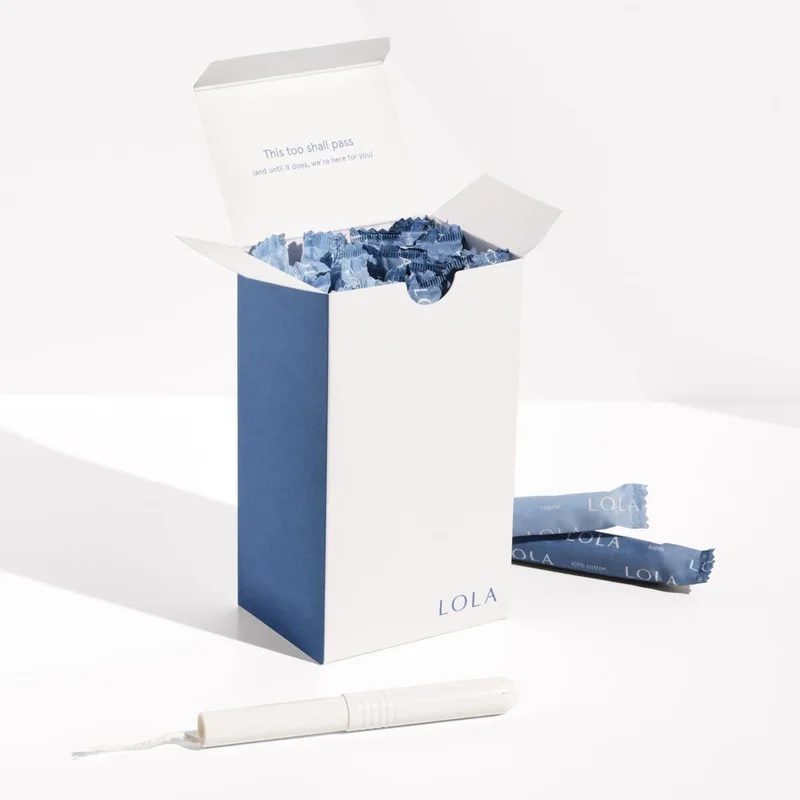
Dioxin is a known carcinogen historically tied to chlorine bleaching. R3 rewards tampons that state totally chlorine-free processing, because that brand has closed off a real, documented source of dioxin, even though no natural-fiber product escapes the trace environmental background.
TCDD is a Group 1 (known) human carcinogen per the WHO's IARC, and the EPA classifies it as a probable to known carcinogen. The WHO links dioxins to reproductive and developmental toxicity, immune system damage, and hormone (endocrine) disruption. Dioxins are persistent and bioaccumulative, so the concern is cumulative, long-term exposure rather than a single dose.
There is no single consumer limit for dioxin in products. The EPA regulates dioxin emissions and cleanup, the FDA recommends that tampons be free of 2,3,7,8-TCDD/TCDF dioxin and that manufacturers disclose the bleaching process (elemental chlorine-free or totally chlorine-free), and the WHO sets tolerable intake guidance for diet. Most reduction has come from industry switching to chlorine-free bleaching, not from a product ban.
How to reduce exposure
Choose totally chlorine-free tampons, pads, and wipes to close off the manufacturing source. For diet, the largest source, trim animal fat and eat a varied diet. Accept that a tiny environmental background trace is unavoidable in any natural-fiber product.
Who is most at risk
Common product triggers
Look for these
Watch out for
What this does NOT cover
This page covers dioxin in consumer products and diet. It does not address occupational or industrial-accident exposure (such as herbicide manufacturing), which involves far higher doses and requires medical and regulatory expertise.
How to verify
Look for 'totally chlorine-free' or 'TCF' stated on the package. The FDA recommends manufacturers disclose the bleaching process, so a brand that names it is the one to trust over a brand that stays silent.
Timeline
1997
IARC classification
IARC classifies TCDD as a Group 1 known human carcinogen.
Late 1990s
Chlorine-free shift
Tampon and pad makers move from chlorine bleaching to chlorine-free processing, cutting the dioxin source.
What to look for instead
What this means for your family
Every product scored on safety, efficacy, and usability - so you know which products to trust around dioxin (tcdd).
Get the Tampons shortlist, free
The picks that cleared safety, what to skip, and why price didn’t predict the winner.
No spam. Unsubscribe any time.
Dioxins are highly toxic, persistent chemical byproducts of combustion and chlorine bleaching. The most studied, TCDD, is classified by the WHO's cancer agency as a known human carcinogen, and dioxins are also linked to reproductive harm, immune damage, and hormone disruption. They build up in the body over time, so the concern is long-term exposure.
Far less than they used to. Until the late 1990s, chlorine bleaching of pulp and cotton left dioxin traces in tampons. The industry moved to chlorine-free bleaching, cutting that source sharply. Trace dioxin can still be detected from decades of environmental pollution, even in 100% cotton, but a 'totally chlorine-free' product avoids the manufacturing source.
'Totally chlorine-free' (TCF) processing, often using oxygen or hydrogen peroxide, creates no dioxin. 'Elemental chlorine-free' (ECF) avoids chlorine gas and is a step better than old methods. Chlorine-bleached pulp is the process historically linked to dioxin. The FDA recommends manufacturers disclose which they use.
For most people, diet is by far the largest source, especially animal fats and dairy, because dioxin concentrates up the food chain. Trimming fat and eating a varied diet helps. Products in direct body contact are a smaller, more avoidable source you can address by choosing chlorine-free options.
It can be, in trace amounts. Because decades of pollution left dioxin in soil, air, and water, the cotton plant can absorb tiny amounts before it is ever made into a product. This environmental background is different from the manufacturing source, which chlorine-free bleaching eliminates.

Lola
LOLA 100% Organic Cotton Tampons, Regular, Cardboard Applicator
Dioxin-free$14.99

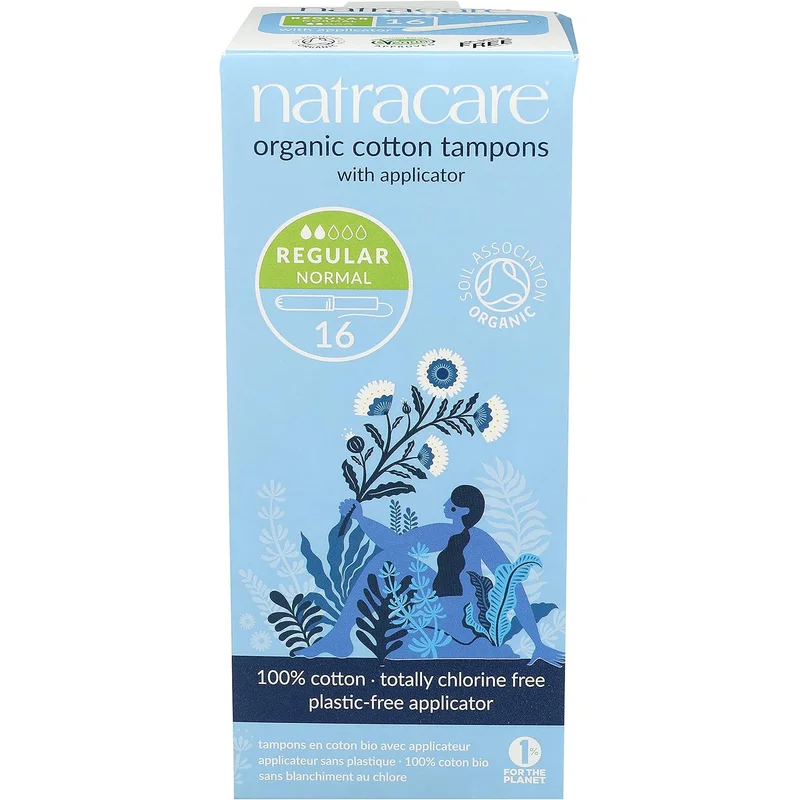
Natracare
Natracare Organic Cotton Tampons, Regular, Cardboard Applicator
Dioxin-free$8.99

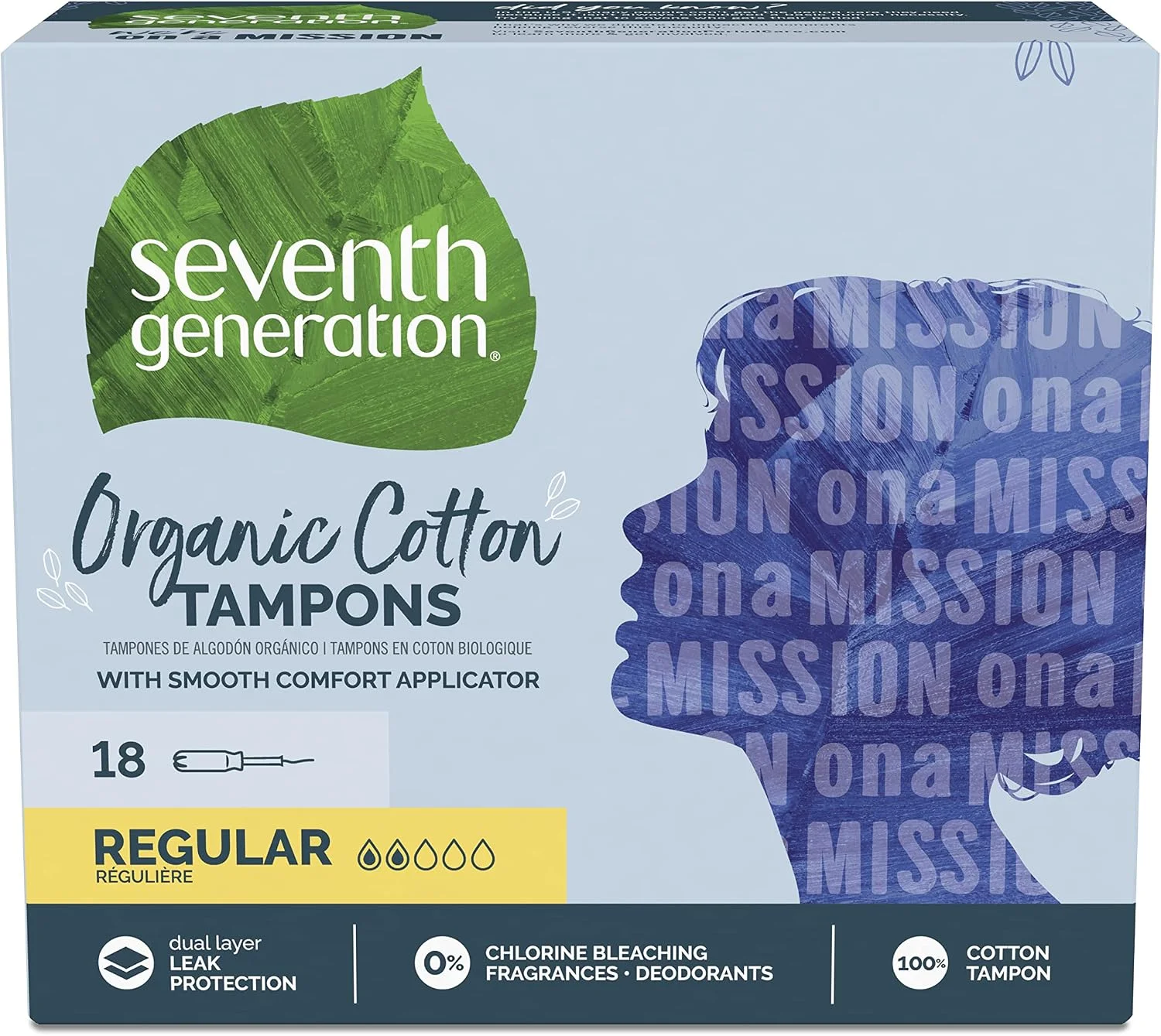
Seventh Generation
Seventh Generation Organic Cotton Tampons, Regular, Comfort Applicator
Dioxin-free$7.49

The Honey Pot Company
The Honey Pot Company Organic Cotton Core Tampons, Regular
Dioxin-free$7.99

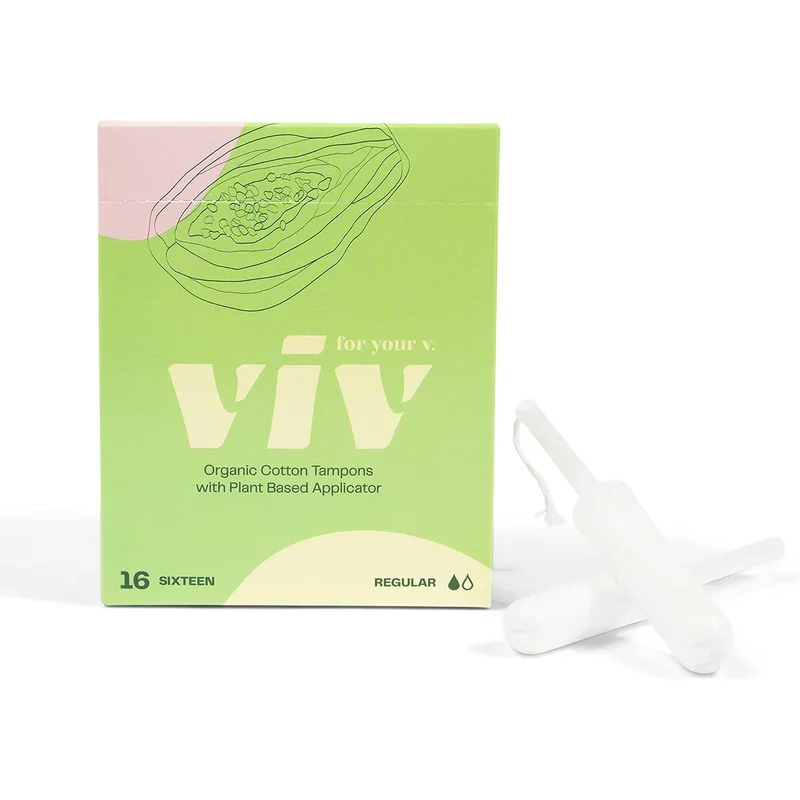
Viv for Your V
Viv for Your V 100% Organic Cotton Tampons, Regular, Plant-Based Applicator
Dioxin-free$9.99

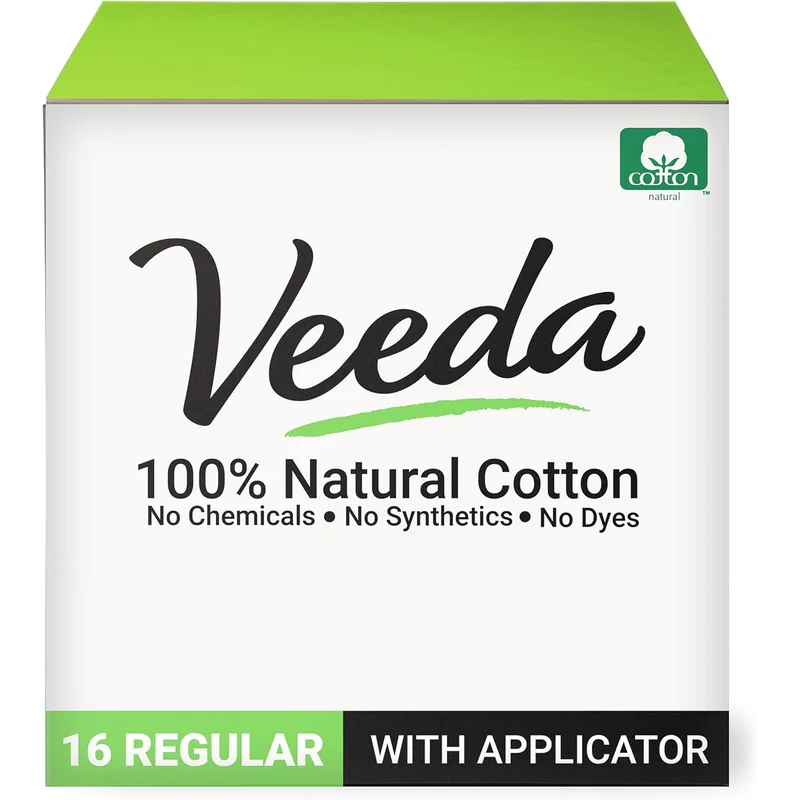
Veeda
Veeda 100% Natural Cotton Tampons, Regular, BPA-Free Applicator
Dioxin-free$6.49