Does a "OEKO-TEX Standard 100" label actually mean anything?
OEKO-TEX Standard 100 is an independent certification that tests a finished textile, every thread, button, and dye, against limits for more than 1,000 harmful substances, including heavy metals, formaldehyde, and certain PFAS. It confirms the product is tested for chemical safety, but not that it is organic.
Renee · Founder & Lead Researcher, R3
We score every product the same way and never accept brand payment. We may earn a commission from some links, which never changes a score. How we stay independent.
Quick facts
Get the research before you buy
New picks and safety research, no spam, no sponsors.
The claim: OEKO-TEX certified means the product is organic.
The reality: It does not. OEKO-TEX Standard 100 tests the finished product against harmful-substance limits, including heavy metals, but says nothing about whether the cotton was grown organically. Organic sourcing is what GOTS certifies.
OEKO-TEX Standard 100 is one of the most widely used textile-safety labels in the world, and it answers a different question than organic certifications do. Instead of asking how the fiber was grown, it asks: when you test the finished product in a lab, what harmful chemicals are actually in it? Every component has to pass, including the thread, buttons, zippers, prints, and dyes.
The certification checks a textile against a restricted-substance list that has grown from about 100 substances in 1992 to more than 1,000 today. It is updated every year. The list targets the chemicals that actually end up against skin:
The limits are stricter for products that touch the most sensitive skin. OEKO-TEX uses product classes, and items for babies face the tightest thresholds of all.
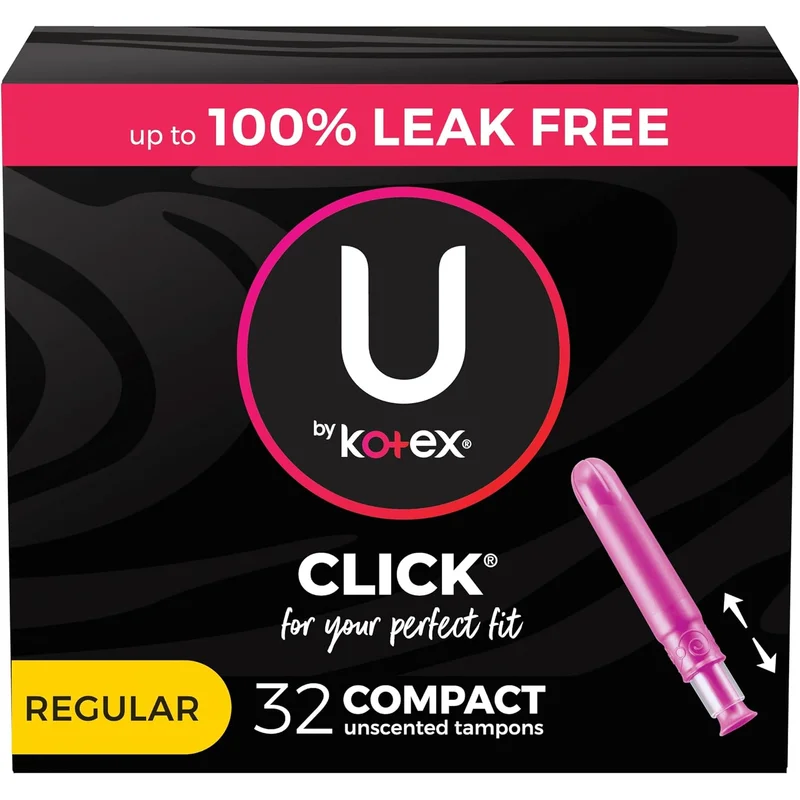
The value of OEKO-TEX Standard 100 is that it is a finished-product lab test by an independent institute, not a self-declaration. A brand cannot print it without sending samples to an accredited lab and passing. That is why it appears on mainstream products that are not organic, like many tampons from large brands: the company is signaling that the finished item was screened for harmful substances, even if the cotton is conventional.
This is the most common confusion, so it is worth being precise:
Neither one alone is the whole picture. A product can be OEKO-TEX certified and still be conventional, non-organic cotton. A product can be GOTS organic and still benefit from finished-product testing. The strongest products carry both, or pair a certification with published independent results for heavy metals and PFAS.
In R3's tampon rankings, OEKO-TEX Standard 100 is a meaningful safety signal: it shows the finished product was tested against limits that include heavy metals. It scores below full GOTS organic certification on the sourcing axis (because OEKO-TEX does not require organic fiber), but it is a real, verifiable test, which is more than most conventional products offer.
OEKO-TEX Standard 100 is a real safety signal in R3's tampon scores: it shows the finished product was tested against limits that include heavy metals. It ranks below full GOTS organic certification on sourcing, but it beats a conventional product with no testing at all.
OEKO-TEX Standard 100 is a positive signal. Its purpose is to confirm a textile passed lab testing against limits for over 1,000 harmful substances, including heavy metals, formaldehyde, certain PFAS, phthalates, and azo dyes. Its limit is scope: it tests for chemical safety of the finished product but does not certify that the fiber is organic.
OEKO-TEX Standard 100 is a voluntary private certification run by the international OEKO-TEX Association, with testing performed by accredited member institutes (such as Hohenstein). It is not a government regulation, but because every certificate is backed by an independent finished-product lab test, it is verifiable and credible.
How to reduce exposure
Use OEKO-TEX Standard 100 as proof a finished textile was lab-tested for harmful substances including heavy metals. For organic sourcing too, look for GOTS alongside it, and for the strongest assurance, brands that also publish their own third-party results.
Who is most at risk
Look for these
Watch out for
What this does NOT cover
OEKO-TEX Standard 100 does not certify organic fiber, fair labor, or environmental processing the way GOTS does, and it screens against a defined list rather than every possible contaminant. It is a chemical-safety test, not an organic or sustainability guarantee.
How to verify
A genuine certificate carries a test number and issuing institute. You can verify it in the OEKO-TEX 'Label Check' tool at oeko-tex.com. No number means it is not a real certification.
Timeline
1992
Launched
OEKO-TEX Standard 100 begins with about 100 restricted substances.
Annual
List expands
The restricted-substance list grows and is revised every year, now over 1,000 substances.
What to look for instead
What this means for your family
Every product scored on safety, efficacy, and usability - so you know which products to trust around oeko-tex standard 100.
Get the Tampons shortlist, free
The picks that cleared safety, what to skip, and why price didn’t predict the winner.
No spam. Unsubscribe any time.
It means a finished textile was lab-tested by an independent institute against limits for more than 1,000 harmful substances, including heavy metals like lead and mercury, formaldehyde, certain PFAS, phthalates, and azo dyes. Every component, including thread and buttons, must pass. It is proof the product was screened for chemical safety.
No. OEKO-TEX Standard 100 tests the finished product for harmful substances but does not certify that the fiber is organic. A product can be OEKO-TEX certified and made from conventional cotton. GOTS is the certification that verifies organic fiber sourcing.
Yes. Heavy metals such as lead, mercury, cadmium, arsenic, and chromium are on the restricted-substance list because they can be used in dyes and are toxic. This is why OEKO-TEX certification is a meaningful signal on products like tampons, where there are otherwise no legal limits for metals.
They answer different questions, so the strongest products carry both. GOTS verifies organic fiber and clean processing (how it was made). OEKO-TEX Standard 100 verifies the finished product passed a harmful-substance lab test (what is in it). OEKO-TEX can apply to conventional cotton; GOTS cannot.
A real certificate has a test number and the issuing institute named. You can confirm it using the OEKO-TEX 'Label Check' tool on oeko-tex.com. If a product shows the style of the logo but no number, treat it as unverified marketing rather than a certification.