Non-toxic breast pumps · Ranked on milk-contact materials
Which breast pumps are actually BPA-free where it touches your milk?
I checked what every part that touches your milk is really made of, not just the BPA-free sticker on the box. A few brands disclose food-grade silicone and glass for everything milk touches. Most stay quiet about the plastic, and quiet is its own answer.

By Renee Torres, R3 Research Lead·Updated Aug 2026
7 products · 6 brands40+ hrs researchNo brand pays us
Get the Breast Pumps shortlist, free
The picks that cleared safety, what to skip, and why price didn’t predict the winner.
No spam. Unsubscribe any time.
All Breast Pumps Rankings
7 of 7 products
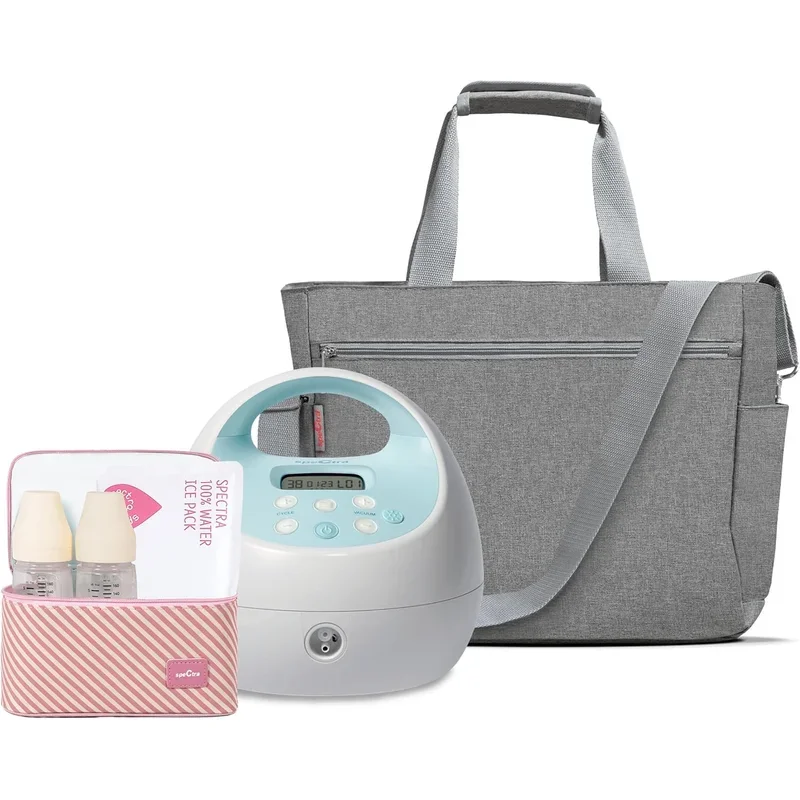
$225.99
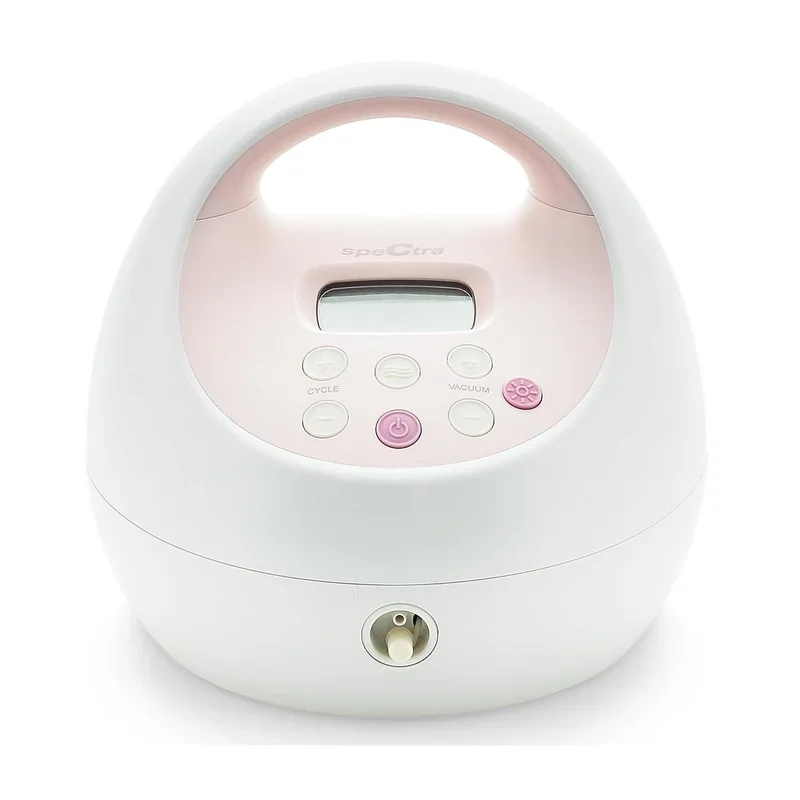
$177.99

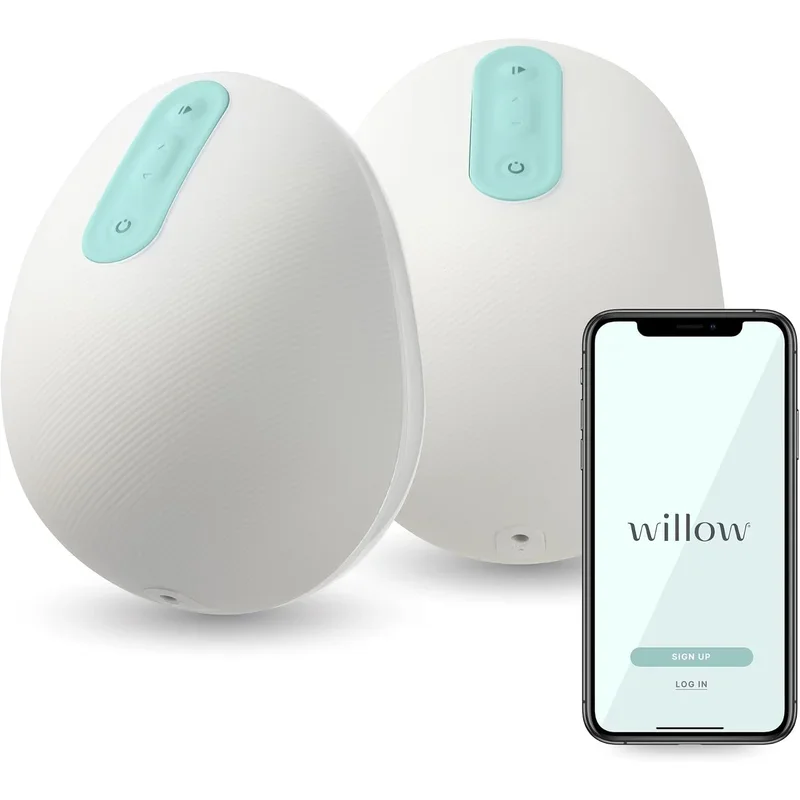
$261.99
$499.99
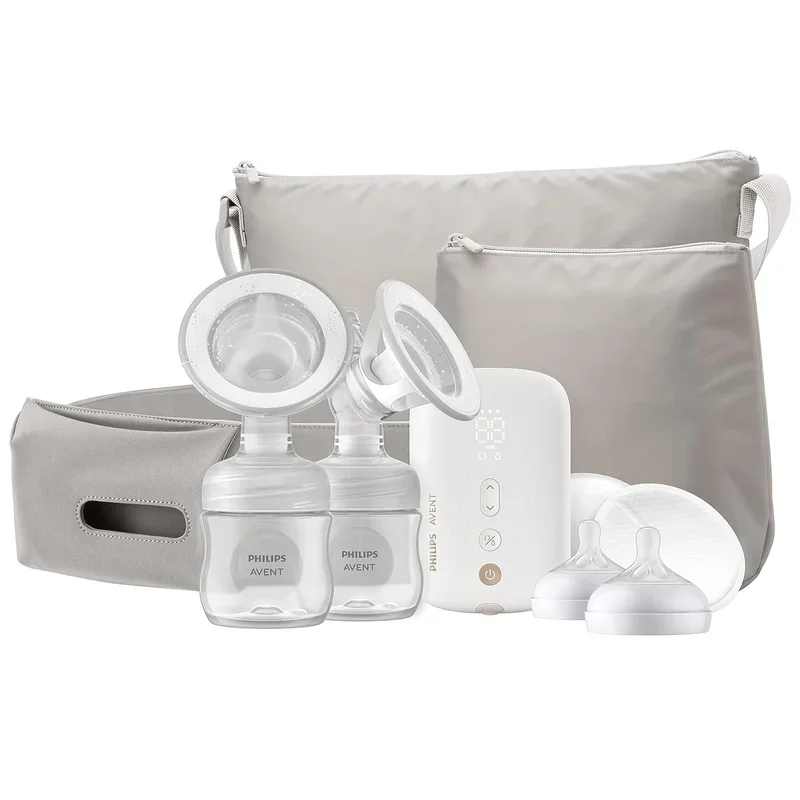
$261.87
| Product | Disclosed Free of BPS/BPF (beyond BPA) | Maximum Suction / Vacuum (mmHg) | Multiple Flange Sizes / Inserts Available | Score | Price | Actions |
|---|---|---|---|---|---|---|
| Unlock safety data | 9.4 | $225.99 | ||||
| Unlock safety data | 9.4 | $177.99 | ||||
| Unlock safety data | 8.9 | $261.99 | ||||
| Unlock safety data | 7.1 | $499.99 | ||||
| Unlock safety data | 6.2 | $261.87 |
Not all 7 breast pumps cleared our safety screen.
See which ones we flagged, which failed, and which ranked #1.
See which of these 7 products actually passed our safety screen
Free account unlocks full safety test results, complete spec breakdowns, and what disqualified the ones that didn't make the list.
Already have an account?Sign in
The "BPA-free" gap
What actually touches your milk
Every FDA-cleared pump meets a basic materials floor, but that does not force a brand to name the plastic in the flange, bottle and valves or to rule out BPS and phthalates. The pumps worth trusting name a safe material for every part milk touches, or spell out no BPA, BPS or DEHP. A bare "BPA-free" sticker can still hide BPS.
Says "BPA-free" but will not name the plasticBelleMa Effective Pro Double Electric Breast Pump ("bpa-free" only); Elvie Stride Hands-Free Wearable Breast Pump ("bpa-free" only)markets BPA-free yet never names the milk-contact polymer or rules out BPS and phthalates
The other 5 {count} more that name the flange but leave the rest of the milk path unspecified
Renee's Take · Aug 2026
Which breast pumps are BPA-free where they actually touch your milk
If you have spent any time in pumping groups, you have read some version of the same wish: pump with the least plastic possible, and know what the parts touching your milk are actually made of. It is the right thing to ask, because milk sits inside the flange, valves, and collection bottle for minutes at a time, several times a day, and then your baby drinks it. The label that is supposed to settle this, BPA-free, does not.
Here is the gap that reorders this whole category. A BPA-free sticker only tells you one specific chemical was left out. It says nothing about whether the maker swapped in BPS or BPF, the newer bisphenols that behave as endocrine disruptors the same way BPA does, and nothing about whether the plastic is plasticized with phthalates. Every pump here is an FDA-cleared Class II medical device, so that legal floor is already met by all of them. What separates them is whether the brand actually names the polymer your milk touches, or hides behind the sticker.
That is the axis I score, with safety carrying most of the weight: first what every milk-contact part is made of and how fully the brand discloses it, then suction and expression performance, then daily usability like cleaning and portability. The two Spectra pumps led at 9.4 because they name food-grade silicone flanges and valves and a polypropylene bottle, and confirm no BPA, BPS, BPF, or phthalates. The Medela Pump in Style MaxFlow followed at 8.9 with the same kind of fully named, bisphenol-free milk path.
The bottom of the list is the most useful part. The Elvie Stride scored 4.5, the lowest in my group, because this popular wearable names its breast shield as silicone but will not say what the cup that holds your milk is made of, beyond bare BPA-free. Below you can see all 8 ranked, with exactly what each brand will, and will not, tell you about the parts that touch your milk.
What Matters Most?
The criteria R3 evaluates for every breast pumps
Safety
Flange / Breast Shield Material, Milk Collection Bottle / Cup Material, Valve / Membrane / Diaphragm Material
Usability
Milk-Contact Parts Dishwasher / Sterilizer Safe, Operating Noise Level (dB), Hands-Free / Portability Format
Efficacy
Maximum Suction / Vacuum (mmHg), Two-Phase / Adjustable Expression (letdown + expression cycling)
What to Watch For
Safety factors I look at closely when rating breast pumps
BPA-free that hides BPS or BPF
A BPA-free label is the single most misread claim in this category. It confirms one chemical is gone and says nothing about BPS or BPF, the substitute bisphenols that act as endocrine disruptors much like BPA does. Several pumps stop at BPA-free for the parts that hold your milk: the Philips Avent Double Electric at 6.2 and the BelleMa Effective Pro at 5.1 both disclose only BPA-free, so newer bisphenols cannot be ruled out.
Choose a pump that confirms its milk-contact parts are free of BPA, BPS, BPF, and phthalates, like the , rather than one that stops at the BPA-free sticker.
Related Categories
Other categories families browse alongside this one.