What does FDA Class II Medical Device require and does it protect your family?
Tampons are regulated by the FDA as Class II medical devices, not cosmetics. That means the FDA requires standardized absorbency labeling and a toxic shock syndrome warning, but it does NOT require ingredient disclosure or testing for heavy metals.
Renee · Founder & Lead Researcher, R3
We score every product the same way and never accept brand payment. We may earn a commission from some links, which never changes a score. How we stay independent.
Quick facts
Get the research before you buy
New picks and safety research, no spam, no sponsors.
The claim: Tampons are FDA-regulated, so they must be tested for safety.
The reality: They are regulated as Class II devices, which requires absorbency labeling and a TSS warning, but NOT ingredient disclosure or heavy-metal/PFAS testing. The 2024 study finding lead in 100% of tampons shows the gap.
A surprising fact sits behind every tampon box: the FDA regulates tampons as Class II medical devices, the same moderate-risk category as things like powered wheelchairs and pregnancy tests. They are not cosmetics, and not food. This shapes exactly what is, and is not, required of them.
Because they are devices, tampons must clear the FDA's premarket notification (510(k)) process and follow specific rules:
The FDA also issues advisory recommendations, asking that tampons be free of dioxin and pesticide residues and that brands disclose their bleaching process. But advisory is the key word.
Here is what Class II classification does NOT require, and why R3 scores tampons the way it does: no pre-market ingredient disclosure, and no testing for [heavy metals](/learn/ingredients/heavy-metals) or PFAS. A brand can sell a tampon without ever telling you what is in it or proving it is free of contaminants. This is exactly why the 2024 study that found lead in 100% of tampons tested was possible: there are no regulatory limits for metals in menstrual products. The device framework governs absorbency and TSS, not chemical purity.
That gap is the whole reason a brand that voluntarily publishes independent lab testing stands out. The rules do not make them do it, so the ones that do are signaling real confidence.

Because FDA Class II rules do not require ingredient disclosure or metal testing, R3 gives the most weight to brands that publish independent lab results, the proof the regulations do not demand.
How to reduce exposure
Because the rules do not require it, favor brands that voluntarily disclose full materials and publish independent testing for metals and PFAS. The device framework only guarantees absorbency labeling and a TSS warning.
Who is most at risk
Look for these
Watch out for
What this does NOT cover
Class II status covers absorbency and TSS labeling, not chemical purity, ingredient disclosure, or metal/PFAS testing.
How to verify
Every legal tampon carries standardized absorbency and a TSS warning. For anything beyond that, you are relying on what the brand chooses to publish.
What this means for your family
Every product scored on safety, efficacy, and usability - so you know which tampons to trust around fda class ii medical device.
Get the Tampons shortlist, free
The picks that cleared safety, what to skip, and why price didn’t predict the winner.
No spam. Unsubscribe any time.
Yes, as Class II medical devices, the same moderate-risk category as many medical products. The FDA requires standardized absorbency labeling and a toxic shock syndrome warning, and it issues advisory recommendations on dioxin and bleaching. But it does not require brands to disclose ingredients or test for heavy metals.
No. The Class II device framework does not require pre-market ingredient disclosure or testing for heavy metals or PFAS. There are no regulatory limits for metals in menstrual products, which is why a 2024 study could find lead in 100% of tampons tested. Independent, voluntary lab testing by a brand is the only proof.
It means tampons must clear the FDA's 510(k) notification process and carry standardized absorbency labels and a TSS warning. It is a moderate-risk classification. Crucially, it governs absorbency and toxic shock risk, not chemical purity, so it does not guarantee a tampon is free of contaminants.
Because they are regulated as Class II medical devices, which does not require pre-market ingredient disclosure the way a food or cosmetic label might. Brands can disclose voluntarily, and the ones that publish full materials and testing are signaling confidence the rules do not force.
No. Tampons are FDA Class II medical devices, not cosmetics. This matters because it sets different rules: standardized absorbency and a TSS warning are required, but ingredient disclosure and contaminant testing are not, leaving a gap that voluntary third-party testing fills.

Lola
LOLA 100% Organic Cotton Tampons, Regular, Cardboard Applicator
$14.99

Natracare
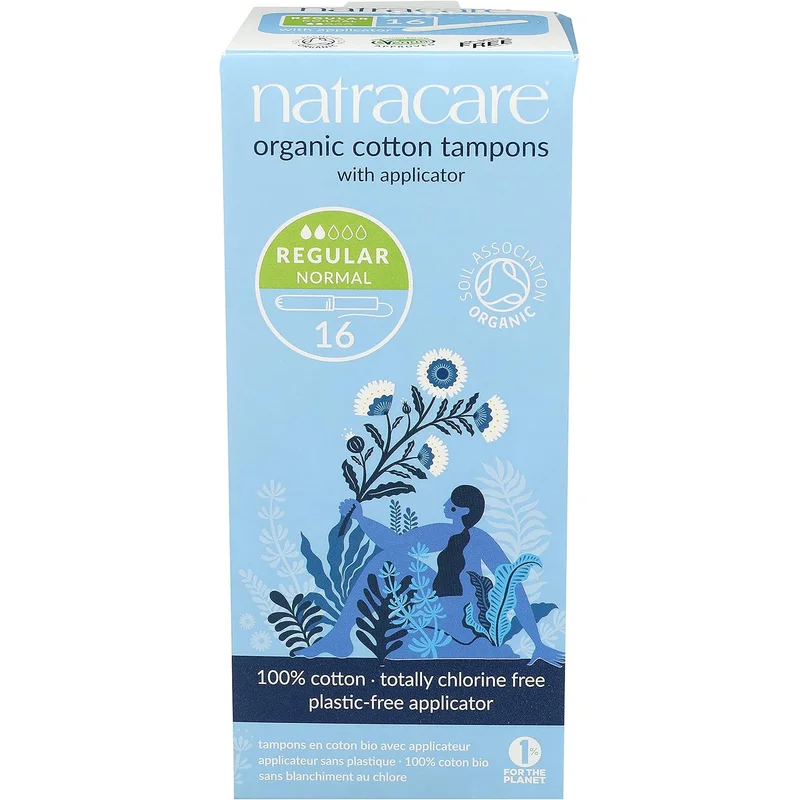
Natracare Organic Cotton Tampons, Regular, Cardboard Applicator
$8.99

Seventh Generation
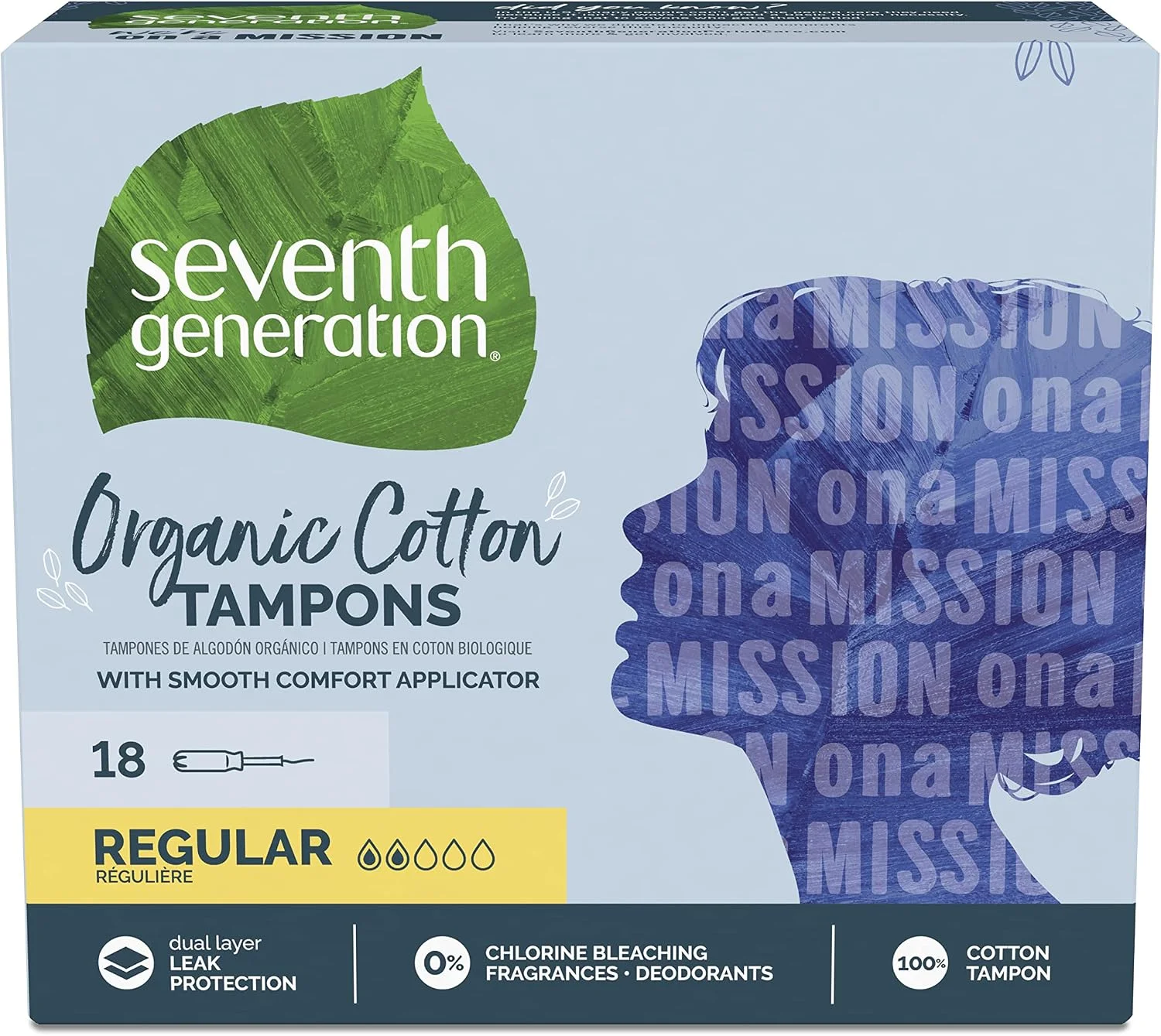
Seventh Generation Organic Cotton Tampons, Regular, Comfort Applicator
$7.49

The Honey Pot Company
The Honey Pot Company Organic Cotton Core Tampons, Regular
$7.99

Viv for Your V
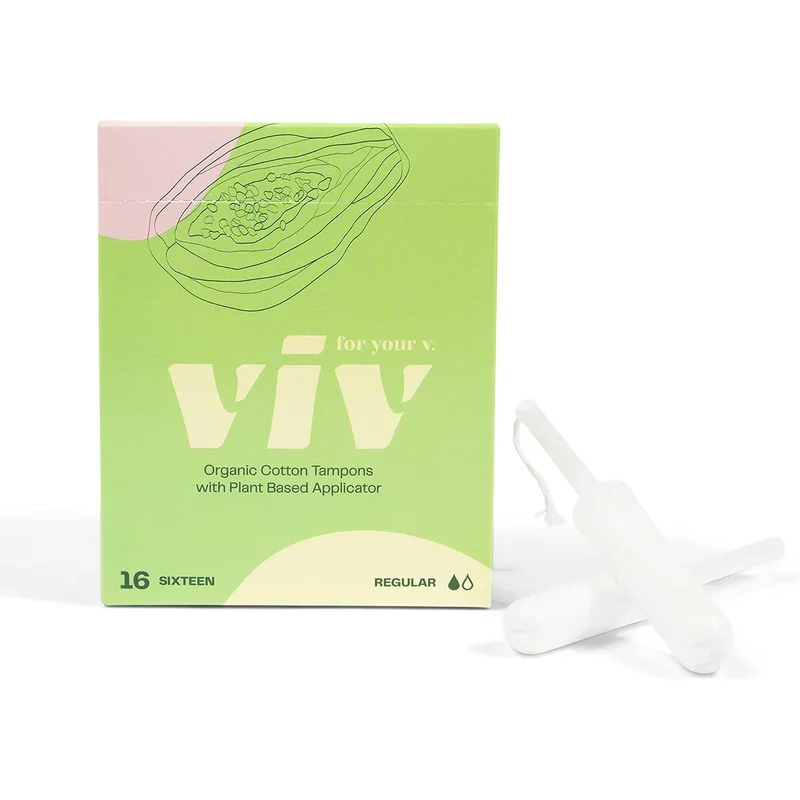
Viv for Your V 100% Organic Cotton Tampons, Regular, Plant-Based Applicator
$9.99

o.b.
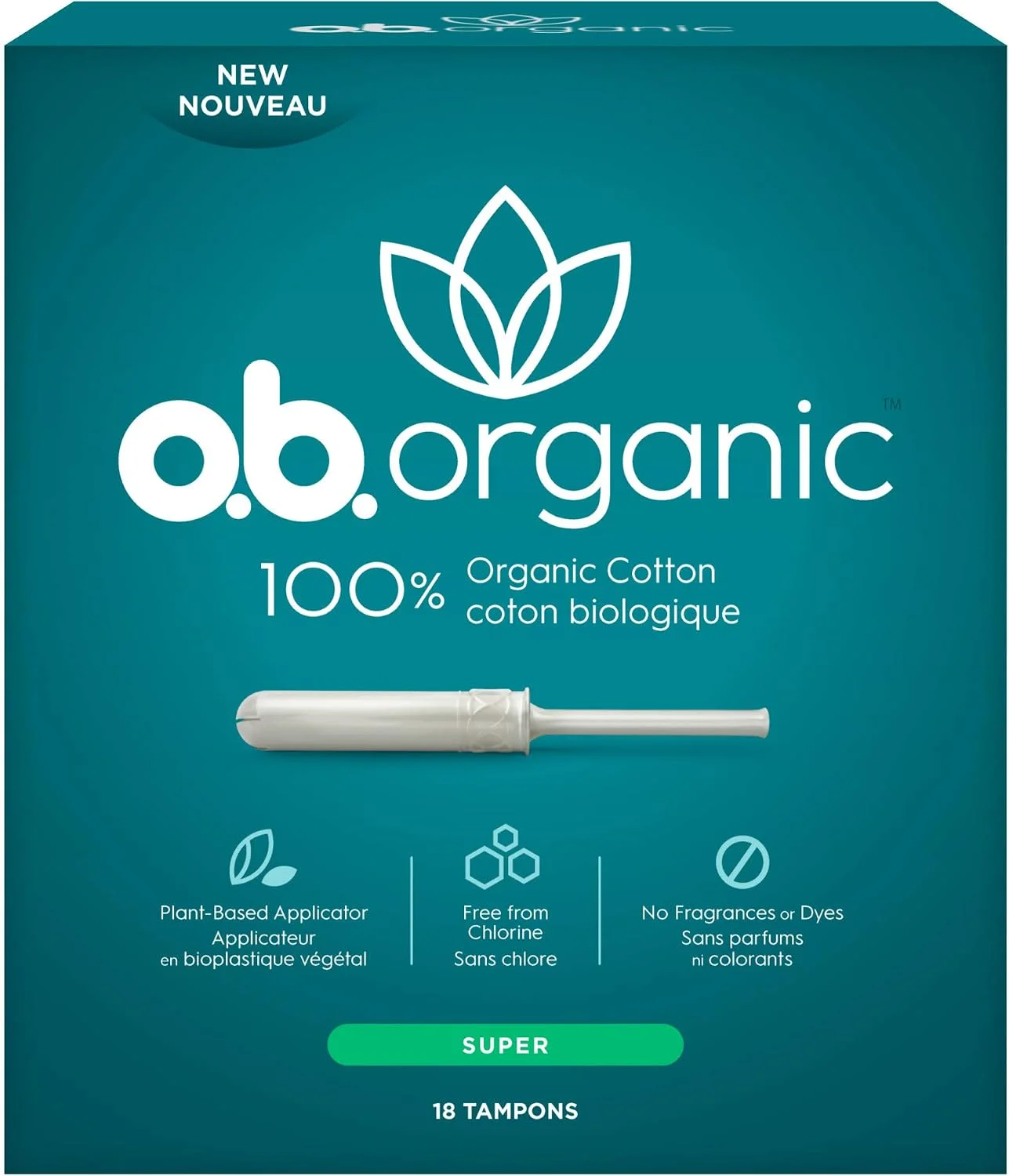
o.b. Organic 100% Organic Cotton Tampons, Regular
$6.99