What every parent should know about toxic shock syndrome (tss)
Toxic shock syndrome is a rare but life-threatening illness caused by toxins from certain bacteria. It is historically linked to high-absorbency tampon use, and it can come on fast with high fever, a sunburn-like rash, and a sudden drop in blood pressure. It is a medical emergency.
Renee · Founder & Lead Researcher, R3
We score every product the same way and never accept brand payment. We may earn a commission from some links, which never changes a score. How we stay independent.
Quick facts
Get the research before you buy
New picks and safety research, no spam, no sponsors.
The claim: Organic or '100% cotton' tampons cannot cause toxic shock syndrome.
The reality: TSS is caused by bacterial toxins, not the cotton itself, and the main drivers are absorbency and wear time. Any tampon left in too long or more absorbent than needed can raise risk. Material choice helps at the margins; absorbency and timing matter most.
Toxic shock syndrome, or TSS, is a rare but serious illness caused by toxins released by certain bacteria, most often Staphylococcus aureus and sometimes group A streptococcus. It became widely known in the late 1970s and early 1980s, when a wave of cases was traced to a specific brand of super-absorbent tampon. That product was pulled from the market, high-absorbency materials were reformulated, and menstrual TSS became much rarer. But it has not disappeared, which is why every tampon box still carries a TSS warning.
TSS is not caused by tampons themselves. It is caused by bacteria producing toxins. The connection is that a high-absorbency tampon, especially one left in too long, can create conditions that let those bacteria multiply, particularly if it is more absorbent than your flow requires. The historical cases were tied to super-absorbent synthetic materials, including certain forms of rayon, which is part of why fiber type and absorbency matter. The single biggest lever you control is using the lowest absorbency that handles your flow and changing it on schedule.
TSS comes on suddenly and progresses quickly. Per Mayo Clinic and the CDC, watch for:
If you have these symptoms while using a tampon, remove the tampon and seek emergency care immediately, and tell the medical team you were using a tampon. TSS can progress to organ failure within hours, so it is not something to wait out.
The prevention steps are simple and well established by the FDA, CDC, and Mayo Clinic:
These habits, not a specific brand, are what actually lower TSS risk. This is why R3 treats a brand offering a full range of absorbencies as a small positive: it makes it easier to match absorbency to flow, which is the core prevention step.
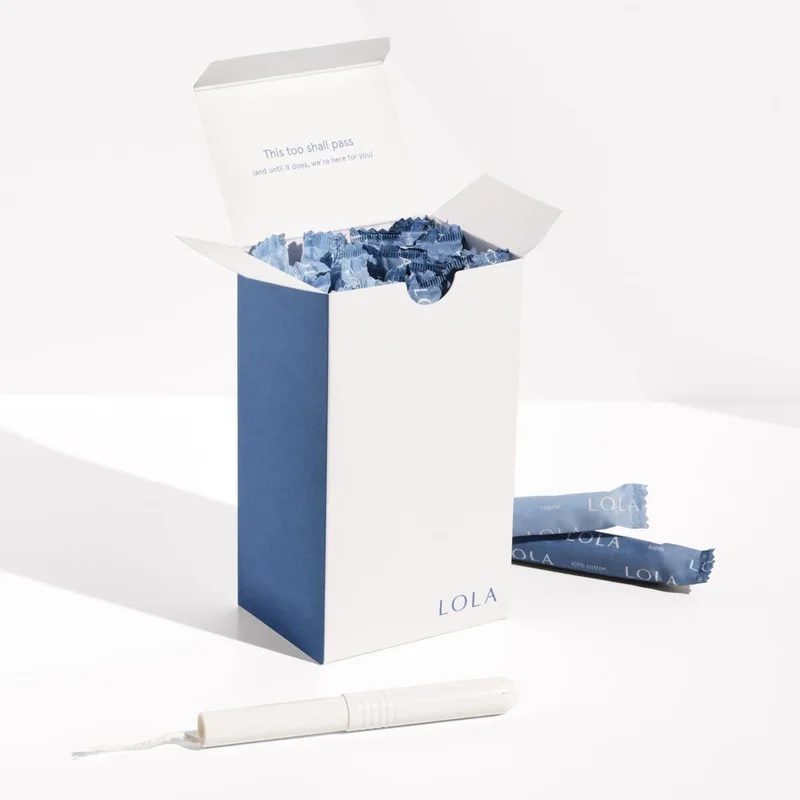
Matching absorbency to flow is the single biggest TSS-prevention step. R3 gives a small positive to brands that offer a full range of absorbencies, because it lets you size down on light days instead of defaulting to a too-absorbent tampon.
TSS is a rare medical emergency. Toxins from Staph or Strep bacteria trigger sudden high fever, a sunburn-like rash, low blood pressure, and can rapidly progress to organ failure and death if untreated. Menstrual cases are strongly linked to high-absorbency tampon use and prolonged wear time.
The FDA requires standardized absorbency labeling and a TSS warning on all tampon packaging, a rule that followed the early-1980s outbreak and the withdrawal of the Rely super-absorbent tampon. There is no 'TSS-free' certification; prevention rests on absorbency choice and wear-time habits.
How to reduce exposure
Use the lowest absorbency that handles your flow, change every 4 to 8 hours, never exceed 8 hours, and alternate with pads or period underwear. Know the warning signs and treat sudden fever plus rash during tampon use as an emergency.
Who is most at risk
When to seek medical attention
Seek emergency care immediately if you develop a sudden high fever, a sunburn-like rash, vomiting, dizziness, or fainting while using a tampon. Remove the tampon and tell medical staff you were using one. TSS can progress to organ failure within hours.
Common product triggers
Look for these
Watch out for
What this does NOT cover
This page covers menstrual TSS related to tampon use. Non-menstrual TSS from wounds, surgery, or other sources follows similar warning signs but different prevention, and any suspected TSS requires immediate medical care.
How to verify
There is no product test for TSS risk. The verifiable levers are the FDA-standardized absorbency rating on the box and your own wear-time habits.
Timeline
1980
Outbreak
A spike in menstrual TSS is traced to super-absorbent tampons.
1980
Rely withdrawn
The Rely super-absorbent tampon is pulled from the market; high-absorbency materials are reformulated.
1982
FDA labeling
Standardized absorbency labeling and TSS warnings become required on tampon packaging.
What to look for instead
What this means for your family
Every product scored on safety, efficacy, and usability - so you know which tampons to trust around toxic shock syndrome (tss).
Get the Tampons shortlist, free
The picks that cleared safety, what to skip, and why price didn’t predict the winner.
No spam. Unsubscribe any time.
TSS is a rare, life-threatening illness caused by toxins from Staphylococcus or Streptococcus bacteria. It is historically linked to high-absorbency tampon use and comes on suddenly with high fever, a sunburn-like rash, low blood pressure, and can progress to organ failure within hours. It is a medical emergency requiring immediate care.
Watch for a sudden high fever, a rash that looks like a sunburn (often on palms and soles), vomiting or diarrhea, dizziness or fainting, and muscle aches or confusion. If these appear while using a tampon, remove it and seek emergency care immediately, and tell the medical team you were using a tampon.
Use the lowest absorbency that handles your flow, change tampons every 4 to 8 hours, never leave one in longer than 8 hours, and alternate with pads or period underwear. If you can wear a tampon for eight hours without it saturating, switch to a lower absorbency.
Yes. Higher absorbency than your flow needs is a key risk factor, which is why the early-1980s outbreak was tied to super-absorbent tampons. Matching absorbency to flow and changing on schedule is the most important prevention step, more than which brand or material you choose.
Yes, any tampon can. TSS is caused by bacterial toxins, not by the cotton, so organic or 100% cotton tampons are not immune. The risk comes from absorbency and wear time, so the same rules apply: lowest absorbency needed, change every 4 to 8 hours.

Lola
LOLA 100% Organic Cotton Tampons, Regular, Cardboard Applicator
$14.99

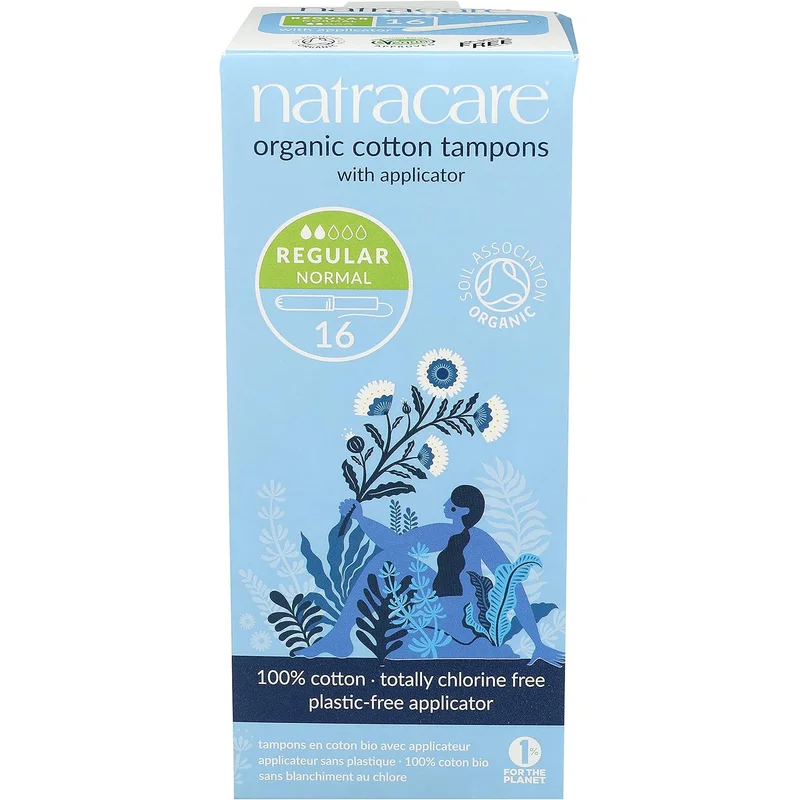
Natracare
Natracare Organic Cotton Tampons, Regular, Cardboard Applicator
$8.99

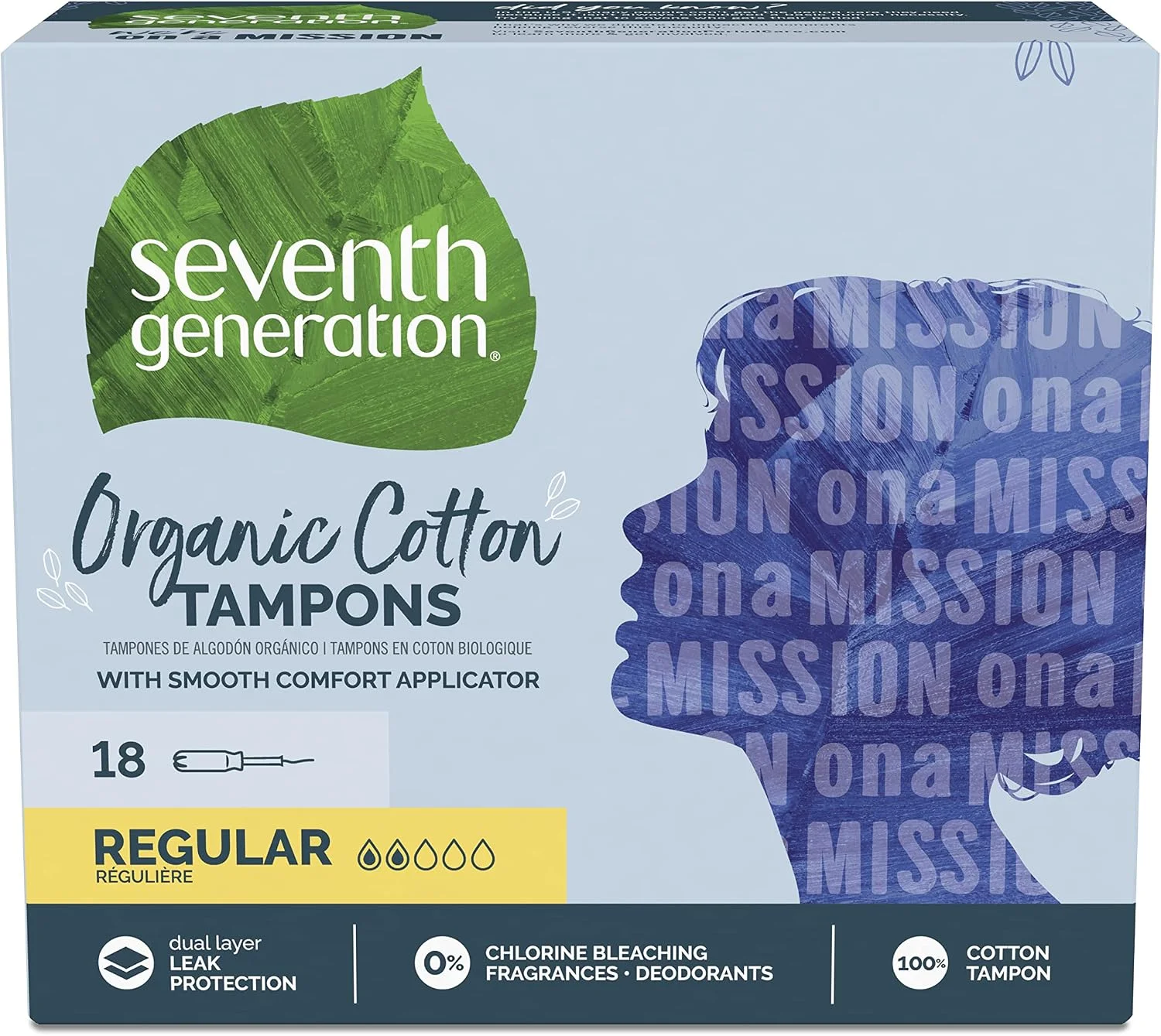
Seventh Generation
Seventh Generation Organic Cotton Tampons, Regular, Comfort Applicator
$7.49

The Honey Pot Company
The Honey Pot Company Organic Cotton Core Tampons, Regular
$7.99

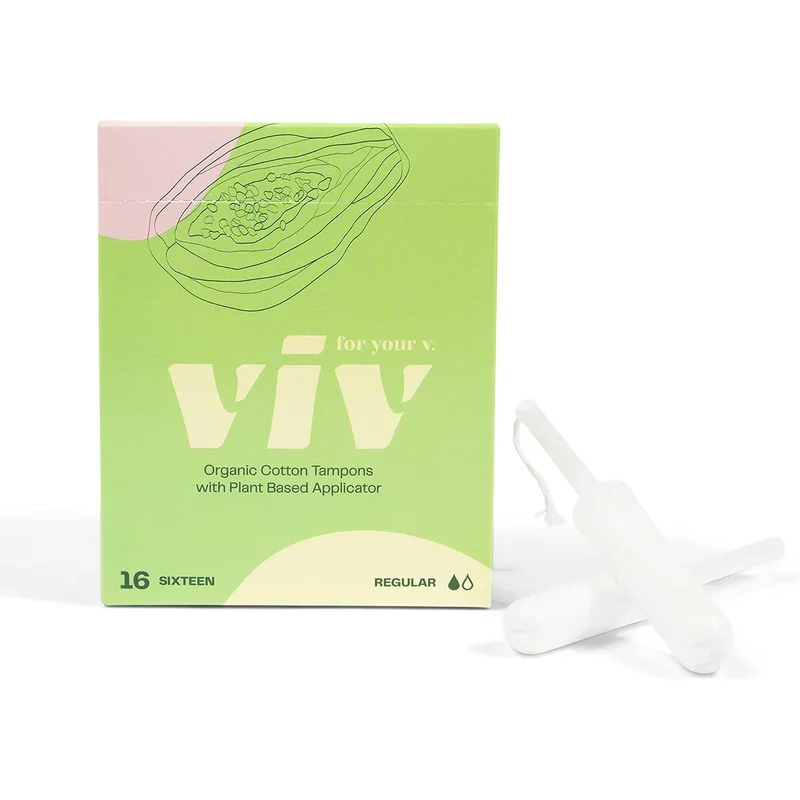
Viv for Your V
Viv for Your V 100% Organic Cotton Tampons, Regular, Plant-Based Applicator
$9.99

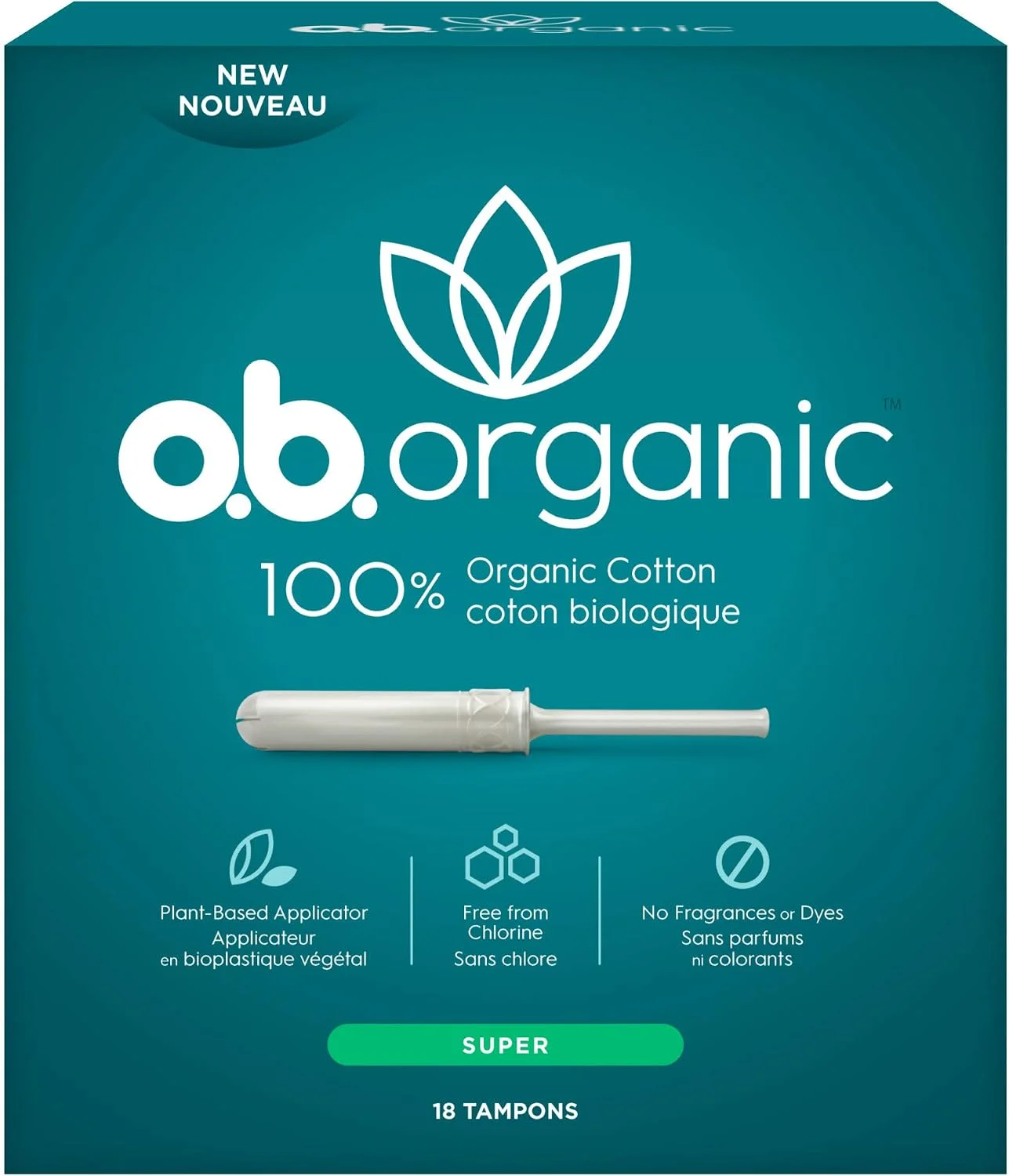
o.b.
o.b. Organic 100% Organic Cotton Tampons, Regular
$6.99