How much rayon (viscose) exposure is too much?
Rayon, also called viscose, is a semi-synthetic fiber made by chemically processing wood pulp or cellulose. It is highly absorbent and common in conventional tampons, but its high-absorbency forms were tied to the historical toxic shock syndrome cases, and it carries more processing chemistry than pure cotton.
Renee · Founder & Lead Researcher, R3
We score every product the same way and never accept brand payment. We may earn a commission from some links, which never changes a score. How we stay independent.
Quick facts
Get the research before you buy
New picks and safety research, no spam, no sponsors.
The claim: Rayon in tampons causes toxic shock syndrome.
The reality: TSS is caused by bacterial toxins, not the fiber itself. High-absorbency synthetic rayon was part of the historical outbreak, but modern viscose rayon is considered safe, and the main TSS drivers are absorbency and wear time. A 100% cotton core simply avoids the most processed option.
Rayon, usually sold as viscose, is a semi-synthetic fiber. It starts from a natural material, wood pulp or other cellulose, but it only becomes a usable fiber after a chemical process dissolves and reforms it. That is why it sits in a gray zone: not a true natural fiber like cotton, and not a fully synthetic one like polyester. In period products, rayon is valued for one trait above all: it is extremely absorbent.
Most conventional tampons are made of cotton, rayon, or a blend of the two. Rayon's high absorbency lets a smaller tampon hold more fluid, which is convenient. The trade-off is what that absorbency was historically associated with.
Rayon's most important safety story is its link to toxic shock syndrome. The early-1980s TSS outbreak was traced to a specific super-absorbent tampon that used synthetic materials, including high-absorbency forms of rayon. The product was withdrawn, super-absorbent materials were reformulated, and TSS rates dropped. Modern viscose rayon used in tampons is considered safe by health researchers today, but the episode is why fiber type and absorbency are still treated as linked safety questions, and why 100% cotton is often preferred for the cleanest profile.
The practical differences:
In R3's tampon scoring, the absorbent core fiber is a safety signal. A 100% cotton core, ideally organic, scores highest. A cotton-rayon blend scores in the middle, and a predominantly rayon or viscose core scores lower, because it is the most processed option and carries the historical TSS association. Rayon is not banned or acutely dangerous in modern tampons, but when a cleaner pure-cotton option exists at a similar price, it is the better default.
R3 scores the absorbent core fiber because a 100% cotton core is the simplest, least-processed option, while rayon and viscose carry more manufacturing chemistry and the historical TSS association. Pure organic cotton scores highest; cotton-rayon blends sit lower.
Modern viscose rayon in tampons is considered safe by health researchers, but high-absorbency rayon was central to the historical toxic shock syndrome outbreak, so absorbency and fiber type remain linked safety questions. Rayon is also more chemically processed than cotton, so a 100% cotton core is the simpler, lower-processing option.
Rayon is permitted in tampons, which the FDA regulates as Class II medical devices with standardized absorbency labeling and TSS warnings. There is no ban on rayon, but the absorbency-labeling rules that followed the 1980s outbreak exist partly because of the rayon-TSS link.
How to reduce exposure
Choose a 100% cotton core, ideally organic, when a comparable option exists. Whatever the fiber, match absorbency to your flow and change on schedule, since absorbency and wear time, not just fiber, drive TSS risk.
Who is most at risk
Common product triggers
Look for these
Watch out for
What this does NOT cover
This page covers rayon as a tampon and disposable-textile fiber. It does not cover rayon in apparel flammability or industrial uses, which involve different considerations.
How to verify
Read the fiber-composition statement on the box. '100% cotton' or '100% organic cotton' is the cleanest; 'cotton and rayon' or 'rayon/viscose' tells you it is a more processed blend.
Timeline
1980
TSS outbreak
High-absorbency synthetic materials, including rayon, are linked to a menstrual TSS outbreak.
1980s
Reformulation
Super-absorbent materials are reformulated and absorbency labeling is standardized.
What to look for instead
What this means for your family
Every product scored on safety, efficacy, and usability - so you know which products to trust around rayon (viscose).
Get the Tampons shortlist, free
The picks that cleared safety, what to skip, and why price didn’t predict the winner.
No spam. Unsubscribe any time.
Rayon, also called viscose, is a semi-synthetic fiber made by chemically processing wood pulp or other cellulose into a highly absorbent fiber. Many conventional tampons are made of cotton, rayon, or a cotton-rayon blend. Rayon's appeal is absorbency; the trade-off is that it is more processed than pure cotton.
Modern viscose rayon in tampons is considered safe by health researchers. The concern is historical: high-absorbency synthetic rayon was central to the early-1980s toxic shock syndrome outbreak. TSS is caused by bacterial toxins, and absorbency and wear time matter most, but a 100% cotton core avoids the most processed material.
A 100% cotton core, ideally organic, is the cleaner choice because it is mechanically spun rather than chemically processed and avoids the synthetic-rayon TSS association. A cotton-rayon blend sits in the middle. When a comparable pure-cotton option exists at a similar price, it is the better default.
They are essentially the same thing. Viscose is the most common type of rayon, both made by dissolving and reforming cellulose into a fiber. On a tampon box, 'rayon' and 'viscose' both signal a semi-synthetic, chemically processed fiber rather than pure cotton.
Not directly. TSS is caused by toxins from bacteria, not the fiber. However, the super-absorbent rayon-containing tampons of the early 1980s were tied to the outbreak, which is why absorbency is treated as a safety factor. Use the lowest absorbency that handles your flow and change it every 4 to 8 hours.

Lola
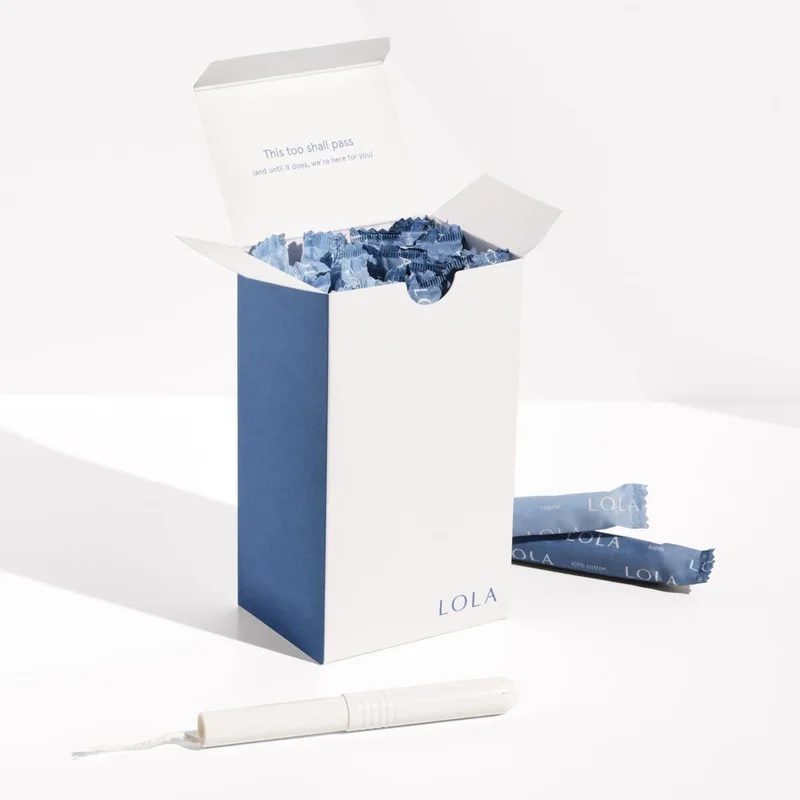
LOLA 100% Organic Cotton Tampons, Regular, Cardboard Applicator
Rayon-free$14.99

Natracare
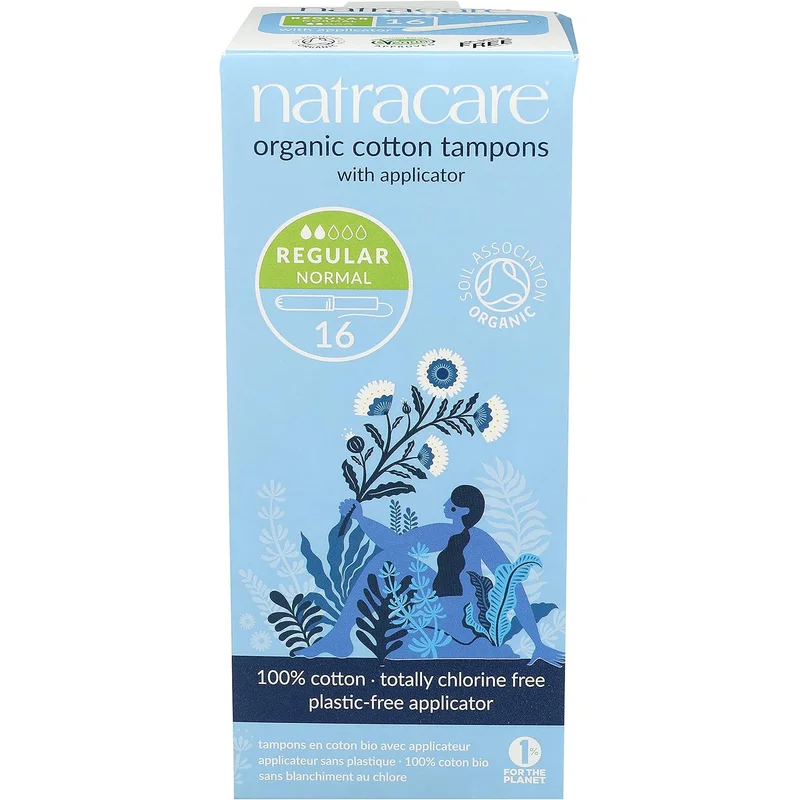
Natracare Organic Cotton Tampons, Regular, Cardboard Applicator
Rayon-free$8.99

Seventh Generation
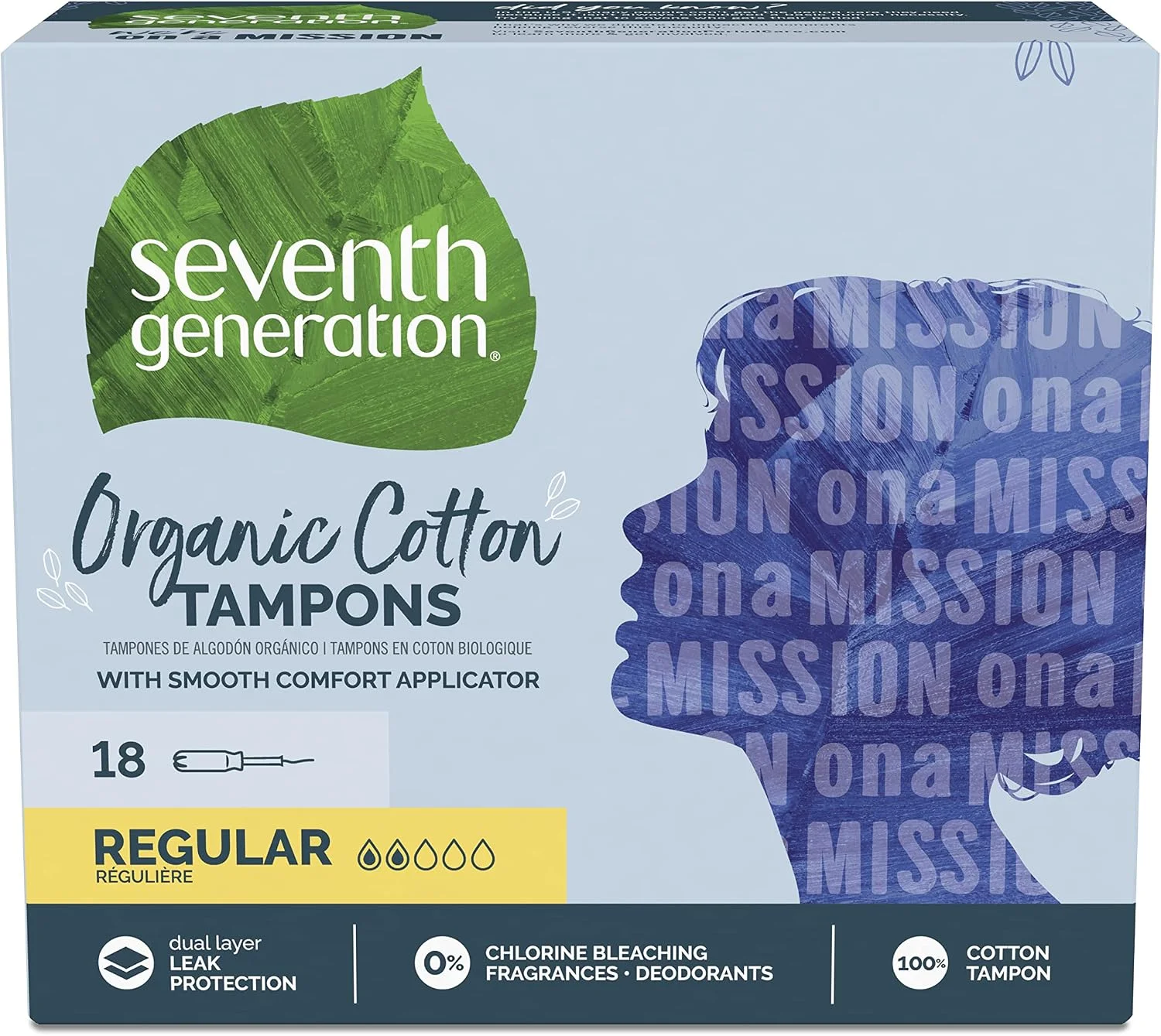
Seventh Generation Organic Cotton Tampons, Regular, Comfort Applicator
Rayon-free$7.49

Viv for Your V
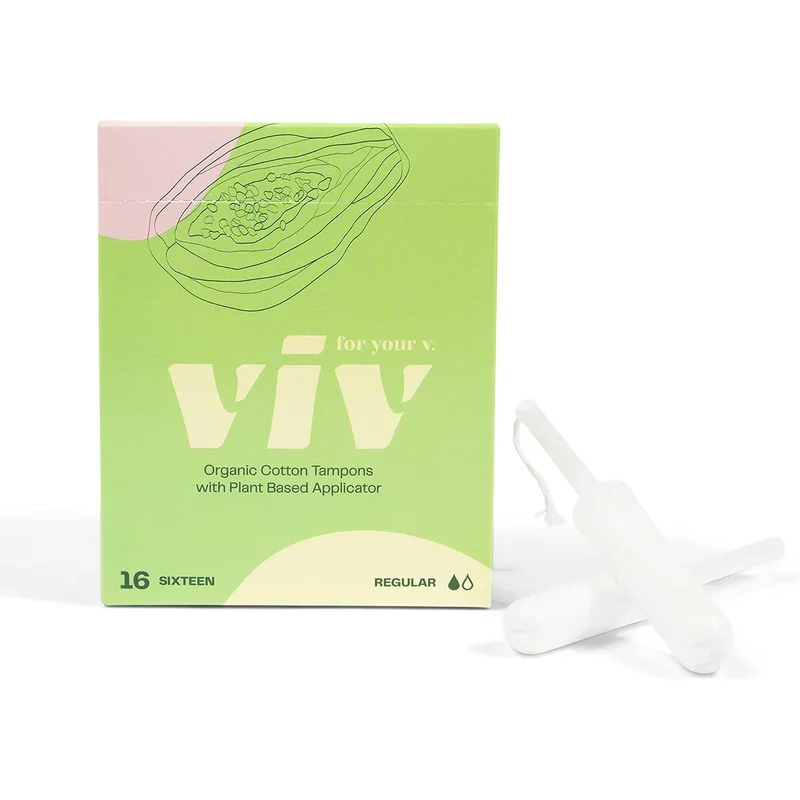
Viv for Your V 100% Organic Cotton Tampons, Regular, Plant-Based Applicator
Rayon-free$9.99

The Honey Pot Company
The Honey Pot Company Organic Cotton Core Tampons, Regular
Rayon-free$7.99

o.b.
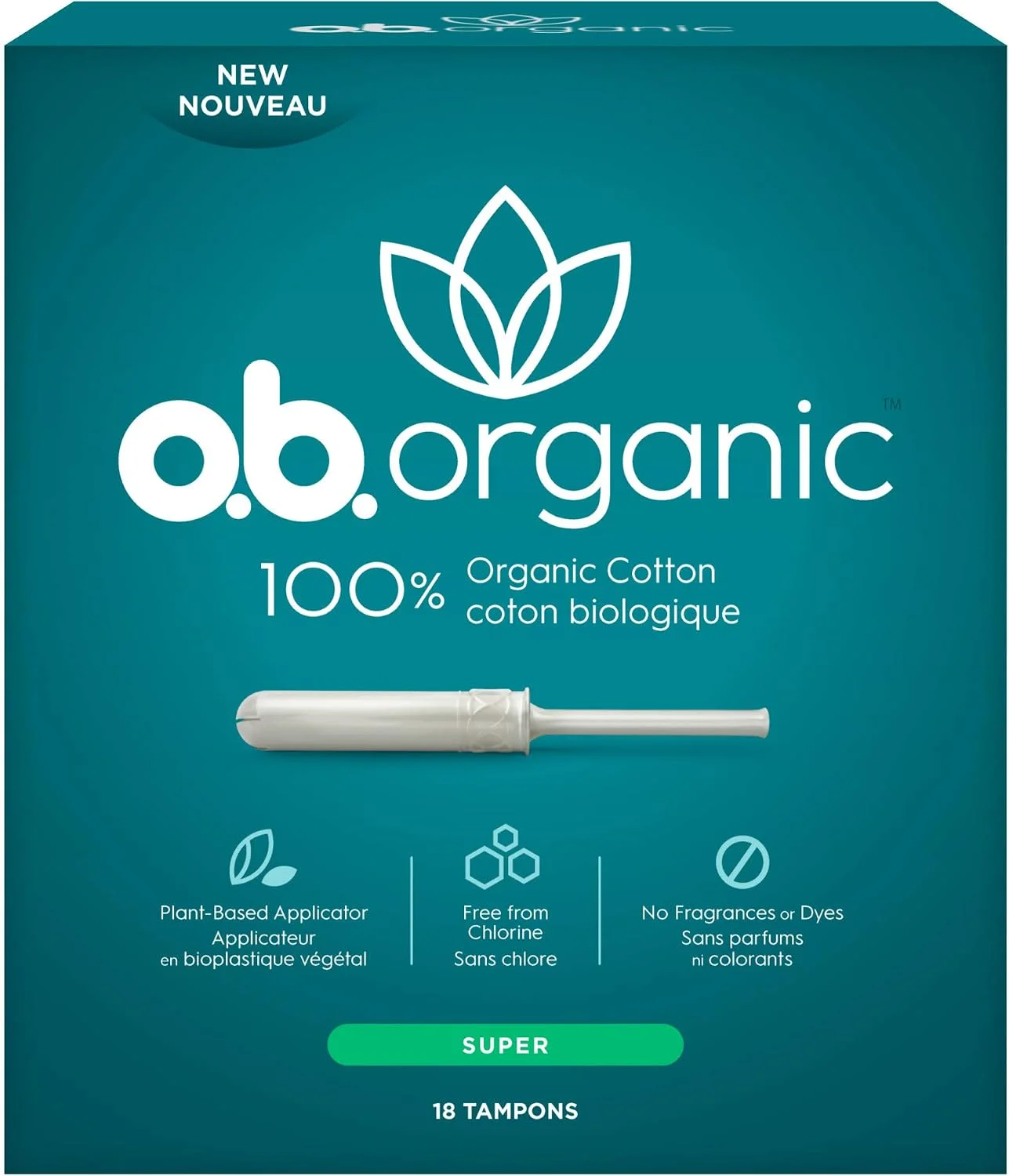
o.b. Organic 100% Organic Cotton Tampons, Regular
Rayon-free$6.99