Sep 2026 Rankings
Best Baby Food
We tested 11 products for harmful chemicals, real-world performance, and ease of use. Our top pick: Once Upon a Farm Organic Apple, Cherry & Elderberry Immunity Blend, 3.2 oz pouch.

By Renee Torres, R3 Research Lead·Updated Sep 2026
11 products · 10 brands40+ hrs researchNo brand pays us
Get the Baby Food shortlist, free
The picks that cleared safety, what to skip, and why price didn’t predict the winner.
No spam. Unsubscribe any time.
All Baby Food Rankings
11 of 11 products
1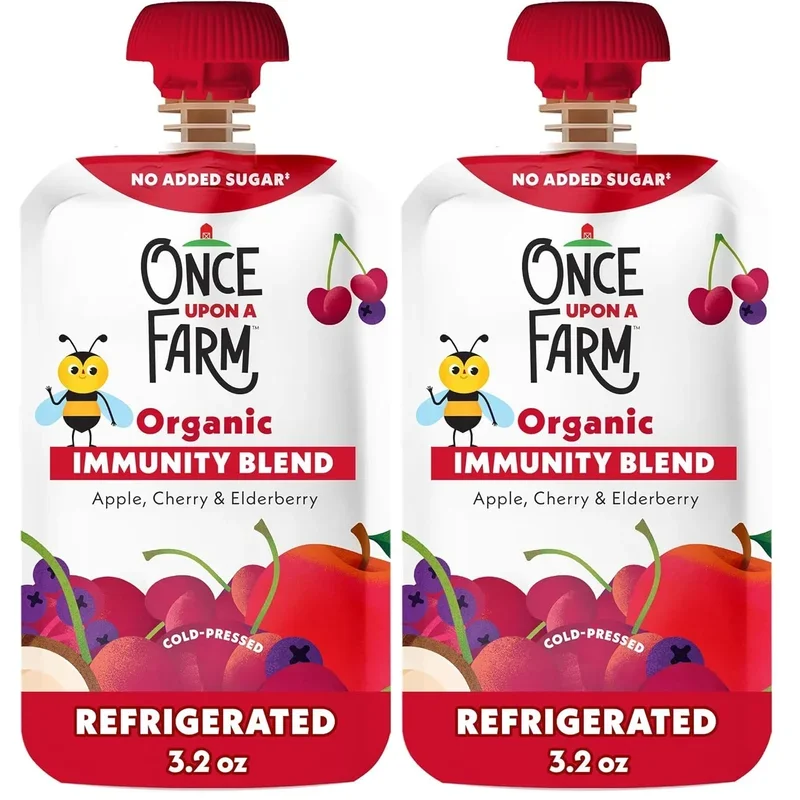
Once Upon a Farm
Once Upon a Farm Organic Apple, Cherry & Elderberry Immunity Blend, 3.2 oz pouch
Safest
9.3
$10.99
$5.52
3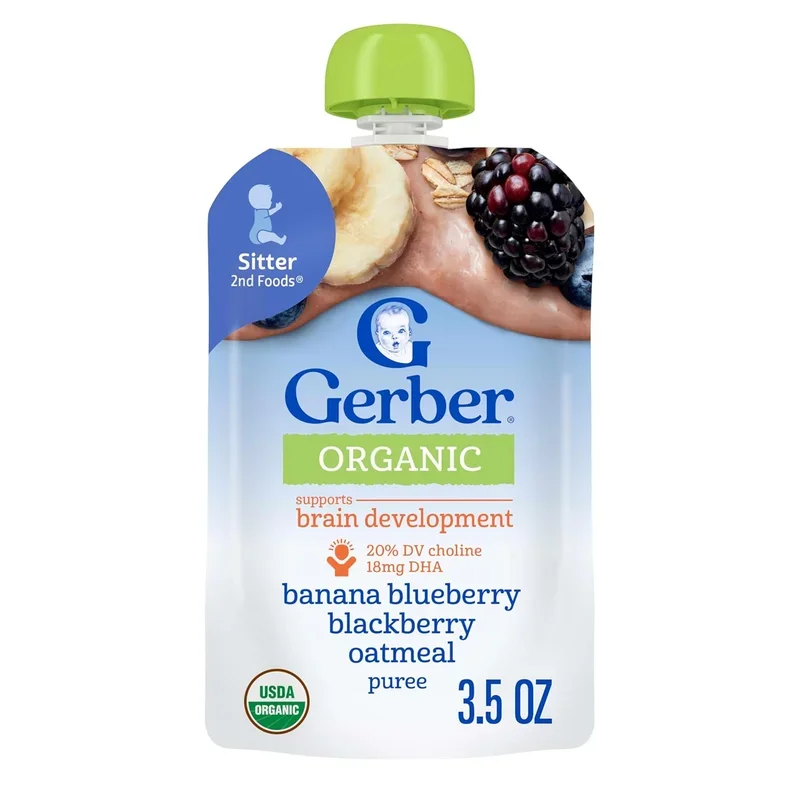
8.6
$1.74
$3.89
| Product | Heavy-Metals Testing Disclosure (AB 899 Tier) | Provides Meaningful Iron | Packaging Material | Score | Price | Actions |
|---|---|---|---|---|---|---|
| Unlock safety data | 9.3 | $10.99 | ||||
| Unlock safety data | 9.0 | $5.52 | ||||
| Unlock safety data | 8.6 | $1.74 | ||||
| Unlock safety data | 7.9 | $3.89 | ||||
| Unlock safety data | 7.7 | $1.39 |
Not all 11 baby food cleared our safety screen.
See which ones we flagged, which failed, and which ranked #1.
See which of these 11 products actually passed our safety screen
Free account unlocks full safety test results, complete spec breakdowns, and what disqualified the ones that didn't make the list.
Already have an account?Sign in
Compare Baby Food head-to-head
- Gerber Stage 2 Organic Banana Blueberry Blackberry Oatmeal pouch vs Once Upon a Farm Organic Apple, Cherry & Elderberry Immunity Blend, 3.2 oz pouch
- Serenity Kids Organic Savory Free Range Chicken & Veggie Puree, 3.5 oz pouch vs Once Upon a Farm Organic Apple, Cherry & Elderberry Immunity Blend, 3.2 oz pouch
- Earth's Best Organic Stage 2 Apples, 4 oz jar vs Once Upon a Farm Organic Apple, Cherry & Elderberry Immunity Blend, 3.2 oz pouch
R3 Coating Audit
Who actually shows you the heavy-metals test
No federal rule makes a baby food brand test each batch for heavy metals or publish the result, so many do not. The brands worth trusting let you look up the lead and arsenic result for the exact batch you are buying.
The “glass” trap: Happy Baby Organics Clearly Crafted Stage 1 Pears, 4 oz pouch (tested, not shown); Parent's Choice Just Apple Fruit Puree, Stage 2, 4 oz Pouch (tested, not shown); Mama Bear Organic Stage 2 Baby Food Pouch, Apple, Pear, Spinach, 4 oz (no disclosure). Sold as glass air fryers, but the surface your food rests on is coated or undisclosed.
The other 8 use ceramic or PTFE coatings. See the Coating column in the ranking above for how each scored.
Renee's Take · Sep 2026
Why the safest baby food isn't the one labeled organic
Every big brand showed up in the 2021 Congressional report on heavy metals in baby food, so I stopped reading the front of the jar and started reading the lab results behind it. The thing that actually separates one puree from another is not whether it says organic. It is whether the brand tests every batch of the finished food and publishes what it finds, plus how much metal the main ingredient naturally pulls from the soil.
That second part is the gotcha most roundups skip. Heavy metals like lead, arsenic and cadmium come from the ground a plant grows in, so the risk rides with the ingredient, not the brand. Rice and root vegetables draw the most: the FDA set a 100 ppb action level for inorganic arsenic in infant rice cereal because rice concentrates it. A fruit puree starts lower on that scale than a rice cereal no matter who makes it. California's AB 899 law, in effect since January 1 2025, now requires brands to test finished baby food for toxic elements and post the results, which finally lets a parent verify instead of trust.
So I ranked 7 purees, pouches and cereals on exactly that: published per-batch testing, the ingredient's built-in metal risk, plus added sugar, salt and recall history. The Once Upon a Farm fruit pouch came out on top at 9.3 because it reported non-detect results on the lots I checked. The widely-stocked Gerber organic oatmeal pouch is the best-value pick at 8.6 with one-click per-batch numbers, and Earth's Best apples is a simple, affordable single-ingredient first food at 7.7.
The reassuring part: you do not have to throw out everything in the pantry. A few genuinely transparent picks exist at every price, and the cheapest ones are not the ones you would guess.
What Matters Most?
The criteria R3 evaluates for every baby food
Safety
Heavy-Metals Testing Disclosure (AB 899 Tier), Tests Finished Product (Not Just Ingredients), Measured / Disclosed Lead Level
Efficacy
Provides Meaningful Iron, Developmental Stage Labeling, Added Sugar
Usability
Food Format, Packaging Material
What to Watch For
Safety factors I look at closely when rating baby food
Heavy metals from the soil
Lead, arsenic and cadmium occur naturally in soil and concentrate in some crops, which is why the 2021 House Oversight report found measurable levels across major brands. The FDA finalized lead action levels of 10 ppb for most baby foods and 20 ppb for root-vegetable single-ingredient foods in January 2025.
Favor brands that publish finished-product, per-batch testing so you can verify the food sits below those FDA action levels rather than taking a clean label on faith.
The rice and arsenic trap
Rice absorbs more inorganic arsenic from water and soil than nearly any other grain, so infant rice cereal carries the FDA's dedicated 100 ppb action level. Iron-fortified rice cereal is a useful iron source, but it is the single highest-arsenic-risk category in the aisle.
If you want a fortified cereal for iron, rotate to oat or multigrain instead of rice, or pair an iron-rich puree with the rather than serving rice daily.
Related Categories
Other categories families browse alongside this one.