Non-toxic period underwear · Checked for PFAS, silver & microplastics
Which period underwear is actually PFAS-free?
The two biggest brands got sued for calling themselves PFAS-free, and one was ordered to stop saying it. I sorted {count} brands by who actually lab-tests what touches your skin and publishes the results, versus who just says 'clean' on the label.

By Renee Torres, R3 Research Lead·Updated Oct 2026
6 products · 6 brands40+ hrs researchNo brand pays us
Get the Period Underwear shortlist, free
The picks that cleared safety, what to skip, and why price didn’t predict the winner.
No spam. Unsubscribe any time.
All Period Underwear Rankings
6 of 6 products
Dealer Quote
2
9.3
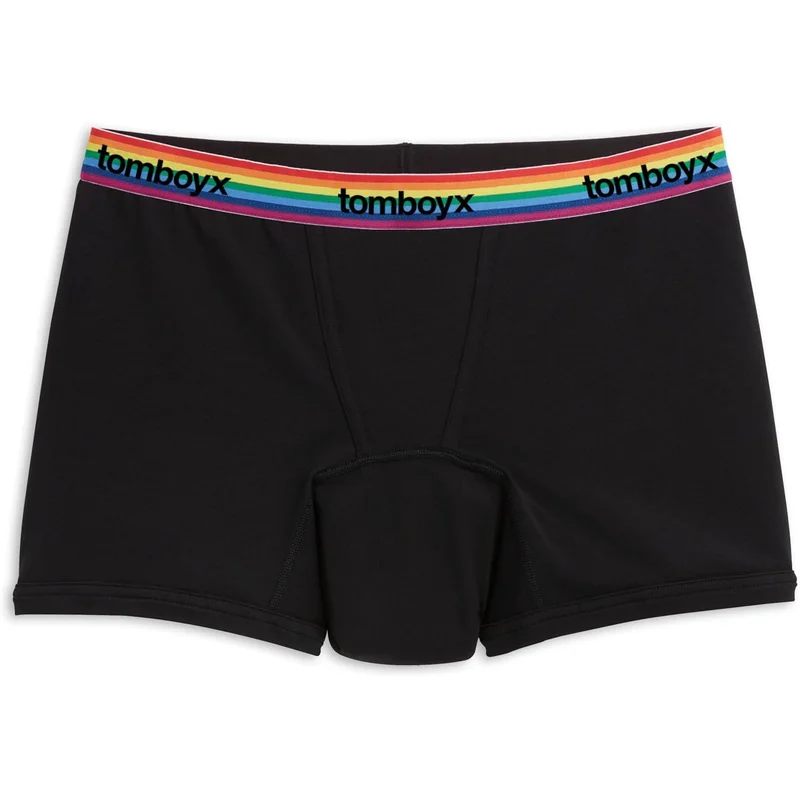
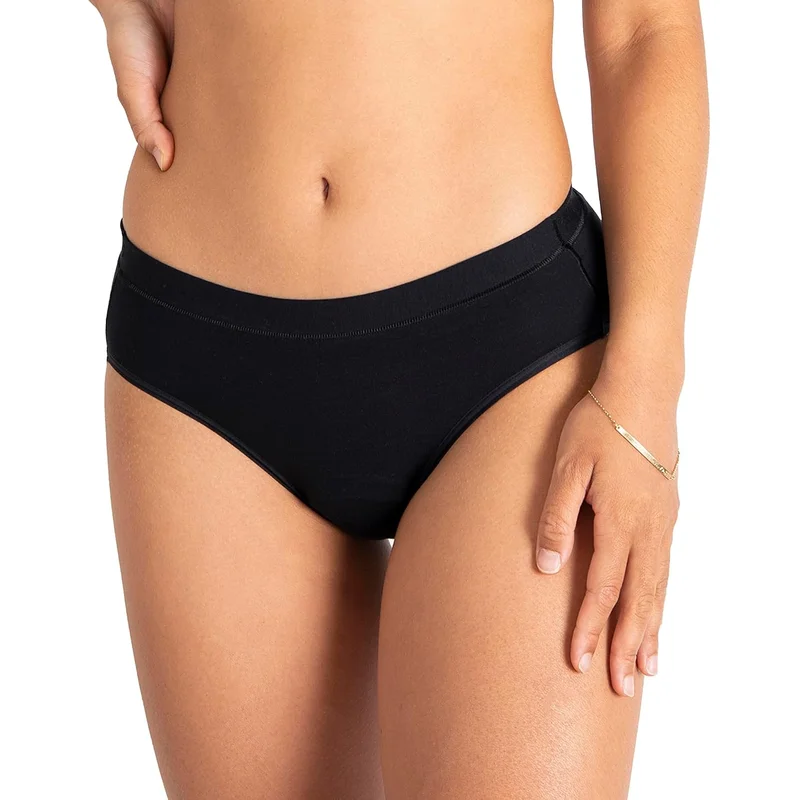
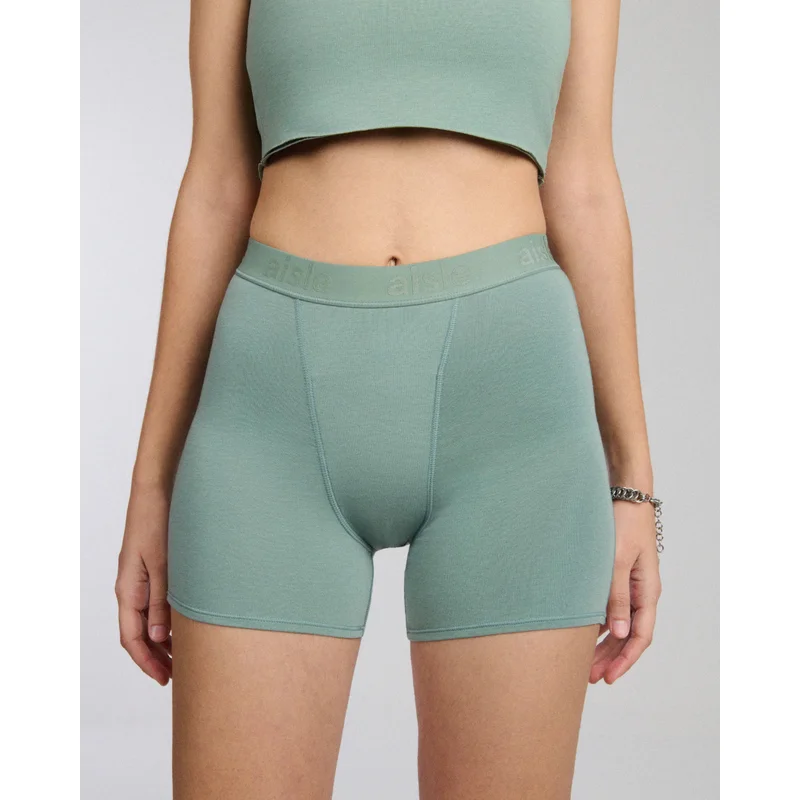
| Product | PFAS / Total Organic Fluorine Result | Absorbency Capacity (tampon-equivalents) | Dedicated Odor / Moisture-Control Layer | Score | Price | Actions |
|---|---|---|---|---|---|---|
| Unlock safety data | 9.5 | Dealer Quote | ||||
| Unlock safety data | 9.3 | $14 | ||||
| Unlock safety data | 8.8 | $38 | ||||
| Unlock safety data | 6.9 | $39 | ||||
| Unlock safety data | 6.8 | $33 |
Not all 6 period underwear cleared our safety screen.
See which ones we flagged, which failed, and which ranked #1.
See which of these 6 products actually passed our safety screen
Free account unlocks full safety test results, complete spec breakdowns, and what disqualified the ones that didn't make the list.
Already have an account?Sign in
Compare Period Underwear head-to-head
Renee's Take · Oct 2026
Which period underwear actually proves it is PFAS-free?
If you switched to period underwear to get away from disposables, you probably did not expect forever chemicals to follow you there. But a 2023 study from the University of Notre Dame and Indiana University, published in Environmental Science & Technology Letters, found that period underwear had the highest rate of intentionally added PFAS of any reusable menstrual product it tested. The absorbent layer that sits against you for hours is exactly where those chemicals were turning up.
The uncomfortable part is that shopping by the label does not sort this out. The two best known brands in the category both marketed themselves as clean, and both settled class-action lawsuits over it. Thinx settled in 2022 after independent testing reported PFAS and silver nanoparticles in some samples, and Knix agreed to stop calling its underwear PFAS-free as part of its own settlement. Non-toxic on the tag is a claim, not a lab result.
That is why I did not score these on their marketing. R3 ranks period underwear on whether a brand actually tests its finished product for PFAS and publishes the result, plus what the gusset is made of, its certifications, and how much it absorbs. No brand pays to be here. Revol Cares and The Period Company scored highest, both above 9 out of 10, because they show third-party lab results instead of asking you to trust them. TomboyX follows close behind for publishing its testing and, notably, for not overclaiming. Saalt and Aisle landed in the middle: independent labs found no detectable PFAS in them, but the brands lean on their own say-so rather than a published test, so they rank behind the ones that show their work. Modibodi scored lowest because I could not find any PFAS testing for it at all.
The pattern is simple once you see it: the brands worth trusting are the ones that prove it, not the ones that promise it.
What Matters Most?
The criteria R3 evaluates for every period underwear
Safety
PFAS / Total Organic Fluorine Result, PFAS Testing Transparency, Gusset / Skin-Contact Material Disclosure
Efficacy
Absorbency Capacity (tampon-equivalents)
Usability
Dedicated Odor / Moisture-Control Layer
What to Watch For
Safety factors I look at closely when rating period underwear
PFAS in the absorbent gusset
A 2023 University of Notre Dame and Indiana University study found period underwear had the highest rate of intentionally added PFAS of any reusable menstrual product tested, and independent lab Mamavation has reported detectable fluorine in a majority of the brands it screened. PFAS are persistent chemicals linked to hormone and immune effects, and the gusset sits against absorbent tissue for hours.
Choose a brand with a published third-party PFAS or total-fluorine test showing non-detect, such as The Period Company or Revol Cares, rather than trusting a non-toxic label.
PFAS-free claims with no lab test behind them
Thinx settled a class action in 2022 after testing reported PFAS and nanoparticles in some samples, and Knix agreed to stop marketing its underwear as PFAS-free as part of its own settlement. In both cases the claim came first and the proof did not follow.
Do not treat a PFAS-free or non-toxic claim as evidence. Ask to see the finished-product test, and if there is not one, rank the brand as unverified.
Related Categories
Other categories families browse alongside this one.