Clean-label probiotics · Ranked on strain honesty, live CFUs, and fillers
I checked every label against what is really in the bottle. Most count their cultures at the factory, not by the time you swallow them, and plenty slip in fillers like magnesium stearate. Only a few tell you the whole truth.
By Renée Torres, R3 Research Lead·Updated Jul 2026
Get the Probiotics shortlist, free
The picks that cleared safety, what to skip, and why price didn’t predict the winner.
No spam. Unsubscribe any time.
9 of 9 products
| Product | Heavy-Metal Testing & Disclosure | Independently Verified Viable Count vs Label | Allergen & Dietary Disclosure | Score | Price | Actions |
|---|---|---|---|---|---|---|
| Unlock safety data | 5.1 | $29.99 | ||||
| Unlock safety data | 4.9 | $17.99 | ||||
| Unlock safety data | 4.4 | $69.21 | ||||
| Unlock safety data | 3.9 | $49.99 | ||||
| Unlock safety data | 3.8 | $64.99 |
Not all 9 probiotics cleared our safety screen.
See which ones we flagged, which failed, and which ranked #1.
See which of these 9 products actually passed our safety screen
Free account unlocks full safety test results, complete spec breakdowns, and what disqualified the ones that didn't make the list.
Renée's Take · Jul 2026
If you have gone down the probiotic aisle lately, you have seen the same pitch on every bottle: 50 billion cultures, dozens of strains, clinically studied. The numbers keep getting bigger and the promises keep getting louder, and none of it answers the one thing you actually need to know, which is whether those cultures are still alive by the time you swallow them and whether anyone has checked what else is in the capsule.
Here is what the box hides. Most CFU counts, the colony forming units printed on the front, are measured at the moment of manufacture, not at the end of shelf life, and live cells die off in the bottle. The NIH Office of Dietary Supplements advises looking for a count guaranteed through the end of shelf life instead. Align's own label, for example, guarantees 1 billion cells at manufacture but only 10 million by the best-by date, a 99 percent drop, and that single distinction reorders the entire category.
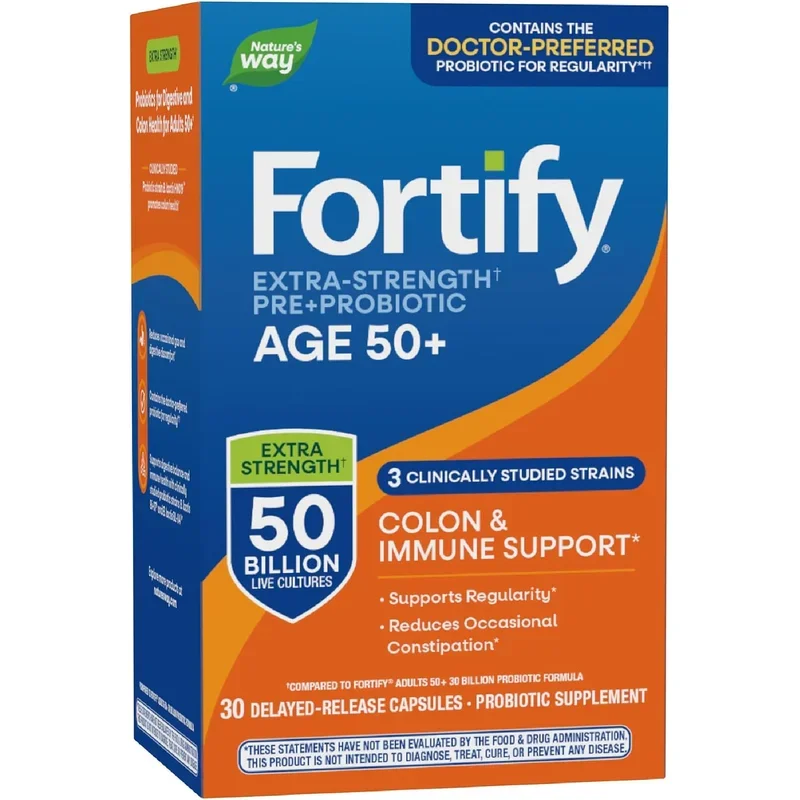
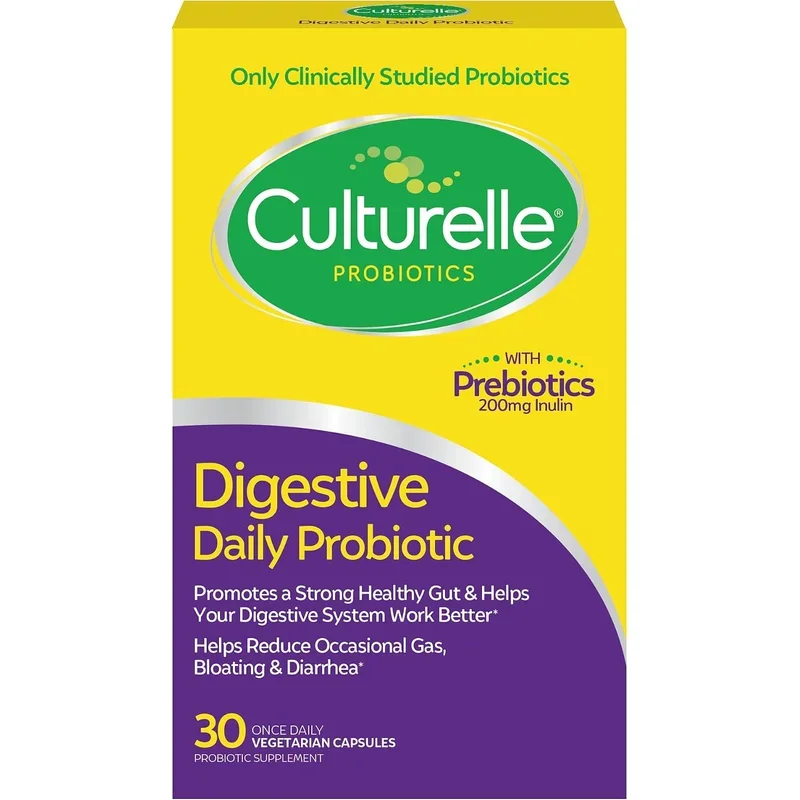
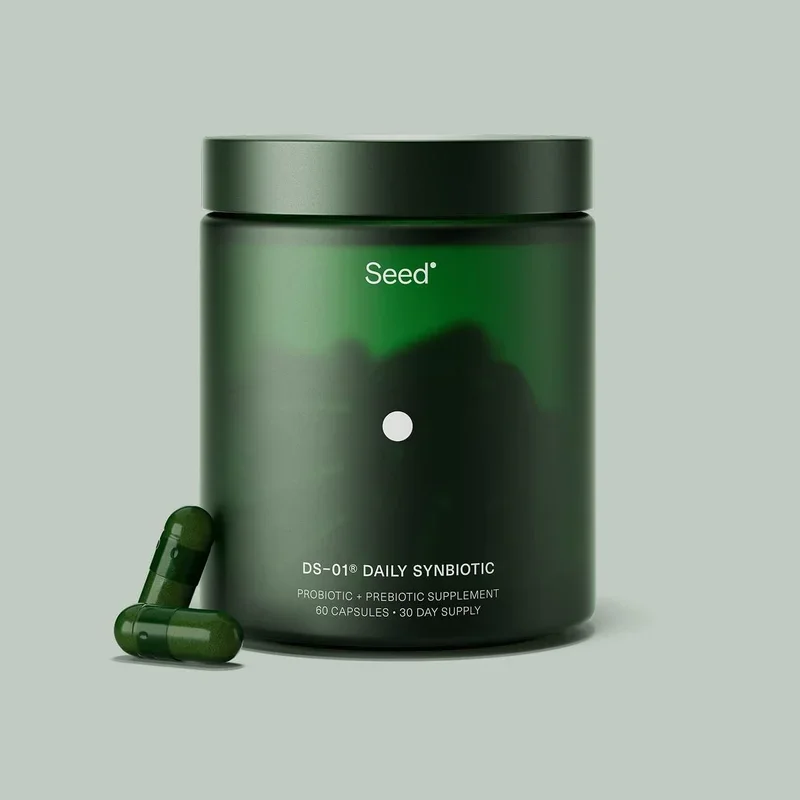
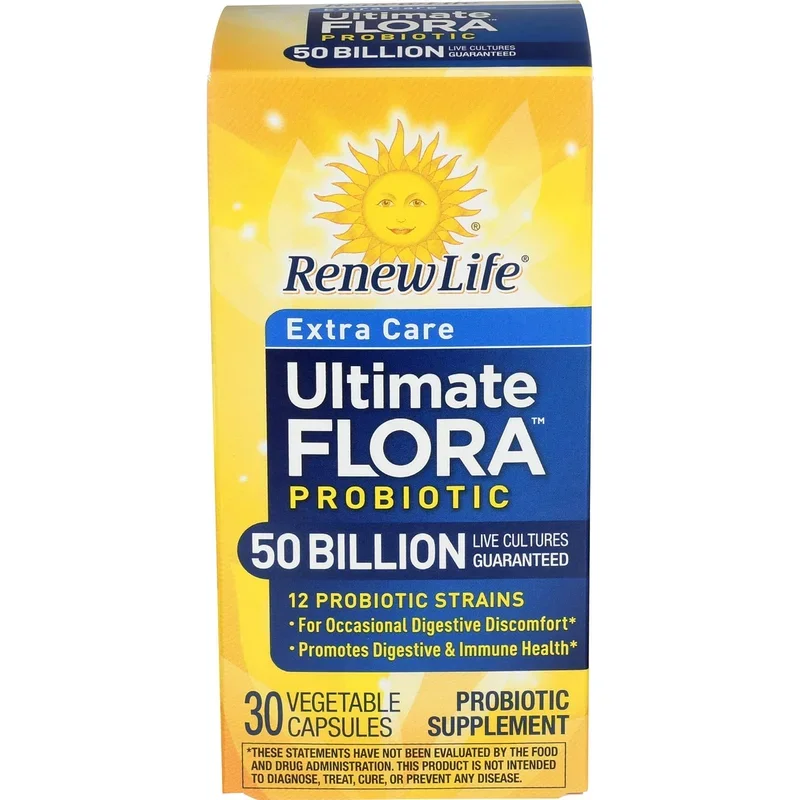
Once you sort by honesty rather than by the number on the front, the ranking looks nothing like a typical roundup. Nature's Way Fortify Adults 50+ scored 5.1 and was the only product above a Fair grade, because it guarantees 50 billion cultures through expiration. Culturelle followed at 4.9 for naming its exact strain, Lactobacillus rhamnosus GG, so you know which organism has the research behind it. From there the scores fall fast: Seed DS-01 at 3.9, Renew Life at 3.8, Align at 2.5, and Florastor last at 2.4 for labeling in milligrams instead of live cultures at all.
The finding that ties them together is the uncomfortable one: not a single one of the nine publishes an independent heavy-metal test result. In a category this opaque, the best probiotic is not the one with the biggest number on the label, it is the one that proves the most about what is actually in the bottle.
The criteria R3 evaluates for every probiotics
Heavy-Metal Testing & Disclosure, Independent Third-Party Verification (Identity/Purity/Potency), cGMP / Quality-Manufacturing Disclosure
CFU Guaranteed Through Expiration, Independently Verified Viable Count vs Label, Effective Dose (CFU per Serving)
Storage Requirement (Shelf-Stable vs Refrigerated), Allergen & Dietary Disclosure, Filler / Additive Transparency
Safety factors I look at closely when rating probiotics
Probiotics are agricultural powders that can carry trace contaminants, yet not one of the nine products I scored publishes an independent heavy-metal test result. Consumer Reports found the highest lead level in its probiotic testing was 33 ppb, in a MaryRuth Organics probiotic, which is modest next to the up-to-900 ppb it measured in some prenatal vitamins. The real problem is opacity: when no brand shows the number, you cannot tell a clean bottle from an untested one, and Physician's Choice 60 Billion at 3.0 rests on a third-party testing claim with no published report.
Favor brands that publish an actual contaminant test with numbers you can read, and treat an unpublished third-party tested claim as unverified rather than as proof of purity.
Most CFU counts are measured at manufacture, and live cultures die off in the bottle, so the front-of-box number can overstate what you actually swallow. The NIH Office of Dietary Supplements advises choosing a count guaranteed through the end of shelf life instead. Align 24/7, at 2.5, guarantees 1 billion cells at manufacture but only 10 million by its best-by date on its own label, a 99 percent drop over shelf life.
Look for the words guaranteed through expiration, as on Nature's Way Fortify Adults 50+ at 5.1, and be skeptical of any potency number quoted only at the time of manufacture.
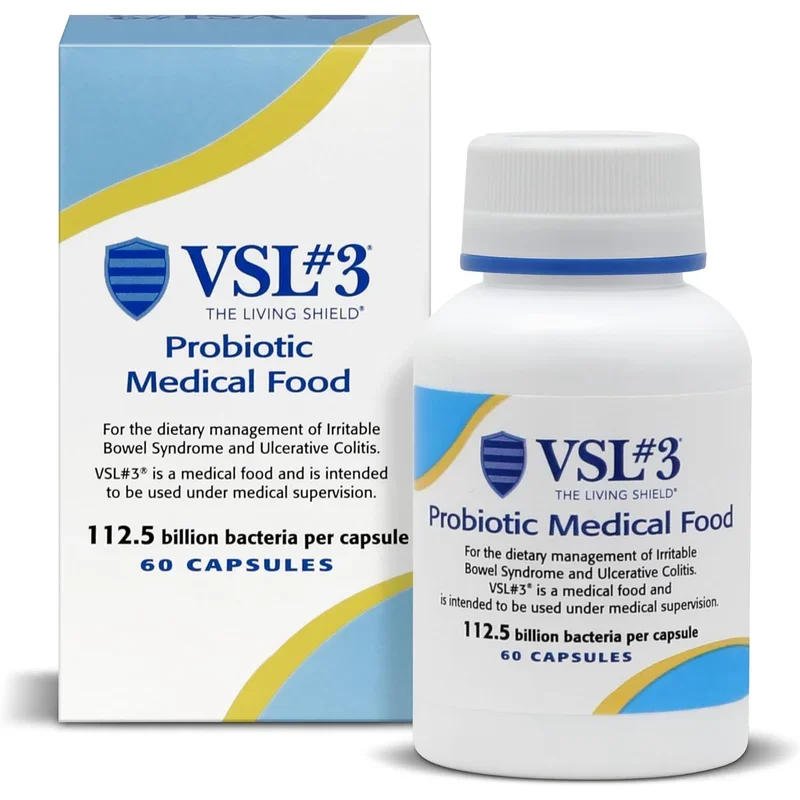
The International Scientific Association for Probiotics and Prebiotics states that probiotic benefits are strain-specific, so a label that names only the genus and species does not tell you whether the organism inside has research behind it. VSL#3 The Living Shield, at 4.4, packs 112.5 billion cultures but lists its bacteria only to the species level, so its high count cannot be matched to the studies that would justify it.
Choose products that print the full strain designation, like Culturelle at 4.9 with Lactobacillus rhamnosus GG, so you can confirm the exact organism has evidence behind it.
Independent testing repeatedly finds fewer live cells than the box promises. ConsumerLab has found some probiotics with less than half their labeled organisms, one with only 14 million viable cells, and independent lab Labdoor measured Garden of Life Raw Probiotics Kids, at 2.9, at about 2.4 billion viable cells against its 5 billion label, roughly 53 percent under.
Give extra weight to brands whose counts have been checked by an outside lab, and remember that a big unverified number can be worth less than a smaller guaranteed one.
Not every bottle states potency in the same units, which makes a side-by-side harder than it looks. Florastor Daily Probiotic, at 2.4, labels its dose in milligrams rather than live cultures at all, and Seed DS-01, at 3.9, lists 53.6 billion AFU, active fluorescent units, rather than CFU, and the two counts are not directly comparable. A bigger number in a different unit is not more probiotic.
Compare potency only within the same unit, and when a brand uses an unusual measure, lean on its strain naming and guaranteed-through-expiration status instead of the headline count.
Every product in our ranking is evaluated against these criteria. See how scores are calculated.
7 things I check before recommending
Almost every probiotic sells itself on one big number, the CFU count on the front of the box, and that number is the least reliable thing on the label, because it is usually measured at the factory and says nothing about strains, testing, or fillers. These steps put the highest-signal checks first, so you can shop for proof instead of billions. Start with whether the count is guaranteed through the expiration date, then move to strain-level naming, independent verification, potency units, and the filler and allergen list. Because probiotics are regulated as supplements rather than drugs, the FDA does not verify these claims before a product reaches the shelf, so the burden of proof sits with the brand and with you.
Start with a CFU count guaranteed through expiration
The single most useful line on a probiotic label is the one most brands leave off: a CFU count guaranteed through the expiration date, not at the time of manufacture. Live cultures die in the bottle, so a factory count tells you little about the dose you actually get, which is why the NIH Office of Dietary Supplements advises choosing products that guarantee the count through the end of shelf life. Nature's Way Fortify Adults 50+ does this with 50 billion cultures and scored 5.1, while Align guarantees 1 billion at manufacture but only 10 million by its best-by date. Make this your first filter.
Check for the strain, not just the genus
The next thing to check is whether the label names the actual strain, not only the genus and species. The International Scientific Association for Probiotics and Prebiotics states that a probiotic's benefits are strain-specific, so the research only applies if you know the exact strain in the bottle. Culturelle names Lactobacillus rhamnosus GG, one of the most-studied strains, and scored 4.9. VSL#3 packs 112.5 billion cultures but lists only species, so you cannot match its organisms to the studies. A big count of unnamed strains is billions you cannot verify.
Ask whether anyone independent checked the count
After strains, ask whether an outside lab has verified the count actually in the bottle, because this is where the label and reality tend to part ways. ConsumerLab testing has found some probiotics with less than half their labeled organisms, one with only 14 million viable cells. Independent lab Labdoor measured Garden of Life Raw Probiotics Kids at about 2.4 billion viable cells against a 5 billion label, roughly 53 percent under, which is part of why it scored 2.9. A number no one has checked is a marketing claim, not a dose.
Treat a third-party tested claim as unverified until you see the result
Be careful with the phrase third-party tested, because a claim is not a result, and several brands say they test but never publish the numbers you would need to check. Renew Life Extra Care 50B scored 3.8 and Physician's Choice 60 Billion scored 3.0, and both rest on a third-party testing claim with no published report. The brands worth extra trust are the ones that show you the actual test, and in this category none of the nine published a heavy-metal result at all. Treat an unpublished claim as unverified rather than as proof.
Know that AFU is not the same as CFU
Watch for units that quietly change the comparison. Seed DS-01 labels its potency as 53.6 billion AFU, active fluorescent units, rather than CFU, colony forming units, and the two are not directly comparable, so a bigger AFU number does not mean more live culture than a smaller CFU one. Seed does name all 24 of its strains, which earned real credit and a 3.9, but the unit switch means you cannot line it up against a CFU-labeled bottle. When the unit is unusual, compare within the same unit or not at all.
Read the inactive ingredient list, not just the culture count
The culture count says nothing about what surrounds it, so read the inactive ingredients too. Fillers and flow agents like magnesium stearate and maltodextrin show up in many capsules, and some brands add colorants a probiotic does not need. Align 24/7 adds titanium dioxide, a whitening colorant that does nothing for gut health, and scored 2.5. If you are buying for a kid or a sensitive stomach, a shorter, cleaner inactive list is worth more than a higher number on the front.
Match the format to how you will actually store it
Finally, match the format to your routine, because some high-count probiotics only hold their cultures cold. VSL#3 at 112.5 billion cultures and Garden of Life Raw Probiotics Kids are both refrigerated, which protects potency but means the bottle cannot sit in a warm cabinet or travel in a bag. A shelf-stable product is more forgiving, as long as its guaranteed-through-expiration count already accounts for room-temperature storage. Buy the format that fits your real life, not the one that looks strongest on the shelf.
Real questions families ask about probiotics — answered with the data behind every score.