Non-toxic hand sanitizers · Checked for benzene, methanol & alcohol strength
Which hand sanitizers are actually safe for kids?
I ranked them on what the label hides: whether they're free of benzene and methanol, whether the alcohol is actually strong enough to work, and whether they'll wreck sensitive hands. A few well-known names have been recalled, and the gentlest picks are not the priciest.

By Renee Torres, R3 Research Lead·Updated Oct 2026
8 products · 8 brands40+ hrs researchNo brand pays us
Get the Hand Sanitizer shortlist, free
The picks that cleared safety, what to skip, and why price didn’t predict the winner.
No spam. Unsubscribe any time.
All Hand Sanitizer Rankings
8 of 8 products
$5.99
$4.99
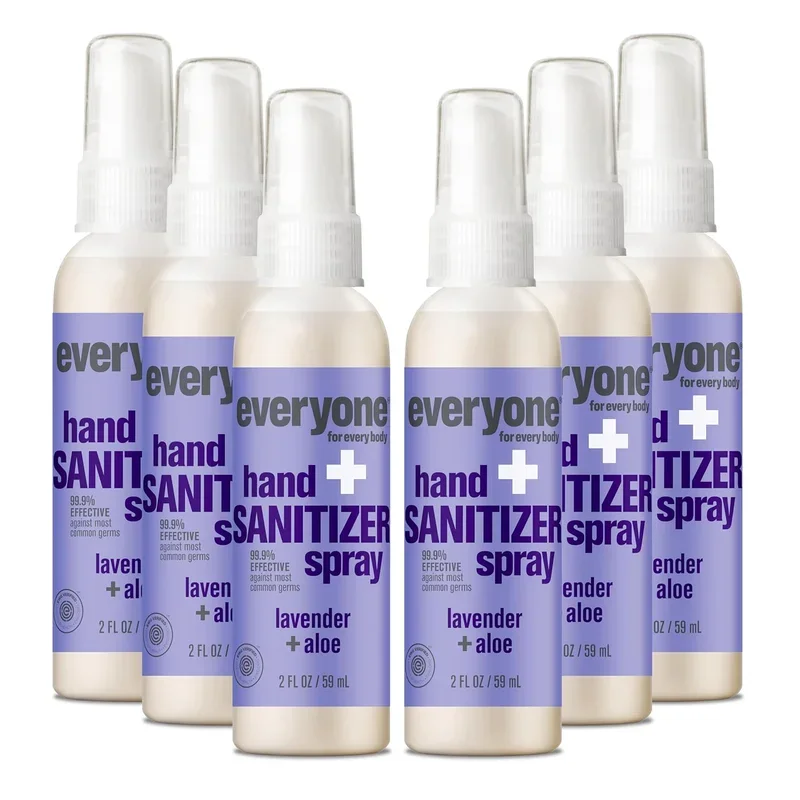
$7.99
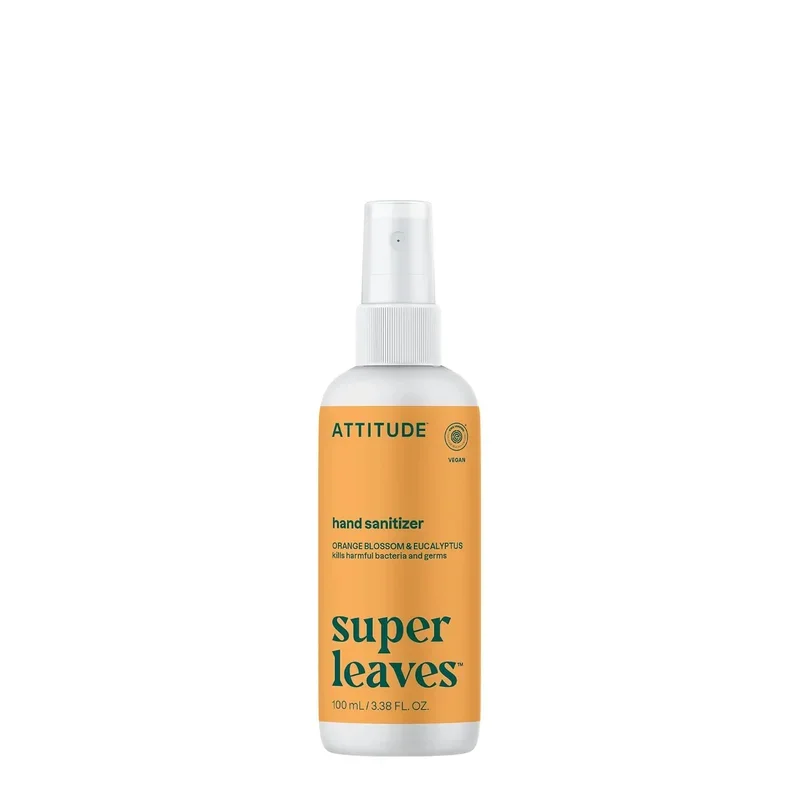
$5.99
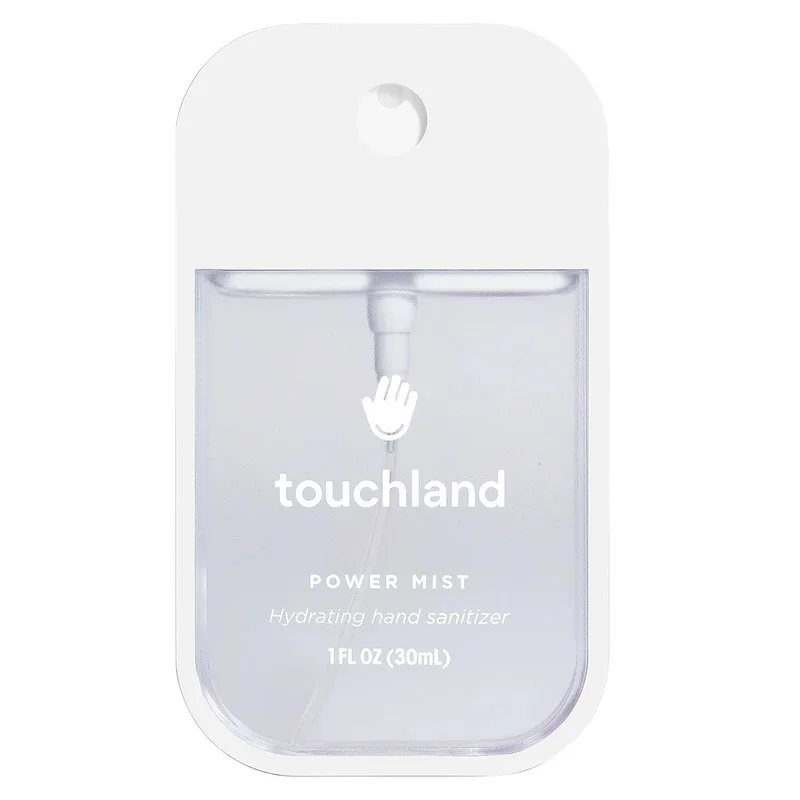
| Product | Benzene / Methanol Contamination Testing | Germ-Kill Strength (derived) | Skin Conditioning Agents | Score | Price | Actions |
|---|---|---|---|---|---|---|
| Unlock safety data | 9.7 | $5.99 | ||||
| Unlock safety data | 9.0 | $4.99 | ||||
| Unlock safety data | 8.8 | $7.99 | ||||
| Unlock safety data | 8.8 | $5.99 | ||||
| Unlock safety data | 8.6 | $10 |
Not all 8 hand sanitizer cleared our safety screen.
See which ones we flagged, which failed, and which ranked #1.
See which of these 8 products actually passed our safety screen
Free account unlocks full safety test results, complete spec breakdowns, and what disqualified the ones that didn't make the list.
Already have an account?Sign in
R3 Benzene Testing Audit
Which bottles were actually tested for benzene
Benzene is a carcinogen that rides in as a contaminant, not a listed ingredient, so a clean label proves nothing. After Valisure found it in dozens of sanitizer batches, the FDA could warn but not force testing. Only the picks with an independent lab result have actually proven the bottle is clean.
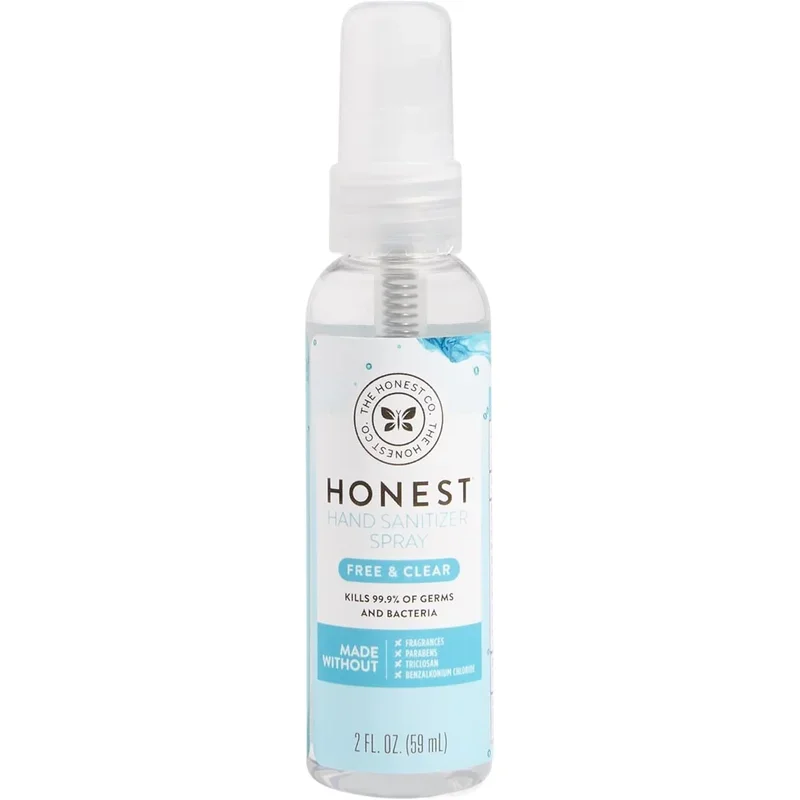
Independently tested clean: Dr. Bronner's Organic Hand Sanitizer Spray, Lavender. An independent lab or a published certificate confirms benzene below the limit and no methanol.
The other 7 have no published benzene test at all. They have not been flagged, but no independent lab has confirmed them clean either. See the Testing column in the ranking above.
Renee's Take · Oct 2026
Which hand sanitizers are actually safe for your family, and which were recalled for benzene?
If you keep a bottle in the diaper bag and another by the door, the two questions that actually matter are whether it works and whether it is clean. Both are harder to answer than they should be. In 2021 the independent lab Valisure tested 168 brands and found benzene, a known carcinogen, in 21 of them, with one product measuring 16.1 parts per million against an FDA limit of 2. Benzene is not an ingredient anyone adds, it is a contaminant that slips in through manufacturing, and here is the part that surprised me most: the FDA can only warn about it, it cannot force a recall. That means the job of checking falls to you. I ranked these on what you can verify from the label and the drug facts panel, the active ingredient and its strength, whether the scent is disclosed or hidden, and whether the formula will wreck the hands of the person using it ten times a day.
What Matters Most?
The criteria R3 evaluates for every hand sanitizer
Safety
Benzene / Methanol Contamination Testing, Active Ingredient Safety, Fragrance Transparency
Efficacy
Germ-Kill Strength (alcohol % / active class), FDA OTC Drug Compliance
Usability
Skin Conditioning (non-drying)
What to Watch For
Safety factors I look at closely when rating hand sanitizer
Benzene and methanol contamination you cannot see
This is the concern that defines the category. Benzene is a carcinogen that enters through manufacturing, and in 2021 an independent lab found it above the FDA's 2 ppm limit in 21 of 168 brands tested, with the worst at 16.1 ppm. Separately, dozens of products, mostly cheap imports, were recalled for containing methanol, which is toxic and can cause blindness. The FDA cannot force these recalls, it can only publish a do-not-use list.
Avoid any product on the FDA do-not-use list, buy fresh in-date bottles from established brands, and know that no brand yet publishes a benzene test for the specific bottle you buy, so a clean label is a reason for confidence, not proof.
'Fragrance' as a catch-all for undisclosed chemicals
The word fragrance on a label can legally hide a mixture of undisclosed ingredients, including phthalates associated with hormone disruption. On something you rub into your skin several times a day, that is worth avoiding when you can.
Related Categories
Other categories families browse alongside this one.