What is tampon absorbency (regular, super, super plus) and why does it matter?
Tampon absorbency is an FDA-standardized rating of how much fluid a tampon holds, labeled Light, Regular, Super, and Super Plus. Using the lowest absorbency that handles your flow is the single most important step to lower toxic shock syndrome risk.
Renee · Founder & Lead Researcher, R3
We score every product the same way and never accept brand payment. We may earn a commission from some links, which never changes a score. How we stay independent.
Quick facts
Get the research before you buy
New picks and safety research, no spam, no sponsors.
The claim: A more absorbent tampon is safer because it leaks less.
The reality: The opposite, for TSS risk. A tampon more absorbent than your flow needs is the main toxic shock risk factor. Use the lowest absorbency that handles your flow, and change it on schedule.
Tampon absorbency is the rating, printed on every box, of how much menstrual fluid a tampon is designed to hold. Thanks to the FDA, these terms are standardized, so 'Regular' from one brand absorbs the same range as 'Regular' from another. That was not always true, and the standardization came directly out of the toxic shock syndrome crisis of the early 1980s.
From least to most absorbent:
Here is the rule that matters most: use the lowest absorbency that handles your flow. A tampon more absorbent than you need is the central, well-documented risk factor for toxic shock syndrome. The early-1980s outbreak was tied to super-absorbent tampons, and the simple fix, matching absorbency to flow, is what the FDA, CDC, and Mayo Clinic all recommend.
A quick self-check: if you can wear a tampon for the full recommended time and it is not close to saturated when you remove it, you are using one that is too absorbent. Size down.
This is why R3 treats a brand offering a full range, light through super-plus, as a small positive: it lets you match absorbency to your actual flow on every day of your cycle, including the light days when a lower absorbency is safest.

Matching absorbency to flow is the top TSS-prevention step, so R3 gives a small positive to brands offering light through super-plus, which lets you size down safely on light days.
How to reduce exposure
Match absorbency to your flow and size down on light days. If a tampon is not nearly saturated at removal, it is too absorbent. A brand with a full range makes this easy.
Who is most at risk
Ranges & recommendations
Look for these
Watch out for
What this does NOT cover
Absorbency is about fluid capacity and TSS risk. It does not tell you about materials, metals, PFAS, or bleaching.
How to verify
Absorbency is standardized and printed on every box (Light, Regular, Super, Super Plus). The fluid-capacity ranges are set by the FDA, so they are consistent across brands.
How to check this spec
Read the standardized absorbency name on the box; the FDA fixes the gram ranges
What to look for
What this means for your family
Every product scored on safety, efficacy, and usability - so you know which tampons to trust around tampon absorbency (regular, super, super plus).
Get the Tampons shortlist, free
The picks that cleared safety, what to skip, and why price didn’t predict the winner.
No spam. Unsubscribe any time.
They are an FDA-standardized rating of how much fluid a tampon holds: Light (up to 6g), Regular (6 to 9g), Super (9 to 12g), and Super Plus (12 to 15g). Because they are standardized, 'Regular' means the same range across every brand, which helps you match absorbency to your flow.
The lowest one that handles your flow. Using a higher absorbency than you need is the main risk factor for toxic shock syndrome. A good check: if your tampon is not close to saturated when you remove it at the recommended time, switch to a lower absorbency.
Yes. A tampon more absorbent than your flow requires is the central documented risk factor for toxic shock syndrome, which is why the early-1980s outbreak was tied to super-absorbent tampons. Matching absorbency to flow, recommended by the FDA, CDC, and Mayo Clinic, is the simplest prevention step.
Yes, by law. The FDA standardized absorbency labeling after the toxic shock syndrome crisis, so Light, Regular, Super, and Super Plus correspond to the same fluid-capacity ranges no matter which brand you buy. That lets you size down with confidence.
Light absorbency (up to about 6 grams) is designed for light flow. Using the lowest absorbency that handles your flow, including a Light or Regular on lighter days, lowers TSS risk. A brand that offers a full range makes it easy to size down when your flow is light.

Lola
LOLA 100% Organic Cotton Tampons, Regular, Cardboard Applicator
$14.99

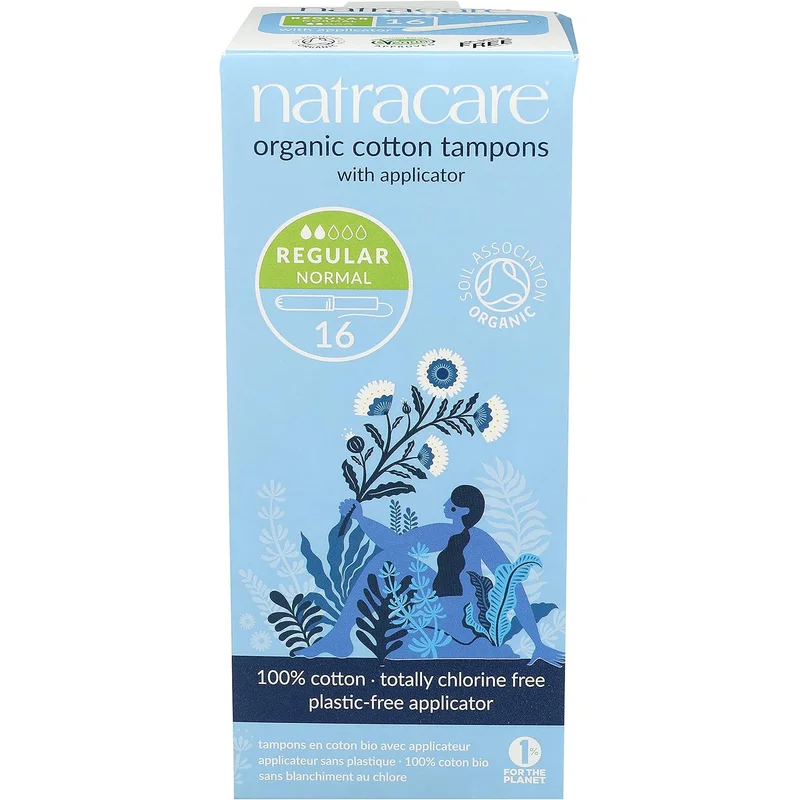
Natracare
Natracare Organic Cotton Tampons, Regular, Cardboard Applicator
$8.99

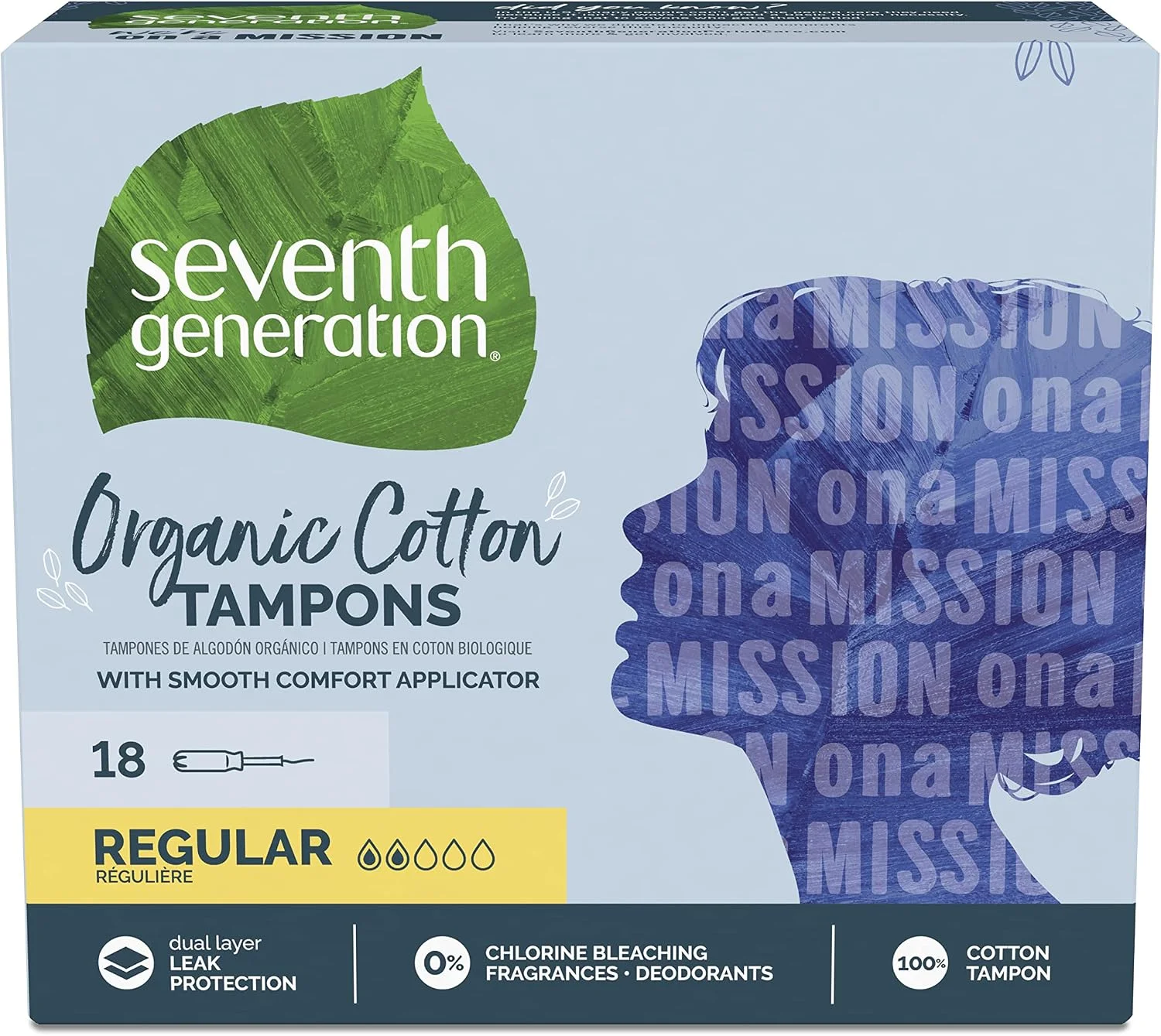
Seventh Generation
Seventh Generation Organic Cotton Tampons, Regular, Comfort Applicator
$7.49

The Honey Pot Company
The Honey Pot Company Organic Cotton Core Tampons, Regular
$7.99

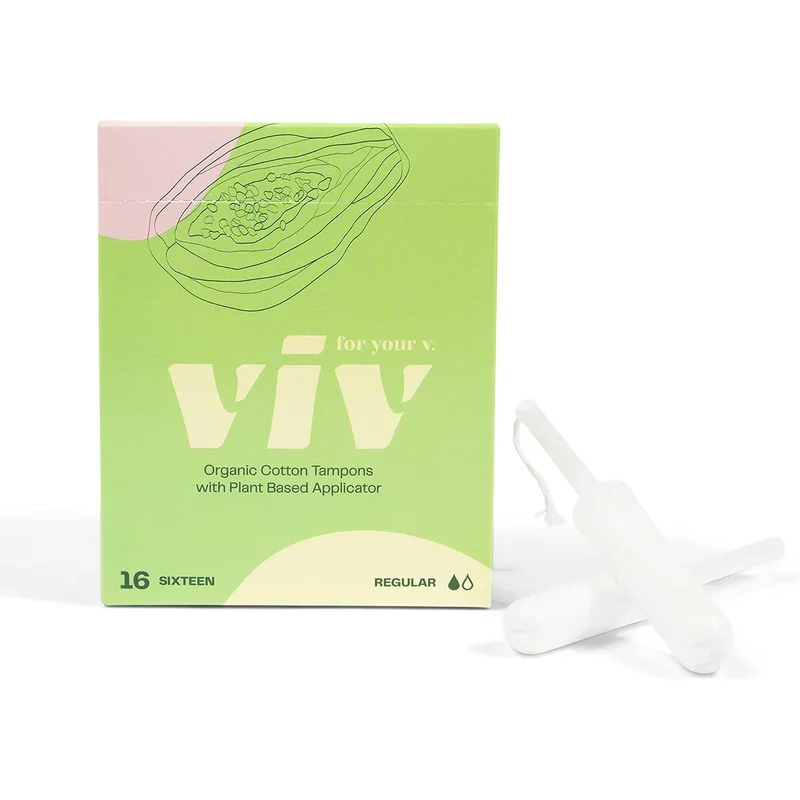
Viv for Your V
Viv for Your V 100% Organic Cotton Tampons, Regular, Plant-Based Applicator
$9.99

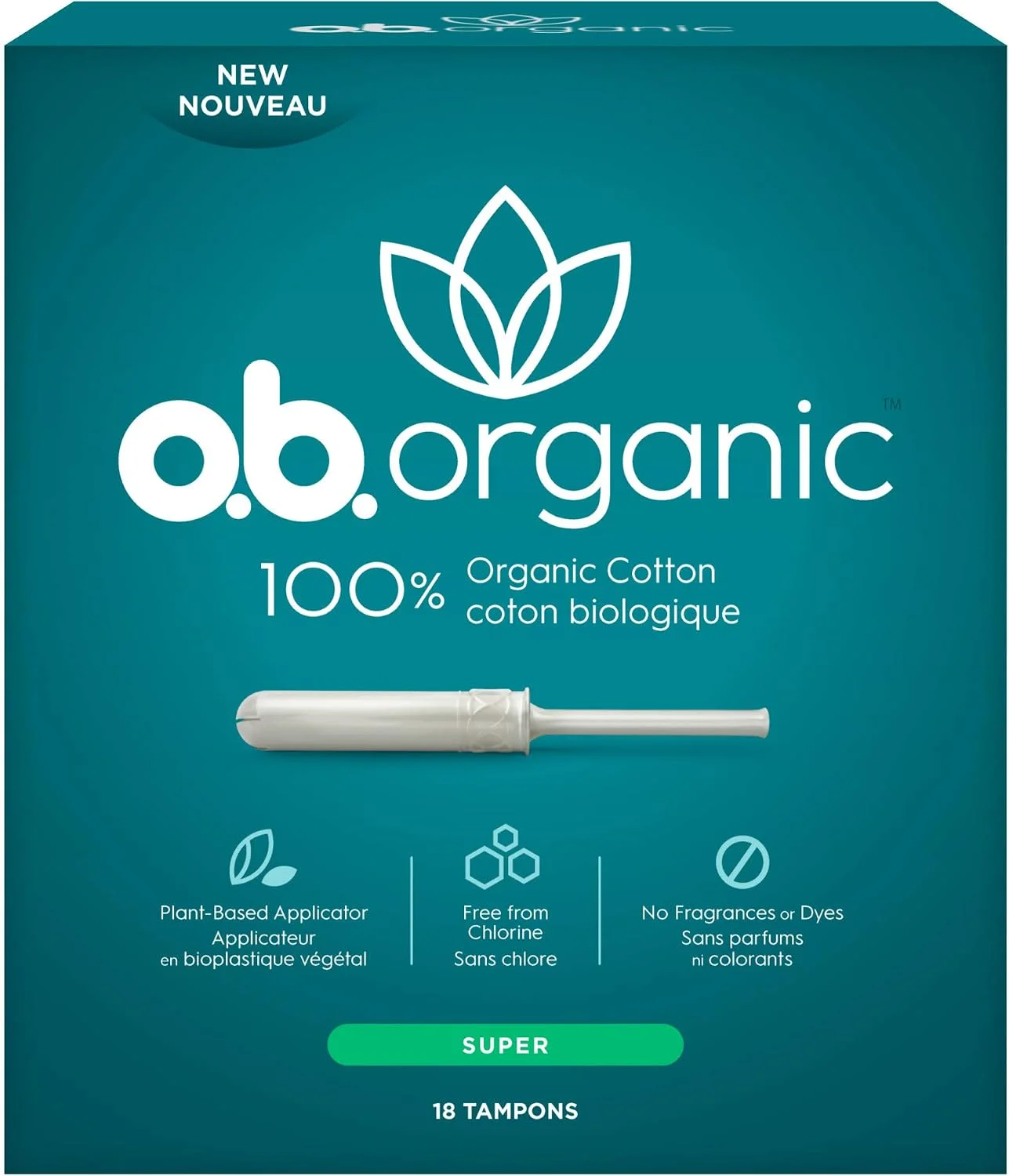
o.b.
o.b. Organic 100% Organic Cotton Tampons, Regular
$6.99