Non-toxic menstrual pads · Checked for PFAS, fragrance & bleaching
Which menstrual pads are actually non-toxic?
Pads are regulated as medical devices, so the box doesn't have to tell you what's inside, and independent testing found PFAS in nearly half the pads it checked, including ones labeled 'organic.' I sorted {count} brands by who actually tests what touches your skin and shows the results, versus who just prints 'natural' on the wrapper.

By Renee Torres, R3 Research Lead·Updated Oct 2026
6 products · 6 brands40+ hrs researchNo brand pays us
Get the Menstrual Pads shortlist, free
The picks that cleared safety, what to skip, and why price didn’t predict the winner.
No spam. Unsubscribe any time.
All Menstrual Pads Rankings
6 of 6 products
$8.33
$7.83
$10.49
$8.99
| Product | Third-Party PFAS / Organic-Fluorine Finished-Product Testing | Measured Absorbency (lab grams) | Hypoallergenic / Dermatologist-Tested | Score | Price | Actions |
|---|---|---|---|---|---|---|
| Unlock safety data | 9.7 | $8.33 | ||||
| Unlock safety data | 9.7 | $7.83 | ||||
| Unlock safety data | 8.8 | $11 | ||||
| Unlock safety data | 6.3 | $10.49 | ||||
| Unlock safety data | 6.2 | $8.99 |
Not all 6 menstrual pads cleared our safety screen.
See which ones we flagged, which failed, and which ranked #1.
See which of these 6 products actually passed our safety screen
Free account unlocks full safety test results, complete spec breakdowns, and what disqualified the ones that didn't make the list.
Already have an account?Sign in
Compare Menstrual Pads head-to-head
R3 PFAS Audit
Organic cotton doesn't mean PFAS-free
Independent testing found PFAS in roughly half the pads it checked, including several sold as organic cotton, and not one brand publishes its own PFAS test. We rank on what the lab actually found, not on the organic label.
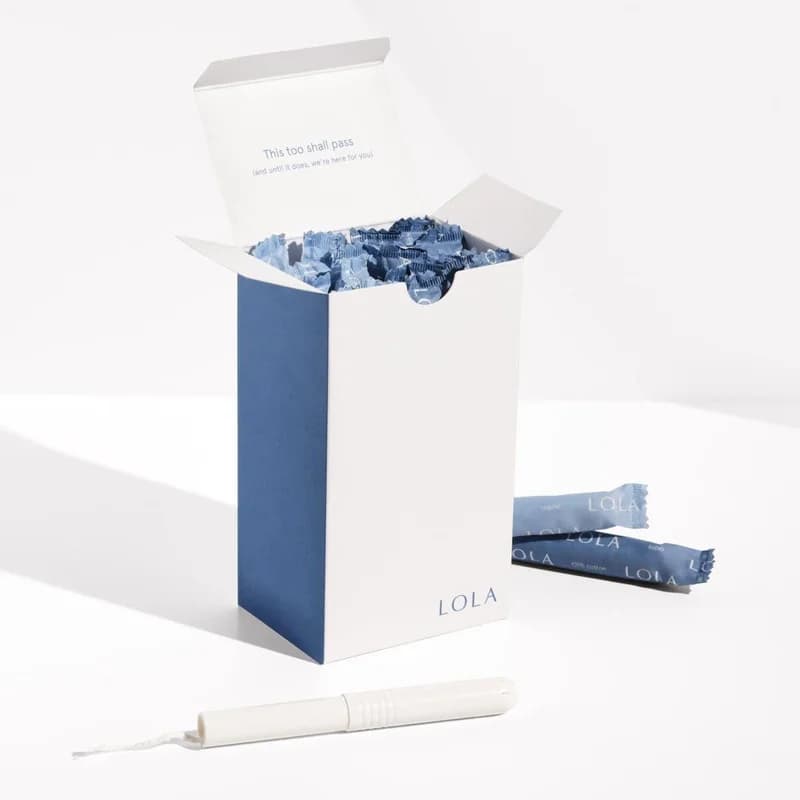
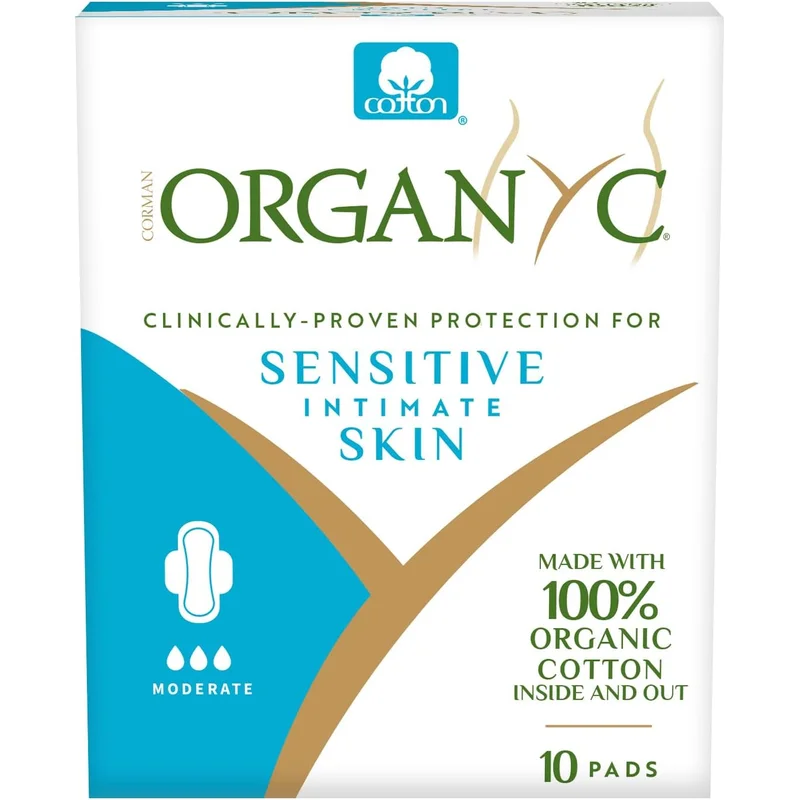
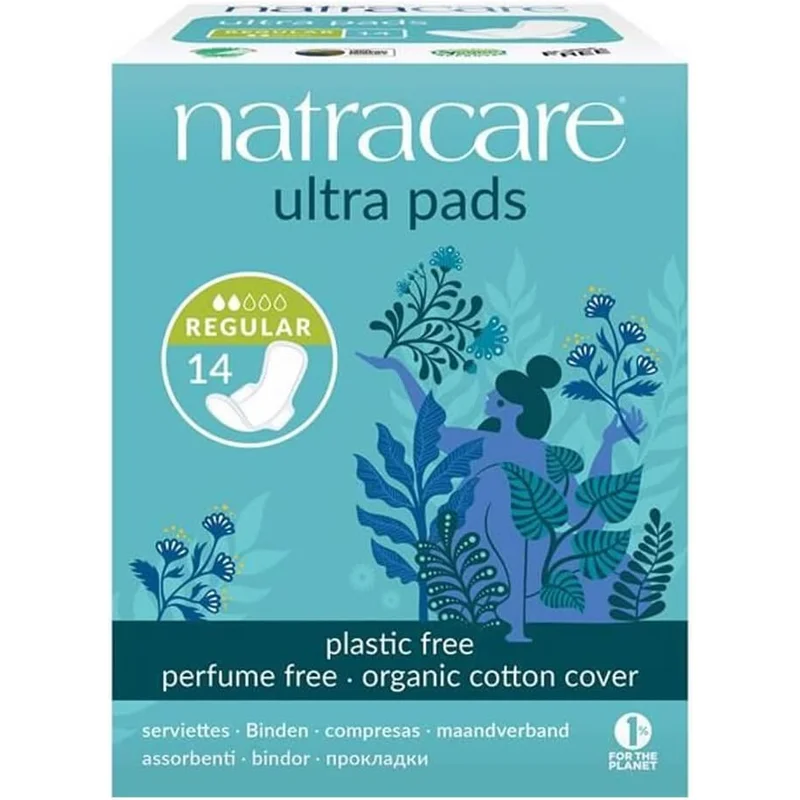
Lab-tested, no PFAS found: Organyc Organic Cotton Pads, Moderate Flow, Natracare Ultra Pads with Wings, Regular, LOLA Ultra Thin Liners, Organic Cotton. An independent lab found no detectable PFAS. No brand publishes its own test, so this is third-party data, not a company claim.
Sold as organic, PFAS detected: Cora Organic Cotton Topsheet Pads, Regular (pfas detected); The Honey Pot Company The Honey Pot Cotton Comfort Regular Pads (Non-Herbal). Marketed as organic cotton, yet an independent lab detected PFAS and the brand publishes no test.
Renee's Take · Oct 2026
Why an organic cotton pad can still test positive for PFAS
If you went looking for a cleaner pad after a forever-chemicals headline, you probably reached for the box that says organic cotton. That is the reasonable move, and it is also the trap, because pads are regulated as medical devices, so the wrapper legally does not have to tell you what is inside. The one word most shoppers lean on, organic, describes how the cotton was grown, not what an independent lab would find in the finished pad.
That gap is not hypothetical. Independent testing by Mamavation and Environmental Health News, using an EPA-certified method for organic fluorine, checked about 22 pad and liner products and found PFAS markers in nearly half, including several sold as organic cotton. No pad brand publishes its own finished-product PFAS test, so the only evidence that exists is third-party, which means the organic label on the front is doing more work in your head than in a lab.
So I did not rank these six pads and liners on their label. R3 scores them on whether an independent lab actually detected PFAS, plus the topsheet material against your skin, chlorine-free bleaching, added fragrance, and how fully the brand discloses the stack. Organyc Organic Cotton Pads and Natracare Ultra Pads tied at the top, both 9.7 out of 10, pairing certified organic cotton with a PFAS non-detect result and totally chlorine-free processing. LOLA's organic cotton liner follows at 8.9 for light days. Lower down, an independent lab detected organic fluorine, a PFAS marker, in Cora at 6.3 and The Honey Pot at 6.2, both sold as organic cotton, while the scented Always Radiant at 3.7 stacked synthetic materials and fragrance on top.
The pattern is the one the organic aisle quietly depends on you not noticing: a pad earns trust by testing clean, not by printing clean on the wrapper.
What Matters Most?
The criteria R3 evaluates for every menstrual pads
Safety
Third-Party PFAS / Organic-Fluorine Finished-Product Testing, Phthalate / Adhesive & Backsheet Disclosure, Bleaching Process (dioxin/furan avoidance)
Efficacy
Measured Absorbency (lab grams, not a size label), Leak / Runoff Protection (lab-verified)
Usability
Hypoallergenic / Dermatologist-Tested
What to Watch For
Safety factors I look at closely when rating menstrual pads
PFAS, and no brand's own test
Independent testing by Mamavation and Environmental Health News found PFAS markers, measured as organic fluorine, in nearly half of about 22 pad and liner products, including some sold as organic cotton. PFAS are persistent chemicals linked to hormone and immune effects, and because no pad brand publishes a finished-product PFAS test, the only evidence is third-party.
Favor a pad that tested non-detect in independent lab testing, like Organyc or Natracare, over one that only says organic. Where no test exists, treat PFAS status as unverified rather than safe.
Dioxins from chlorine bleaching
Chlorine bleaching of the cotton or wood pulp can leave traces of dioxins and furans, byproducts that are carcinogenic and hormone-disrupting. The cleaner brands have moved to totally chlorine-free processing, but conventional pads often do not disclose how they whiten the material at all, which leaves you guessing.
Related Categories
Other categories families browse alongside this one.