Non-toxic kids underwear · Tested for fiber, dyes and children's chemical limits
Which kids underwear is actually non-toxic?
I checked what everyday kids' underwear is actually made of and treated with, held to the stricter chemical limits for children's products. Most character multipacks are plastic with heavy prints against your child's skin, and only a few use fiber, dyes and finishes I would trust.

By Renee Torres, R3 Research Lead·Updated Oct 2026
7 products · 6 brands40+ hrs researchNo brand pays us
Get the Kids Underwear shortlist, free
The picks that cleared safety, what to skip, and why price didn’t predict the winner.
No spam. Unsubscribe any time.
All Kids Underwear Rankings
7 of 7 products
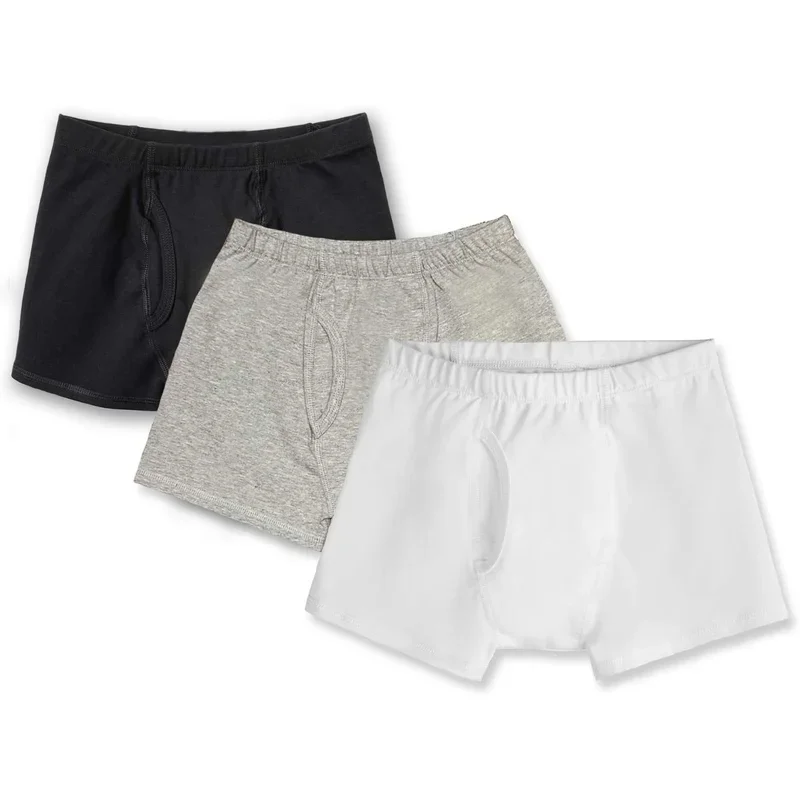
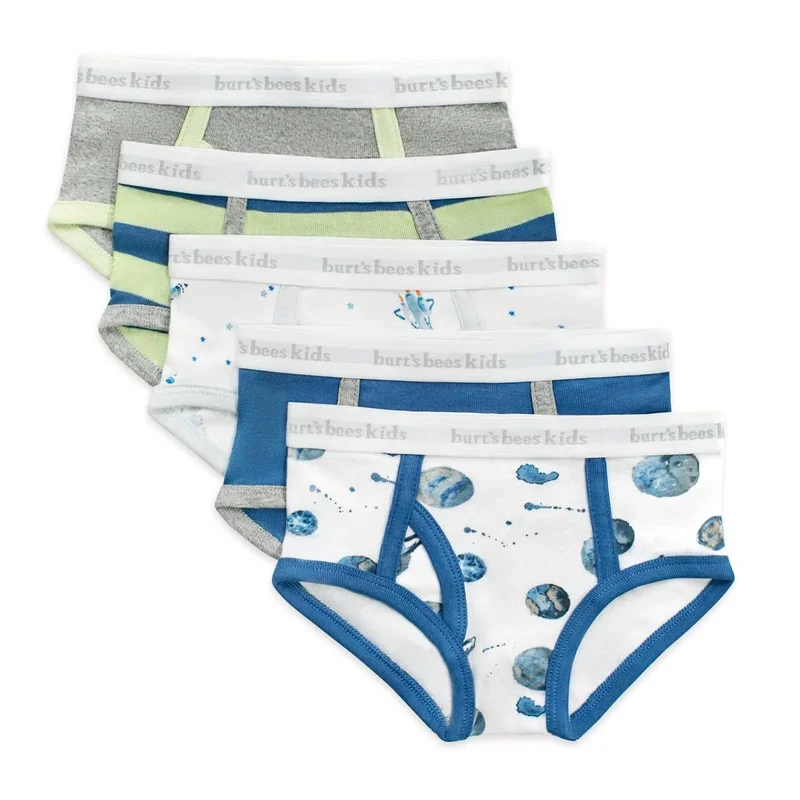
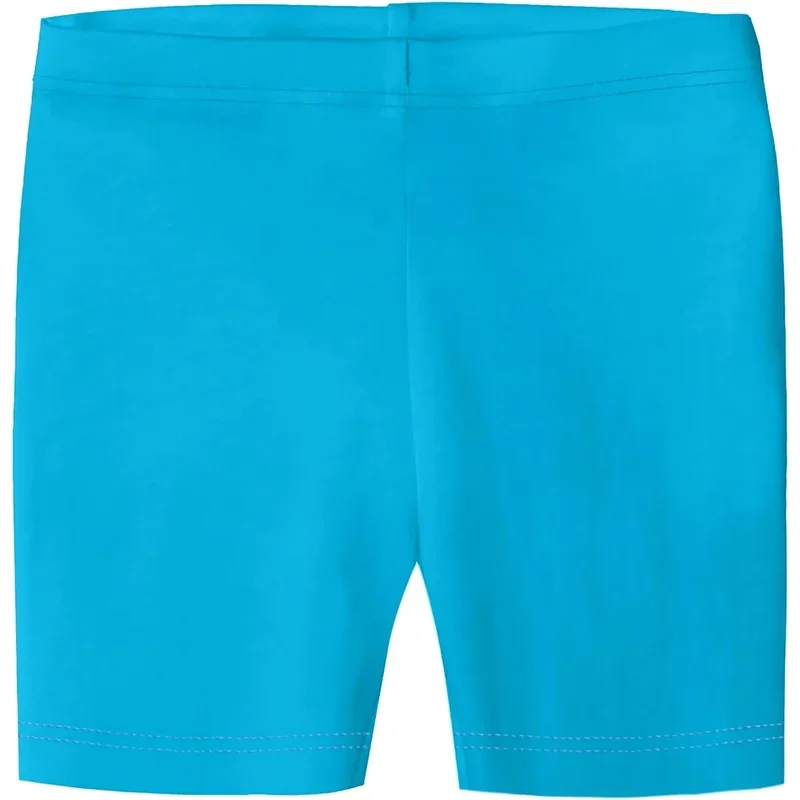
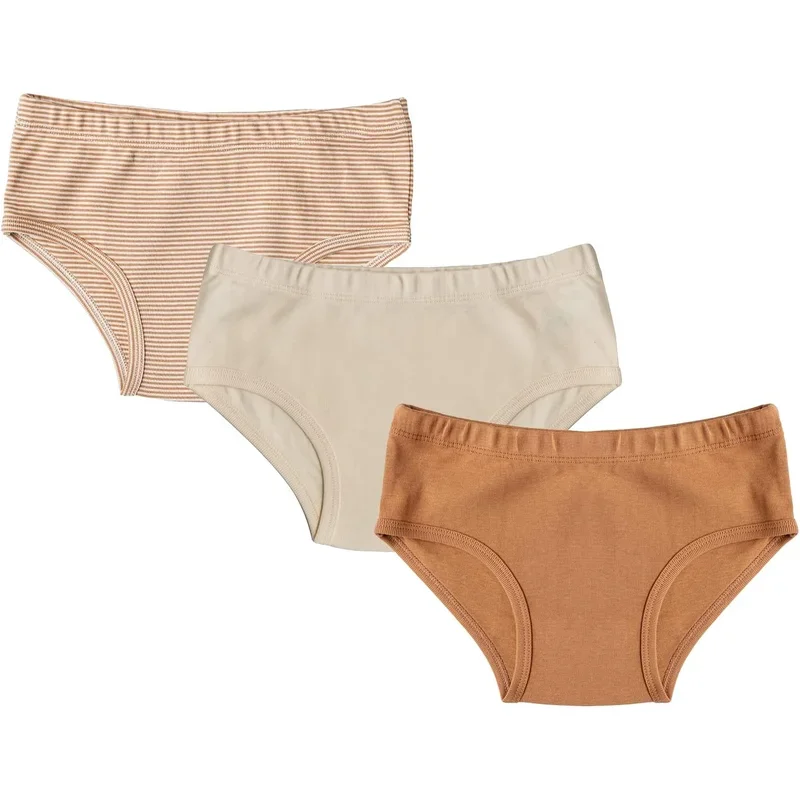
| Product | PFAS / Total Organic Fluorine Result or Compliance | Primary Fiber Type (moisture/comfort) | Sensory Construction (tagless / seamless / flat-seam) | Score | Price | Actions |
|---|---|---|---|---|---|---|
| Unlock safety data | 7.4 | $7 | ||||
| Unlock safety data | 7.2 | $6 | ||||
| Unlock safety data | 6.8 | $5 | ||||
| Unlock safety data | 5.9 | $10 | ||||
| Unlock safety data | 5.8 | $2 |
Not all 7 kids underwear cleared our safety screen.
See which ones we flagged, which failed, and which ranked #1.
See which of these 7 products actually passed our safety screen
Free account unlocks full safety test results, complete spec breakdowns, and what disqualified the ones that didn't make the list.
Already have an account?Sign in
R3 Print & Component Audit
It's cotton, but what's printed on it?
Kids underwear is held to stricter chemical limits than adult underwear, but the cotton fabric is exempt from lead testing while the prints, snaps and character logos are not. The pairs worth trusting either skip prints or carry a certificate that covers the prints too. A "100% cotton" label says nothing about the lead and phthalates in a plastisol character print.
Prints covered by certification: Burt's Bees Baby Toddler Organic Cotton Briefs, City Threads Organic Cotton Sensory-Friendly Underwear, Hanes Toddler Pure Comfort 100% Cotton Briefs. The organic or OEKO-TEX certificate covers the prints and trims, so the lead and phthalate limits are verified rather than assumed.
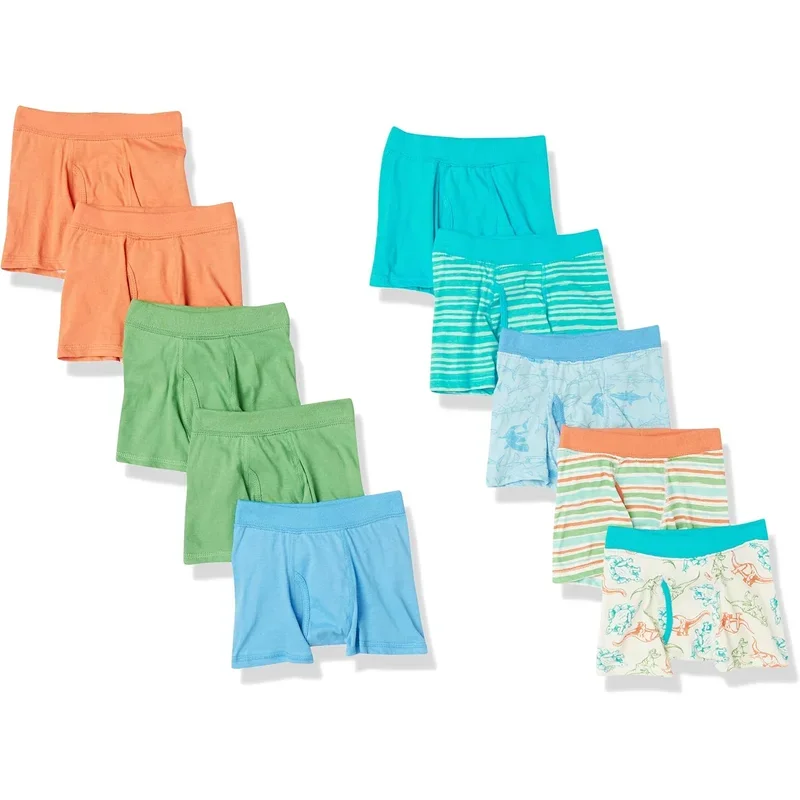
Heavy prints, no testing disclosed: Fruit of the Loom Toddler Assorted Print Boxer Briefs; . Character or allover prints with no lead or phthalate test, the exact non-textile component children’s rules target.
Renee's Take · Oct 2026
The cleanest kids underwear certifies its prints, not just its cotton
If you have been searching for something like non toxic kids underwear or organic cotton toddler underwear, you have probably found the same split I did: a wall of clean-sounding brands on one side and cheap character multipacks on the other, with no one telling you what is actually printed onto either. The reassuring part is that children's clothing is held to stricter chemical rules than adult clothing. The catch is where those rules stop.
Here is the detail almost no label mentions. Under the federal children's product law, the total lead content limit for anything a child wears is 100 parts per million, but the U.S. Consumer Product Safety Commission has determined that plain cotton and other fiber textiles do not need to be tested for lead. The prints, snaps and plastisol character logos are a different story, because those non-textile components are not covered by that exemption. So on a printed kids multipack, the cotton is the part that is exempt and the print is the part that actually needs checking, which is the exact reverse of what a 100% cotton label implies.
That is what reorders this category. The three pairs that carry a GOTS certification, ORGANICKID at 7.4, Mightly at 7.2 and Burt's Bees Baby at 6.8, score at the top because that certificate covers the dyes and prints as well as the fiber. A genuinely organic, made-in-USA pair from City Threads that carries no certification lands at 5.9, right alongside a mainstream 100% cotton Hanes multipack at 5.8, because an organic claim you cannot verify does not score above a plain cotton one. The heavily printed Fruit of the Loom assorted-print pack falls to 5.0.
The pattern is simple once you see it: cotton is the easy part, and the pairs worth trusting are the ones that certify what is printed on top of it.
What Matters Most?
The criteria R3 evaluates for every kids underwear
Safety
PFAS / Total Organic Fluorine Result or Compliance, Children's Print / Component Chemistry (lead, phthalates, plastisol), Fiber Content Disclosure (opacity meta-signal)
Efficacy
Moisture & Comfort (fiber type)
Usability
Sensory Construction (tagless / seamless / flat-seam)
What to Watch For
Safety factors I look at closely when rating kids underwear
Lead and phthalates in prints, not the cotton
The federal children's product limit for total lead content is 100 parts per million, but the Consumer Product Safety Commission exempts plain fiber textiles from lead testing, so the risk concentrates in the prints, plastisol logos and snaps that are not exempt. The eight phthalates restricted to 0.1% in children's products are the plasticizer in PVC and plastisol screen prints. A cotton label speaks for the exempt part of the garment, not the printed part.
For printed or character multipacks, choose a pair whose GOTS or OEKO-TEX certificate covers the prints, like ORGANICKID at 7.4 or Mightly at 7.2, rather than trusting a 100% cotton claim to speak for the graphics.
Organic claims with no certificate
Organic certifies how the cotton was grown, not the dyes and finishes added afterward, and a brand can say organic or non-toxic without any third-party test behind it. In my ranking a genuinely organic but uncertified pair scored 5.9, level with a plain mainstream cotton multipack at 5.8, because an unverifiable claim does not earn more trust than a verifiable plain one.
Related Categories
Other categories families browse alongside this one.