Kids sunscreen · Filter safety on both sides, lab-checked
Which kids sunscreens are actually safe, mineral or chemical?
Parents are told mineral is the safe choice and chemical is the scary one, but some mineral formulas carry trace heavy metals and some chemical sprays got recalled for benzene. I looked at what is actually in {count} kids sunscreens, on both sides, and which ones still rub in without a white cast.

By Renee Torres, R3 Research Lead·Updated Oct 2026
7 products · 7 brands40+ hrs researchNo brand pays us
Get the Kids Sunscreen shortlist, free
The picks that cleared safety, what to skip, and why price didn’t predict the winner.
No spam. Unsubscribe any time.
All Kids Sunscreen Rankings
7 of 7 products
$22.95
$15.99
$17.99
$17.99
| Product | Publishes Third-Party Heavy-Metal / Contaminant Testing | SPF Value | Tear-Free / Won't Sting | Score | Price | Actions |
|---|---|---|---|---|---|---|
| Unlock safety data | 7.8 | $19 | ||||
| Unlock safety data | 7.8 | $22.95 | ||||
| Unlock safety data | 7.8 | $15.99 | ||||
| Unlock safety data | 7.8 | $17.99 | ||||
| Unlock safety data | 7.6 | $17.99 |
Not all 7 kids sunscreen cleared our safety screen.
See which ones we flagged, which failed, and which ranked #1.
See which of these 7 products actually passed our safety screen
Free account unlocks full safety test results, complete spec breakdowns, and what disqualified the ones that didn't make the list.
Already have an account?Sign in
Compare Kids Sunscreen head-to-head
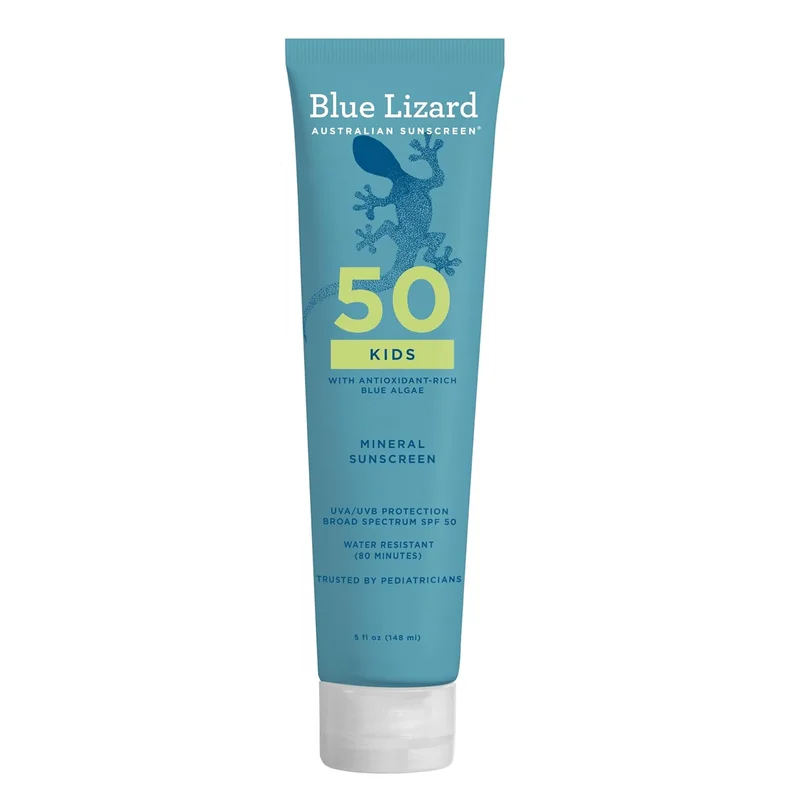
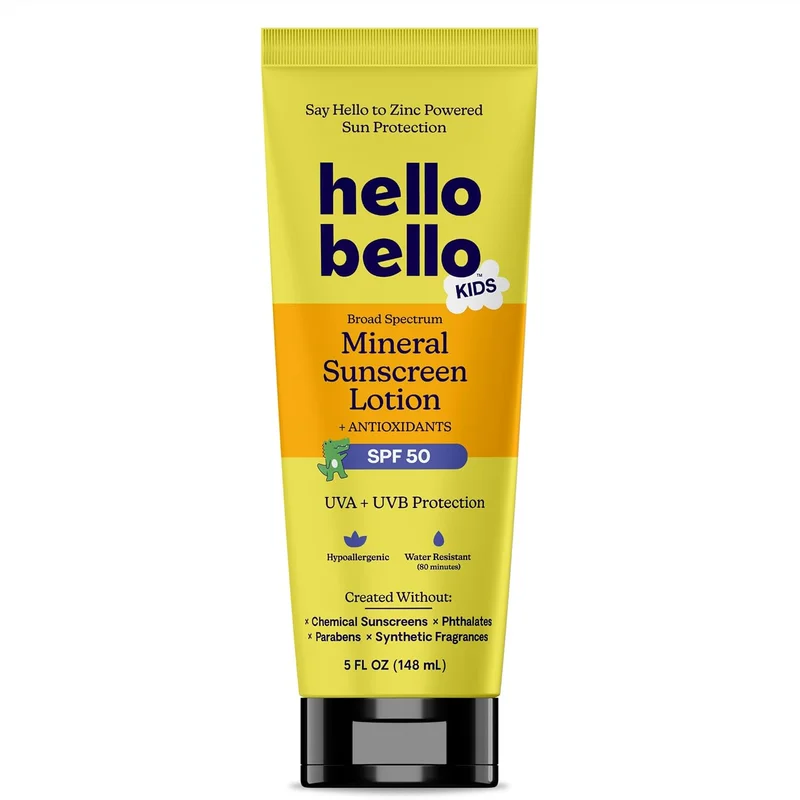
- Blue Lizard Kids Mineral Sunscreen Lotion SPF 50 vs Hello Bello Kids Mineral Sunscreen SPF 50 Lotion
- Babo Botanicals Sheer Mineral Sunscreen Lotion SPF 50 vs Hello Bello Kids Mineral Sunscreen SPF 50 Lotion
- ATTITUDE Kids Mineral Sunscreen Lotion SPF 50 (Unscented) vs Hello Bello Kids Mineral Sunscreen SPF 50 Lotion
R3 Filter Safety Audit
Mineral isn't automatically clean
Parents are told mineral is the safe choice and chemical is the scary one. But mined zinc and titanium can carry trace heavy metals, and not one kids sunscreen we scored publishes a third-party test to rule them out. We rank the mineral picks on the failure modes you can verify from the label, and flag the chemical filters that absorb into a child’s bloodstream.
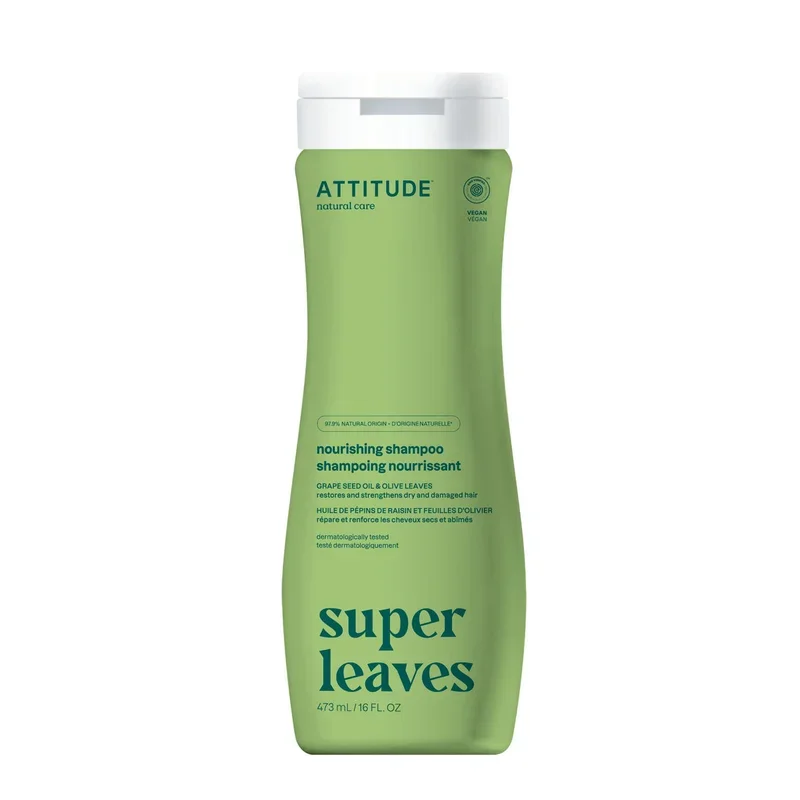
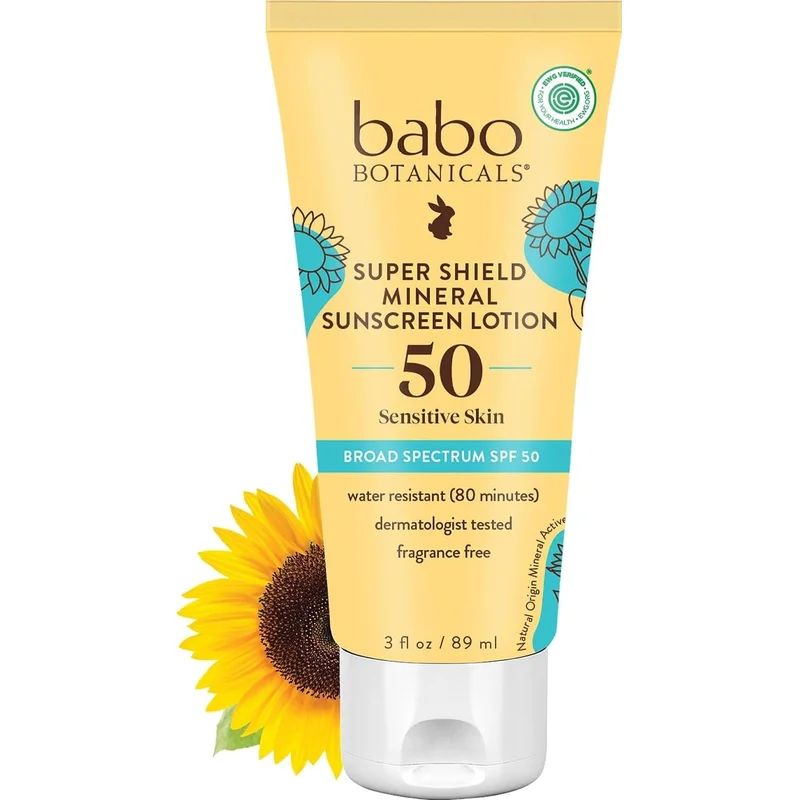
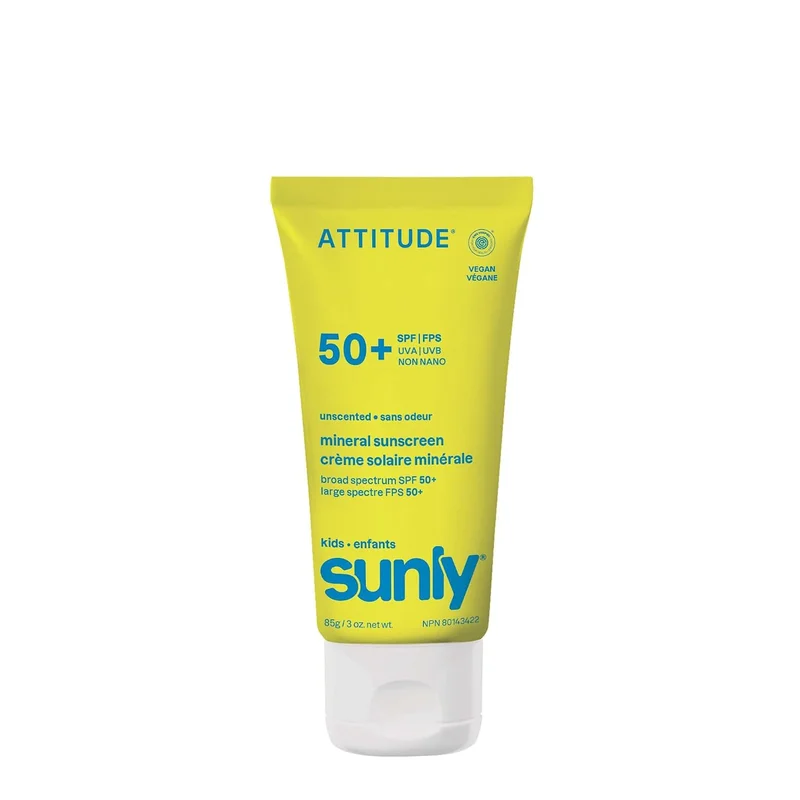
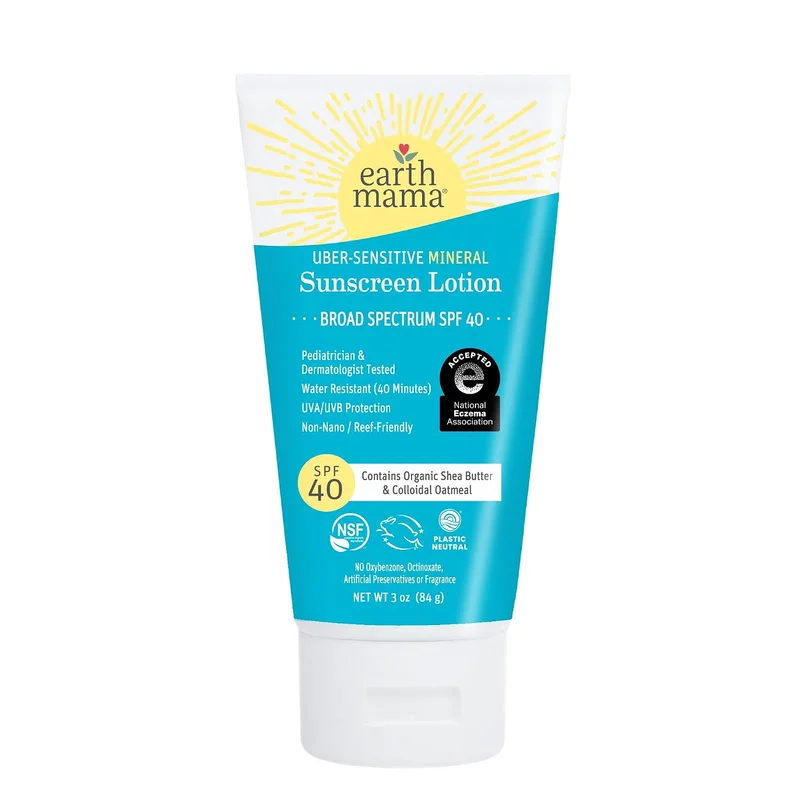
All-mineral, no chemical filters: Babo Botanicals Sheer Mineral Sunscreen Lotion SPF 50, ATTITUDE Kids Mineral Sunscreen Lotion SPF 50 (Unscented), Blue Lizard Kids Mineral Sunscreen Lotion SPF 50, Hello Bello Kids Mineral Sunscreen SPF 50 Lotion, Earth Mama Organics Earth Mama Kids Uber-Sensitive Mineral Sunscreen Lotion SPF 40. Zinc-based and fragrance-free, so they skip the chemical filters that absorb into the bloodstream. None publishes a heavy-metal test, so verify before you trust it.
Renee's Take · Oct 2026
Why a mineral kids sunscreen isn't automatically heavy-metal free
If you have ever stood in the sunscreen aisle sorting the mineral bottles from the rest because someone told you mineral is the safe one and chemical is the scary one, I want to save you the second-guessing. That advice is half right, and the missing half is exactly where kids get let down.
Two things are true at once. The common chemical filters, oxybenzone, octinoxate, avobenzone, octocrylene, and homosalate, do absorb through skin into the bloodstream: the FDA's 2020 study in JAMA measured several of them well above the 0.5 ng/mL level that triggers a safety review, and benzene, a carcinogen, drove the 2021 recall of aerosol Neutrogena and Aveeno sprays. But mineral is not automatically clean either. Zinc oxide and titanium dioxide are mined minerals, and independent testers such as Lead Safe Mama have reported trace heavy metals like lead, arsenic, and cadmium in some kids mineral sunscreens.
So I scored all 7 the same way, on three things: how safe the filter and formula are, how well it actually protects (SPF, broad spectrum, water resistance), and how it wears on a squirming kid (white cast, sting, sensitive skin). Here is the finding that reordered the shelf for me: not one of the 7 publishes a third-party heavy-metal or benzene certificate of analysis. Every brand leans on clean-label marketing, and none shows the lab result, so I treat that silence as unverified rather than proof of a problem.
Four all-mineral picks tie at the top at 7.8: Babo Botanicals and ATTITUDE are fragrance-free 100% zinc, Hello Bello is the budget pick at about $3.60 an ounce, and Blue Lizard adds a cap that turns pink in UV. The one to know about is Coppertone Kids Tear Free at 6.4, which uses the chemical filter octinoxate and which Consumer Reports measured, on a kids Coppertone labeled SPF 50, at closer to SPF 13. The reassuring part is that the safest choice here is also one of the cheapest.
What Matters Most?
The criteria R3 evaluates for every kids sunscreen
Safety
Publishes Third-Party Heavy-Metal / Contaminant Testing, Active Recall / Contaminant Status, High-Absorption Chemical Filter Present
Efficacy
SPF Value, Broad-Spectrum Labeled, UVA Protection Basis
Usability
Tear-Free / Won't-Sting Claim, Cosmetic Finish (White-Cast Mitigation)
What to Watch For
Safety factors I look at closely when rating kids sunscreen
Chemical filters that absorb into skin
The common chemical UV filters, oxybenzone, octinoxate, avobenzone, octocrylene, and homosalate, do not just sit on the surface. The FDA's 2020 study in JAMA found several of them absorbed into the bloodstream above the 0.5 ng/mL level that triggers a safety review, and oxybenzone has shown hormone-active effects in lab studies. The FDA still lists only zinc oxide and titanium dioxide as recognized safe and effective. Coppertone Kids Tear Free at 6.4 is the chemical option in this set.
For a child, choose a mineral formula built on zinc oxide or titanium dioxide, which sits on top of the skin, and keep oxybenzone off young skin in particular.
Benzene in aerosol sprays
Benzene is a carcinogen and a manufacturing contaminant, not a listed ingredient, so you cannot read it off a label. In 2021 independent testing found it in dozens of sunscreen samples and drove the recall of aerosol Neutrogena and Aveeno sprays. The contamination rode in largely on the aerosol propellant, which is one more reason the American Academy of Pediatrics advises against spray sunscreens for kids, on top of the inhalation risk.
Related Categories
Other categories families browse alongside this one.