Sep 2026 Rankings
Best Hand Soap
We tested 6 products for harmful chemicals, real-world performance, and ease of use. Our top pick: ATTITUDE Liquid Hand Soap, EWG Verified, Plant & Mineral-Based, Unscented, 16 Fl Oz.

By Renee Torres, R3 Research Lead·Updated Sep 2026
6 products · 6 brands40+ hrs researchNo brand pays us
Get the Hand Soap shortlist, free
The picks that cleared safety, what to skip, and why price didn’t predict the winner.
No spam. Unsubscribe any time.
All Hand Soap Rankings
6 of 6 products
1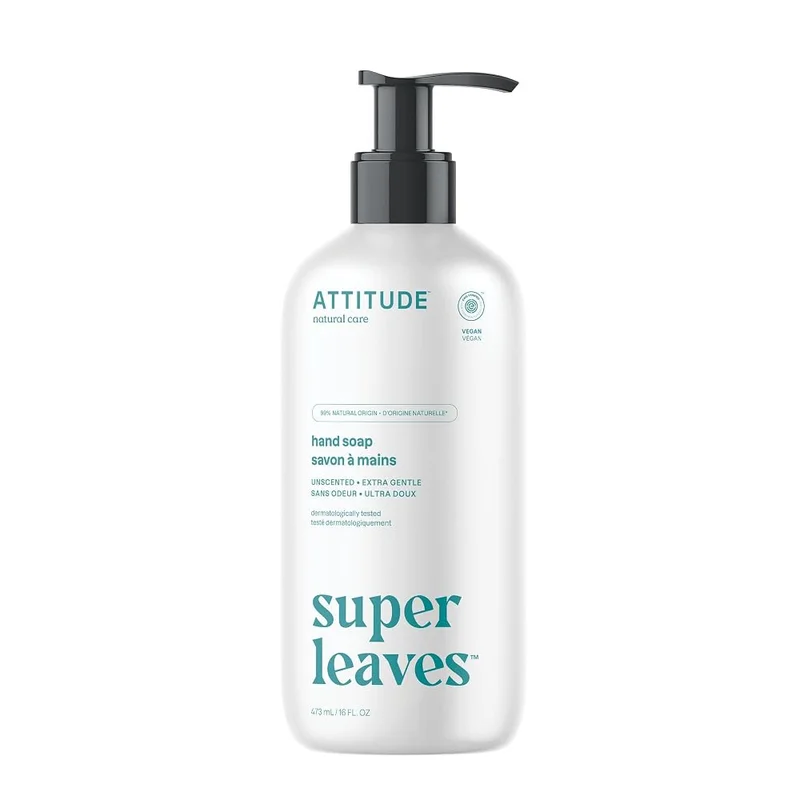
ATTITUDE
ATTITUDE Liquid Hand Soap, EWG Verified, Plant & Mineral-Based, Unscented, 16 Fl Oz
SafestEfficacyUsability
10.0
| Product | Contains Ethoxylated Surfactant (1,4-Dioxane Risk) | Skin-Gentleness Tier | Format & Dispensing | Score | Price | Actions |
|---|---|---|---|---|---|---|
1 ATTITUDE ATTITUDE Liquid Hand Soap, EWG Verified, Plant & Mineral-Based, Unscented, 16 Fl Oz SafestEfficacyUsability | Unlock safety data | 10.0 | - | |||
| Unlock safety data | 10.0 | - | ||||
| Unlock safety data | 10.0 | - | ||||
| Unlock safety data | 6.3 | - | ||||
| Unlock safety data | 6.0 | - |
Not all 6 hand soap cleared our safety screen.
See which ones we flagged, which failed, and which ranked #1.
See which of these 6 products actually passed our safety screen
Free account unlocks full safety test results, complete spec breakdowns, and what disqualified the ones that didn't make the list.
Already have an account?Sign in
R3 Coating Audit
What the label doesn't tell you
A hand soap's worst ingredient is rarely on the front of the bottle. We rank on what the INCI actually reveals: the preservative allergen, the 1,4-dioxane-prone surfactant, the pointless antibacterial agent, and the undisclosed fragrance, not the natural-looking label.
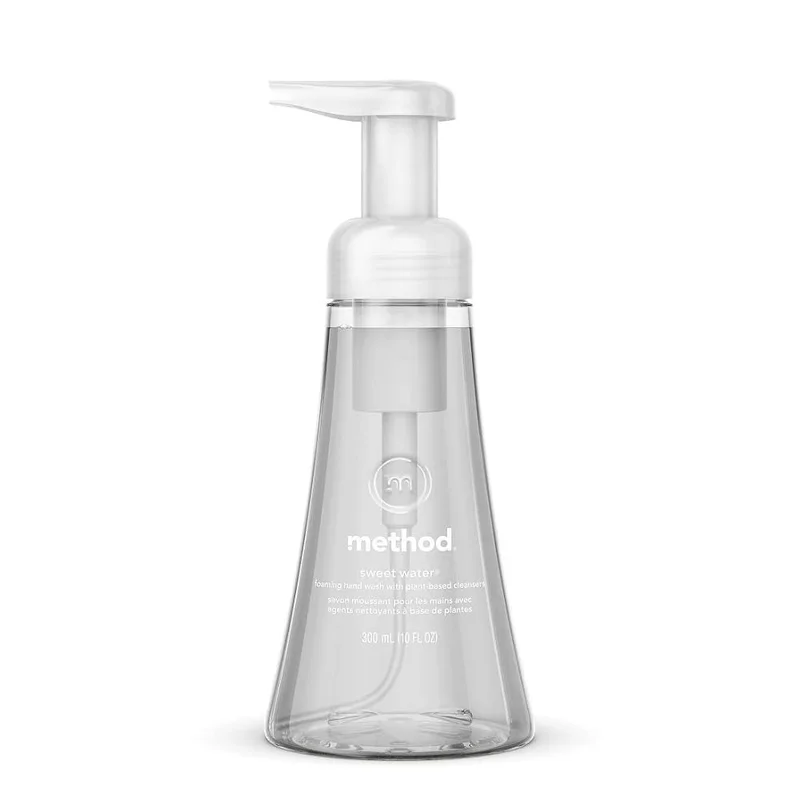
The “glass” trap: Method Foaming Hand Soap, Sweet Water, 10 oz (mi/mci allergen). Sold as glass air fryers, but the surface your food rests on is coated or undisclosed.
The other 5 use ceramic or PTFE coatings. See the Coating column in the ranking above for how each scored.
Renee's Take · Sep 2026
The Safest Hand Soap Skips Antibacterial and Hides Nothing
Most hand soap roundups stop at two ingredients, triclosan and sulfates, and call it a day. The things that actually cause rashes and exposure live in the parts of the label nobody scores: the preservative line, the word fragrance, and a contaminant that never appears on the bottle at all. I ranked six hand soaps on the full ingredient and contamination picture, and only three came out clean.
The single biggest hidden hazard is 1,4-dioxane, a likely human carcinogen that forms as a byproduct when surfactants are ethoxylated. It is a contaminant, not a listed ingredient, so it never appears on the label. New York is so concerned that its law caps 1,4-dioxane in soaps and cleaners at 1 part per million. The next biggest is the preservative methylisothiazolinone, named Allergen of the Year by the American Contact Dermatitis Society in 2013 and a leading cause of the cracked, bleeding hand dermatitis you get from washing all day. Add undisclosed fragrance, which the EWG notes can legally hide around 3,500 chemicals including hormone-disrupting phthalates, and you have three risks that a green label says nothing about.
Then there is the antibacterial myth. The FDA and CDC both say plain soap and water clean hands as well as antibacterial soap, and the FDA banned triclosan from consumer hand soaps in 2016. Soaps that still add an antibacterial agent like benzethonium chloride are stacking a chemical on top with no proven upside.
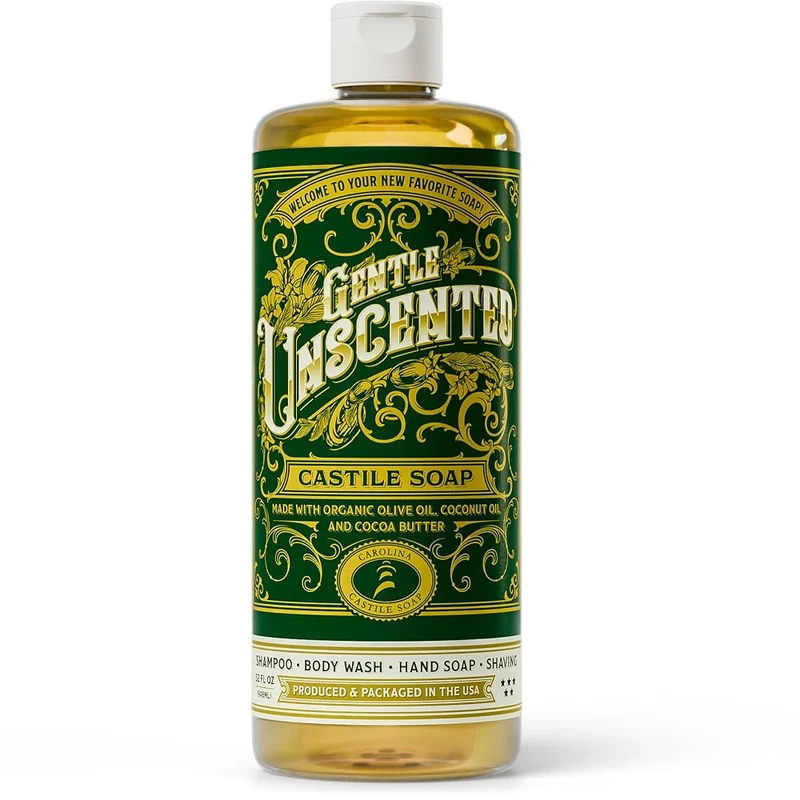
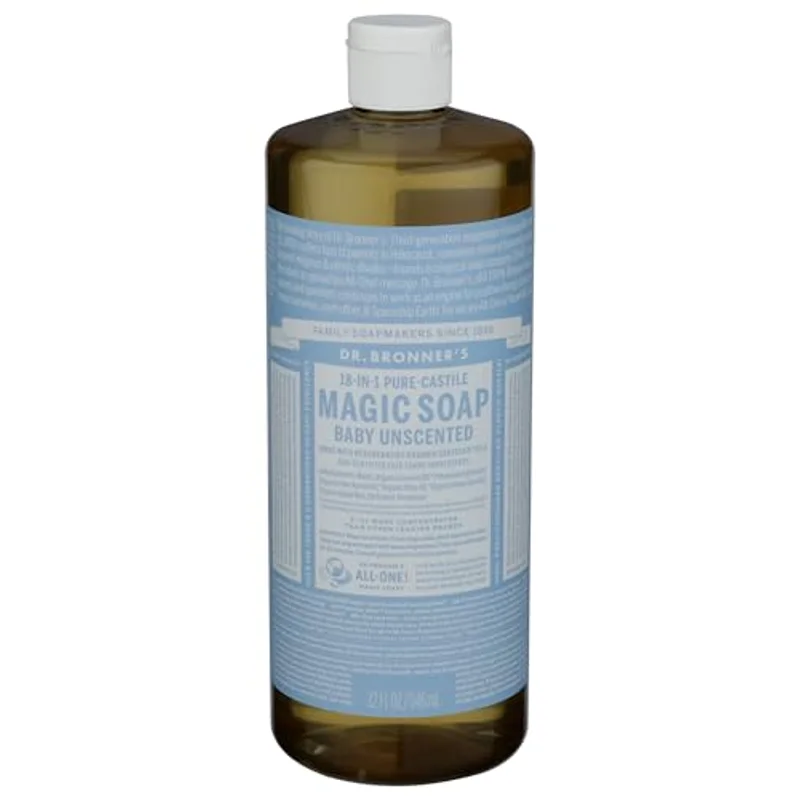
My scoring weighs safety at roughly 89 percent of the total, led by the 1,4-dioxane risk and the preservative allergens, then a smaller efficacy weight for skin-gentleness. The result: Dr. Bronner's Baby Unscented, ATTITUDE Unscented, and Carolina Castile Gentle Unscented all score a perfect 10, while Method Foaming at 6.3 and Dial Antibacterial at 5.9 carry the preservatives, fragrance, and antibacterial agents the top three avoid.
What Matters Most?
The criteria R3 evaluates for every hand soap
Safety
Active Safety Recall / Microbial Contamination, Free of Allergenic / Formaldehyde-Releasing Preservatives, Fragrance Status
Efficacy
Skin-Gentleness (Eczema / Sensitive-Skin Suitability), Moisturizing / Skin-Conditioning Ingredients
Usability
Format & Dispensing, Scent Experience
What to Watch For
Safety factors I look at closely when rating hand soap
The 2025 contamination recall
In 2025, DermaRite Industries issued a voluntary nationwide recall of soap and antiseptic products over potential contamination with Burkholderia cepacia complex, a bacterium that can cause infections and, in immunocompromised people, life-threatening sepsis. It is a reminder that even an antibacterial product can itself become contaminated, and that a clean ingredient list does not guarantee a clean bottle.
Check the FDA recall database and the lot number on any soap if you see a recall headline. I treat an active recall as an automatic disqualifier, so no recalled product can score in my rankings.
Methylisothiazolinone and preservative allergens
Methylisothiazolinone (MI) and its cousin MCI are preservatives named Allergen of the Year by the American Contact Dermatitis Society in 2013. From repeated handwashing they are a leading cause of cracked, itchy contact dermatitis. Formaldehyde-releasing preservatives like DMDM hydantoin slowly emit formaldehyde, a known carcinogen, into the product.
Related Categories
Other categories families browse alongside this one.