Non-toxic face moisturizers ยท Vetted for hidden fragrance, preservatives & label honesty
I read the full ingredient list on {count} popular face moisturizers, not just the front-of-jar promise. Plenty of 'clean' and 'sensitive' picks still hide fragrance under one word, and the genuinely fragrance-free ones are not the priciest.
By Renee Torres, R3 Research LeadยทUpdated Aug 2026
Get the Face Moisturizer shortlist, free
The picks that cleared safety, what to skip, and why price didnโt predict the winner.
No spam. Unsubscribe any time.
7 of 7 products
| Product | Fragrance Status | Barrier-Moisturization System Tier | Sensitive-Skin Tolerability (Drying-Alcohol + Positioning) | Score | Price | Actions |
|---|---|---|---|---|---|---|
| Unlock safety data | 9.8 | $24.99 | ||||
| Unlock safety data | 9.8 | $12.99 | ||||
| Unlock safety data | 9.7 | $19.99 | ||||
| Unlock safety data | 9.4 | $23 | ||||
| Unlock safety data | 9.4 | $26 |
Not all 7 face moisturizer cleared our safety screen.
See which ones we flagged, which failed, and which ranked #1.
See which of these 7 products actually passed our safety screen
Free account unlocks full safety test results, complete spec breakdowns, and what disqualified the ones that didn't make the list.
R3 Clean-Label Audit
Fragrance is the most common cosmetic allergen and the legal carrier for undisclosed phthalates, and a face moisturizer sold as clean or natural can still name essential-oil allergens like limonene or linalool on its ingredient list. We rank on what the ingredient list actually discloses, not on how clean the brand looks.
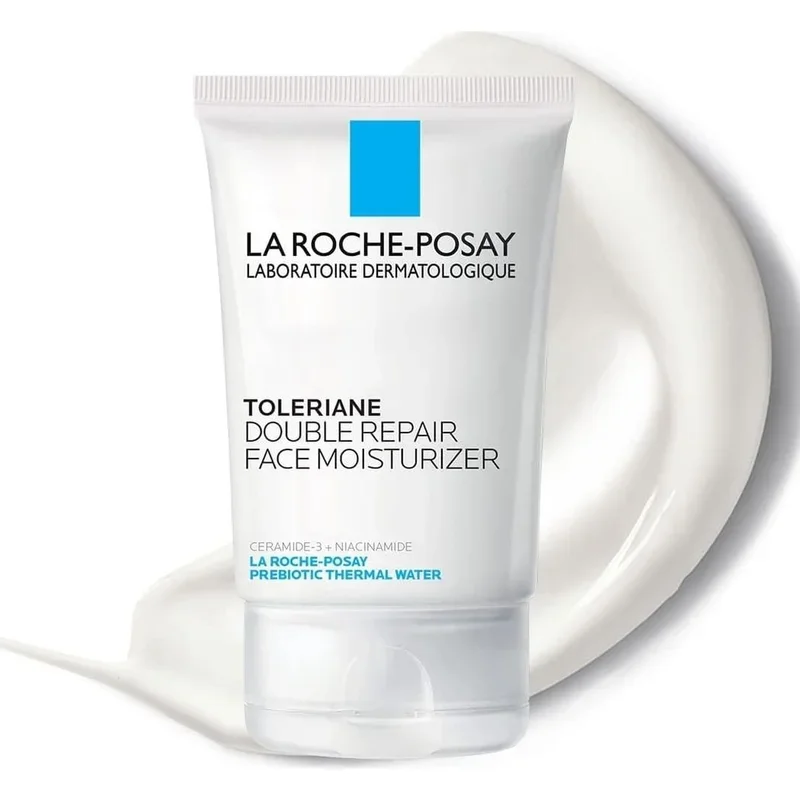
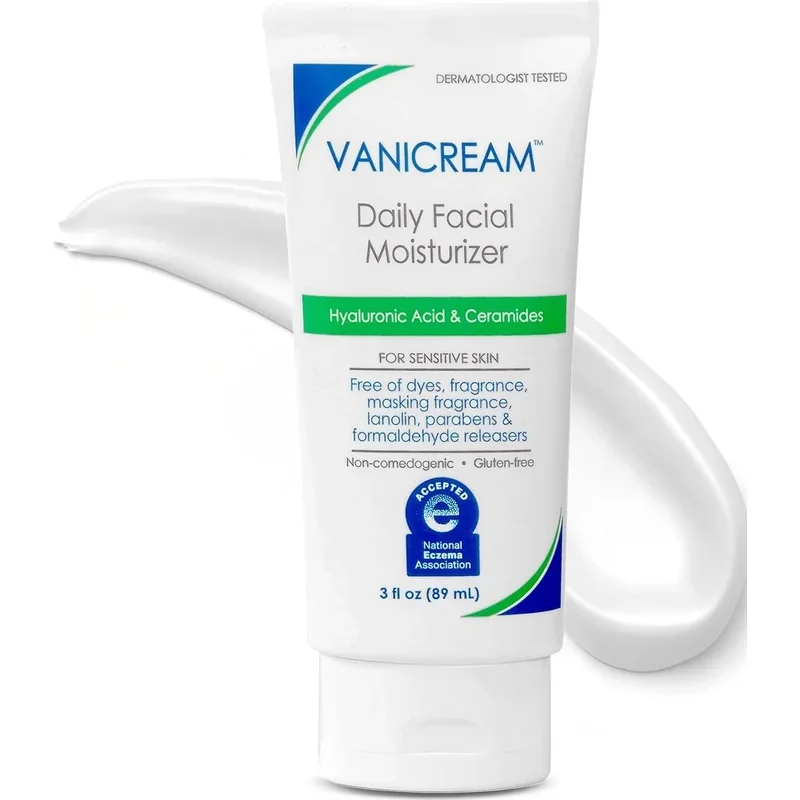
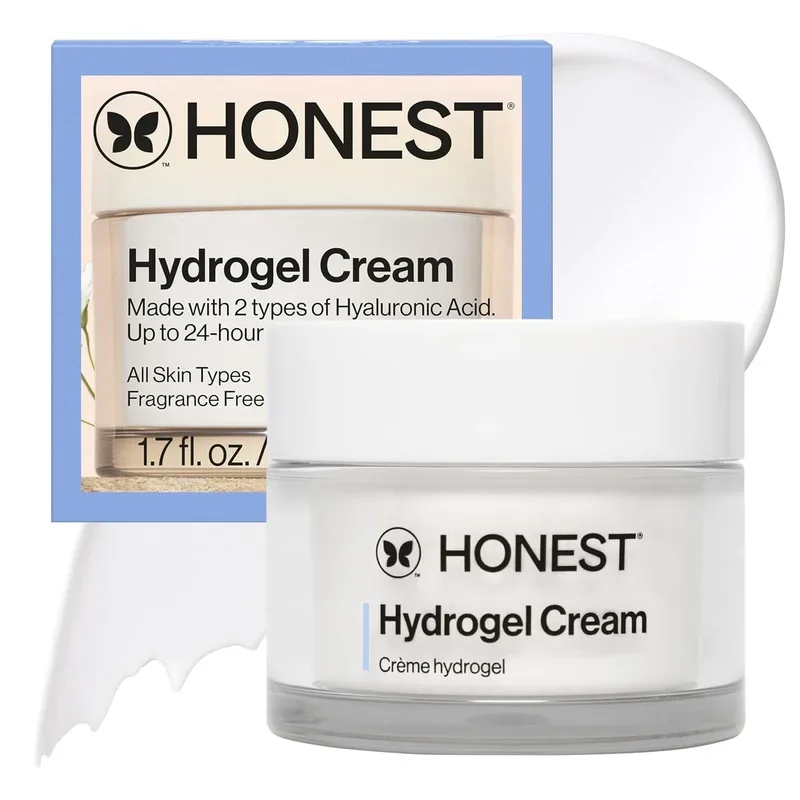
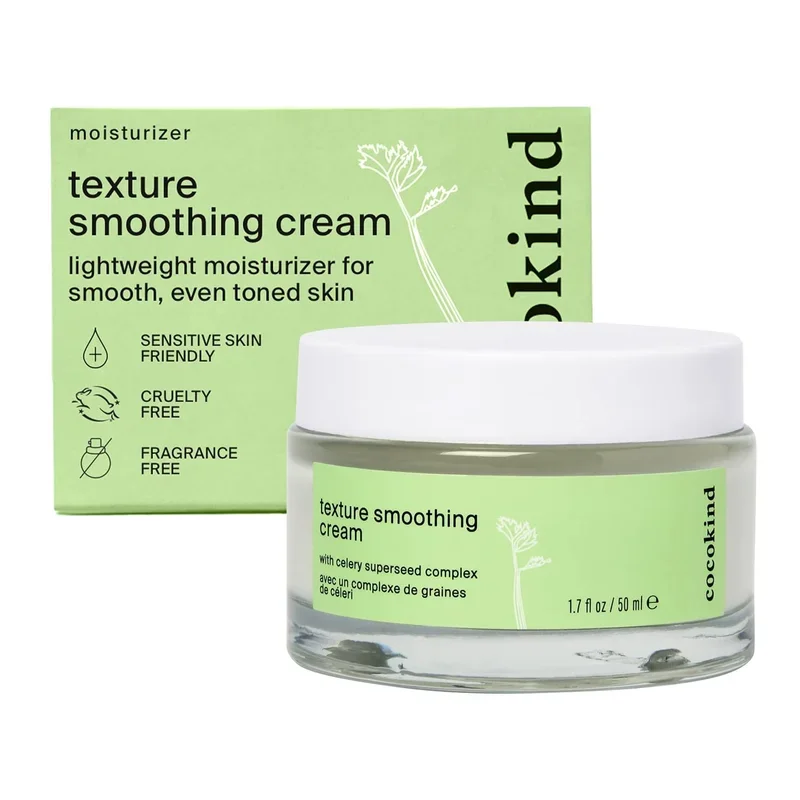
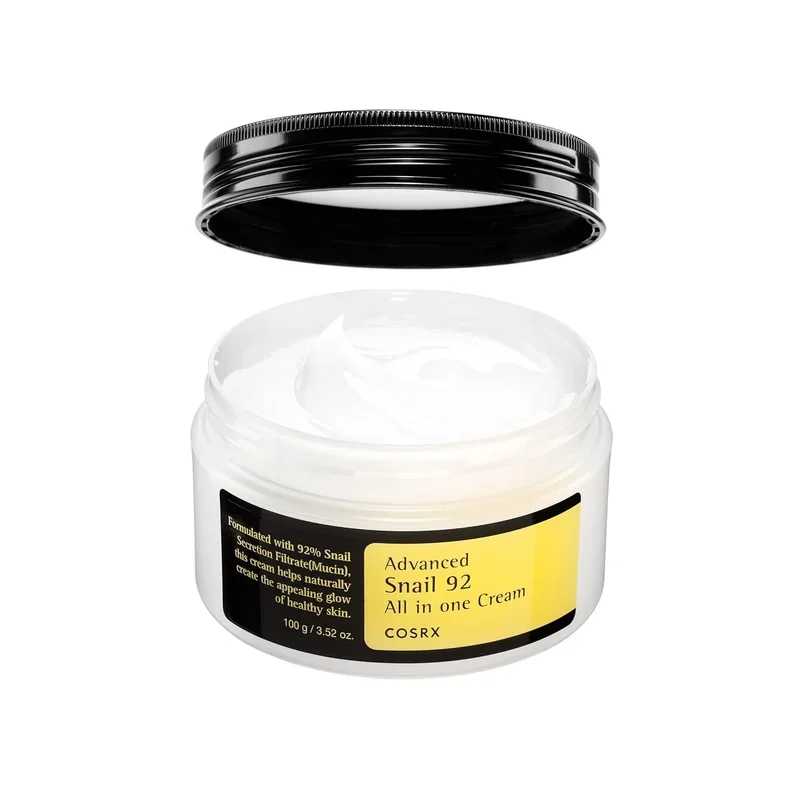
Fragrance-free, claim matches the list: La Roche-Posay Toleriane Double Repair Face Moisturizer, Vanicream Daily Facial Moisturizer, Honest Beauty Hydrogel Cream, Cocokind Texture Smoothing Cream, COSRX Advanced Snail 92 All-in-One Cream. No fragrance is added, and the clean label is backed by the ingredient list you can read.
Renee's Take ยท Aug 2026
If you have moved your whole routine to clean or switched to fragrance-free after a sensitivity flare, the face moisturizer is where the marketing and the ingredient list stop agreeing. I read the full ingredient list on the 7 face moisturizers I ranked, not just the front-of-jar promise, and the jars that market themselves the loudest as clean and natural were not the ones that held up.
Here is the distinction that reorders the shelf: a clean label is not a clean ingredient list. Fragrance is the most common cause of allergic reactions to cosmetics, per the American Academy of Dermatology, and the single word fragrance or parfum can legally stand in for a mixture of undisclosed ingredients, including the phthalates used to make a scent last. So a cream can say natural on the front and still carry the exact thing a fragrance-free shopper is trying to avoid, hidden under one word or dressed up as an essential oil.
That is why my ranking splits the way it does. The genuinely fragrance-free picks sit at the top: Vanicream Daily Facial Moisturizer and La Roche-Posay Toleriane Double Repair tie at 9.8, Honest Beauty Hydrogel Cream follows at 9.7 with third-party EWG screening, and Cocokind Texture Smoothing Cream and COSRX Advanced Snail 92 tie at 9.4. The two that market clean but contradict it land lowest: Herbivore Pink Cloud at 6.9 adds rose essential oil, and OSEA Atmosphere Protection Cream at 6.4 carries lavender and geranium oils, both common allergens on a product you leave on all day.
The reassuring part is that leaving fragrance out is not a premium feature. The two creams I rank highest are widely sold staples, so a genuinely fragrance-free face moisturizer with a barrier-repair ingredient list is the baseline here, not the splurge.
The criteria R3 evaluates for every face moisturizer
Fragrance Disclosure Status, Clean-Claim Honesty (Front-of-Jar Claim vs Actual INCI), Formaldehyde-Releasing Preservative Present
Barrier-Moisturization System (Humectants / Occlusives / Ceramides Disclosed)
Sensitive-Skin Tolerability (Drying-Alcohol + Sensitive-Skin Positioning)
Safety factors I look at closely when rating face moisturizer
The word fragrance or parfum on an ingredient list can legally stand for dozens of undisclosed ingredients, and it is the most common cause of allergic skin reactions to cosmetics. It is also the legal carrier for phthalates, plasticizers used to make scent last that are rarely named on the label. A cream marketed as clean or natural can still carry it: Herbivore Pink Cloud at 6.9 adds rose essential oil, and OSEA Atmosphere Protection Cream at 6.4 adds lavender and geranium.
Read the ingredient list for fragrance, parfum, aroma, or a named essential oil, and treat any of them as a scent your skin has to tolerate. A truly fragrance-free cream leaves all of them off.
Some preservatives work by slowly releasing formaldehyde, a known skin sensitizer and human carcinogen, into the product. DMDM hydantoin is the most common, alongside quaternium-15 and imidazolidinyl or diazolidinyl urea. They appear even in products sold for sensitive skin, which is exactly where a daily-use face cream lands. None of the top five creams I ranked uses one.
Other categories families browse alongside this one.
Marketed clean, fragrance on the list: Herbivore Botanicals Herbivore Pink Cloud Moisture Cream (clean claim contradicted); OSEA Atmosphere Protection Cream (clean claim contradicted). Sold as clean or natural, yet the ingredient list names added scent such as essential-oil allergens like limonene or linalool.
Scan the ingredient list for DMDM hydantoin and the quaternium and urea preservatives, and choose a cream preserved without them. Established fragrance-free brands generally already skip this class.
Two more preservative groups draw concern. Parabens, listed as methylparaben, propylparaben, or butylparaben, are weak hormone mimics that many shoppers prefer to skip. Methylisothiazolinone and methylchloroisothiazolinone, MI and MCI, are potent contact allergens that the industry's own review panel has flagged as unsafe in leave-on products like a face cream you do not rinse off.
Look for the paraben endings and for methylisothiazolinone, and favor a formula that names a gentler preservative system. The top picks in my ranking all avoid both groups.
PFAS, the forever chemicals that build up in the body, turn up in face products more often than most shoppers expect. A 2021 University of Notre Dame study found markers of PFAS in roughly half of 231 cosmetics tested, and they are almost never disclosed on the label. On an ingredient list they hide behind names containing fluoro or PTFE.
Skip any face moisturizer whose ingredients include a word with fluoro or PTFE in it. None of the creams I ranked lists a fluorinated ingredient.
This is the most serious hazard in the wider category, and it sits outside the 7 creams I ranked. Imported brightening and whitening face creams have repeatedly been found adulterated with mercury or hydroquinone, and the FDA has active recalls into 2025 and 2026. One cream tested in 2025 measured roughly 24,000 parts per million of mercury against a 1 ppm legal limit. Mercury is never listed on the label.
Avoid skin-lightening creams sold by unverified overseas sellers, and check the FDA recall list before buying any imported brightening product. The picks I rank are all standard, non-adulterated moisturizers.
Every product in our ranking is evaluated against these criteria. See how scores are calculated.
6 things I check before recommending
Work the questions in safety order, then fit the formula to your skin. Start where the marketing does not want you to look, the ingredient list itself, because the front-of-jar clean or natural claim is unregulated and the ingredient list is the only place the truth is printed. Read it for fragrance or parfum first, then for the preservatives worth screening out, then confirm the moisturizer actually does its one job of holding water in and repairing the skin barrier. From there, match it to whether your skin runs dry, oily, or reactive, and steer clear of imported brightening creams entirely. Do that and you land on a moisturizer that earns its clean label instead of just wearing one.
Read the ingredient list for fragrance
Flip the jar over and read the ingredient list before anything else, because one word decides most of the fragrance question. Fragrance, parfum, or aroma anywhere on the list means a scent mixture you cannot see the contents of, and it is the most common cause of cosmetic skin reactions. Truly fragrance-free means the word appears nowhere. Vanicream and La Roche-Posay Toleriane leave it out entirely, which is a large part of why they top my ranking.
Don't trust a clean claim over the label
Clean, natural, and non-toxic are marketing words with no legal definition, so the front of the jar cannot be trusted over the ingredient list on the back. The clearest example in my set is the gap between claim and formula: Herbivore Pink Cloud markets itself as clean and natural but adds rose essential oil, and OSEA Atmosphere Protection Cream leans on a clean, sensitive-skin image while carrying lavender and geranium oils. Essential oils are still fragrance allergens. When the claim and the ingredient list disagree, believe the ingredient list.
Screen out formaldehyde-releasers and parabens
A few preservatives are worth knowing by name. Formaldehyde-releasing preservatives, DMDM hydantoin, quaternium-15, and imidazolidinyl or diazolidinyl urea, slowly release formaldehyde, a known skin sensitizer, into the product over time, and they show up even in creams sold for sensitive skin. Parabens, listed as methylparaben or propylparaben, are the other line to scan for, since many shoppers prefer to skip them. Every cream in my top five leaves all of these out, so screening for them narrows the field fast rather than leaving you with nothing.
Check for a ceramide or humectant barrier
A moisturizer has one core job, holding water in the skin and repairing its barrier, so confirm it actually contains the ingredients that do that. Look for ceramides, which rebuild the skin's natural barrier, and humectants like hyaluronic acid or glycerin, which pull water into the skin. Vanicream pairs five ceramides with hyaluronic acid, and La Roche-Posay Toleriane adds niacinamide to its ceramide base. A short, fragrance-free list still needs these workhorses, or it is clean but not doing much.
Match it to your skin type
Once the safety questions are settled, fit the texture to your skin. Dry or mature skin does best with a richer ceramide cream, while oily or acne-prone skin wants a lighter, non-comedogenic gel that will not clog pores. COSRX Advanced Snail 92 is a lightweight gel-cream that suits oilier skin, while a reactive or eczema-prone face does best with the simplest fragrance-free formula you can find, like Vanicream. The safest pick is the one you will actually reach for daily.
Avoid imported brightening and whitening creams
This is the one hard line to hold. Imported brightening, whitening, or lightening face creams have repeatedly been found spiked with mercury or hydroquinone, and the FDA has active recalls into 2025 and 2026 on such products. Mercury damages the kidneys and nervous system and passes to a nursing baby, and it is never printed on the label. None of the 7 creams I ranked is one of these, but if a cream promises to lighten skin and comes from an unverified overseas seller, skip it regardless of price.
Real questions families ask about face moisturizer โ answered with the data behind every score.