Non-toxic car seats · Ranked on fabric chemistry & disclosure
Which car seats are actually flame-retardant-free?
I looked at what coats the fabric your baby sits against, not just the crash ratings. Most brands won't tell you. Here are the ones that disclose, and the ones that genuinely skip added flame retardants and PFAS.

By Renee Torres, R3 Research Lead·Updated Sep 2026
8 products · 7 brands40+ hrs researchNo brand pays us
Get the Car Seats shortlist, free
The picks that cleared safety, what to skip, and why price didn’t predict the winner.
No spam. Unsubscribe any time.
All Car Seats Rankings
8 of 8 products
$299.99
$499.99
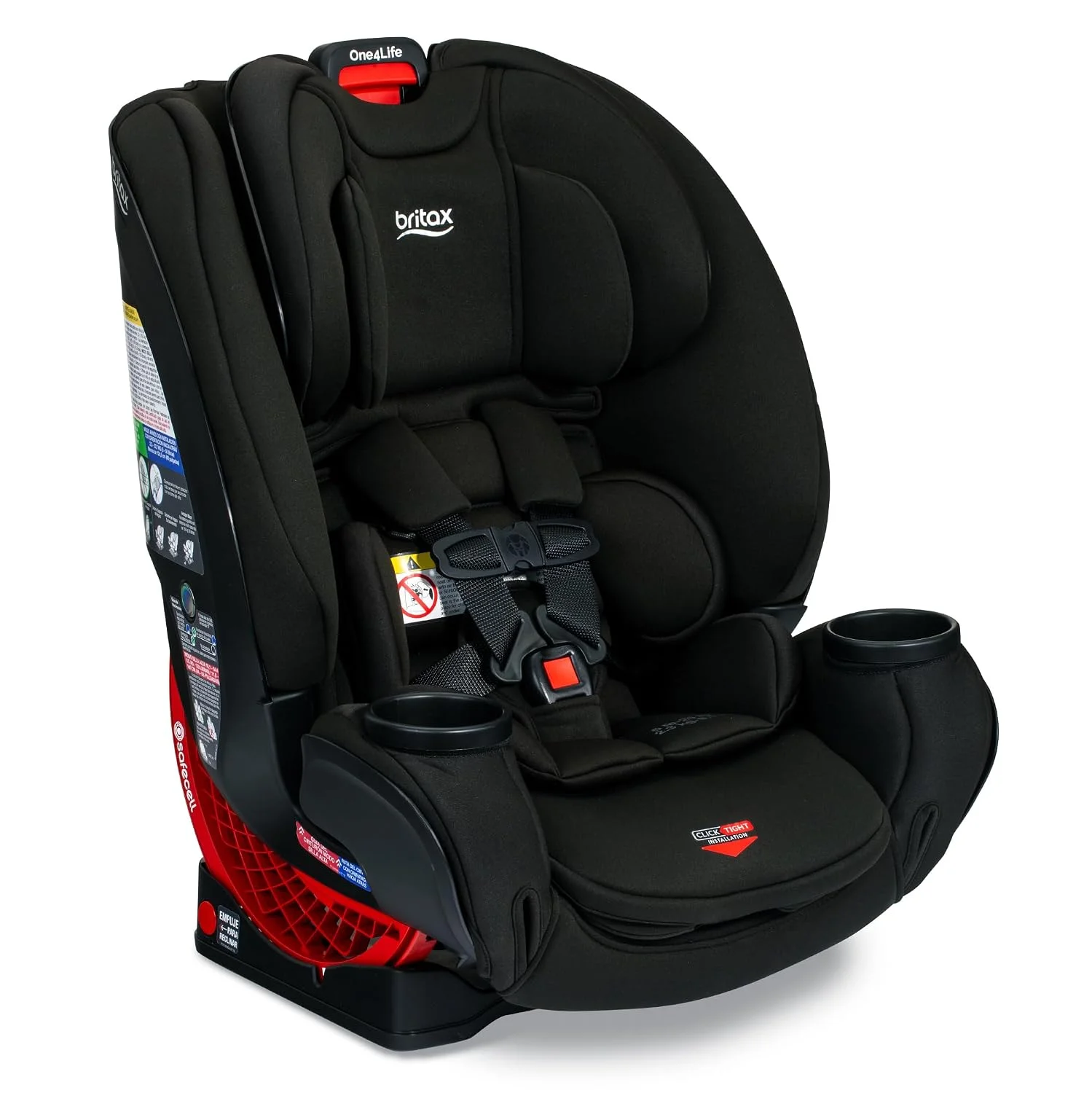
| Product | Flame-Retardant Disclosure Tier | Side-Impact (FMVSS 213a) Readiness | LATCH / Lower-Anchor System | Score | Price | Actions |
|---|---|---|---|---|---|---|
| Unlock safety data | 9.0 | $299.99 | ||||
| Unlock safety data | 9.0 | - | ||||
| Unlock safety data | 8.8 | $499.95 | ||||
| Unlock safety data | 8.7 | $499.99 | ||||
| Unlock safety data | 8.6 | $449.99 |
Not all 8 car seats cleared our safety screen.
See which ones we flagged, which failed, and which ranked #1.
See which of these 8 products actually passed our safety screen
Free account unlocks full safety test results, complete spec breakdowns, and what disqualified the ones that didn't make the list.
Already have an account?Sign in
The flame-retardant gap
What is actually in the fabric
Every car seat sold in the US passes the same federal crash test, so the real difference is chemical: which brands actually disclose and avoid added flame retardants in the fabric a child sits against for years. Most will not say, and one popular seat claims flame-retardant-free without backing it.
Claims it, but does not prove itMaxi-Cosi Pria Max All-in-One Car Seat (fr-free (claim only))says flame-retardant-free with no method or policy behind it
The other 7 {count} more with standard or undisclosed fabric chemistry
Renee's Take · Sep 2026
Every car seat passes crash testing, so the real difference is the fabric
If you have spent any time in non-toxic parenting groups, you have seen the same question over and over: which car seat is actually flame-retardant-free? It is the right question to ask, because the thing most shopping guides lead with, crash safety, is the one place every car seat is already the same. Every car seat sold in the United States has to pass the same federal crash test, FMVSS 213, before it can be sold, so crash protection is the floor, not the differentiator. The seat your baby rides in for years is safe in a crash whether it costs $99 or $500.
Where car seats genuinely diverge is the chemistry of the fabric your baby sits against. A 2019 peer-reviewed study in Environmental Science and Technology Letters found added flame-retardant chemicals in about 80% of the car seats it tested, and likely PFAS in roughly half of them, 9 of the 18 seats. Those added flame retardants, brominated and organophosphate types, and the PFAS stain finishes are what coat the surface a newborn breathes against and chews on for the two-plus years a seat is in use. No agency requires a brand to disclose any of it.
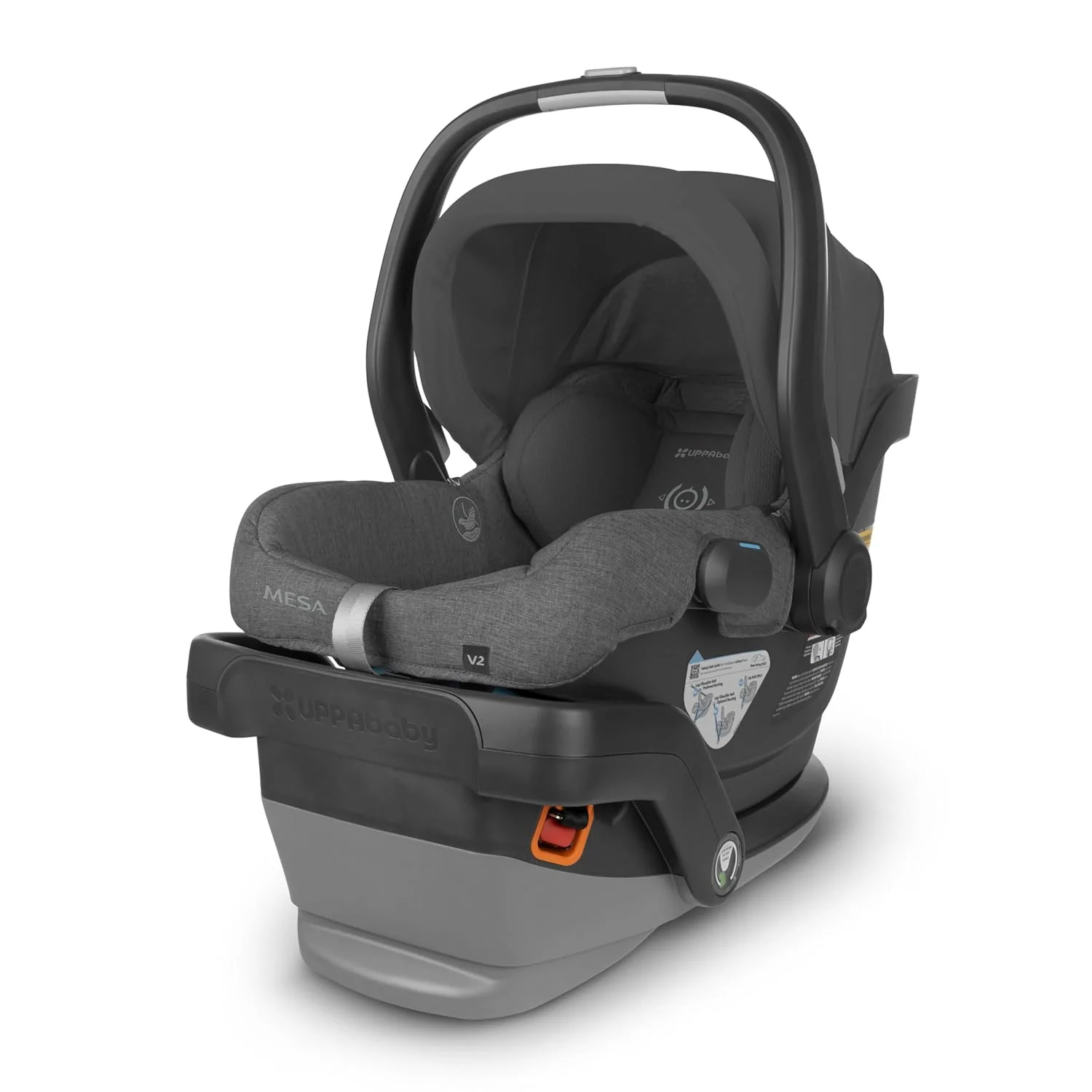
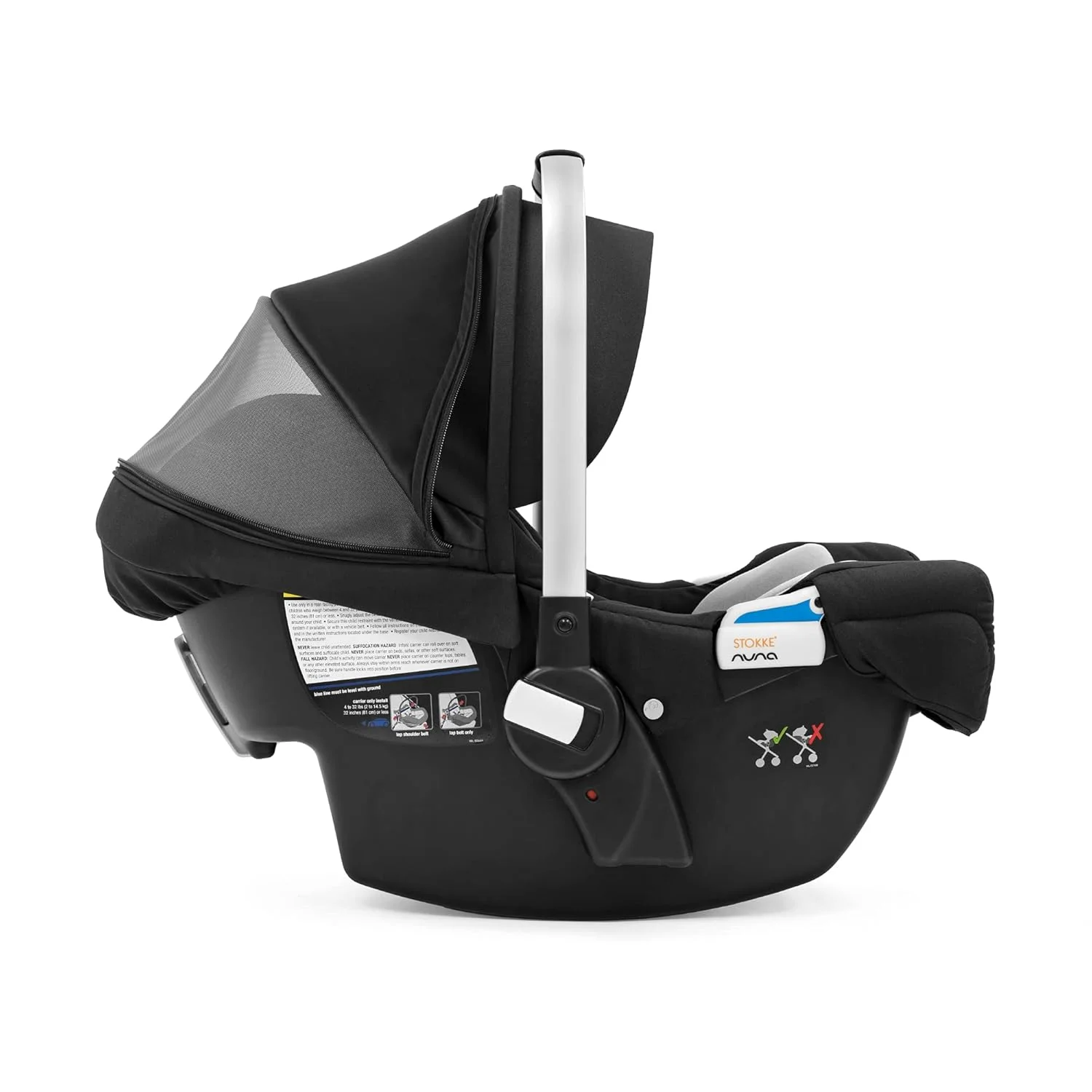
Because crash safety is settled and fabric chemistry is not, that is the axis I score, with safety carrying about 80% of the weight. The order is material chemistry and disclosure first, then how well the seat fits and protects across stages, then daily usability like install and cleaning. The UPPAbaby Mesa V2 and the Nuna PIPA led my group, both at 9.0, because they pair substantiated flame-retardant-free fabric with GREENGUARD Gold certification. The Clek Liing followed at 8.7 as the rare seat that is both flame-retardant-free and PFAS-free.
The most useful contrast is at the bottom. The Graco Extend2Fit scored 4.7 because its fabric chemistry is undisclosed and the Ecology Center's HealthyStuff testing has found added flame retardants in Graco seats. Below you can see all 8 ranked, with exactly what each brand will, and will not, tell you about the fabric.
What Matters Most?
The criteria R3 evaluates for every car seats
Safety
Flame-Retardant Disclosure Tier, PFAS / Stain-Finish Disclosure Tier, Public Chemical Policy / RSL
Efficacy
Side-Impact (FMVSS 213a) Readiness, Rear-Facing Minimum Weight, Newborn Insert Included
Usability
NHTSA Ease-of-Use Rating, LATCH / Lower-Anchor System, No-Base (Belt-Path) Install Option
What to Watch For
Safety factors I look at closely when rating car seats
Added flame retardants in the fabric
Added flame retardants, the brominated and organophosphate types, are the top chemical concern in a car seat because your baby sits against the treated fabric for years. A 2019 peer-reviewed study in Environmental Science and Technology Letters found added flame-retardant chemicals in about 80% of the car seats it tested. These chemicals are added to help seats meet flammability requirements, but several seats meet the same requirements without them, so their presence is a choice the brand made, not a safety necessity.
Choose a seat that names and substantiates a flame-retardant-free fabric, like the UPPAbaby Mesa V2 with its SafeTech and PureTech fabrics or the Chicco KeyFit 35 ClearTex, rather than one that stays silent on the question.
Undisclosed chemistry, with Graco as the clearest case
Related Categories
Other categories families browse alongside this one.