High chairs · Scored on stability, harness, and what touches your baby's food
Which high chair is genuinely safe, sturdy, and easy to clean?
I ranked them on the things the best-of lists skip: whether the tray your baby eats off is plastic, coated, or bare wood, how the chair holds up to a tip test, and how many crevices trap food. The sturdiest, cleanest picks are not the priciest.

By Renee Torres, R3 Research Lead·Updated Oct 2026
7 products · 7 brands40+ hrs researchNo brand pays us
Get the High Chairs shortlist, free
The picks that cleared safety, what to skip, and why price didn’t predict the winner.
No spam. Unsubscribe any time.
All High Chairs Rankings
7 of 7 products
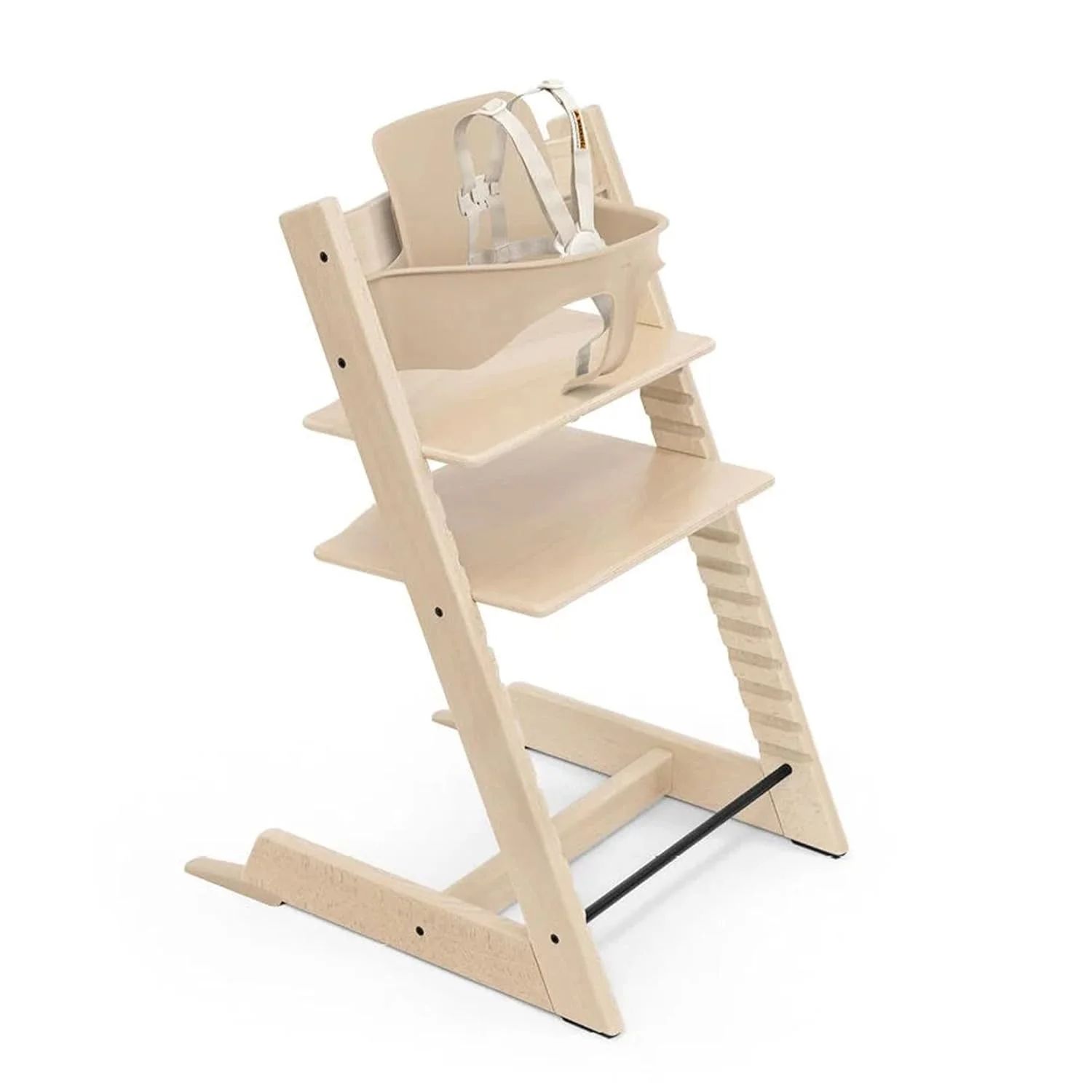
$189.20
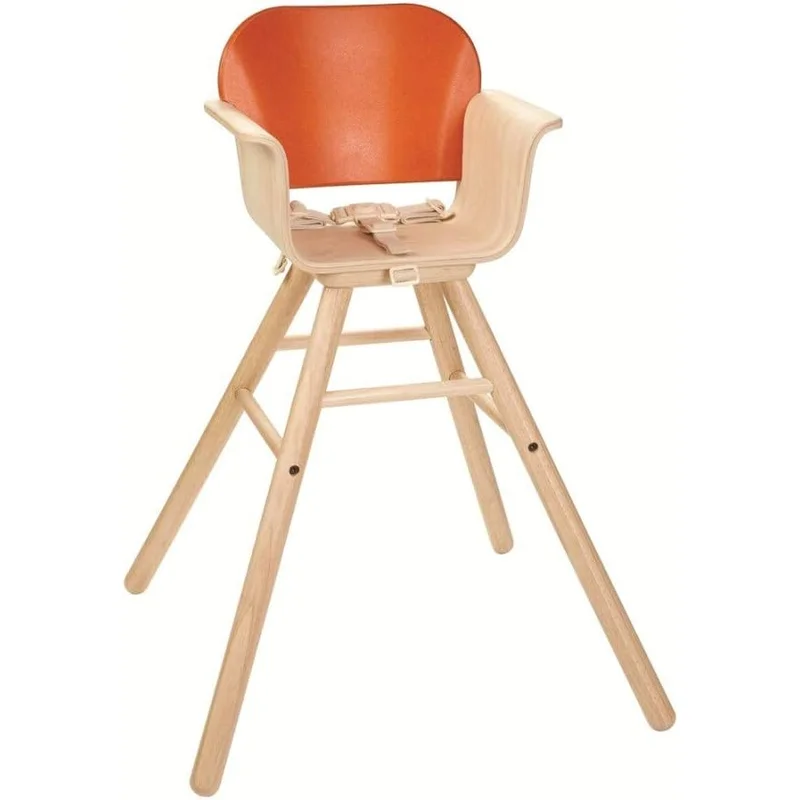
$149.99
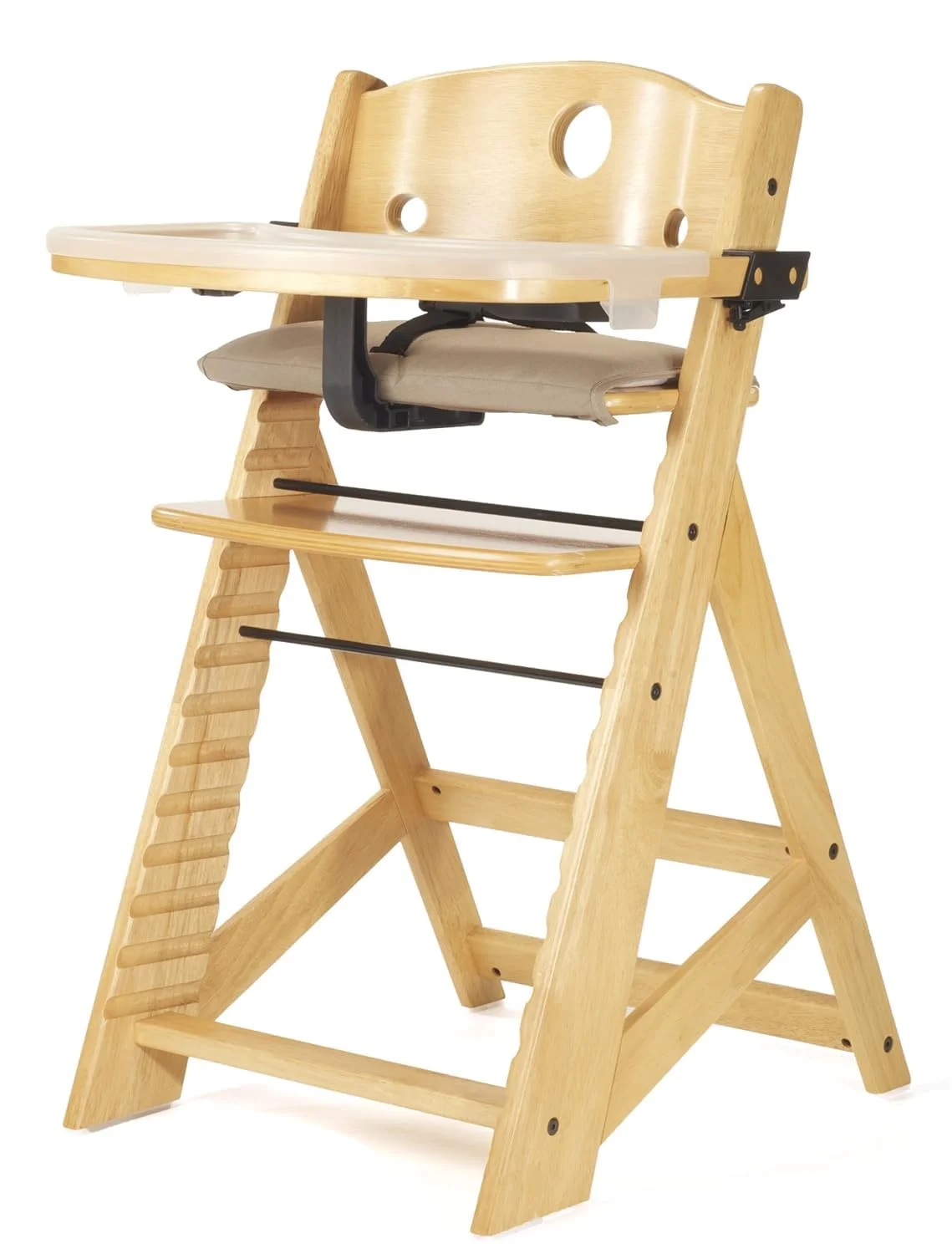
$149.95
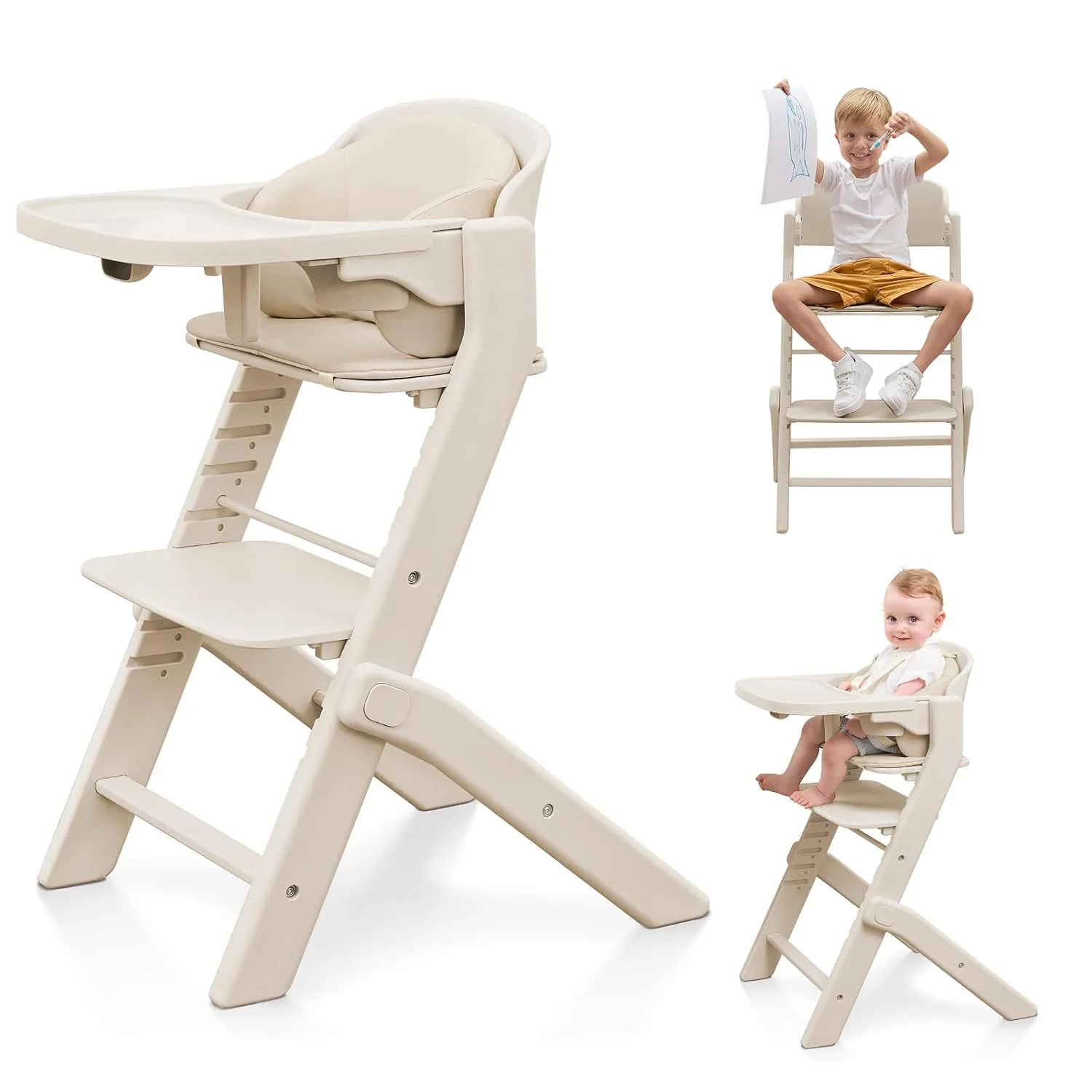
| Product | Tray Material | Footrest & Seat Adjustability | Seat & Strap Cleanability | Score | Price | Actions |
|---|---|---|---|---|---|---|
| Unlock safety data | 9.1 | $189.20 | ||||
| Unlock safety data | 8.6 | $149.99 | ||||
| Unlock safety data | 8.5 | $24.99 | ||||
| Unlock safety data | 8.4 | $149.95 | ||||
| Unlock safety data | 6.7 | $249 |
Not all 7 high chairs cleared our safety screen.
See which ones we flagged, which failed, and which ranked #1.
See which of these 7 products actually passed our safety screen
Free account unlocks full safety test results, complete spec breakdowns, and what disqualified the ones that didn't make the list.
Already have an account?Sign in
The "non-toxic" gap
What touches your baby's food
The tray is the surface your baby eats directly off of, but no rule forces a high-chair brand to name the tray plastic or rule out BPA, phthalates and PVC. The chairs worth trusting use bare wood, food-grade silicone or a named food-safe plastic, or skip the plastic tray entirely. A bare "non-toxic" sticker can still hide an unnamed plastic.
Names a safe food-contact surfaceStokke Tripp Trapp High Chair, PlanToys High Chair, IKEA Antilop High Chair with Tray, Keekaroo Height Right High Chairuses bare wood, food-grade silicone, a named food-safe plastic, or no plastic tray at all
Says "non-toxic" but won't name the trayLalo The Chair (abs, unverified)markets itself non-toxic yet never names the tray plastic or rules out BPA, phthalates and PVC
Renee's Take · Oct 2026
Why a "non-toxic" high chair can still hide what the tray is made of
Picking a high chair turns into a spiral fast. The two things parents actually worry about, over and over, are whether it is safe and whether they can ever get the food out of it. So I scored a set of high chairs the same way and the pattern that came out is not the one the marketing sets you up to expect.
Here is the part almost no product page spells out. The tray is the surface your baby eats directly off of, and no rule forces a brand to say what that tray is made of or to rule out BPA, phthalates, and PVC. So a chair can advertise itself as non-toxic and still cook your decision down to a plastic it will not name. Once you start reading the tray and not the badge, the rankings rearrange themselves.
The highest scores went to chairs that take the plastic tray off the table, literally. The Stokke Tripp Trapp (9.1) is GREENGUARD Gold certified, uses solid beech with a water-based finish, and has no plastic tray by default. The PlanToys High Chair ($150, 8.6) is rubberwood with a water-based finish and formaldehyde-free glue. And the surprise near the top is the cheapest one: the $24.99 IKEA Antilop (8.5) is clean for the simplest reason, it is bare polypropylene with nothing painted, padded, or treated to go wrong.
The contrast lower down is sharp. The Mockingbird ($249, 6.7) has the best cleaning system I saw, magnetic silicone straps that genuinely wipe clean, but it never names the plastic in its tray or the finish on its legs, so it lands mid-pack on safety despite the cleaning win. And the Lalo Chair ($225, 3.5) is the clearest trap: it is marketed as non-toxic, but it publishes no test data, no PVC content, and no finish composition, so there is nothing to verify. The reassuring takeaway is that the clean option is not a splurge. At $24.99, a high chair with nothing to hide is the baseline, not the upgrade.
What Matters Most?
The criteria R3 evaluates for every high chairs
Safety
Tray Material (food-contact surface), Tray Food-Safety Disclosure (BPA/phthalate/PVC-free), Material / Emissions Disclosure & Certification
Usability
Tray Cleanability, Seat & Strap Cleanability, Footprint & Fold
Efficacy
Footrest & Seat Adjustability (postural support), Max Weight Capacity / Use Span
What to Watch For
Safety factors I look at closely when rating high chairs
A "non-toxic" label that will not name the tray
Non-toxic and BPA-free are marketing words unless the brand names the actual material and backs it. The Lalo Chair ($225) is marketed as non-toxic and Prop 65 compliant, but it publishes no chemical test data, no PVC content, and no finish composition, so its tray scores on faith, not evidence. That gap is why it landed at 3.5 against the high 8s.
Trust a chair that names its tray material and finish, or skips the plastic tray entirely. Treat an unnamed non-toxic claim as unproven, not as a pass.
Foam cushions and flame retardants
A padded fabric cushion looks like an upgrade, but foam is where flame retardants hide, and they migrate into household dust that babies then ingest. Several chairs pair a foam cushion with no statement about its treatment, which is exactly the case you cannot rule out.
Prefer a hard wipeable seat or a chair that states its foam is flame-retardant-free. If there is a cushion, look for a PFAS-free or OEKO-TEX claim on the fabric.
Related Categories
Other categories families browse alongside this one.