Laundry detergent pods look a lot like candy to a toddler. They are small, brightly colored, squishy, and they sit in containers that smell faintly of something pleasant. To a child between 12 months and 3 years, a pod on top of the dryer is nearly irresistible. And that is the core of the problem.
A laundry pod is not just a convenient dose of detergent. It is a highly concentrated chemical packet held together by a water-soluble polyvinyl alcohol membrane. The moment a child bites down, the film ruptures and the full contents enter the mouth simultaneously. The concentration of surfactants, enzymes, solvents, and other active chemicals in a single pod far exceeds what would be present in any measured dose of traditional liquid or powder detergent. That concentration is what makes pod exposures so much more dangerous than other laundry detergent incidents.
Poison control centers in the United States received more than 11,700 calls about children under age 5 exposed to laundry pods in 2014 alone, in just the second full year of widespread pod availability. The CPSC estimated an average of 64,300 emergency-department-treated injuries annually between 2020 and 2022 related to laundry packets. Children under 6 are the primary victims, with toddlers ages 1 to 3 representing the highest-risk group because they combine mobility, curiosity, and the developmental tendency to put everything in their mouth.
This is not a theoretical risk. Over the years since pods entered the market, there has been at least one confirmed child death, dozens of intensive care admissions per year, and thousands of hospitalizations. The good news: this is one of the most preventable poisoning hazards in any home with young children, and the actions required to prevent it are specific and achievable.
Why Pods Are More Dangerous Than Traditional Detergent
If you spill traditional liquid laundry detergent and a toddler gets into it, the child has been exposed to a diluted formula. It may cause vomiting, skin irritation, and eye discomfort. It is still a call to Poison Control, but the concentration is low enough that serious systemic effects are uncommon.
A laundry pod rupture is a different scenario entirely. The pod holds a unit dose of detergent at full concentration, compressed into a volume small enough to fit in a child's hand. When bitten, that full-concentration dose enters the mouth all at once. Studies have found that children who ingest laundry pods are:
- 5 times more likely to be hospitalized than children who ingest traditional liquid detergent
- 8 times more likely to experience a serious medical outcome
- More likely to require intensive care, tracheal intubation, or mechanical ventilation
The mechanism is worth understanding because it shapes what parents should watch for. The primary toxic agents in laundry pods are non-ionic surfactants and alcohol ethoxylates at high concentration. These are not strongly alkaline caustic agents the way drain cleaners are. Instead, they work by disrupting cellular membranes and mucosal surfaces throughout the oropharynx, esophagus, and airways. The result can include immediate chemical burns to the mouth and throat, severe vomiting, and -- critically -- aspiration.
The Aspiration Risk
The most dangerous complication of laundry pod ingestion is aspiration pneumonitis. When the concentrated surfactant mixture causes immediate, forceful vomiting (which it often does), there is a significant risk that vomited material enters the lungs. This causes chemical pneumonitis, a severe inflammatory response in the lung tissue that can develop over hours and require mechanical ventilation. Surfactants at this concentration destroy the normal surface tension in the alveoli and overwhelm the lung's ability to clear the insult.
This is why the standard first-aid instruction for laundry pod ingestion is the opposite of what many parents intuitively want to do. Do not induce vomiting. Do not give milk, water, or food to try to dilute it. Do not wait and watch. The vomiting you might try to induce could be the event that sends the detergent into the lungs. Call Poison Control immediately and let them direct the response.
Central Nervous System Effects
Proplyene glycol is a common solvent in laundry pod formulations. When absorbed in sufficient quantity, it is converted in the body to lactic acid, which can cause lactic acidosis. Separately, some pod formulations contain alcohol ethoxylate compounds that produce CNS depression. These mechanisms together explain why children who ingest laundry pods can experience drowsiness, lethargy, confusion, and in severe cases, loss of consciousness or seizures. CNS depression in a toddler after pod ingestion is a medical emergency.
A 2012 review in Pediatrics documented that among children hospitalized for laundry pod exposure, CNS depression was one of the most common serious presentations, alongside respiratory compromise. This is not a chemical that just upsets the stomach. It can impair a child's ability to protect their own airway.
Eye and Skin Exposure
Skin contact with pod contents causes chemical irritation and burns. Eye exposure is an urgent concern. The concentrated surfactants cause significant chemical conjunctivitis and, in cases of delayed or inadequate irrigation, can cause lasting corneal damage. When a child squeezes a pod, it often ruptures directly toward the face and eyes rather than into the mouth. Eye squirts are among the most common pod exposure presentations at pediatric emergency departments.
For eye exposure: irrigate immediately with cool running water for 15 to 20 minutes and call Poison Control. Do not wait to see if symptoms develop. Eye injuries from pod exposure can worsen rapidly in the first hour.
Who Is Writing the Rules: ASTM and Industry Standards
Laundry pods reached consumers in 2012 with no child-resistant packaging requirements. The Consumer Product Safety Commission issued warnings about the hazards in 2012 and 2013, but because detergent pods were not classified as a drug or pesticide, they were not subject to the Poison Prevention Packaging Act that mandates child-resistant packaging for those categories.
In 2015, ASTM International published a voluntary safety standard (ASTM F3159-15) for laundry pods. It recommended child-resistant containers, opaque packaging (so children cannot see the colorful pods), and a bitter-tasting film additive to discourage ingestion. Manufacturers adopted these features voluntarily, and Procter and Gamble reported approximately a 39% reduction in the incident rate for its products following the new packaging.
However, the ASTM standard has been criticized by researchers and safety advocates for allowing manufacturers to meet child-resistant requirements in six different ways rather than requiring the more stringent Poison Prevention Packaging Act standard. The result: pod exposures did decrease after 2015, but they remained far above the rate for traditional detergent exposures, and emergency department visits remained in the tens of thousands annually through the early 2020s.
The Detergent PACS Act was introduced in Congress to direct the CPSC to issue stricter mandatory safety standards for laundry pods. As of 2024, mandatory federal regulation specifically requiring Poison Prevention Packaging Act-level child resistance for laundry pods has not been enacted. This is still a gap in the regulatory landscape.
How to Dramatically Reduce the Risk
The good news is that laundry pod poisoning is almost entirely a product of proximity and access. A pod your toddler cannot see, reach, or open cannot hurt them. The prevention steps are straightforward:
Store pods completely out of sight and out of reach. The top of the washer or dryer is not safe -- children can climb, and they can be lifted. A locked cabinet or a high shelf behind a closed door is the correct storage location. Visibility matters independently: if a child sees the colorful pods but cannot immediately reach them, they will look for a way to reach them later when supervision is lower.
Return pods to storage immediately after use. The most common exposure scenario is a pod left on a surface while the laundry is being loaded. Leaving the container open nearby while you move wet laundry to the dryer is a documented high-risk moment. Form the habit of closing and storing the container before turning your attention to the machine.
Treat the original packaging as non-sufficient child protection. Voluntary child-resistant features help, but they are not a substitute for locked storage. Toddlers are persistent, and child-resistant does not mean child-proof.
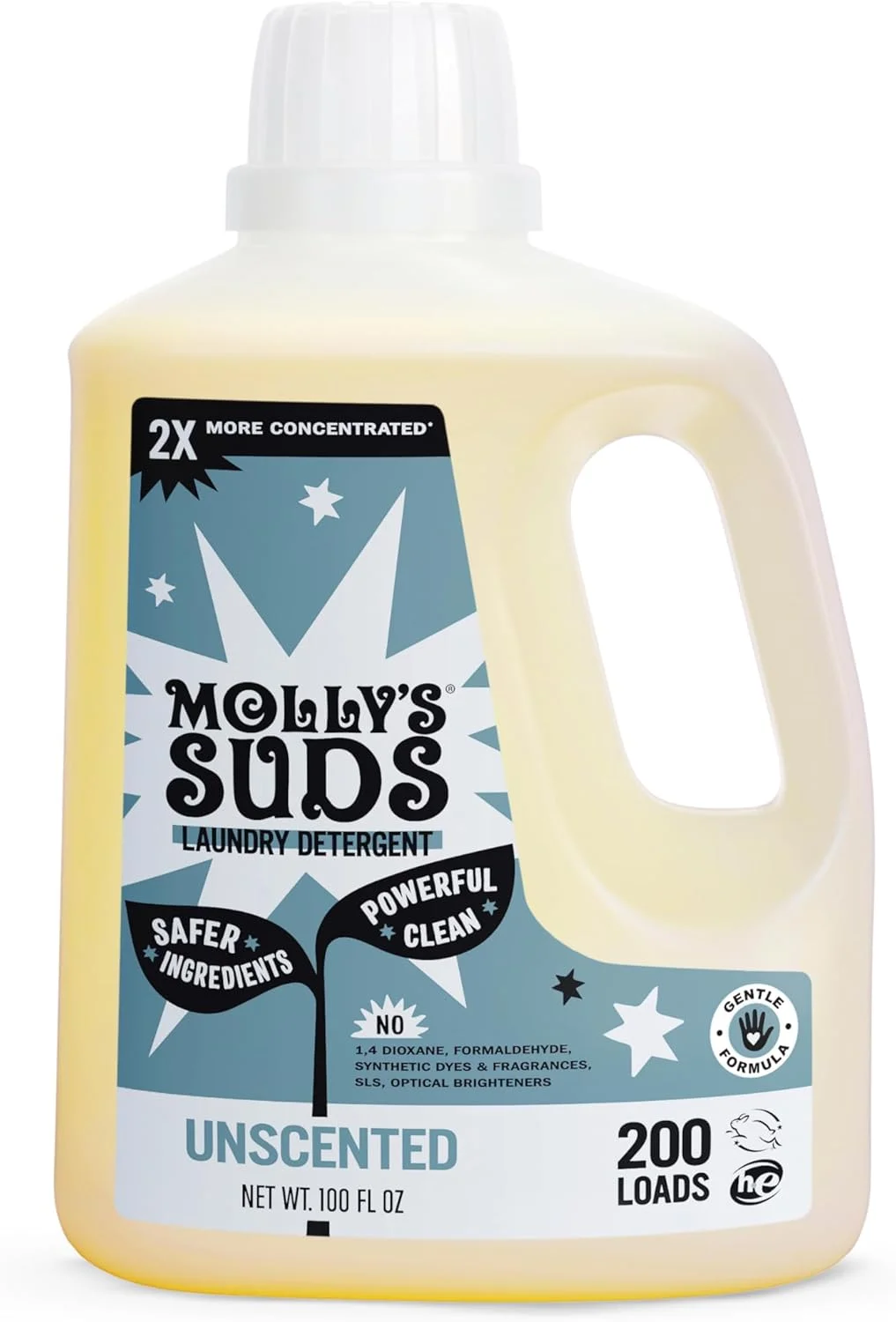
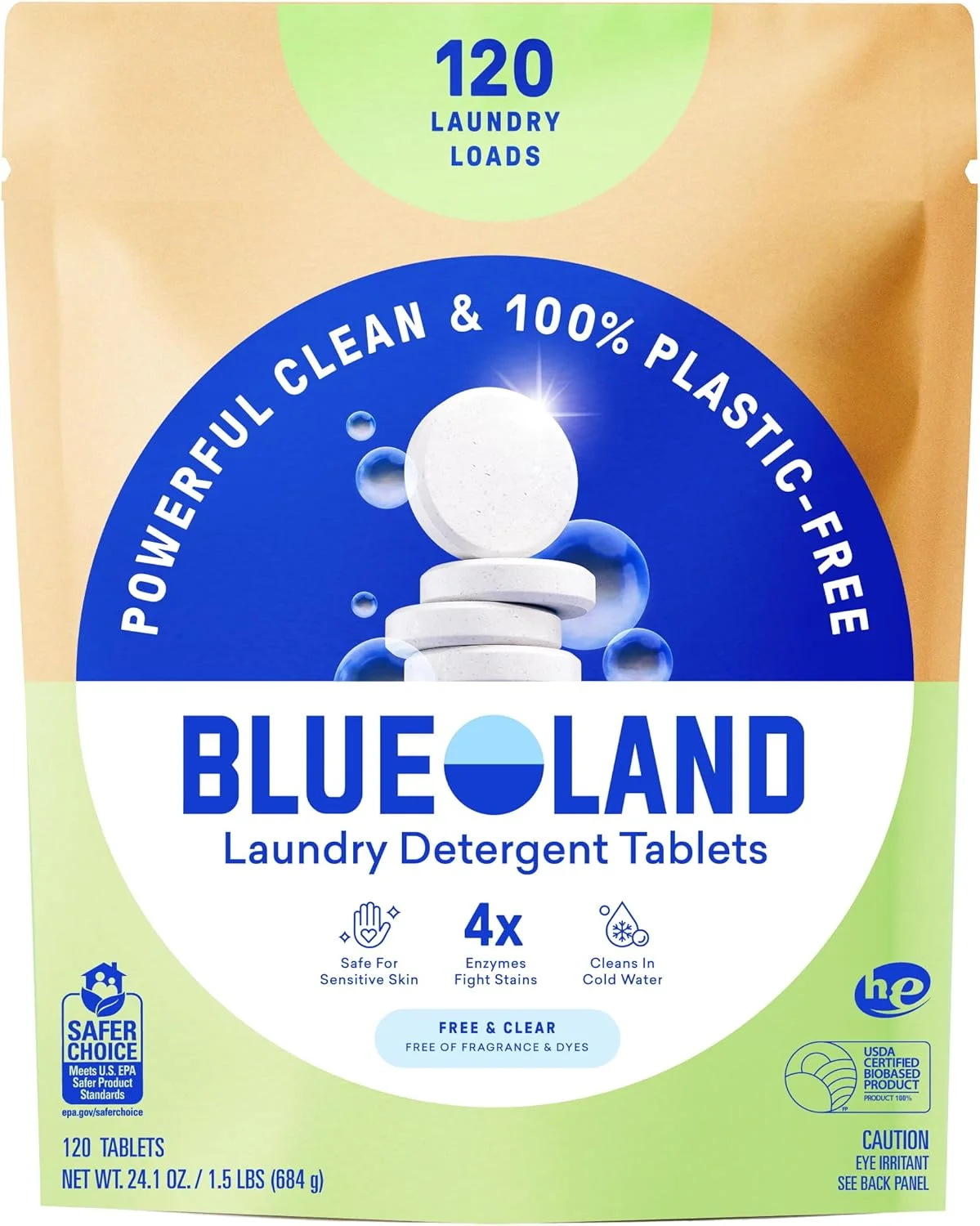
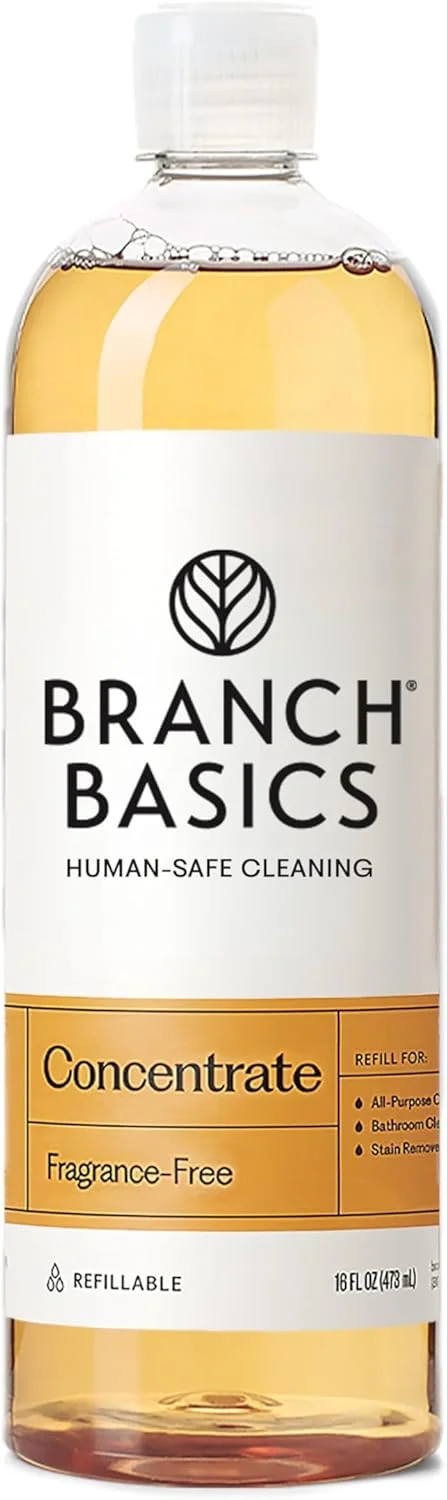
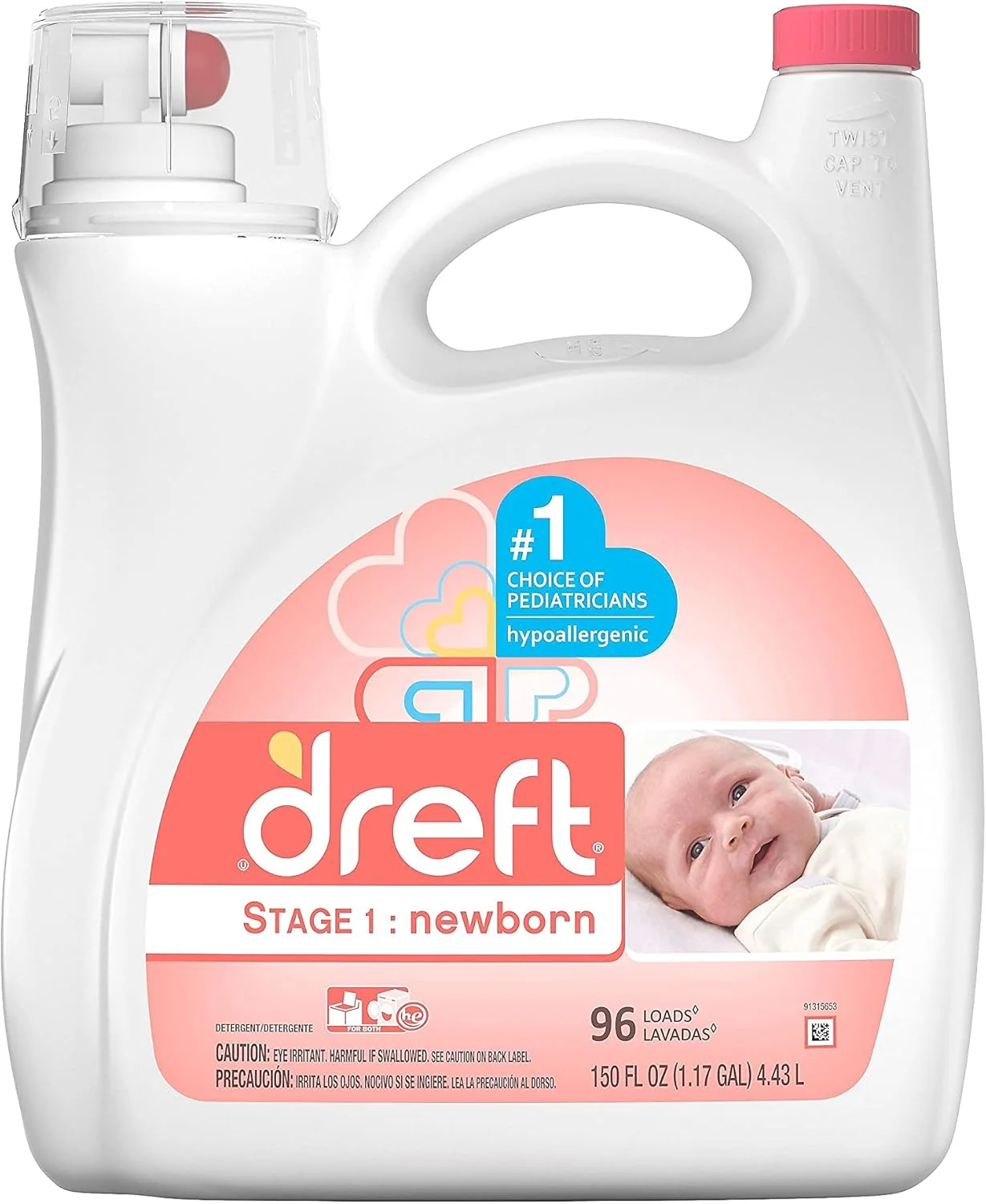
Consider switching to powder or liquid detergent. This is the most reliable risk reduction if your household includes a child between 12 months and 4 years. Traditional liquid detergent in a locked cabinet, or laundry powder that requires a measuring cup, eliminates the acute hazard pods create. Safer-formulated options like Branch Basics Concentrate, Blueland Laundry Detergent Tablets, and Molly's Suds Liquid Laundry Detergent offer cleaner ingredient profiles without the pod format risk. For families with newborns, Dreft Stage 1: Newborn Baby Liquid Laundry Detergent is a liquid alternative that avoids the pod format entirely.
Establish a household rule about laundry product handling. Older siblings sometimes handle pods without the same level of caution. Make laundry products part of the household chemical rules: no handling without adult supervision, no taking pods out to look at them.
If Ingestion Happens: The Response Protocol
Call Poison Control immediately: 1-800-222-1222. This is available 24 hours a day, 7 days a week, and the specialists can give you real-time guidance specific to the pod product and the amount involved.
While you are calling or waiting for guidance:
- Do not induce vomiting (aspiration risk)
- Do not give milk, juice, or food in an attempt to dilute the detergent
- Do not wait for symptoms to develop before calling -- symptoms can escalate rapidly
- If the child is already unconscious, having a seizure, or has stopped breathing, call 911 first
- Try to have the pod container or product name ready to give the Poison Control specialist
For eye exposure: irrigate with cool running water for 15 to 20 minutes, then call Poison Control regardless of whether symptoms seem mild.
For skin contact with pod contents: wash the area thoroughly with soap and water for several minutes and call Poison Control if irritation persists or if the area seems to be burning.
What Happens at the Emergency Room
There is no specific antidote for laundry pod poisoning. Treatment is supportive. Emergency providers will assess and protect the airway (the most urgent priority), monitor for respiratory compromise from aspiration, manage vomiting, and monitor CNS status. Children with severe exposures may require intubation and mechanical ventilation, oxygen therapy, and IV fluids. The clinical team will monitor for lactic acidosis from propylene glycol if the exposure was significant.
The majority of children who receive prompt medical evaluation recover fully. Outcomes are significantly better when parents act immediately rather than watching and waiting. The calls that result in serious harm most often involve a delay between ingestion and medical care.
Are Laundry Tablets a Safer Format?
Dissolvable laundry tablets -- solid compressed tablets rather than gel-filled pods -- are a lower-risk format for households with young children because they dissolve slowly rather than rupturing on contact with saliva. They are also less visually appealing to toddlers. They are still a household chemical that should be stored out of reach, but the acute burst-ingestion risk that defines pod danger is not present in the same way with solid tablets.
Powder detergent is generally the lowest-risk format because it does not present a single squeezable, bite-sized, brightly colored unit. If a child gets into loose powder, the exposure is diffuse and lower-concentration per any single contact event. Powders that contain bleaching agents or enzymes still require proper storage, but the catastrophic single-bite scenario is specific to gel-filled pod formats.
The R3 Bottom Line on Laundry Pods in Family Households
Poison Control data and peer-reviewed emergency medicine literature agree on the core facts: gel-filled laundry pods are the most dangerous form of laundry detergent for households with toddlers, and the risk is not primarily about label claims or ingredient quality. It is about format. No matter how clean the ingredient list, a concentrated gel-filled pod in a home with a child under 4 is a serious hazard. The preventive actions are locked storage, immediate post-use return to storage, and for highest-risk households (children 12 months to 3 years), switching to a powder, liquid, or solid-tablet format while the child is in that developmental window. Browse our tested laundry detergent picks for formats we recommend for families.