Non-toxic travel cribs · Ranked on sleep-surface + fabric safety
Which travel cribs are actually safe for sleep?
I looked at the ones parents actually pack for what your baby sleeps on and breathes against all night, not just how small they fold. The firm, breathable, low-chemical picks are not always the ones the ads push.

By Renee Torres, R3 Research Lead·Updated Oct 2026
5 products · 5 brands40+ hrs researchNo brand pays us
Get the Travel Cribs shortlist, free
The picks that cleared safety, what to skip, and why price didn’t predict the winner.
No spam. Unsubscribe any time.
All Travel Cribs Rankings
5 of 5 products
$299.99
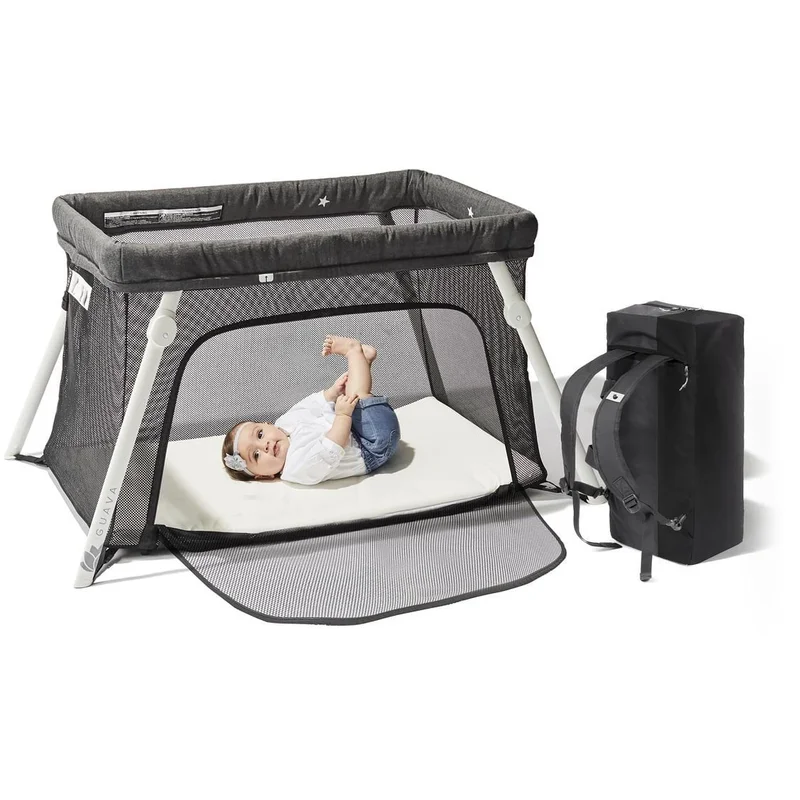
$249.95
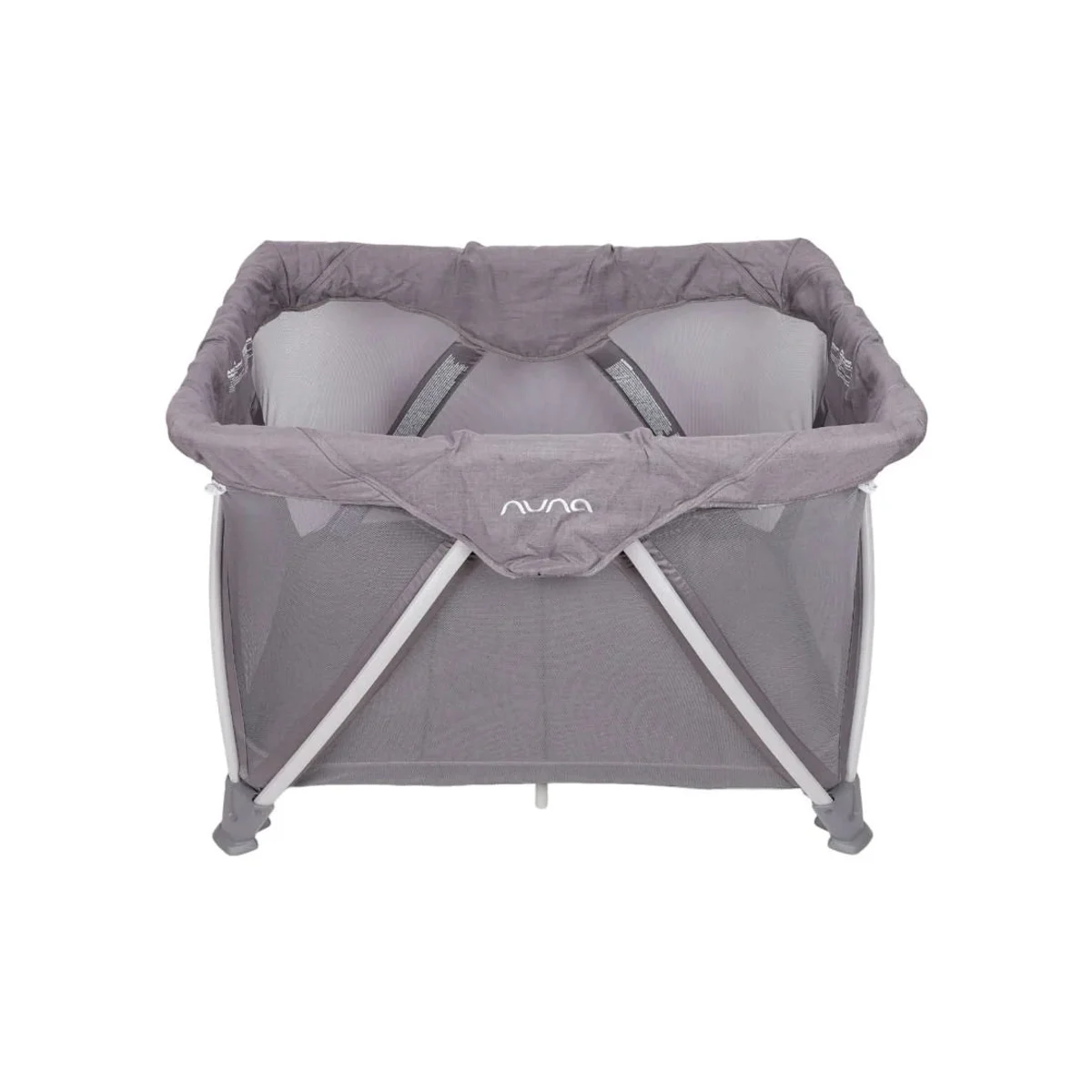
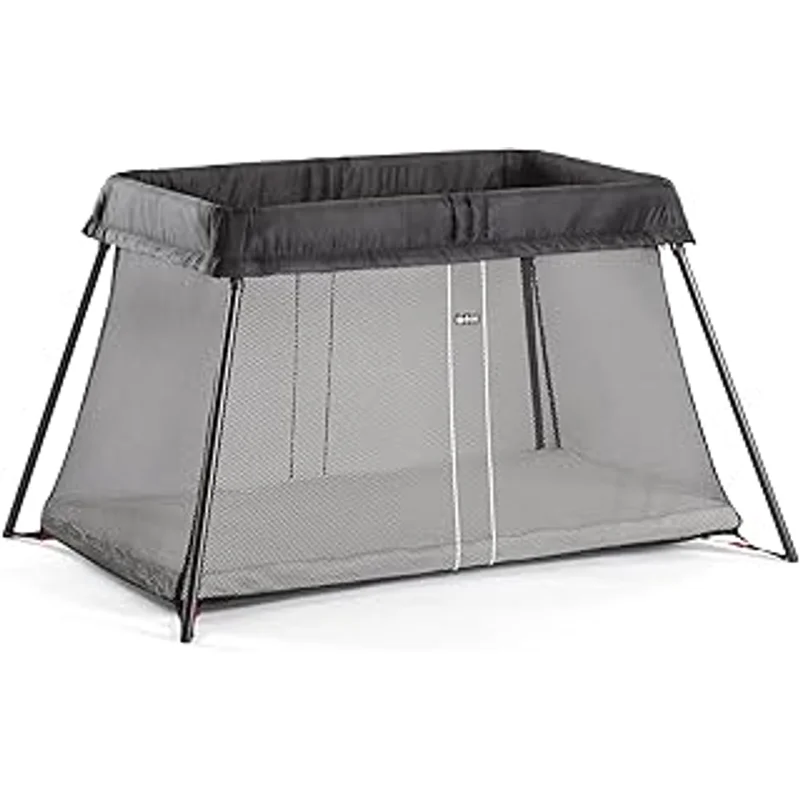
$229.99

$299.99
| Product | Sleep-Surface Firmness Class | Interior Sleeping-Area Length | Sleep-Level Configuration | Score | Price | Actions |
|---|---|---|---|---|---|---|
| Unlock safety data | 9.4 | $299.99 | ||||
| Unlock safety data | 7.8 | $249.95 | ||||
| Unlock safety data | 7.5 | $400 | ||||
| Unlock safety data | 6.7 | $229.99 | ||||
| Unlock safety data | 5.4 | $299.99 |
See what's behind every score, and which ones failed
Free account unlocks full safety test results, complete spec breakdowns, and what disqualified the ones that didn't make the list.
Already have an account?Sign in
Renee's Take · Oct 2026
The safest travel crib is about the surface, not the fold
Shopping for a travel crib turns into two questions at once, and most guides only answer the easy one. The first question is practical: do you even need a travel crib, or does a Pack 'n Play cover it? The second is the one that keeps parents up at night: is it actually safe for a baby to sleep in? Almost every roundup ranks these on how small they fold and how light they are to carry. That matters at a hotel at midnight, but it is not what your baby spends the night breathing against. So we flipped the priority. We check the sleep surface first, whether the pad is firm and thin instead of soft and squishy, whether the mattress fits the frame without a gap, and whether the fabric and mesh disclose their chemistry. That focus is not abstract. The travel-sleep recalls of the last two years were almost all about the same thing: an aftermarket mattress that did not fit, leaving a gap a baby could slip into. The picks that win here are the ones that ship a firm, well-fitted surface and tell you what is in it, so you are not filling the gap yourself with a soft add-on pad.
What Matters Most?
The criteria R3 evaluates for every travel cribs
Safety
Mattress / Sleep-Pad Thickness, Sleep-Surface Firmness Class, Ships With Fitted OEM Sleep Surface
Usability
Setup / Fold Mechanism, Packed Weight, Carry / Transport Mode
Efficacy
Interior Sleeping-Area Length
What to Watch For
Safety factors I look at closely when rating travel cribs
An aftermarket mattress that does not fit
The travel-sleep recalls of 2025 and 2026 centered on replacement pack-and-play mattresses that left a gap at the frame, an entrapment and suffocation hazard. Several were sold on major marketplaces before being pulled.
Use only the fitted pad that ships with the crib. Do not buy a separately-sold aftermarket mattress, and never stack a second pad on top.
A stock pad so hard that parents add a topper
Some cribs draw complaints that the included pad feels like cardboard, which pushes parents to add a soft topper. That reintroduces the exact soft-surface suffocation risk safe sleep warns against.
Favor a crib whose own surface is firm but designed to be slept on as-is, so you are never tempted to soften it.
Related Categories
Other categories families browse alongside this one.