Toddler travel beds · Ranked for roll-off safety and fit
Which toddler travel bed is safe once they outgrow the pack n play?
Your toddler is too big for the travel crib but not ready for a strange hotel bed, and a lot of these are just air mattresses they roll right off. I checked every one for real side rails, honest weight and height limits, and how small it packs, so you know which ones actually keep a sleeping 3 year old put.

By Renee Torres, R3 Research Lead·Updated Oct 2026
7 products · 7 brands40+ hrs researchNo brand pays us
Get the Toddler Travel Beds shortlist, free
The picks that cleared safety, what to skip, and why price didn’t predict the winner.
No spam. Unsubscribe any time.
All Toddler Travel Beds Rankings
7 of 7 products
$69.99
2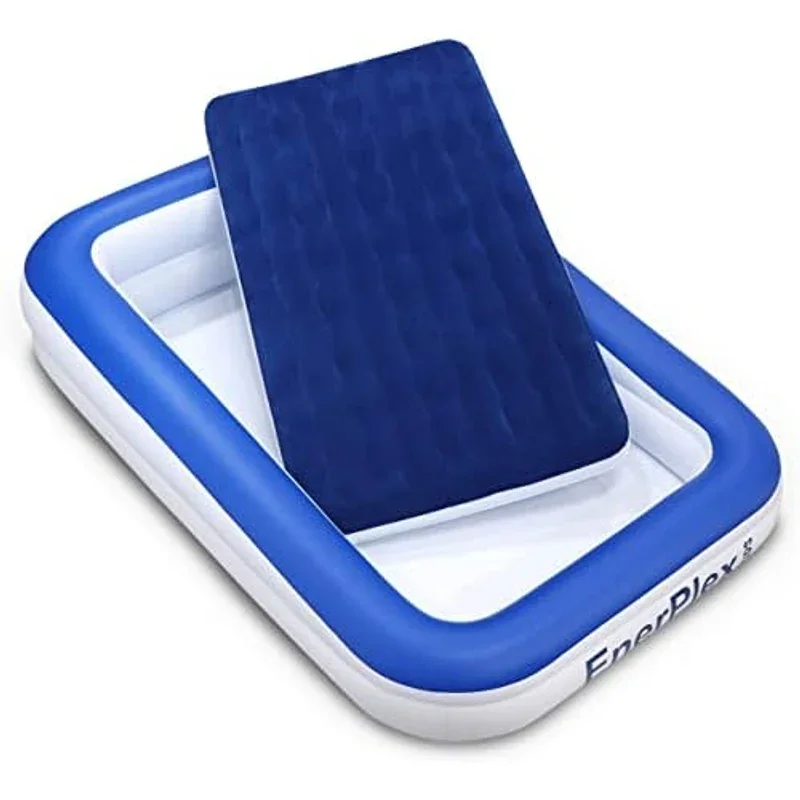
EnerPlex
EnerPlex Kids Inflatable Travel Bed with High Speed Pump - Built-in Safety Bumper (Blue)
Efficacy
6.9
$29.99
$27.98
| Product | ASTM F2085 / 16 CFR 1224 Conformance Claim | Air-Retention Construction | Inflation Method | Score | Price | Actions |
|---|---|---|---|---|---|---|
| Unlock safety data | 6.9 | $69.99 | ||||
| Unlock safety data | 6.9 | $29.99 | ||||
| Unlock safety data | 6.5 | $169 | ||||
| Unlock safety data | 6.2 | $27.98 | ||||
| Unlock safety data | 6.1 | $17.48 |
Not all 7 toddler travel beds cleared our safety screen.
See which ones we flagged, which failed, and which ranked #1.
See which of these 7 products actually passed our safety screen
Free account unlocks full safety test results, complete spec breakdowns, and what disqualified the ones that didn't make the list.
Already have an account?Sign in
Compare Toddler Travel Beds head-to-head
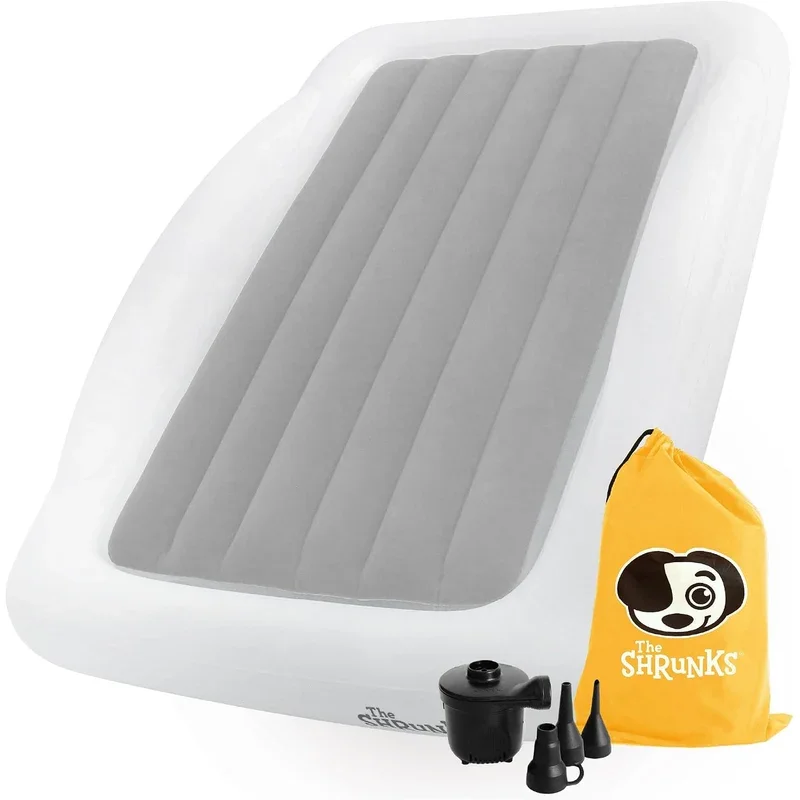
- EnerPlex Kids Inflatable Travel Bed with High Speed Pump - Built-in Safety Bumper (Blue) vs The Shrunks Toddler Travel Bed with Side Bed Rails and Electric Pump (Grey)
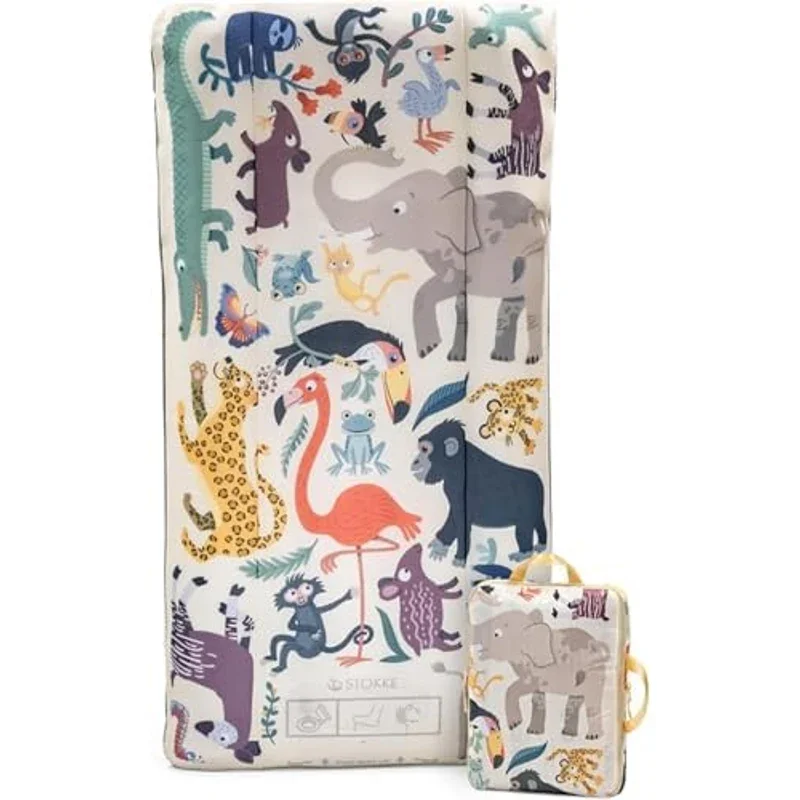
- EnerPlex Kids Inflatable Travel Bed with High Speed Pump - Built-in Safety Bumper (Blue) vs JetKids by Stokke CloudSleeper Inflatable Kids Travel Bed (Integrated Pump, Full-Length Bumpers, Ages 3+)
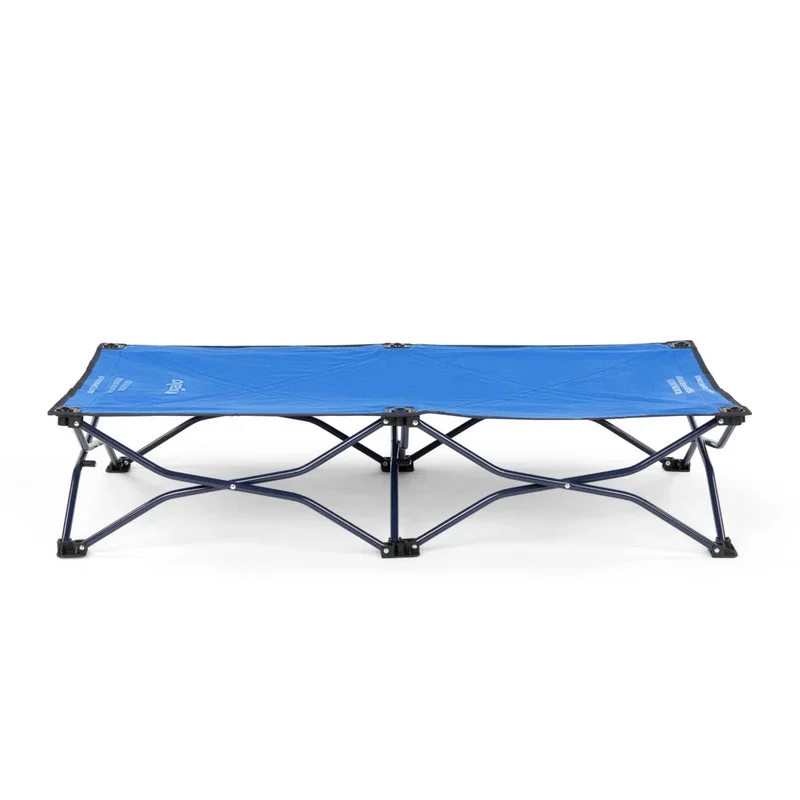
- EnerPlex Kids Inflatable Travel Bed with High Speed Pump - Built-in Safety Bumper (Blue) vs Regalo My Cot Portable Toddler Bed (Royal Blue, all-metal frame)
Renee's Take · Oct 2026
Not one toddler travel bed I checked meets the federal bed-rail standard
Your toddler outgrew the pack n play, and now you are staring at a wall of near-identical inflatable beds and foam cots, trying to work out which one is actually safe for a two or three year old to sleep on in a hotel room. Most roundups rank these by how small they pack. I ranked them by whether the rails really stop a roll-off, whether the brand discloses a minimum age, and whether any of them meet a real safety standard.
Here is the finding that reorders the whole category: not one toddler travel bed sold today meets ASTM F2085, the federal standard for children's portable bed rails, and none carries independent safety certification. On top of that, the CPSC warns against inflatable and air-mattress sleep for children under 15 months because of the suffocation risk, so the age on the box matters as much as the bumpers.
The two beds I rate highest both use full four-sided bumpers to keep a sleeping child from rolling off: the EnerPlex at $29.99, which is the cheapest bed with full-perimeter bumpers and discloses a 36-month minimum, and The Shrunks at $69.99, cleared for 24 months and up. The JetKids by Stokke CloudSleeper is the only PVC-free bed, built from TPU, but it costs $169 and has just two side rails instead of a full perimeter. The most popular pick, the hiccapop at $89.99, has full bumpers but does not publish any minimum safe-use age at all, which is why it lands near the bottom at 5.5. If you would rather skip the air-mattress question entirely, the Regalo My Cot at $27.98 and the Milliard foam nap mat are elevated or floor surfaces with no inflation risk, though they also have no side bumpers.
The honest bottom line: the safest pick here is also nearly the cheapest, and no amount of spending buys you a certified toddler travel bed today.
What Matters Most?
The criteria R3 evaluates for every toddler travel beds
Safety
ASTM F2085 / 16 CFR 1224 Conformance Claim, Manufacturer Minimum Age, Bumper / Rail Coverage
Efficacy
Air-Retention Construction, Weight Capacity, Sleep-Surface Length
Usability
Inflation Method, Packed Volume, Product Weight
What to Watch For
Safety factors I look at closely when rating toddler travel beds
Rolling off a bed with no bumpers
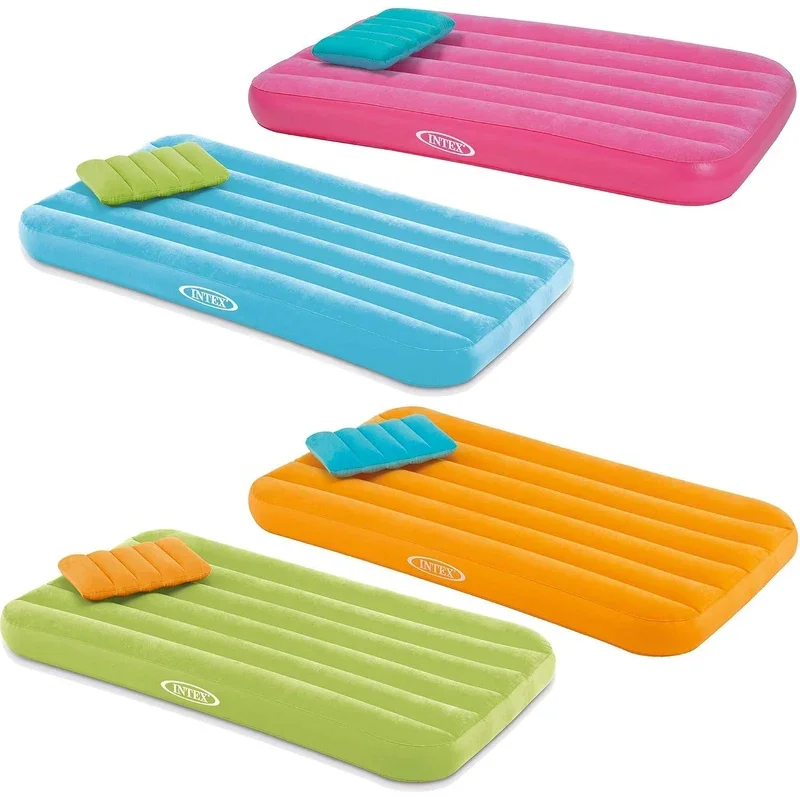
Three of the picks have no side barrier at all: the Regalo My Cot (6.2), the Intex Cozy Kidz airbed (6.1), and the Milliard foam nap mat (5.8). On a flat or elevated surface with no raised edge, a sleeping toddler can roll off, which is the exact thing most parents are trying to prevent when they buy one of these.
If roll-off is your main worry, choose a bed with full four-sided bumpers like the EnerPlex or The Shrunks. If you prefer a bumperless cot or mat, place it against a wall and away from any drop.
Air-mattress sleep before 15 months
The CPSC warns against putting children under 15 months to sleep on inflatable beds and air mattresses because the soft, shifting surface raises the suffocation risk. Most travel beds here, including the hiccapop, EnerPlex, and Intex Cozy Kidz, are PVC air mattresses meant for older toddlers, not babies.
Do not use an inflatable travel bed for a child under 15 months. For a younger child, use a firm, flat sleep surface such as a travel crib instead.
Related Categories
Other categories families browse alongside this one.