Clean protein powder, tested for lead and heavy metals
Which protein powders are actually free of lead and heavy metals?
Most protein powders never show you a lab report, and independent testing keeps finding lead and other heavy metals in the ones that stay quiet. I ranked every powder on whether it proves what is actually in the tub, not just what the label claims.

By Renee Torres, R3 Research Lead·Updated Oct 2026
8 products · 7 brands40+ hrs researchNo brand pays us
Get the Protein Powder shortlist, free
The picks that cleared safety, what to skip, and why price didn’t predict the winner.
No spam. Unsubscribe any time.
All Protein Powder Rankings
8 of 8 products
$59.99
$59.99
$114.99
| Product | Published Heavy-Metal Test / COA Disclosure | Protein Label-Accuracy Verification | Score | Price | Actions |
|---|---|---|---|---|---|
| Unlock safety data | 9.2 | $59.99 | |||
| Unlock safety data | 7.7 | $59.99 | |||
| Unlock safety data | 7.2 | $79 | |||
| Unlock safety data | 6.5 | $114.99 | |||
| Unlock safety data | 5.8 | $49.99 |
Not all 8 protein powder cleared our safety screen.
See which ones we flagged, which failed, and which ranked #1.
See which of these 8 products actually passed our safety screen
Free account unlocks full safety test results, complete spec breakdowns, and what disqualified the ones that didn't make the list.
Already have an account?Sign in
R3 Lab-Report Audit
A sport badge is not a clean-metal test
A certification screens for what it screens for, not for clean metals: NSF Certified for Sport checks banned substances and label accuracy, yet Consumer Reports still measured two NSF-certified plant powders here at 476% and 564% of its lead level of concern. The only real proof of the lead and cadmium in a tub is a published per-lot heavy-metal report you can look up, not a seal on the label.
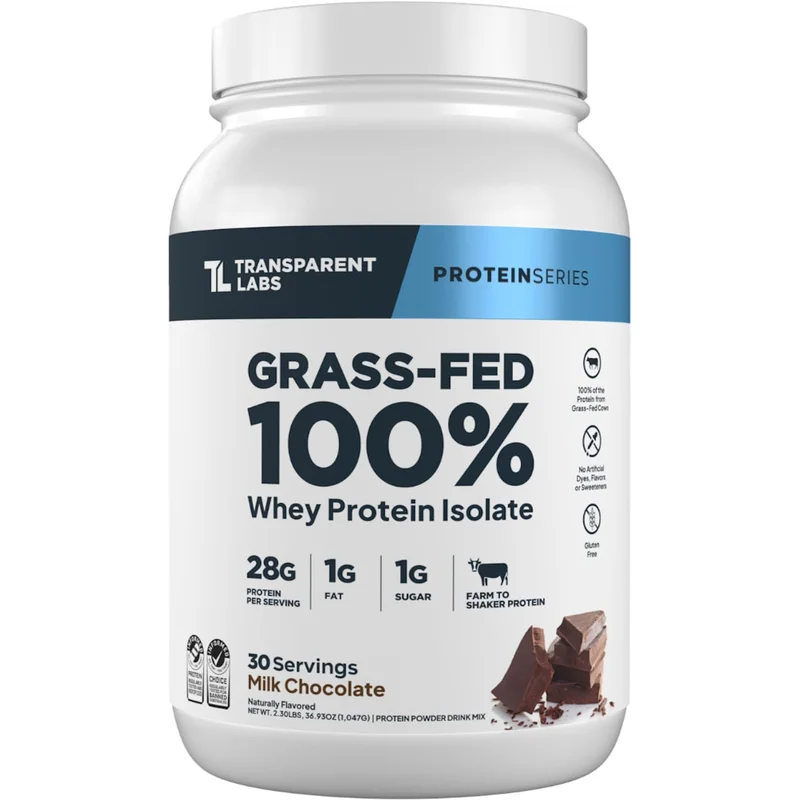
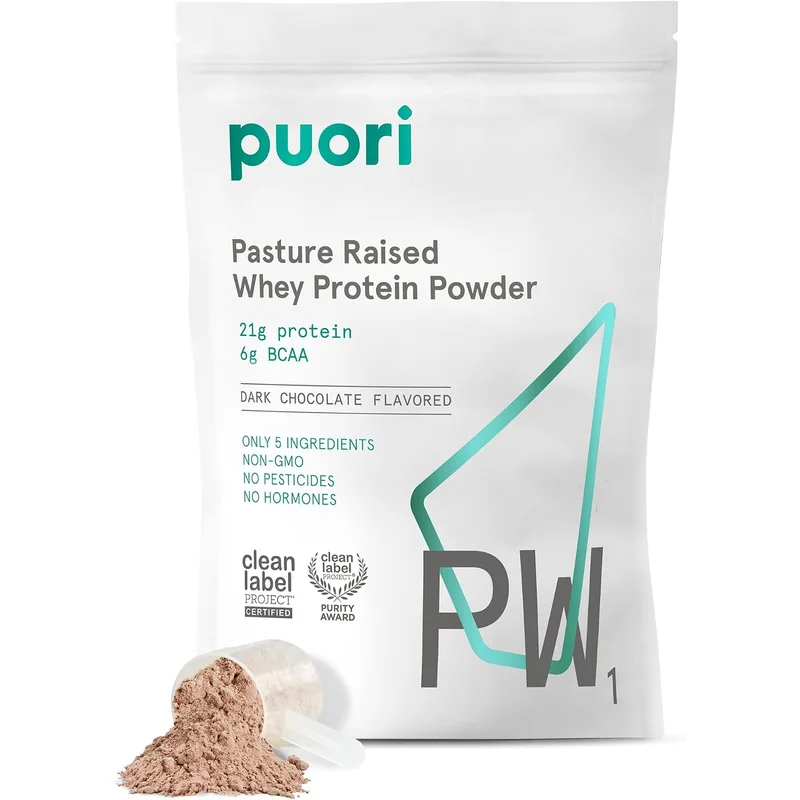
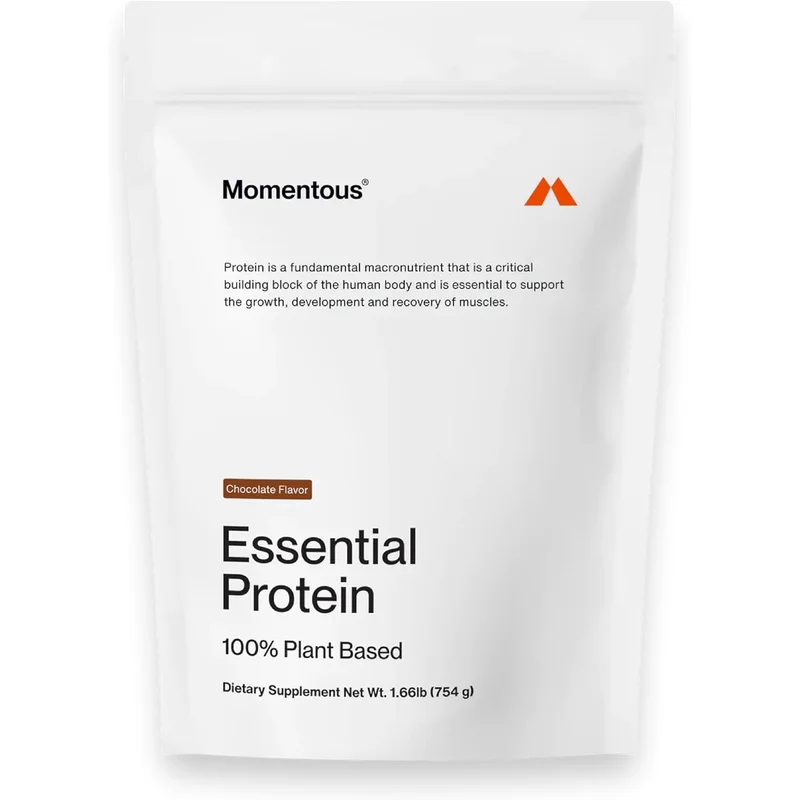
Publishes a per-lot heavy-metal report you can look up: Momentous Grass-Fed Whey Protein Isolate, Chocolate, Transparent Labs Grass-Fed Whey Protein Isolate Milk Chocolate, Puori PW1 Grass-Fed Whey Protein Dark Chocolate, Momentous Plant-Based Protein Chocolate. You can pull the third-party lead, cadmium, and arsenic result for the exact lot, so what is inside is provable, not just claimed.
Renee's Take · Oct 2026
The cleanest protein powders publish a lead test, not a badge
If you reached for protein powder to be healthier, a lead problem is the last thing you expected. When Consumer Reports tested 23 popular protein powders and shakes in 2026, it found concerning levels of lead in most of them, and the plant-based powders that read as the cleanest often tested the highest. That is the exact worry I kept seeing from clean-label and plant-based buyers, and it is a fair one.
Most shoppers miss one gap. "Lab tested" on a tub is not the same as a published lab report, and the only real proof of the heavy metals in your protein is a current third-party test for the exact product, one you can actually look up. Most brands only claim they test. A certification badge does not close it either, because NSF Certified for Sport screens for 290 banned substances and label accuracy, and its published lead limit of 10 micrograms a day is 20 times looser than California's Prop 65 level of 0.5 micrograms, the threshold Consumer Reports treats as its lead level of concern.
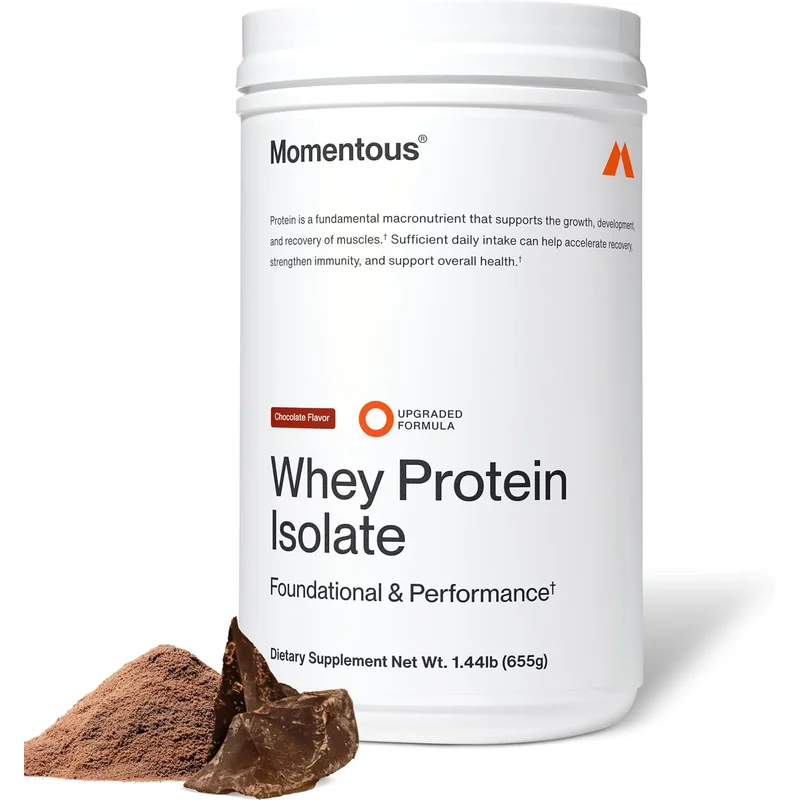
That single fact reorders the category. Momentous Grass-Fed Whey Isolate at 9.2 publishes a per-lot Light Labs report and measured only 30% of that lead level of concern, and Transparent Labs at 7.7 publishes its purity results too. The cautionary cases are the plant powders wearing the same seals. Consumer Reports measured Garden of Life Sport at 5.4 at 564% of the lead level of concern despite an NSF-for-Sport seal and a USDA Organic label, and Momentous Plant-Based at 5.9 at 476%. Vega Sport at 5.7 also exceeded the level of concern for cadmium.
Whey tends to test cleaner than plant protein, but the number that actually matters is whether the brand shows you the result. Buy the powder that publishes its heavy-metal test rather than the one with the most seals.
What Matters Most?
The criteria R3 evaluates for every protein powder
Safety
Published Heavy-Metal Test / COA Disclosure, Measured Lead per Serving, Measured Cadmium per Serving
Efficacy
Protein Label-Accuracy Verification, Protein per Serving, Added Sugar per Serving
What to Watch For
Safety factors I look at closely when rating protein powder
Lead, especially in plant proteins
Lead is the category's headline risk. Consumer Reports found concerning lead in most of the 23 protein powders it tested in 2026, and the highest reading in my set was Garden of Life Sport at 5.4, measured at 564% of the lead level of concern, followed by Momentous Plant-Based at 5.9 at 476%. Plant sources drive most of it: the Clean Label Project found 77% of plant proteins over a Prop 65 lead level versus 28% of whey.
If you drink a shake daily, choose a whey isolate that publishes its heavy-metal test, like Momentous at 9.2, and treat any powder over 100% of the level of concern as a limit-weekly option.
Related Categories
Other categories families browse alongside this one.