Third-party-tested creatine · Checked for heavy metals, real dose & hidden additives
Which creatine is actually pure and honestly dosed?
Creatine is the most-studied supplement there is, but almost nobody checks what's actually in the tub. I ranked the popular ones on independent heavy-metal and banned-substance testing, whether the powder is genuinely Creapure, and whether gummies really deliver the dose on the label. Only a few clear the bar.

By Renee Torres, R3 Research Lead·Updated Oct 2026
8 products · 6 brands40+ hrs researchNo brand pays us
Get the Creatine shortlist, free
The picks that cleared safety, what to skip, and why price didn’t predict the winner.
No spam. Unsubscribe any time.
All Creatine Rankings
8 of 8 products
| Product | Heavy-Metal Testing & Disclosure | Creatine Dose per Serving (g) | Additives & Sweeteners | Score | Price | Actions |
|---|---|---|---|---|---|---|
| Unlock safety data | 8.3 | $49.99 | ||||
| Unlock safety data | 7.6 | $24.99 | ||||
| Unlock safety data | 7.2 | $39.99 | ||||
| Unlock safety data | 7.0 | $40 | ||||
| Unlock safety data | 6.8 | $37.90 |
Not all 8 creatine cleared our safety screen.
See which ones we flagged, which failed, and which ranked #1.
See which of these 8 products actually passed our safety screen
Free account unlocks full safety test results, complete spec breakdowns, and what disqualified the ones that didn't make the list.
Already have an account?Sign in
Compare Creatine head-to-head
R3 Purity Testing Audit
Who actually proves what is in the tub
Creatine works, so what separates these is not whether it is monohydrate, it is whether the brand publishes an independent heavy-metal test for the powder. The FDA does not test supplements before sale, so a published lab result is the only real proof, and most brands only claim they test.
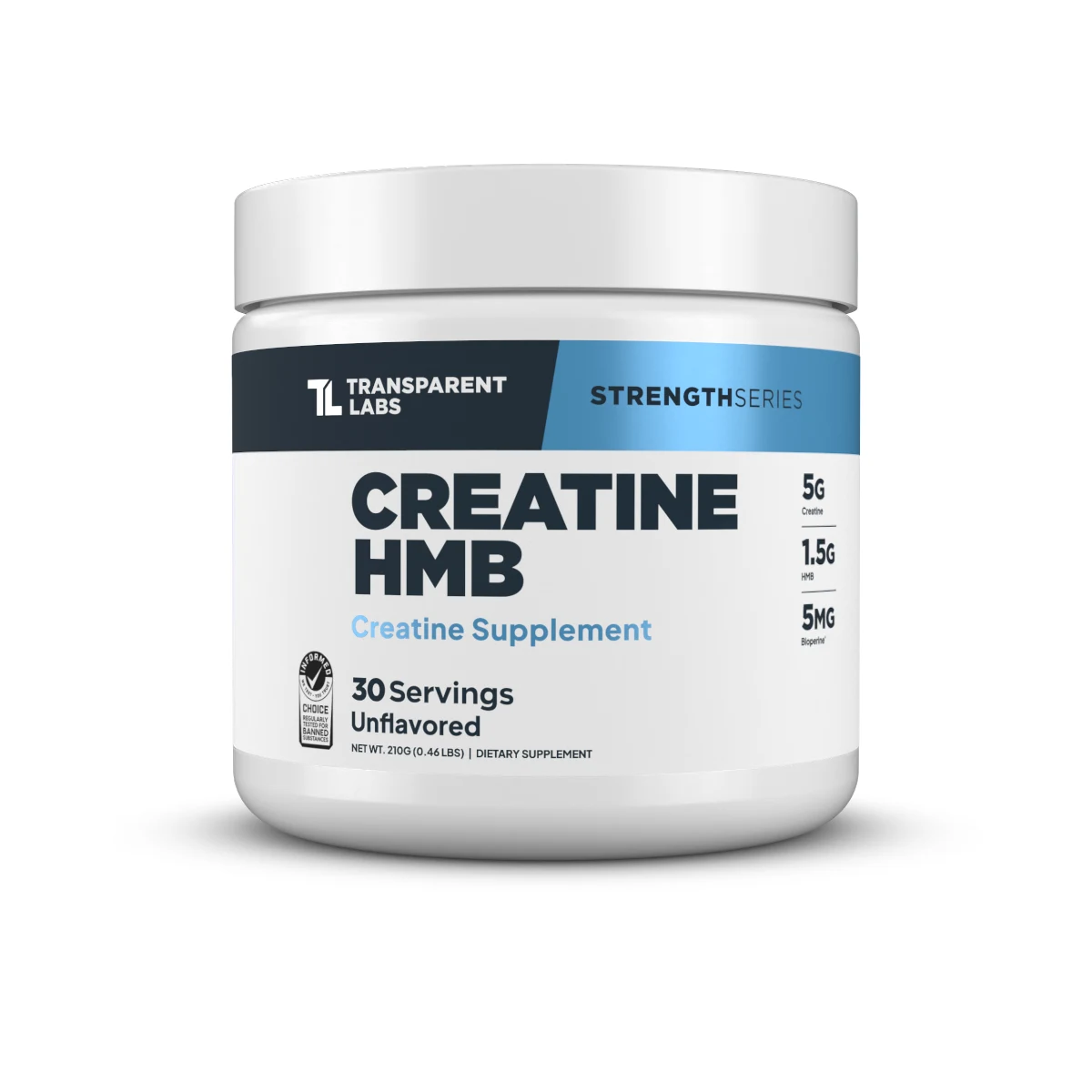
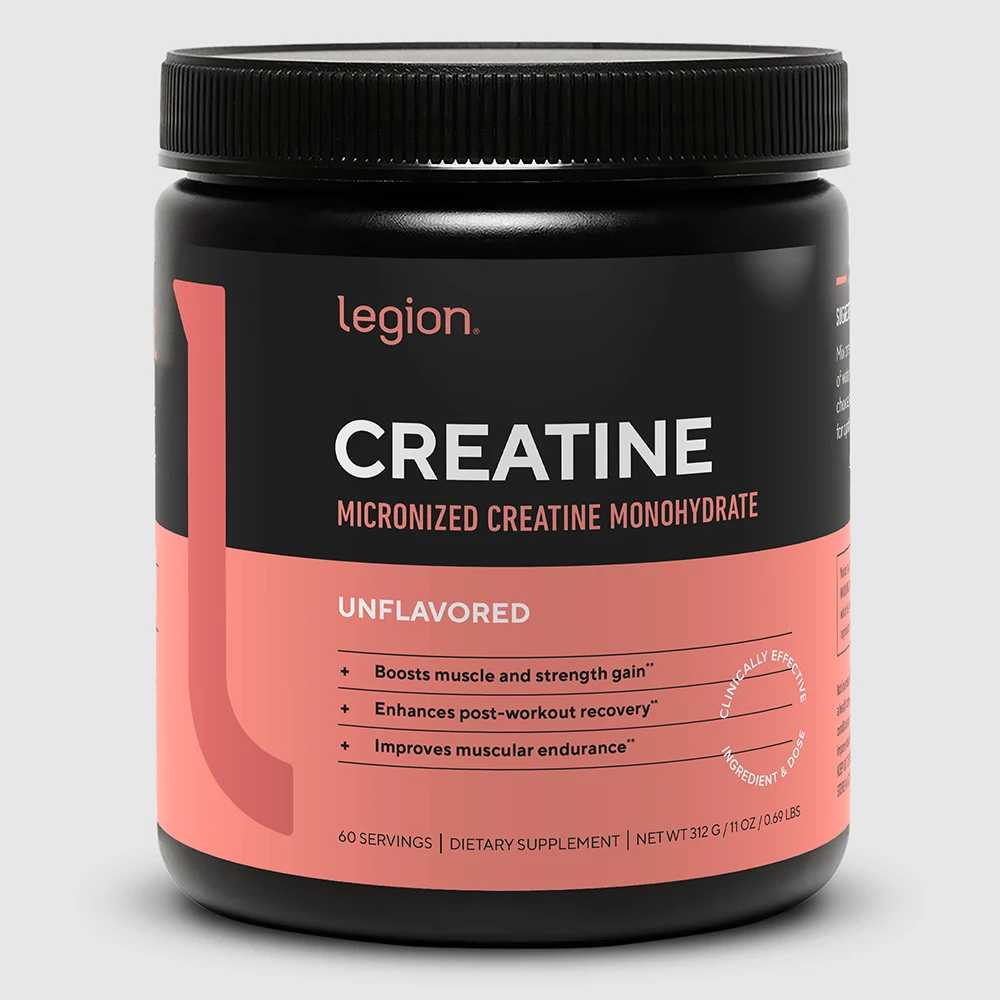
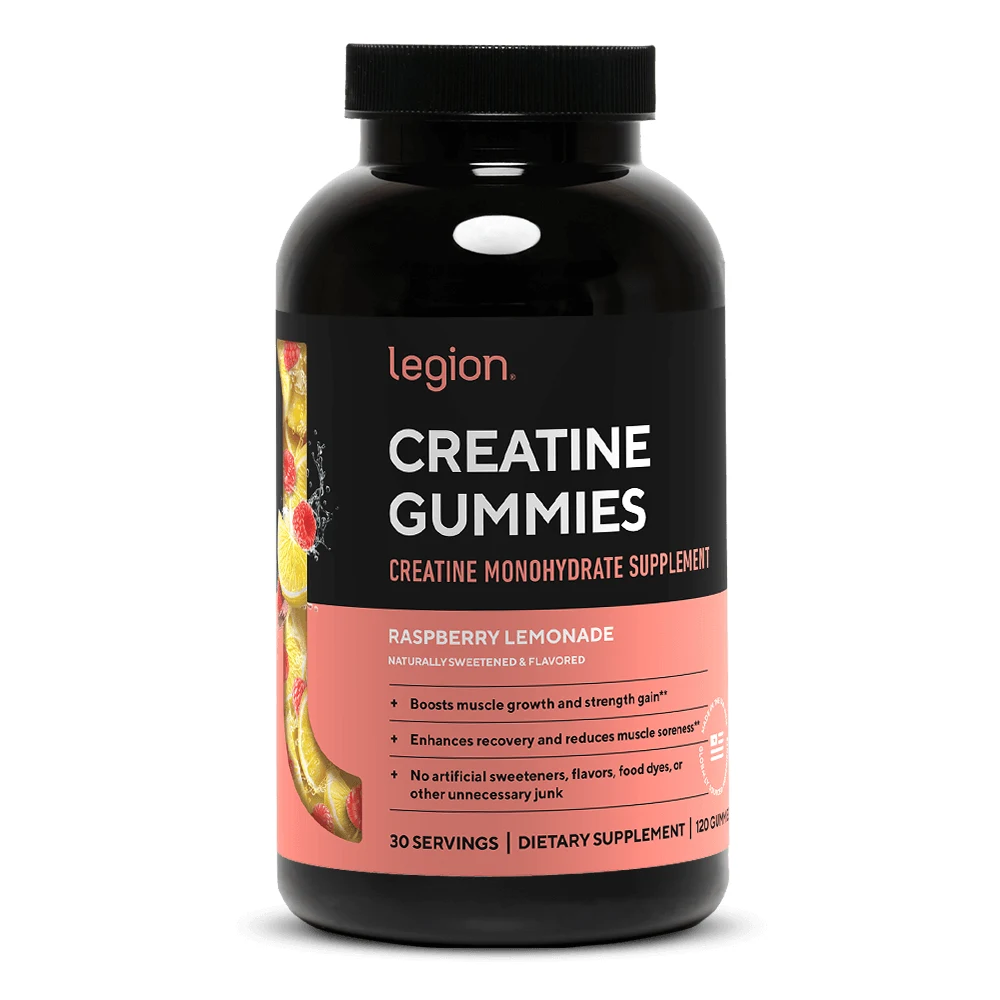
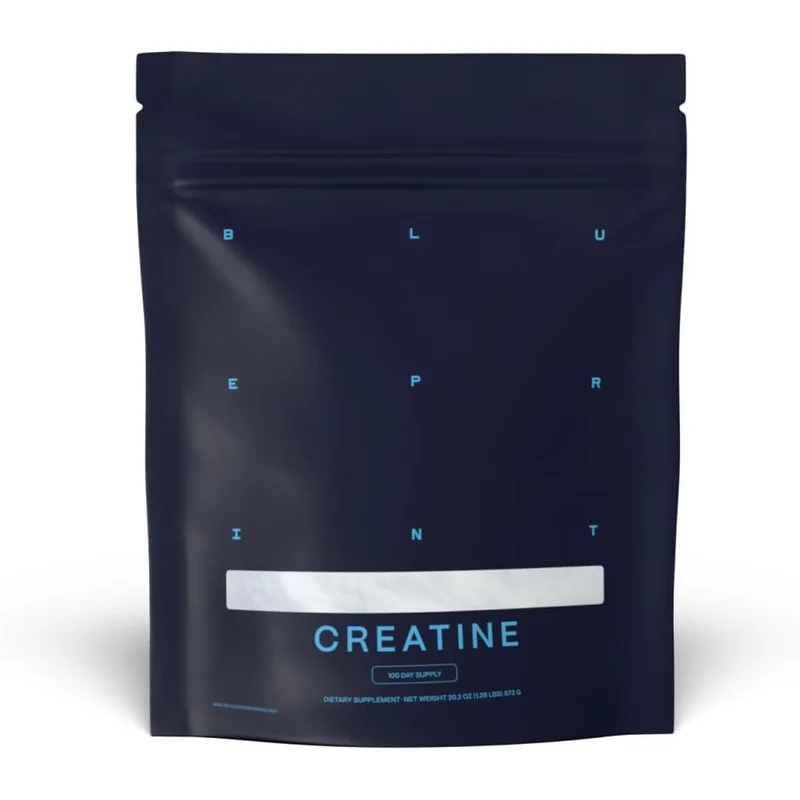
Publishes heavy-metal results: Transparent Labs Creatine HMB, Legion Micronized Creatine Monohydrate, Legion Creatine Monohydrate Gummies, Blueprint Bryan Johnson Creatine Monohydrate Powder. You can see real third-party lead, cadmium, and arsenic numbers for the powder, not just a claim.
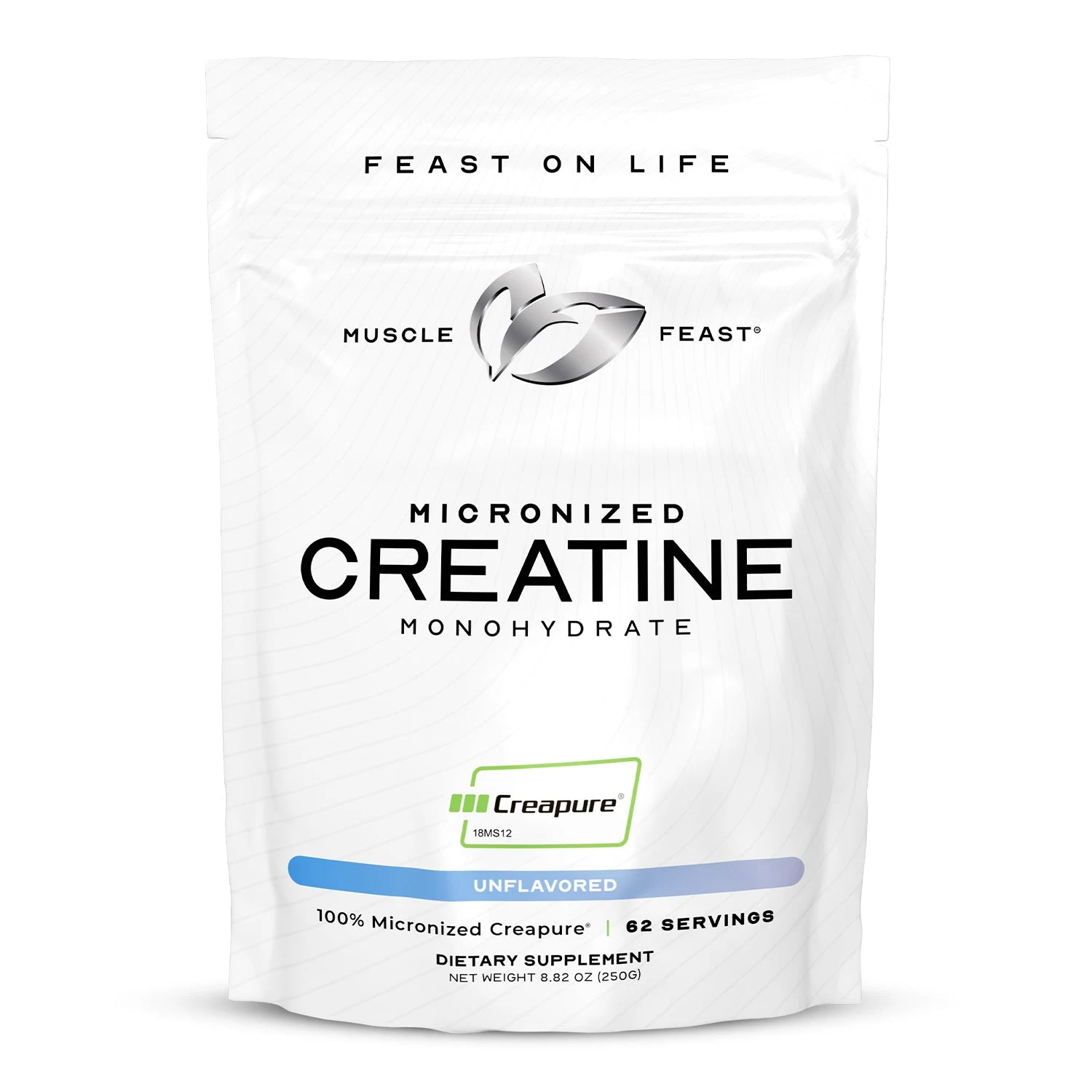
Says "third-party tested," shows nothing: Muscle Feast Micronized Creatine Monohydrate (Creapure); . The label markets testing or screening, but no heavy-metal result is published for you to check.
Renee's Take · Oct 2026
Which creatine is actually pure, and which just says it is?
If you added creatine to your cart, you have already made the smart call. It is one of the most-studied supplements there is, and a plain 5 gram daily dose of monohydrate is the version the research supports, per Examine. The hard part is not whether it works. It is which tub is actually clean, because that is the one thing the label almost never proves.
Here is the gap most buyers miss: the FDA does not test or approve supplements before they are sold, and there is no federal limit on heavy metals in a creatine tub. Consumer Reports found in October 2025 that over two-thirds of the protein and supplement powders it tested carried more lead per serving than its own safety threshold. So the only real proof a creatine is clean is an independent lab result the brand chooses to publish, and most brands only say they test.
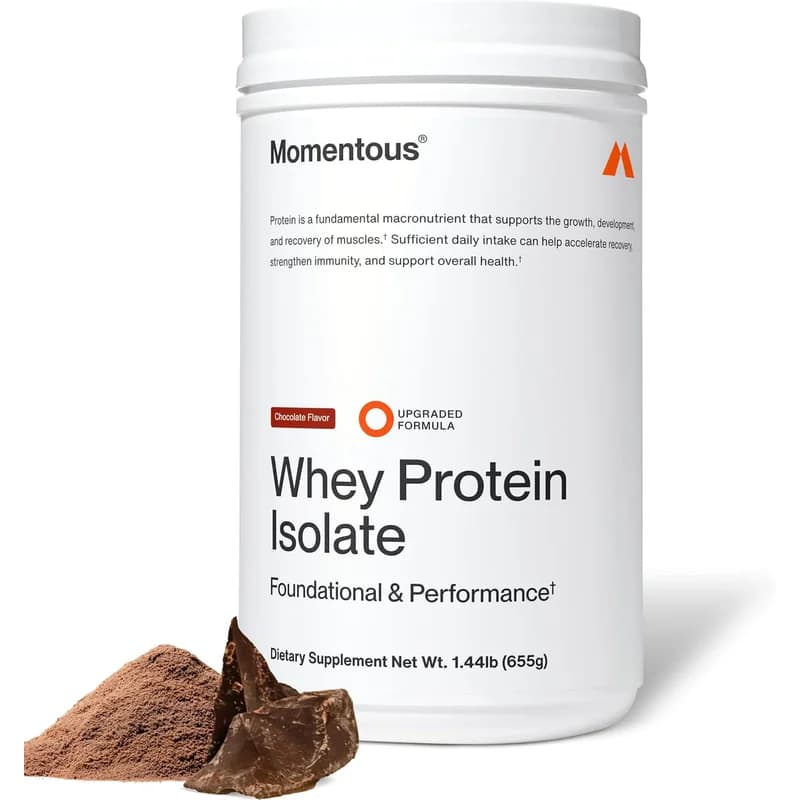
That single fact reorders the whole category. Legion Micronized Creatine at 7.6 and Transparent Labs Creatine HMB at 8.3 publish real third-party numbers, so they rise. The two Muscle Feast tubs use Creapure, the German raw material engineered to be lowest in production by-products, yet they land at 6.7 and 6.8 because they screen but never show you the result. And a correctly dosed 5 gram monohydrate like Jacked Factory at 4.5 is capped by disclosing no source and no test at all.
The honest verdict: creatine is close to a solved problem, so buy the one that proves what is in the tub, and the plain monohydrate that shows its lab work costs less than the certified blend at the top.
What Matters Most?
The criteria R3 evaluates for every creatine
Safety
Heavy-Metal Testing & Disclosure, Creatine Source & Purity, Banned-Substance Certification
Efficacy
Creatine Dose per Serving, Creatine Form & Delivery Format
Usability
Additives & Sweeteners, Micronized / Solubility
What to Watch For
Safety factors I look at closely when rating creatine
Heavy metals with no published test
There is no federal limit on lead, cadmium, or arsenic in creatine, and Consumer Reports found over two-thirds of the protein and supplement powders it tested in October 2025 exceeded its lead threshold. Jacked Factory at 4.5 and AS-IT-IS at 4.0 publish no heavy-metal result you can check.
Buy a creatine that publishes an independent Certificate of Analysis, like Legion at 7.6 or Transparent Labs at 8.3.
A great source claim with nothing to back it
Related Categories
Other categories families browse alongside this one.