Greens powders · Screened for heavy metals, hidden doses & fillers
Which greens powders are actually tested for lead?
One of the biggest brands is being sued over lead, and a top seller was pulled off shelves in January after a Salmonella outbreak. I sorted {count} greens powders by which ones publish real lab results for lead, cadmium, and arsenic, and which ones hide the doses behind a 'proprietary blend.' The most expensive tub is not the cleanest.

By Renee Torres, R3 Research Lead·Updated Oct 2026
7 products · 7 brands40+ hrs researchNo brand pays us
Get the Greens Powder shortlist, free
The picks that cleared safety, what to skip, and why price didn’t predict the winner.
No spam. Unsubscribe any time.
All Greens Powder Rankings
7 of 7 products
$39.99
$39.99
$29.95
| Product | Published Finished-Product Heavy-Metal Testing / COA | Per-Ingredient Dosing Transparency | Score | Price | Actions |
|---|---|---|---|---|---|
| Unlock safety data | 7.1 | $39.99 | |||
| Unlock safety data | 5.4 | $99 | |||
| Unlock safety data | 5.2 | $39.99 | |||
| Unlock safety data | 3.5 | $29.95 | |||
| Unlock safety data | 3.3 | $32.58 |
Not all 7 greens powder cleared our safety screen.
See which ones we flagged, which failed, and which ranked #1.
See which of these 7 products actually passed our safety screen
Free account unlocks full safety test results, complete spec breakdowns, and what disqualified the ones that didn't make the list.
Already have an account?Sign in
R3 Heavy-Metal Testing Audit
Who actually shows you the heavy-metal test
What separates greens powders is not the ingredient list, it is whether the brand publishes finished-product lab results for lead, cadmium, and arsenic. Most only claim they test, and organic greens have tested about three times higher for lead, so the organic seal certifies the farm, not the powder in the tub.
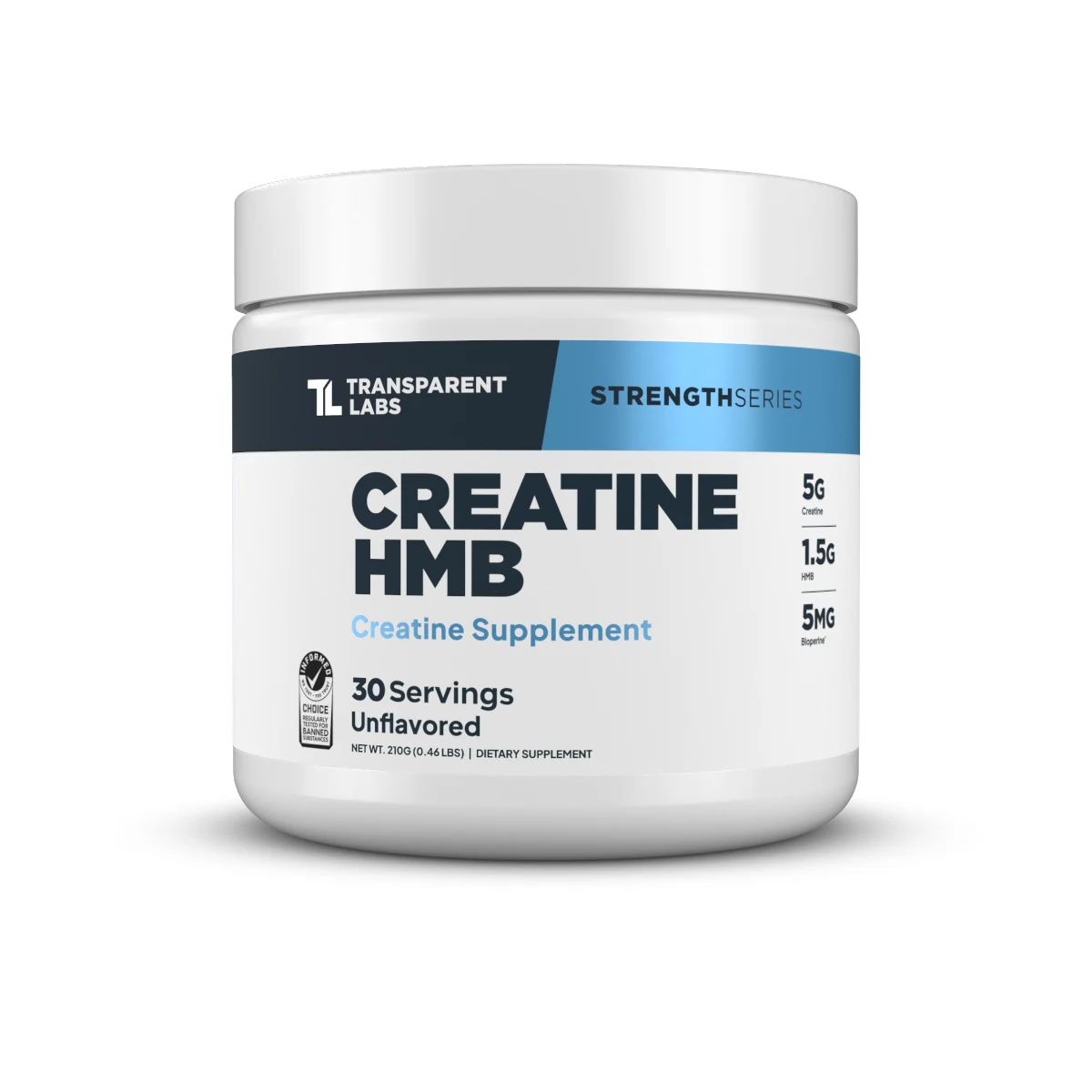
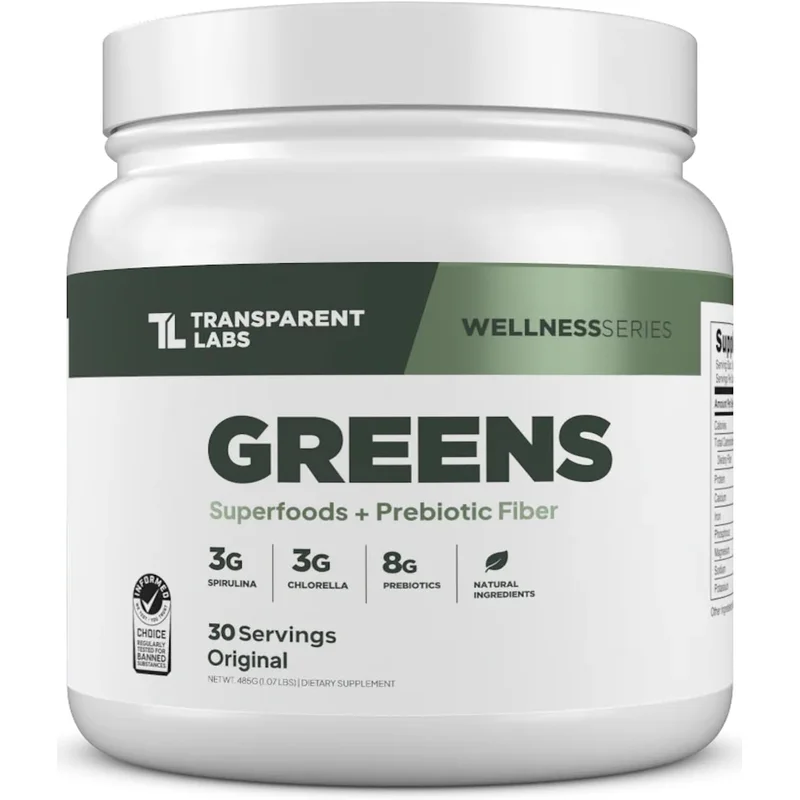
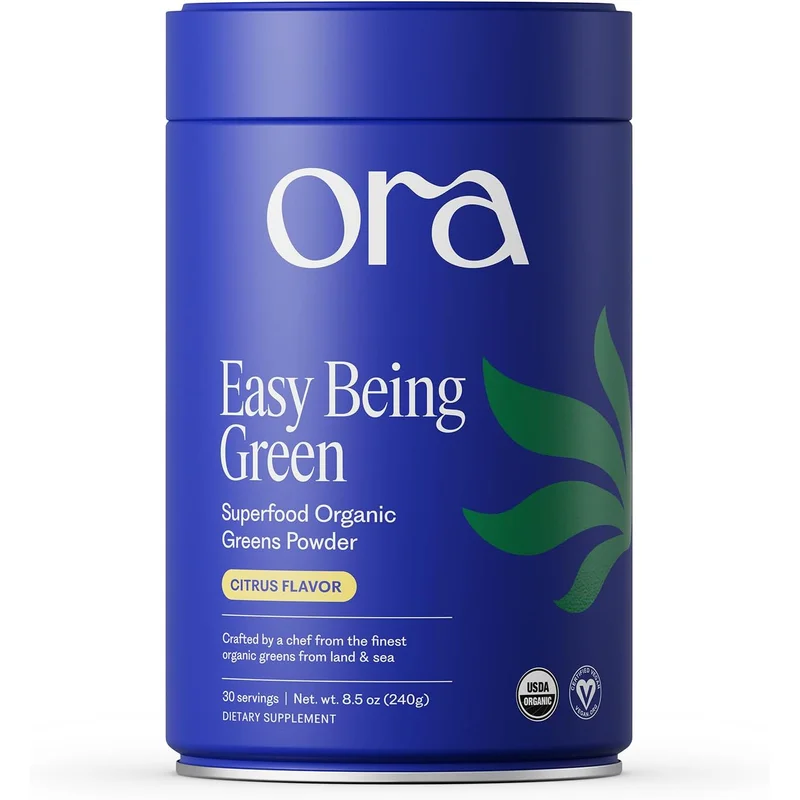
Publishes heavy-metal results: Transparent Labs Prebiotic Greens, Ora Organic Easy Being Green Greens Powder. You can see real third-party lead, cadmium, and arsenic numbers for the powder, not just a claim.
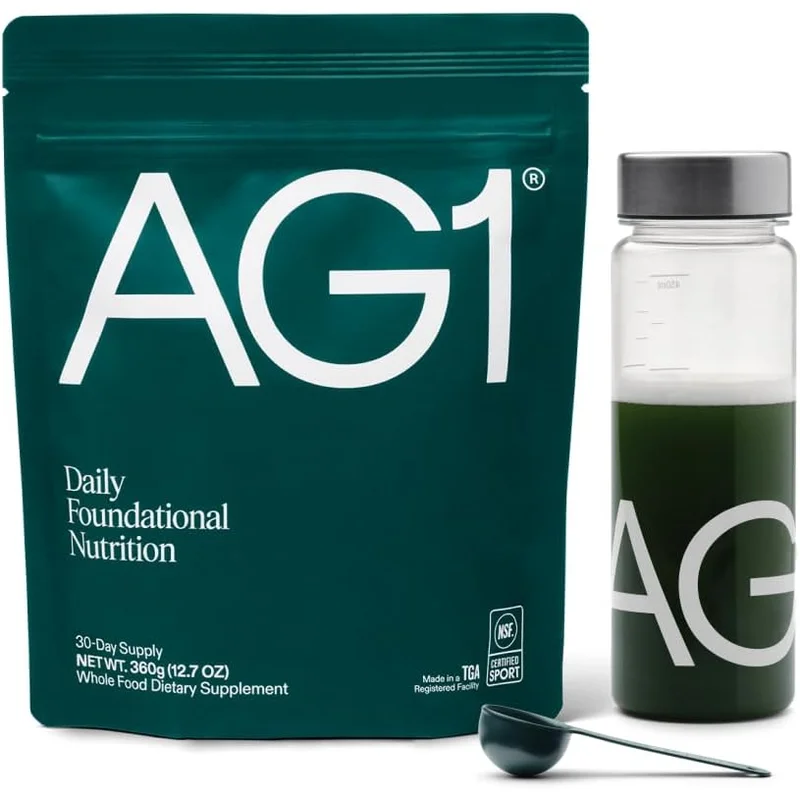
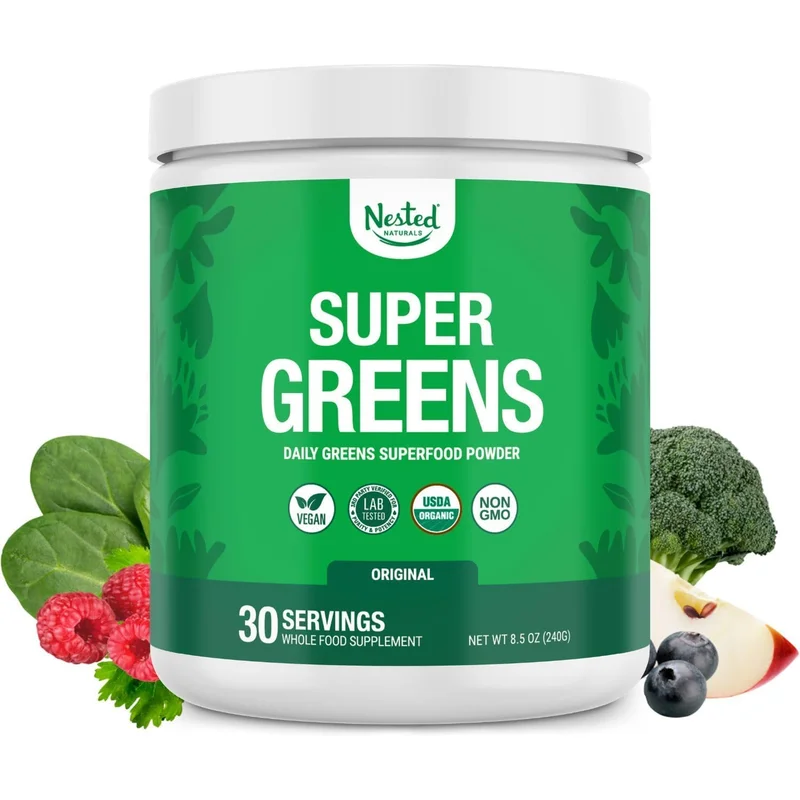
Says "third-party tested," shows nothing: AG1 (Athletic Greens) AG1 Athletic Greens (tested, not shown); Nested Naturals Super Greens (tested, not shown); ; . The label markets testing, and sometimes a sport or organic seal, but no lead, cadmium, or arsenic result is published for you to check.
Renee's Take · Oct 2026
Which greens powders are actually tested for lead, and which just say they are?
If you added a greens powder to your cart to eat more vegetables without cooking them, the two things you actually want to know are whether it is safe and whether it does anything for the price. It turns out those are the same question. Greens powders are their own problem because they are dried, concentrated leaves and algae, and the process that concentrates the nutrients also concentrates whatever lead, cadmium, and arsenic the plants pulled from the soil. The Clean Label Project reported that roughly 47% of the supplements it tested exceeded a California Prop 65 metal limit, and organic greens tested about three times higher for lead, because the organic seal certifies the farm, not the metal in the finished tub.
So the one thing that truly separates these powders is whether the brand publishes finished-product lab results, a per-batch Certificate of Analysis you can actually read, instead of a we-test-everything line with no numbers. Most brands only claim they test. Two current headlines make the point: AG1 is facing a 2026 Prop 65 lead class action, and Live It Up Super Greens was pulled in January 2026 after an FDA Salmonella recall linked to 119 illnesses.
My scoring system weights published heavy metals testing highest, gives credit only for registry-verified certifications like NSF or Informed, penalizes proprietary blends that hide the dose of every ingredient, and gives organic zero safety credit. The result is not the ranking the price tags predict. Transparent Labs Prebiotic Greens leads at 8.3 because it publishes third-party purity numbers, fully doses every ingredient, and is Informed certified. AG1 and Ora Organic Easy Being Green follow at 5.4 and 5.2, each strong on one axis but hiding doses in a blend. The cheapest and the cleanest-looking organic tubs, including Amazing Grass Green Superfood at 2.6, land at the bottom because they publish nothing you can check.
What Matters Most?
The criteria R3 evaluates for every greens powder
Safety
Active Recall / Microbial Safety, Published Finished-Product Heavy-Metal Testing / COA, Independent Third-Party Certification
Efficacy
Per-Ingredient Dosing Transparency, Dietary Fiber per Serving, Added Sugar / Sweetener Profile
What to Watch For
Safety factors I look at closely when rating greens powder
Heavy metals in dried greens and algae
This is the concern that drives the whole category. Dried greens, spirulina, and chlorella concentrate the lead, cadmium, and arsenic the plants absorbed, and the Clean Label Project reported that roughly 47% of tested supplements exceeded a Prop 65 metal limit. A daily scoop means daily exposure, and there is no safe level of lead. The problem is not that metals exist, it is that most brands will not show you how much is in the tub.
Favor a brand that publishes finished-product results for lead, cadmium, and arsenic, like Transparent Labs Prebiotic Greens. Treat a we-test-everything claim with no numbers as unverified.
A Prop 65 lead warning, even on organic tubs
A Prop 65 warning means disclosed lead exposure above 0.5 micrograms a day, and it shows up on products you would assume are clean. now carries one and faces a 2026 lead class action, and carries one despite being USDA organic. Organic certifies the farming, not the metal in the finished powder.
Related Categories
Other categories families browse alongside this one.