Non-toxic underwear · Ranked on PFAS testing and fiber transparency
Which underwear is actually non-toxic?
Every pair here is sold as organic cotton, but that label certifies the fiber, not the finishing chemistry sprayed on afterward. Only one brand published an independent lab test proving its fabric is PFAS-free, which is why it sits alone at the top.

By Renee Torres, R3 Research Lead·Updated Oct 2026
6 products · 6 brands40+ hrs researchNo brand pays us
Get the Adult Underwear shortlist, free
The picks that cleared safety, what to skip, and why price didn’t predict the winner.
No spam. Unsubscribe any time.
All Adult Underwear Rankings
6 of 6 products
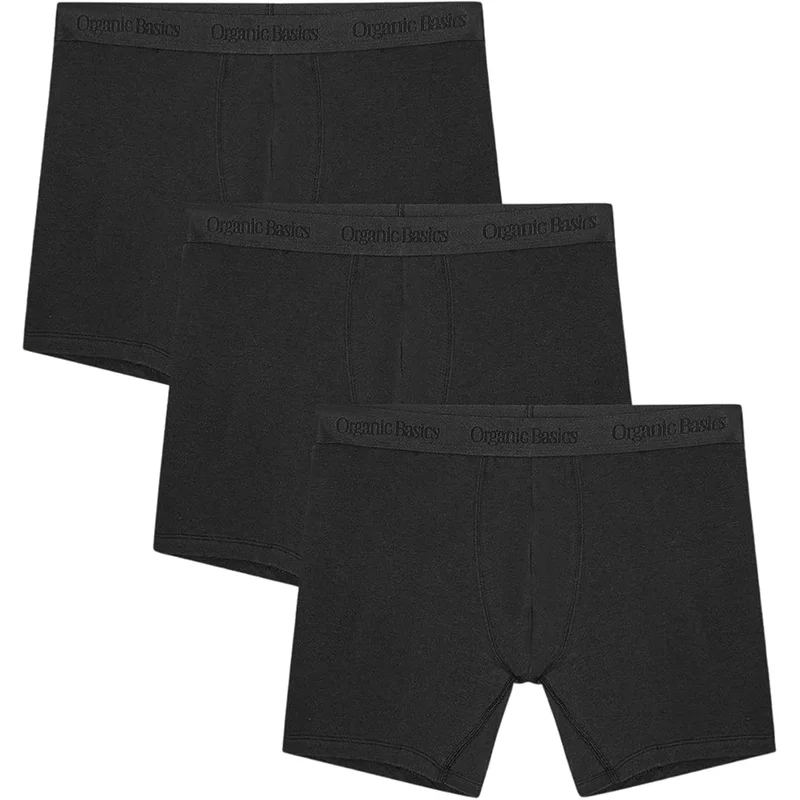
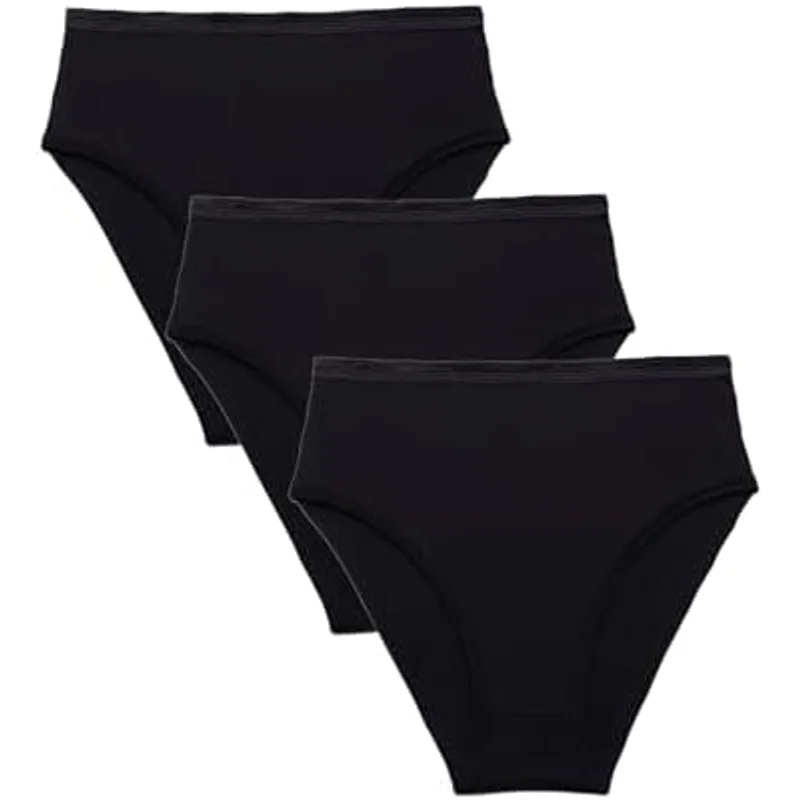
| Product | PFAS / Total Organic Fluorine Result or Compliance | Primary Fiber Type (moisture/odor) | Seam / Anti-Chafe Construction | Score | Price | Actions |
|---|---|---|---|---|---|---|
| Unlock safety data | 9.3 | $20 | ||||
| Unlock safety data | 7.0 | $49 | ||||
| Unlock safety data | 6.6 | $34 | ||||
| Unlock safety data | 6.4 | $8.28 | ||||
| Unlock safety data | 6.4 | $18.33 |
Not all 6 adult underwear cleared our safety screen.
See which ones we flagged, which failed, and which ranked #1.
See which of these 6 products actually passed our safety screen
Free account unlocks full safety test results, complete spec breakdowns, and what disqualified the ones that didn't make the list.
Already have an account?Sign in
R3 PFAS Evidence Audit
Organic cotton, but did anyone test it for PFAS?
Underwear sits against your skin all day, and its one hidden hazard is a PFAS stain or moisture finish that an "organic cotton" claim says nothing about. Nearly every pair here is sold as organic cotton, but only the ones that publish an independent lab test have actually proven the fabric is PFAS-free.
The other 6 are sold as organic cotton but publish no PFAS test of the fabric, so you are trusting the fiber label to speak for the finishing chemistry. See the PFAS column in the ranking above for how each scored.
Renee's Take · Oct 2026
Only one underwear brand here proves its cotton is PFAS-free
If you have been trying to buy cleaner underwear, you have probably searched for something like underwear without microplastics or safest 100% cotton and hit a wall of brands that all sound equally pure. Men and women end up in the same place here, because the fabric that sits against your skin all day is the same chemistry regardless of the cut. The hard part is not finding underwear that calls itself organic or non-toxic. It is that almost every brand makes that promise and almost none of them shows you the lab result behind it.
Here is the thing the label hides. Every pair I scored is sold as organic cotton, and that certification is real, but it only verifies how the fiber was grown. It says nothing about the finishing chemistry added afterward, which is where PFAS, or forever chemicals, and softness and water-repellent finishes actually live. Independent lab Mamavation found organic fluorine, a PFAS indicator, in about half of the bras it tested, so a natural fiber is not automatically a clean finished garment.
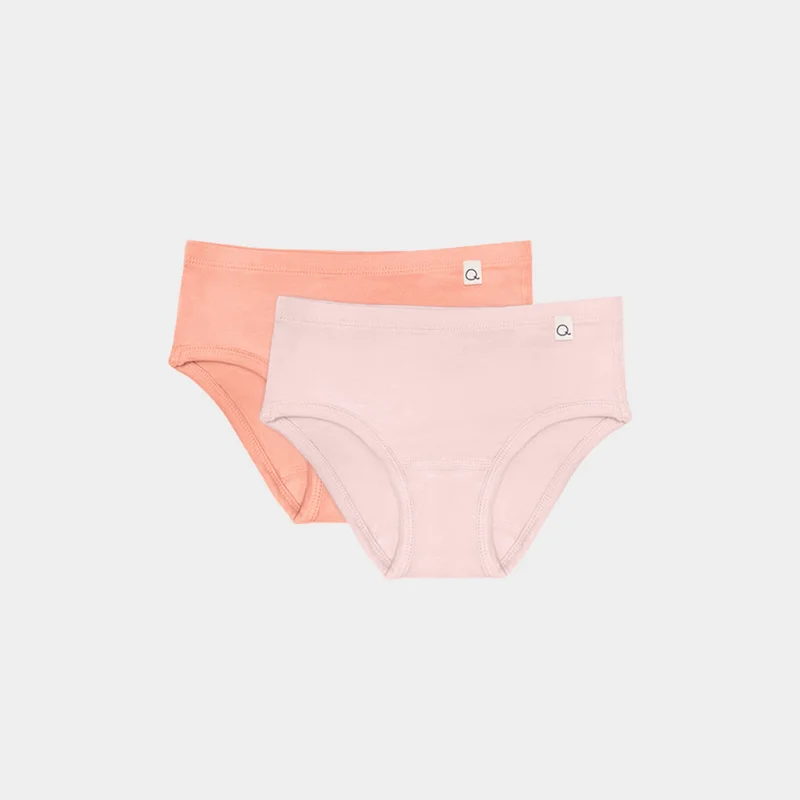
That gap is exactly what reorders this category. The Cottonique Men's Latex-Free Hipster Brief scored 9.3 and stands alone at the top because it is the only brand that published an independent lab test showing its fabric is PFAS-free at non-detect. Everything else clusters together: Q for Quinn at 7.0, KENT at 6.6, and Subset, Organic Basics, and Pact all at 6.4. None of those five is a bad product, and California's AB 1817 has banned PFAS in apparel above 100 ppm total organic fluorine since January 1, 2025, tightening to 50 ppm in 2027. But a law you cannot see a test against is not the same as a brand that hands you the number.
The pattern is simple once you see it: in a category where every label says organic, the only one worth the extra trust is the one that proves it in a lab.
What Matters Most?
The criteria R3 evaluates for every adult underwear
Safety
PFAS / Total Organic Fluorine Result or Compliance, Fiber Content Disclosure (opacity meta-signal), Natural / Non-Shedding Fiber Fraction
Efficacy
Moisture & Odor Management (fiber type)
Usability
Seam / Anti-Chafe Construction
What to Watch For
Safety factors I look at closely when rating adult underwear
PFAS finishes on organic fabric
Organic cotton certifies how the fiber was grown, not the chemistry added later, and durable water-repellent and stain finishes are a common PFAS source. Independent lab Mamavation found organic fluorine, a PFAS indicator, in about half the bras it tested, and California's AB 1817 has banned PFAS in apparel above 100 ppm total organic fluorine since January 1, 2025. Five of the six pairs I scored publish no PFAS test at all.
Choose a brand that publishes an independent PFAS test showing non-detect, like the Cottonique brief at 9.3, rather than trusting an organic or non-toxic label on its own.
Synthetic fibers shedding microplastics
Polyester and nylon next to your skin shed plastic microfibers, and blending them with cotton does not fix it. Peer-reviewed 2025 textile research found cotton-polyester blends shed more polyester microplastic than pure polyester, because yarn construction matters more than the fiber percentage. This is why my scoring weighs how much of the fabric is genuinely natural, not just what the front of the package claims.
Related Categories
Other categories families browse alongside this one.