Compare Dutch Ovens
Made In Enameled Cast Iron Dutch Oven scores higher on safety - here's why.
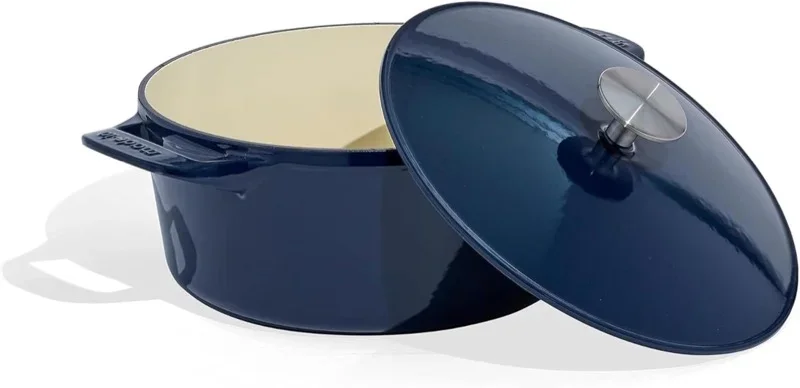
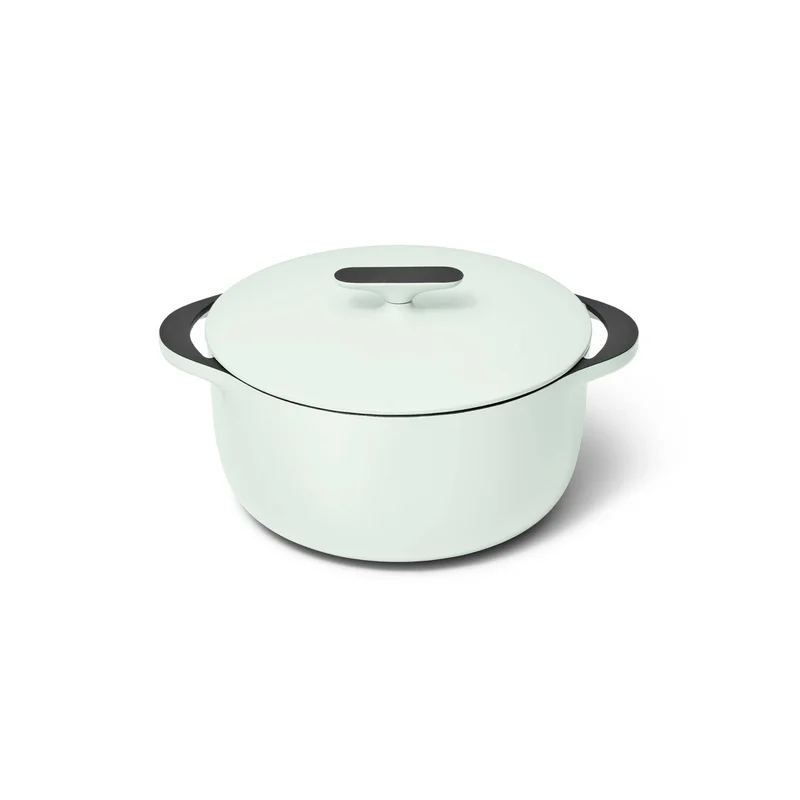
R3 scored the Misen Enameled Cast Iron Dutch Oven 5.7/10 and the Made In Enameled Cast Iron Dutch Oven 8.1/10 on the same dutch ovens scoring system, weighing safety, efficacy, and usability. The Made In Enameled Cast Iron Dutch Oven comes out ahead, led by its safety score (7.9/10 vs 5.4/10).
The most important dimensions, side by side.
See which one actually scores higher — and why
Free account unlocks full safety scores, spec-by-spec breakdown, and the R3 verdict on Misen Enameled Cast Iron Dutch Oven vs Made In Enameled Cast Iron Dutch Oven.
Unlock the full Misen Enameled Cast Iron Dutch Oven vs Made In Enameled Cast Iron Dutch Oven breakdown
Free account unlocks all safety scores, complete spec comparison, scoring rationale, and the R3 verdict on which one to buy.
Everything you need to make the call - who each one is for, and who should skip it.
Go for it if you...
You mostly cook low-acid foods (stocks, soups, beans, braised meats without wine or tomatoes) where lead leaching risk is lower.
The $289 price point is meaningful to you and the performance specs -- 500F oven-safe, 11 lbs, lifetime warranty -- meet your needs.
You're looking for a lighter Dutch oven: at 11 lbs, this is the most handleable enameled option in this comparison.
You want independently published lab testing for PFAS and heavy metals -- Made In put the results on their website, which most brands don't.
You need the highest oven-safe temperature in the category at 580F -- useful for bread baking at high heat and searing before braises.
You cook low-and-slow regularly: the Cloud Cover Lid's self-basting dimples keep braises and soups moist without checking.
French manufacturing matters to you -- Made In is cast in northeast France under EU food-contact manufacturing standards.
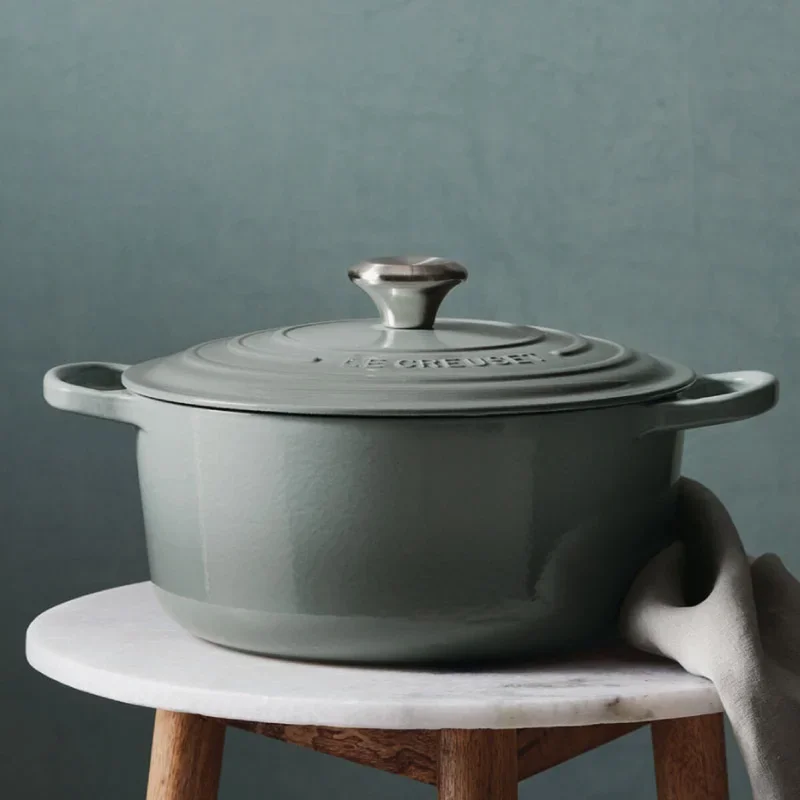
You want Staub-level performance and safety at $299 less.
The main thing to know
Misen says 'non-toxic' on their product page. The problem is that's marketing language, not a regulatory category. We couldn't find any Prop 65 certificate, FDA compliance letter, LFGB document, or third-party heavy metals test results -- just the claim. For families cooking tomato sauce, braised meats with wine, or acidic dishes regularly, that gap matters: lead leaches more readily into acidic foods, and you have no external verification that leaching is within safe limits. The pot itself may well be fine. But 'we say it's non-toxic' is a lower bar than 'here's the test certificate.'
Made In has done something most cookware brands won't: they sent their Dutch oven to Light Labs and published the results. 30 PFAS tests, 4 heavy metals tests -- all passed. That's real transparency, not marketing copy. The catch is they haven't published a Prop 65 certificate specifically, so R3 scores it one tier below Staub. But for $200 with French manufacturing and a 580F oven-safe rating? That's a strong case for families who want documented safety without the $300 Staub price tag.
Skip this if you...
You regularly cook acidic foods -- tomato-based sauces, wine braises, citrus dishes -- where lead migration risk is highest and compliance documentation matters most.
You want any published regulatory verification for lead or cadmium: Misen hasn't provided Prop 65, FDA compliance, or third-party test results.
Heat retention performance matters to you -- reviewers rate Misen as 'good' rather than 'excellent,' noticeably below Staub and Made In.
You specifically need Prop 65 certification documentation -- Staub has published Zwilling compliance audits; Made In has not published a Prop 65 certificate.
You or a family member has difficulty with heavy pots -- at nearly 14 lbs empty, this is the heaviest Dutch oven in this comparison.
Your budget is under $150 -- Lodge delivers solid lead safety at $80.
Neither of these quite what you're looking for?
I've reviewed all Dutch Ovens options at every price pointEvery Dutch Ovens in our database is scored using R3's deterministic scoring system - the same inputs always produce the same score. For this comparison, we evaluated Misen and Made In across 3 independent criteria: Safety (87%), Efficacy (12%), Usability (1%). No sponsored rankings. No paid placements.
Straight answers - no sponsored content, no filler.
I'd start with Made In Made In Enameled Cast Iron Dutch Oven - it scored 8.1/10 overall in our scoring system. Safety is our top-weighted scoring pillar, followed by efficacy, and usability. Check which pillar matters most to your family and compare those specific scores.
R3 uses a deterministic scoring system - the same inputs always produce the same score. We evaluate each Dutch Ovens across Safety, Efficacy, Usability using independently verified data. No sponsored rankings. No paid placements. Every score is fully reproducible.
Not necessarily. The overall score reflects how we weight those three pillars, but your priorities may differ. If you care most about safety, compare the safety scores directly. If budget drives your decision, the prices tell a clearer story. The "right" pick is the one that matches what matters most to your family.
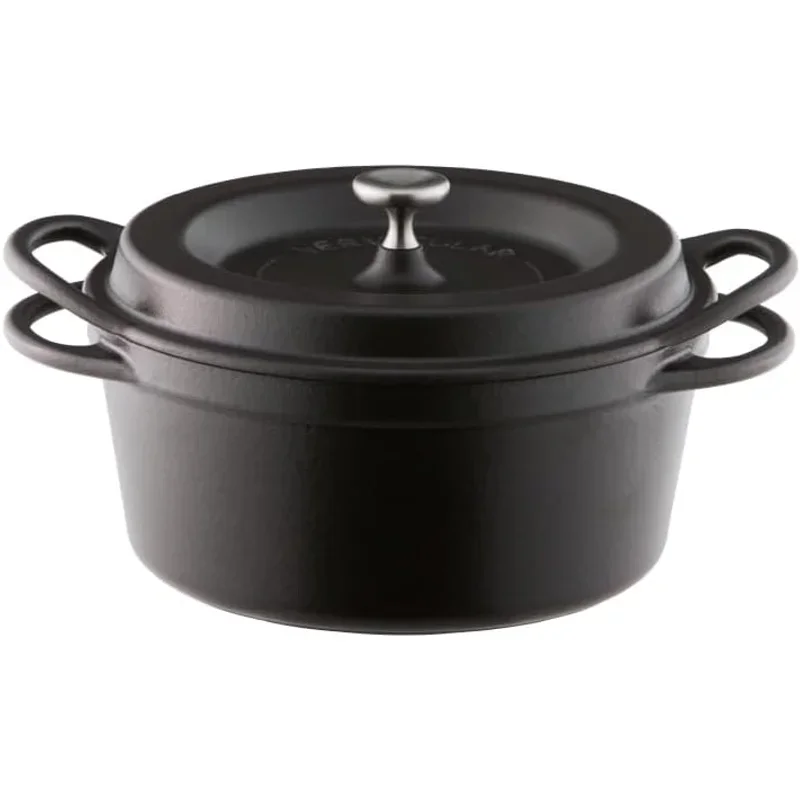
Not the right match? Explore these alternatives in the same category.