Whole-house water filters · Certified removal, not marketing claims
Which whole-house water filters actually remove what they claim?
I checked what each system is independently certified to filter out, not what the label promises. Most 'PFAS reduction' claims have no certification behind them, and the few systems that do are not always the ones brands push hardest.

By Renee Torres, R3 Research Lead·Updated Sep 2026
6 products · 5 brands40+ hrs researchNo brand pays us
Get the Whole House Water Filter shortlist, free
The picks that cleared safety, what to skip, and why price didn’t predict the winner.
No spam. Unsubscribe any time.
All Whole House Water Filter Rankings
6 of 6 products
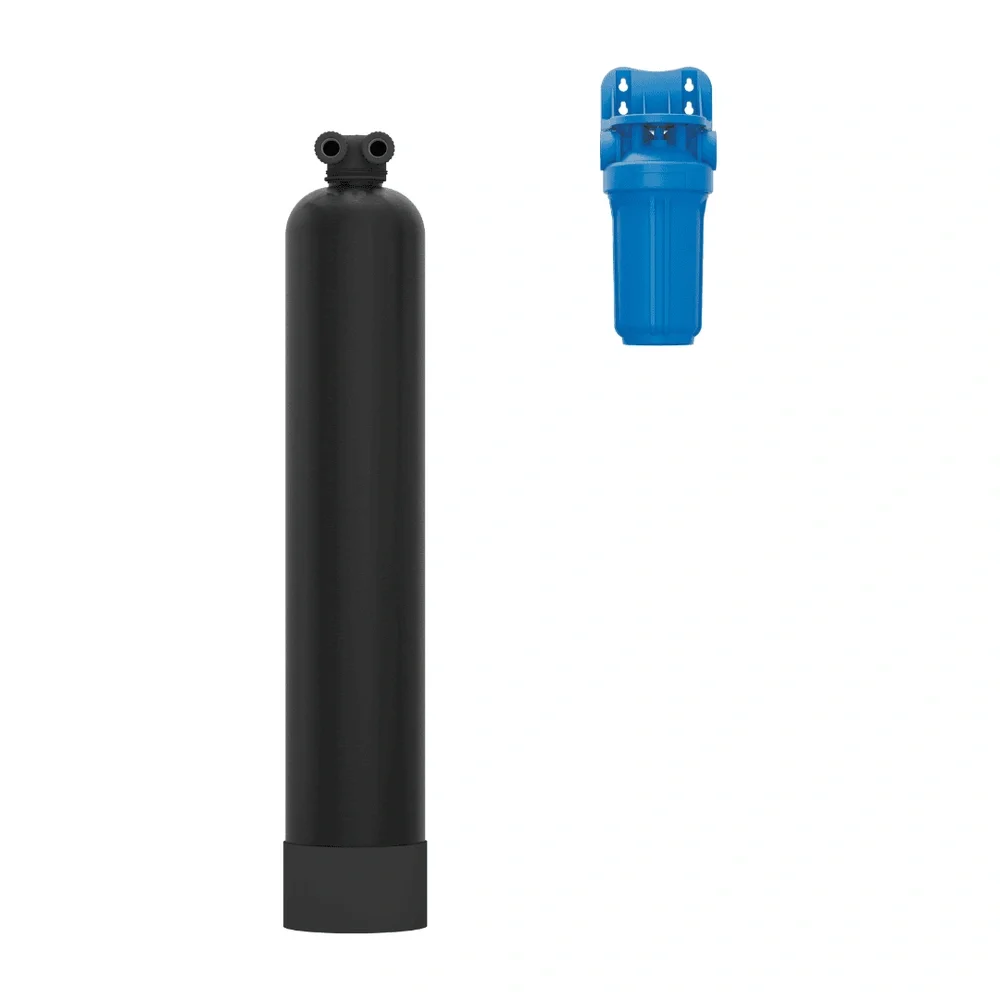
$1144
$1748
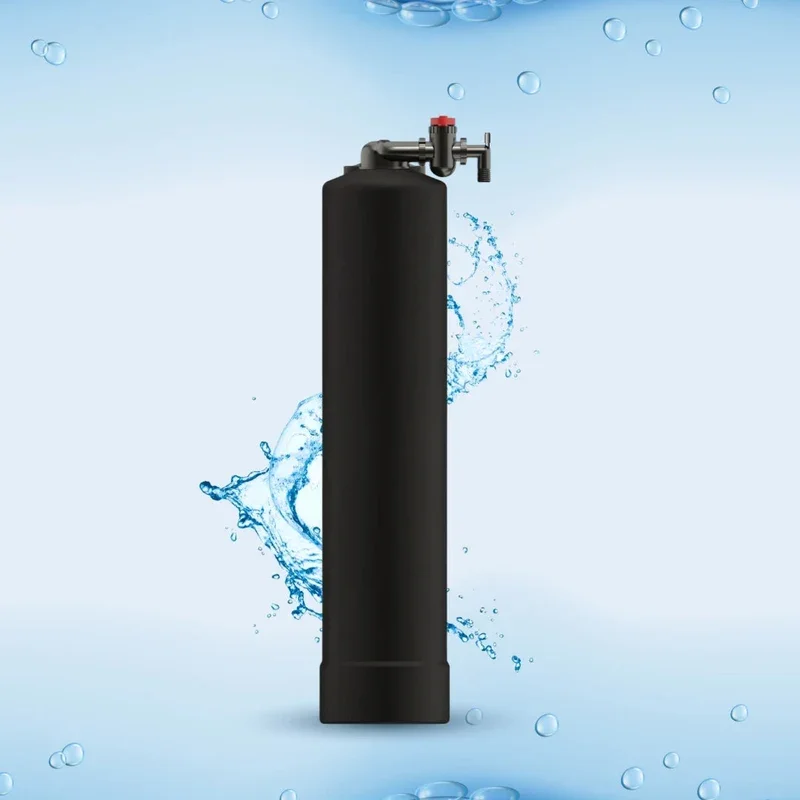
$1027
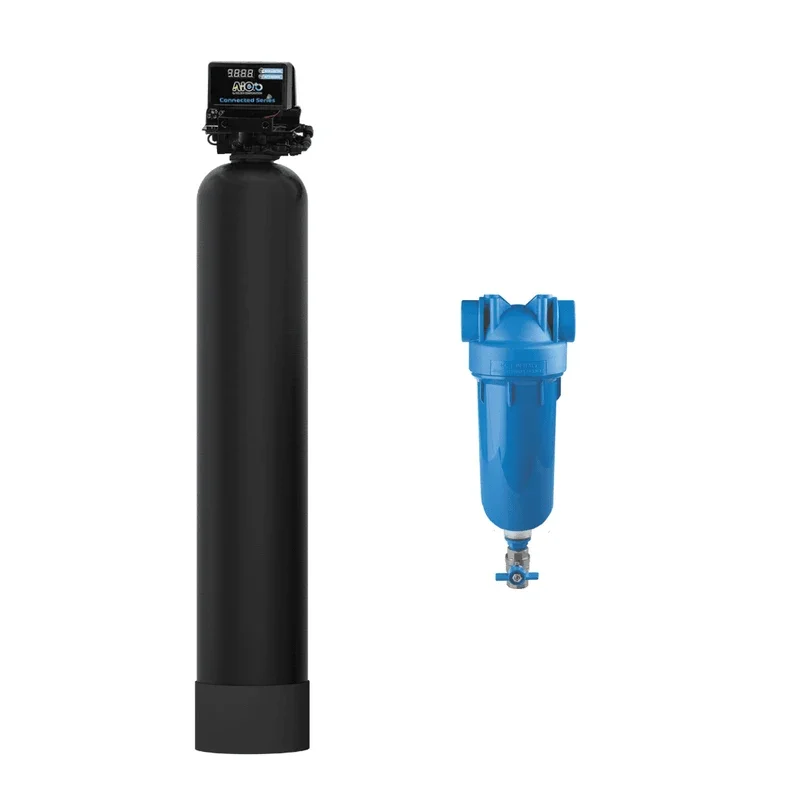
| Product | PFAS Removal Certification Status | Independent Lab-Test Transparency | Whole-Home Flow Rate (GPM) | Score | Price | Actions |
|---|---|---|---|---|---|---|
| Unlock safety data | 6.4 | $1144 | ||||
| Unlock safety data | 4.5 | $770 | ||||
| Unlock safety data | 4.4 | $1748 | ||||
| Unlock safety data | 3.3 | $1027 | ||||
| Unlock safety data | 3.1 | $2204 |
Not all 6 whole house water filter cleared our safety screen.
See which ones we flagged, which failed, and which ranked #1.
See which of these 6 products actually passed our safety screen
Free account unlocks full safety test results, complete spec breakdowns, and what disqualified the ones that didn't make the list.
Already have an account?Sign in
R3 Certification Audit
Which whole-house filters are actually certified to remove PFAS
A whole-house filter that removes PFAS must be independently certified to NSF/ANSI 53 or P473, but the systems that market "PFAS reduction" hardest are usually certified only for chlorine and taste, or carry no third-party certification at all.
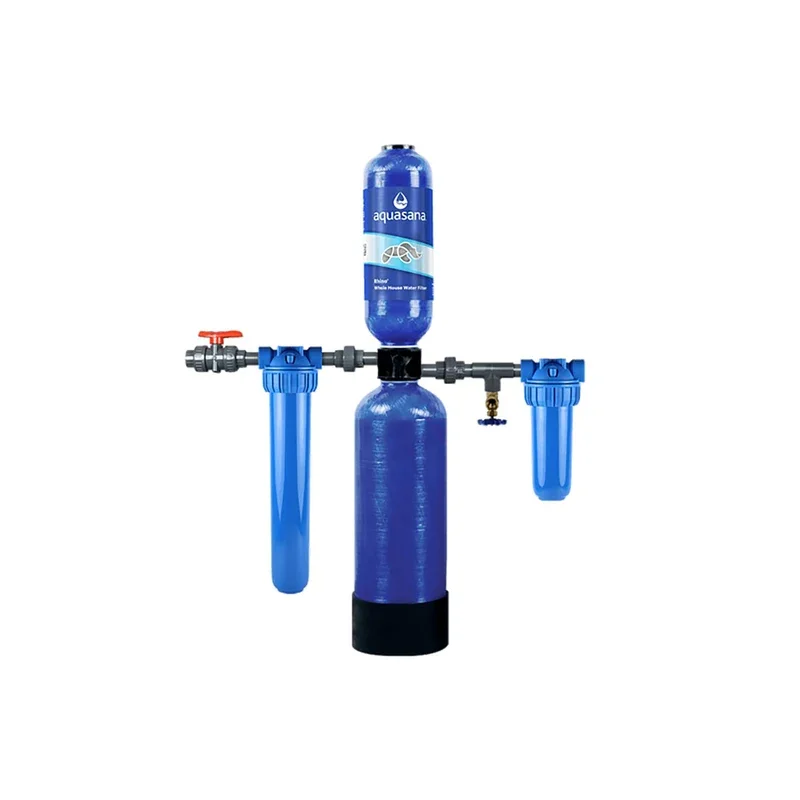
Markets PFAS removal without certification: SpringWell CF1 Whole House Water Filter System (claim only); Aquasana Rhino EQ-1000 Whole House Water Filter (claim only). They advertise PFAS or broad contaminant reduction, but no independent body certifies the finished system for it.
The other 4 address only chlorine, taste or sediment, not PFAS or lead. See the certification column in the ranking above for how each scored.
Renee's Take · Sep 2026
Which whole-house water filters actually remove what they claim?
If you started shopping for a whole-house water filter after a PFAS advisory or a water test came back wrong, you ran into a wall of confident marketing. Brands promise PFAS reduction, lead removal, the cleanest water in your home, and most buying guides just rank them on price and flow rate. The buying decision that actually matters is narrower than that: is this system independently certified to remove the specific contaminant you have, or is removal only a claim on the box? I scored 6 whole-house systems on exactly that question, because what a brand markets and what a lab certifies are not the same thing.
Here is what separates the best from the rest, and it is the finding I least expected. Not one filter I scored is independently certified under NSF/ANSI 53 or P473 to remove PFAS. The systems that advertise PFAS reduction the hardest, like the Aquasana Rhino EQ-1000, are certified only for chlorine and taste (NSF 42), not for PFAS or lead. The split that matters is certified removal versus a marketing claim, and once you sort the field that way, the heavily promoted systems are not the ones that hold up.
The second thing that changes everything is your water source. City water and well water are different problems. City buyers usually need chlorine, chloramine, lead and PFAS handled. Well owners are fighting iron, sediment, sulfur and bacteria, which a carbon-only system does not touch. A filter that is excellent for one source can be useless for the other, so I matched each system to the water it is actually built for rather than ranking them on one list.
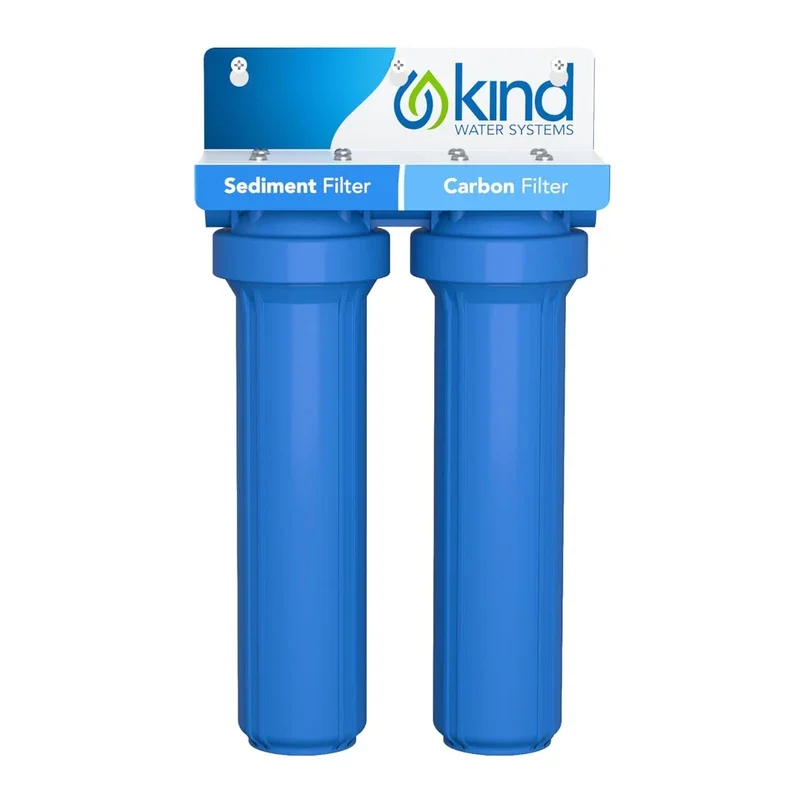
R3 scores every whole-house filter the same way across all 6: safety carries the most weight at 82%, with efficacy and usability filling out the rest. Safety here means certified removal of the contaminants that hurt you, not aesthetic chlorine reduction dressed up as protection. My top picks: SpringWell CF1 (6.4) is the most defensible for city water because it publishes third-party media lab data, even though PFAS removal stays claimed-not-certified. Kind E-1000 (4.5) is the honest budget option, NSF 42 aesthetic-only with no overclaiming. SpringWell WS (3.1) is the well-water specialist for iron, sediment and sulfur.
What Matters Most?
The criteria R3 evaluates for every whole house water filter
Safety
PFAS Removal Certification (vs Marketing Claim), Lead Reduction Certification (NSF/ANSI 53), Source-Matched Contaminant Certification
Efficacy
Independent Lab-Test Transparency, Microplastics Removal
Usability
Whole-Home Flow Rate (GPM), Filter Lifespan / Maintenance Type, Installation Type
What to Watch For
Safety factors I look at closely when rating whole house water filter
PFAS reduction claim with no certification
This is the trap that started my whole review. The systems that market PFAS reduction the hardest are often certified only for chlorine and taste. The Aquasana Rhino EQ-1000 is heavily marketed but carries NSF 42 and 61 certification only, not PFAS or lead certification, and its genuinely PFAS-certified sibling is a separate product (the OptimH2O), not the whole-house Rhino people actually buy. None of the 6 whole-house systems I scored are independently certified under NSF/ANSI 53 or P473 to remove PFAS, so a PFAS-reduction claim on the box is exactly that, a claim.
Treat PFAS reduction as unproven unless you see NSF/ANSI 53 or P473 certification for the whole system. If certified PFAS removal is your priority, a certified point-of-use system at the kitchen tap may protect your drinking water better than any whole-house filter I scored.
Aesthetic-only certification dressed up as protection
NSF/ANSI 42 covers aesthetic effects like chlorine, taste and odor. It does not cover health contaminants like lead, PFAS or arsenic. Several systems lean on NSF 42 to sound certified without telling you what that certification actually covers. The Kind E-1000 is NSF 42 aesthetic-only and does not address PFAS or lead, and it scores 4.5 partly because it is honest about that. The targets chlorine and fluoride, but its fluoride reduction is an uncertified claim.
Related Categories
Other categories families browse alongside this one.