Compare Coffee Grinders
Which scores higher on safety? R3 breaks it down.
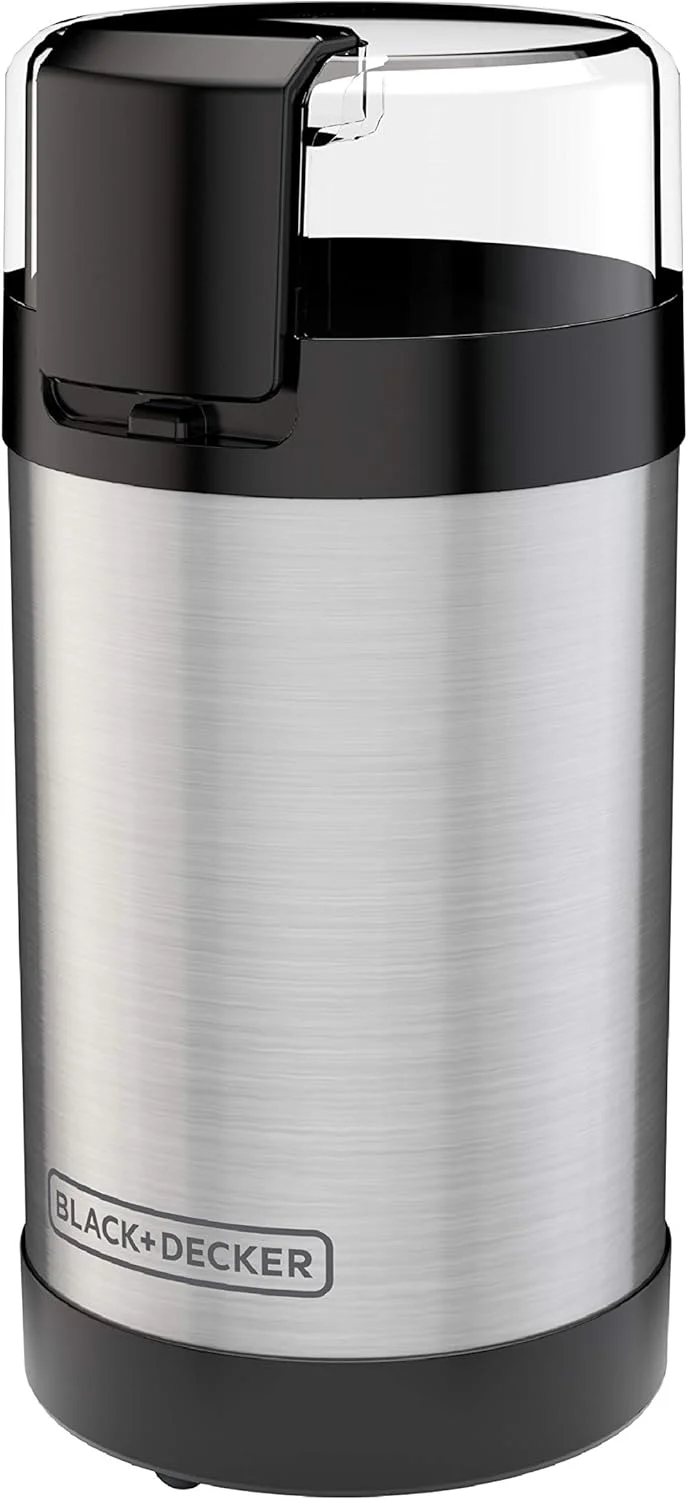
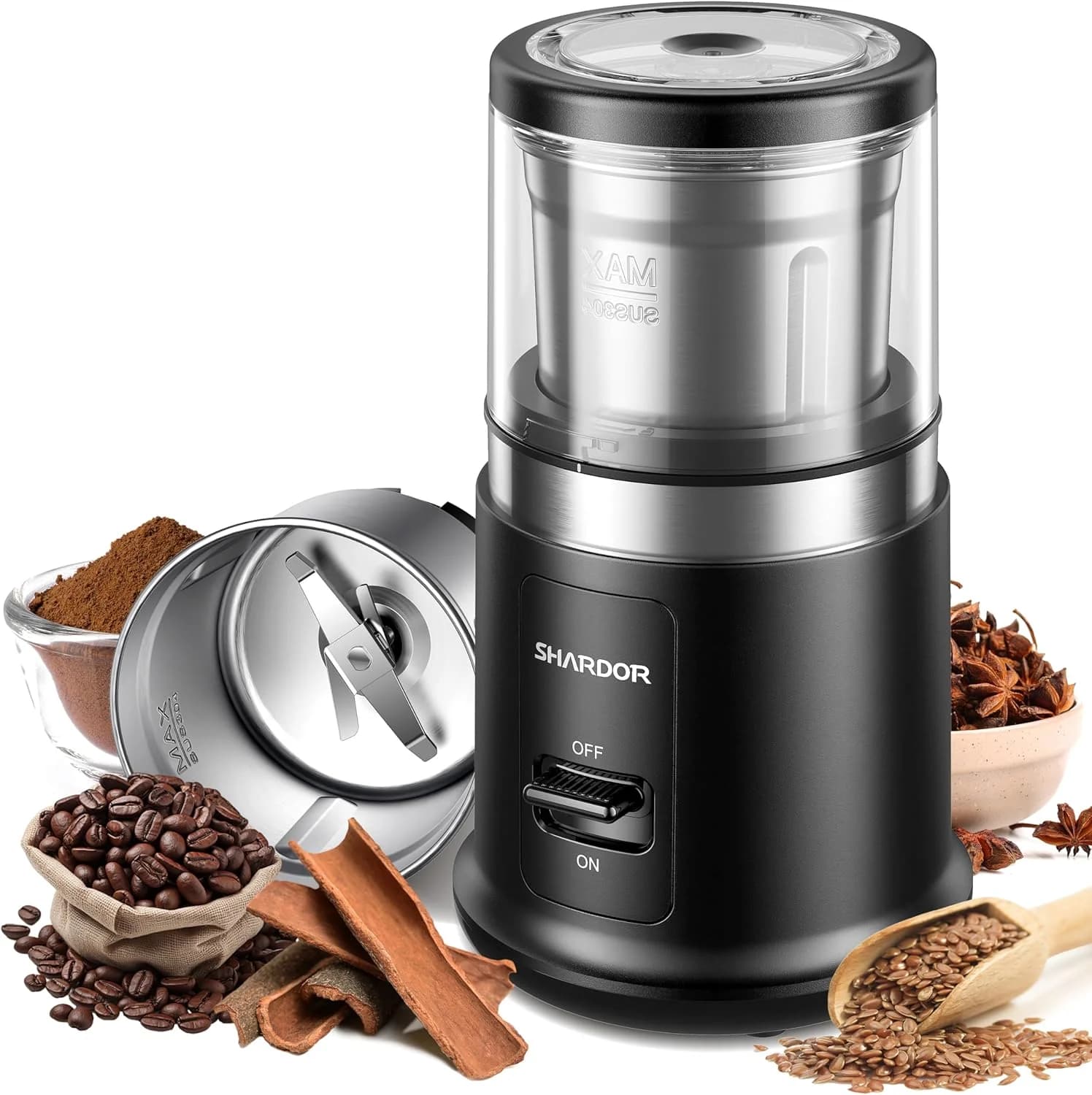
R3 scored the BLACK+DECKER One Touch Coffee Grinder 7.0/10 and the SHARDOR Stainless Steel Electric Grinder 7.3/10 on the same coffee grinders scoring system, weighing safety, efficacy, and usability. The overall scores are close; the pillar breakdown below shows where they differ.
The most important dimensions, side by side.
See which one actually scores higher — and why
Free account unlocks full safety scores, spec-by-spec breakdown, and the R3 verdict on BLACK+DECKER One Touch Coffee Grinder vs SHARDOR Stainless Steel Electric Grinder.
Unlock the full BLACK+DECKER One Touch Coffee Grinder vs SHARDOR Stainless Steel Electric Grinder breakdown
Free account unlocks all safety scores, complete spec comparison, scoring rationale, and the R3 verdict on which one to buy.
Everything you need to make the call - who each one is for, and who should skip it.
Go for it if you...
You use a standard drip coffee maker and are not chasing precise extraction
You also want to grind spices, herbs, or grains and want a non-toxic food-contact surface
Budget is under $33 and material safety matters more to you than grind precision
You want simple one-button operation with no settings to learn
You're upgrading from an older plastic-bowl blade grinder and want stainless construction
You brew drip or basic filter coffee and don't need precision grind control
Non-toxic materials are a priority — full stainless steel construction with no plastic in the grinding path
Early morning noise is a real concern in your household — the brand-published 60 dB level is genuinely quieter than most grinders
Budget is tight — this is one of the few sub-$28 grinders with full material transparency
The main thing to know
The One Touch grinds with stainless steel on every surface that touches your coffee, which is the best material safety profile you can find at this price. The tradeoff is the blade mechanism — grind consistency is variable by design, and there are no settings to dial in.
Blade mechanism produces inconsistent particle sizes — not suitable for pour-over, French press calibration, or any brewing method that requires repeatable grind coarseness.
Skip this if you...
You brew pour-over, AeroPress, or espresso and need consistent grind size
You want a removable bowl you can rinse under the tap after each use
You plan to grind for multiple brew methods and need a range of coarseness settings
You brew pour-over, French press, or anything requiring consistent grind coarseness
You want to dial in extraction by adjusting grind size between cups
You're grinding for more than two people regularly — 70g hopper fills quickly
Neither of these quite what you're looking for?
I've reviewed all Coffee Grinders options at every price pointEvery Coffee Grinders in our database is scored using R3's deterministic scoring system - the same inputs always produce the same score. For this comparison, we evaluated BLACK+DECKER and SHARDOR across 3 independent criteria: Safety (56%), Efficacy (32%), Usability (12%). No sponsored rankings. No paid placements.
Straight answers - no sponsored content, no filler.
Both scored close to 7.0/10, so the better choice depends on your priorities. Safety is our top-weighted scoring pillar, followed by efficacy, and usability. Check which pillar matters most to your family and compare those specific scores.
R3 uses a deterministic scoring system - the same inputs always produce the same score. We evaluate each Coffee Grinders across Safety, Efficacy, Usability using independently verified data. No sponsored rankings. No paid placements. Every score is fully reproducible.
Not necessarily. The overall score reflects how we weight those three pillars, but your priorities may differ. If you care most about safety, compare the safety scores directly. If budget drives your decision, the prices tell a clearer story. The "right" pick is the one that matches what matters most to your family.
Not the right match? Explore these alternatives in the same category.