Water softeners · Certified softening, not a salt-free promise
Do salt-free water softeners actually work?
I checked which systems are actually certified to remove the minerals that make water hard, not just marketed as softeners. Most salt-free systems do not soften water at all, they only slow scale, and the ones that truly soften add sodium worth knowing about.

By Renee Torres, R3 Research Lead·Updated Oct 2026
8 products · 7 brands40+ hrs researchNo brand pays us
Get the Water Softener shortlist, free
The picks that cleared safety, what to skip, and why price didn’t predict the winner.
No spam. Unsubscribe any time.
All Water Softener Rankings
8 of 8 products
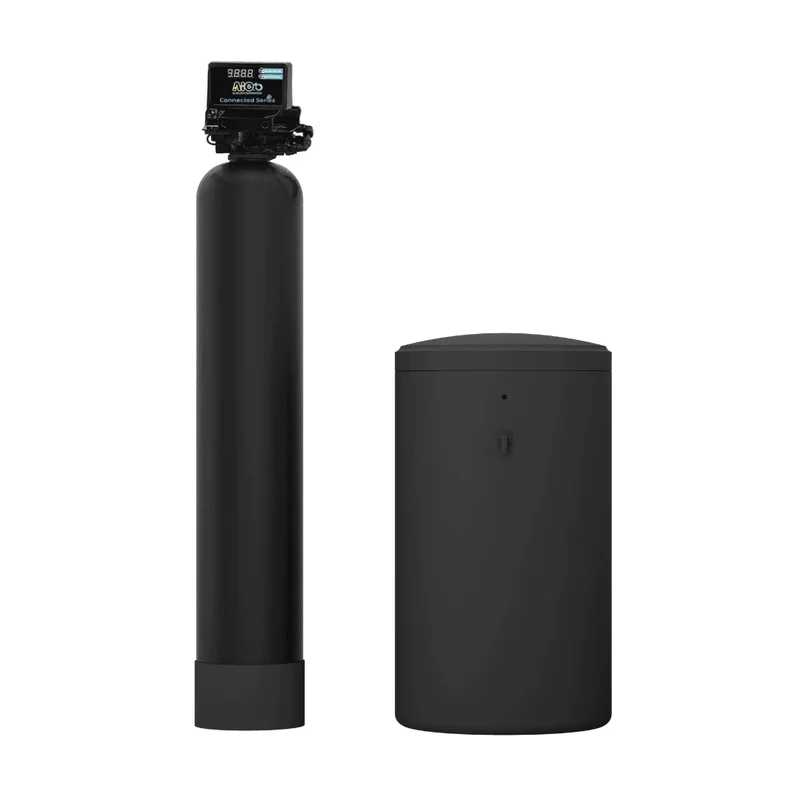
| Product | Softening Mechanism | Sodium Disclosure & Mitigation | Ongoing Maintenance Burden | Score | Price | Actions |
|---|---|---|---|---|---|---|
| Unlock safety data | 8.7 | $650 | ||||
| Unlock safety data | 7.7 | $750 | ||||
| Unlock safety data | 7.2 | $630 | ||||
| Unlock safety data | 7.1 | $620 | ||||
| Unlock safety data | 7.1 | $1600 |
Not all 8 water softener cleared our safety screen.
See which ones we flagged, which failed, and which ranked #1.
See which of these 8 products actually passed our safety screen
Free account unlocks full safety test results, complete spec breakdowns, and what disqualified the ones that didn't make the list.
Already have an account?Sign in
R3 Softening Audit
Which "water softeners" actually soften
A real water softener removes hardness by ion exchange and can be certified to NSF/ANSI 44, but "salt-free water softeners" are conditioners that remove no hardness at all and cannot earn that certification, so they never truly soften your water.
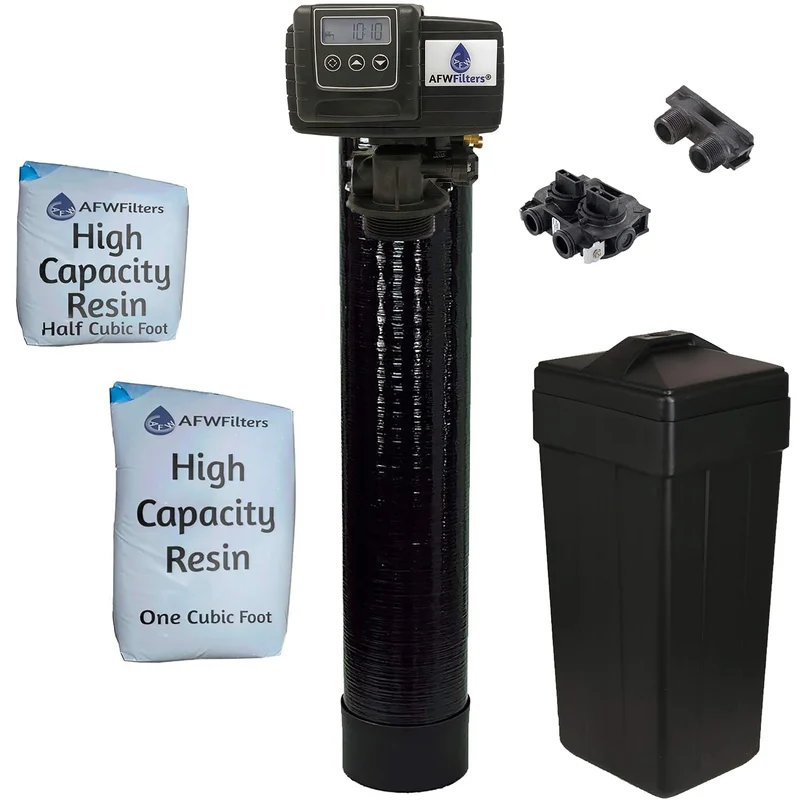
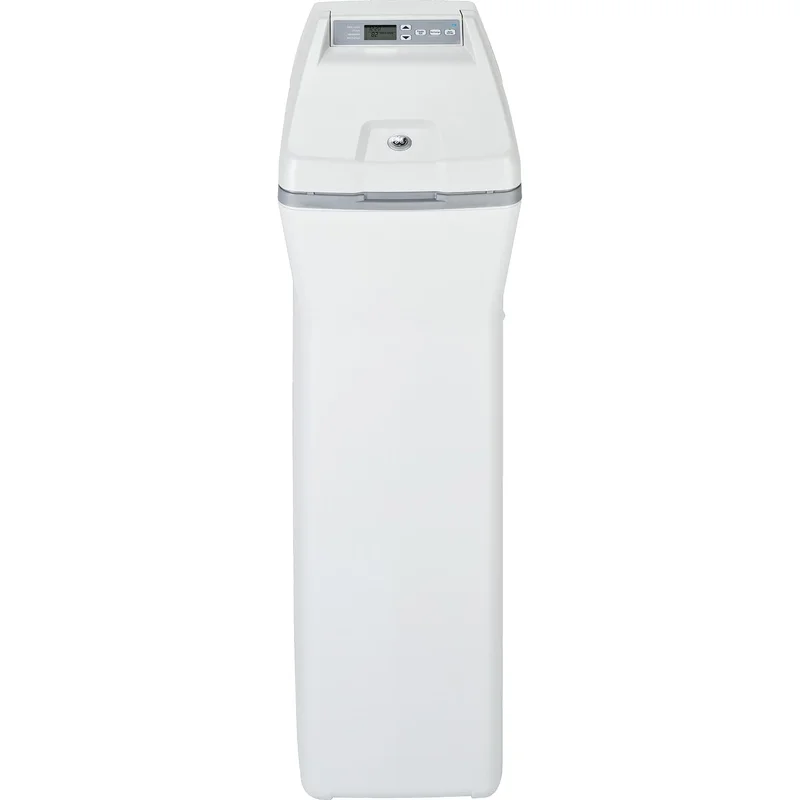
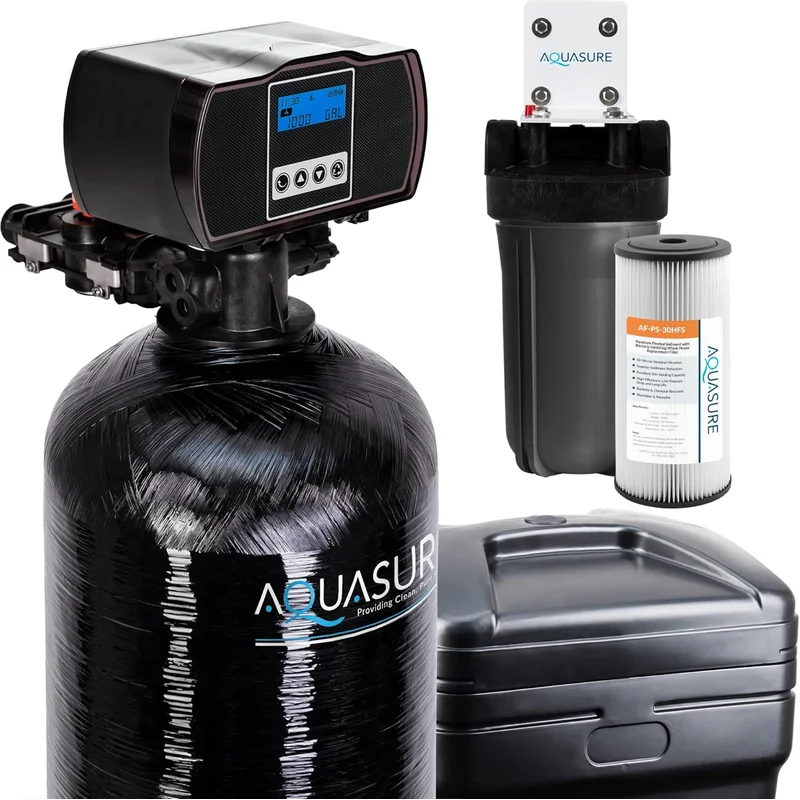
Genuinely softens water: Fleck (AFWFilters) Fleck 5600SXT 48,000-Grain Metered Water Softener, GE Appliances GE GXSH40V 40,000-Grain Water Softener, Aquasure Harmony 48,000-Grain Water Softener, SpringWell SS Salt-Based Water Softener. Removes calcium and magnesium by ion exchange, the only method that actually softens.
Sold as a softener but only conditions: Filtersmart FS500 Salt-Free Water Conditioner; . A salt-free conditioner that reduces scale without removing any hardness, so the water stays hard.
Renee's Take · Oct 2026
Do salt-free water softeners actually work?
If a salesperson or a slick website has offered you a salt-free water softener, here is the one thing to know before you spend anything: there is no such product. A water softener removes the calcium and magnesium that make water hard, and the only home technology that actually does that is salt-based ion exchange. Salt-free systems are conditioners, they change how minerals behave so less scale sticks to your pipes, but they remove none of the hardness. The industry sells them under the softener name anyway, which is why buyers keep asking whether they work.
That single distinction sorted my entire ranking. All five salt-based systems, the ones that genuinely soften, scored 7.1 or higher. All three salt-free conditioners, marketed as softeners, scored 4.1 or lower, not because they are dangerous, but because they do not do the job the category name promises. Salt-based ion exchange removes close to 98 percent of hardness minerals and can cut your soap and detergent use by up to 70 percent. A salt-free conditioner leaves your water just as hard, so your soap use does not change and you never get the soft-water feel.
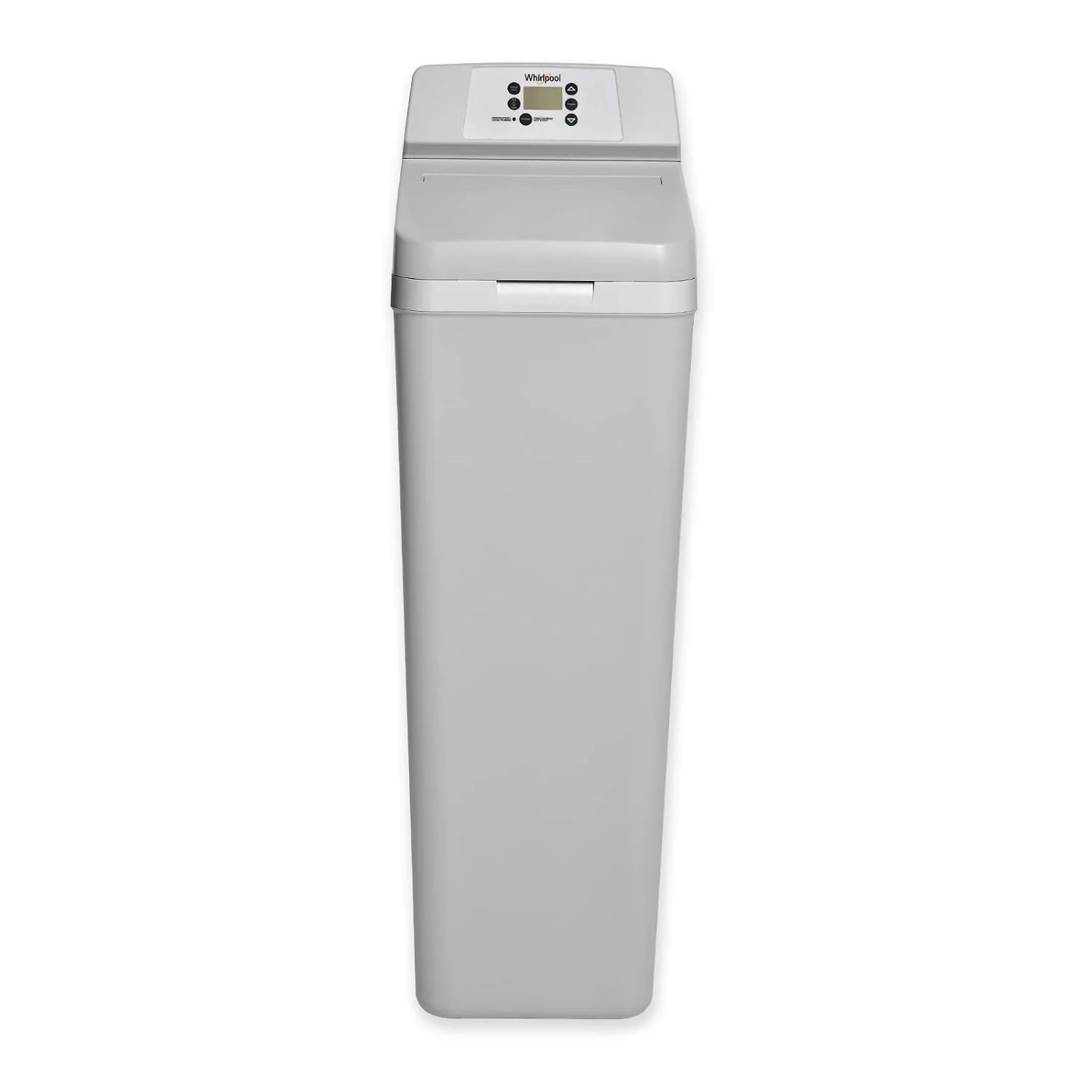
The second thing that separates these systems is proof. Only one unit I scored, the Whirlpool WHES40E, carries independent NSF/ANSI 44 certification, the standard that verifies a softener actually removes hardness. That is why it tops the ranking at 8.7 even though enthusiast favorites like the Fleck 5600SXT are excellent softeners in their own right. Salt-free conditioners cannot earn that certification at all, because there is no ion exchange to certify.
The honest takeaway: if you want genuinely soft water, buy a salt-based softener and plan for the small amount of sodium it adds. If you only want less scale on your pipes and you like the idea of no salt, a conditioner is fine, just do not expect it to soften anything.
What Matters Most?
The criteria R3 evaluates for every water softener
Efficacy
Does It Actually Soften (Ion Exchange vs Salt-Free Conditioner), Softening Performance Certification (NSF/ANSI 44 or WQA), Grain Capacity Disclosed & Adequate for Sizing
Safety
Sodium-in-Drinking-Water Disclosure & Mitigation, Wetted-Component Material Safety (NSF/ANSI 61 / 44 Material), Brine/Salt Discharge Efficiency (Environmental Load)
Usability
Ongoing Maintenance Burden (Salt Refill / Media Life), Installation Path (DIY vs Plumber Required)
What to Watch For
Safety factors I look at closely when rating water softener
Salt-free systems sold as softeners
The biggest trap in the category. A salt-free water softener uses template-assisted crystallization or a citrus-based chelation cartridge to reduce scale, but it removes no calcium or magnesium, so it does not soften water and cannot be NSF/ANSI 44 certified. In my ranking, all three salt-free conditioners scored 4.1 or below for exactly this reason, while every salt-based softener scored 7.1 or higher.
If you want genuinely soft water, buy salt-based. Treat any salt-free product as a scale reducer only, and judge it on that, not on the softener name.
A capacity claim with no certification behind it
Most salt-based softeners publish a grain capacity, but only a few back it with independent NSF/ANSI 44 or WQA validation. A number on a spec sheet is the manufacturer's word; a certification is an accredited lab's. Only the Whirlpool WHES40E in my ranking is independently certified.
Related Categories
Other categories families browse alongside this one.