Non-toxic water bottles · Graded on material, sealed base & microplastics
Which water bottles are actually free of microplastics and lead?
I ranked the ones people actually buy on what touches your water, not what the label says. The surprise is where the lead hides: in the sealed base you never see, and the bottles that disclose their steel grade are not the ones you'd expect.

By Renee Torres, R3 Research Lead·Updated Oct 2026
7 products · 7 brands40+ hrs researchNo brand pays us
Get the Water Bottles shortlist, free
The picks that cleared safety, what to skip, and why price didn’t predict the winner.
No spam. Unsubscribe any time.
All Water Bottles Rankings
7 of 7 products


| Product | Primary Drink-Contact Material | Leak-Resistant/Leakproof | Lid Fully Disassembles for Cleaning | Score | Price | Actions |
|---|---|---|---|---|---|---|
| Unlock safety data | 9.8 | $35 | ||||
| Unlock safety data | 9.5 | $28 | ||||
| Unlock safety data | 8.5 | $49 | ||||
| Unlock safety data | 8.5 | $45 | ||||
| Unlock safety data | 8.0 | $39 |
Not all 7 water bottles cleared our safety screen.
See which ones we flagged, which failed, and which ranked #1.
See which of these 7 products actually passed our safety screen
Free account unlocks full safety test results, complete spec breakdowns, and what disqualified the ones that didn't make the list.
Already have an account?Sign in
R3 Coating Audit
What's sealed inside the base
Most insulated bottles seal their vacuum base with a solder pellet, and the industry-standard pellet often contains lead. Independent testing found 400,000 to 600,000 ppm lead in one popular tumbler base. The bottles worth trusting either have no sealed base or prove the seal is lead-free.
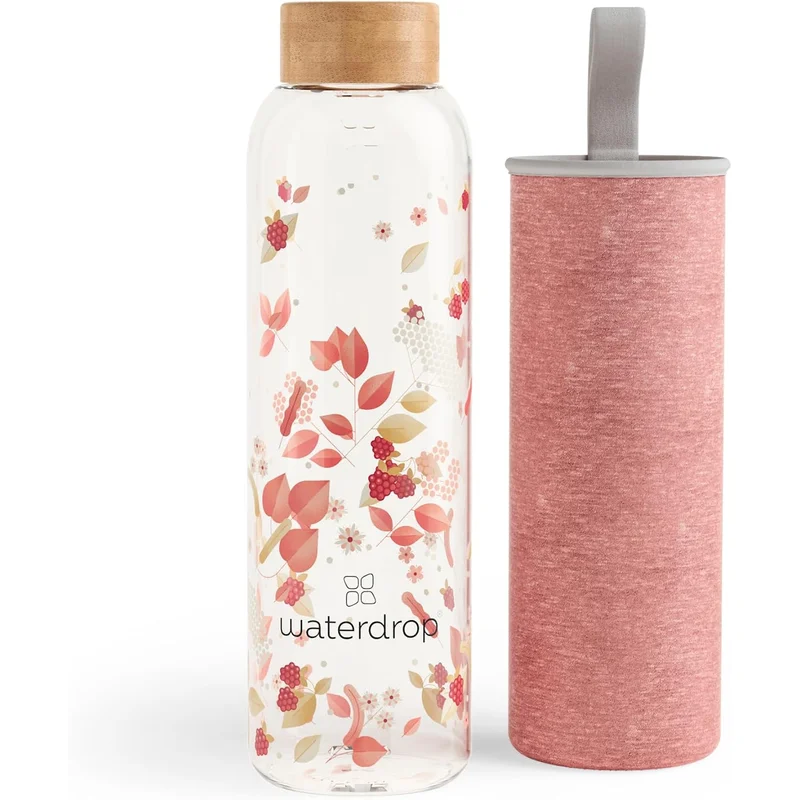
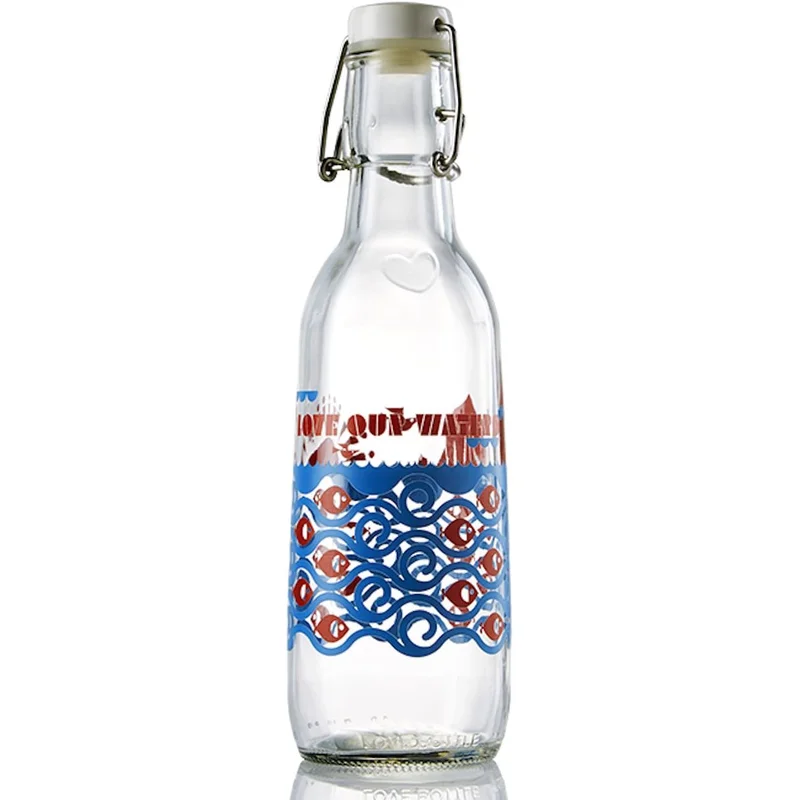
Genuinely uncoated: Waterdrop Glass Bottle 34oz (borosilicate, bamboo lid, neoprene sleeve), Love Bottle Glass Water Bottle 16.9oz (swing lid). Bare glass and stainless steel, so nothing coats the food.
The “glass” trap: Stanley Quencher H2.0 FlowState 40 oz Tumbler (lead base); Owala FreeSip Insulated Stainless Steel 24 oz (undisclosed). Sold as glass air fryers, but the surface your food rests on is coated or undisclosed.
The other 3 use ceramic or PTFE coatings. See the Coating column in the ranking above for how each scored.
Renee's Take · Oct 2026
Which water bottles are actually free of microplastics and lead
If you have decided to stop drinking from disposable plastic, the next question is harder than it looks: which reusable bottle is actually safe, and not just marketed that way. I scored the bottles people actually buy on what touches your water and what is sealed inside the body, and the answers surprised me.
Two things separate the genuinely safe bottles from the rest. The first is what the water touches: inert glass or food-grade stainless steel leaches nothing, while a plastic body, a hidden plastic lining, or a plastic-coated cap can shed microplastics into every sip. The second is hidden inside insulated bottles: the vacuum base is usually sealed with a solder pellet, and the industry-standard pellet often contains lead. Independent testing found 400,000 to 600,000 parts per million of lead in one popular tumbler base, sealed behind a cap that has been reported to come off in normal use.
We weigh safety at about 94 percent of the score for this category, because a water bottle is something you drink from many times a day for years. The score also folds in steel grade disclosure, BPA, BPS and phthalate status, a standing recall check, leakproofing, insulation, and how easily the lid comes apart to clean.
The pattern in our results: the borosilicate and recycled glass bottles scored highest because nothing plastic touches the water and there is no sealed base to hide lead. Disclosed 18/8 steel bottles that are independently confirmed lead-free came next. The bottle that disclosed neither its steel grade nor its base seal landed last, and the lead-sealed tumbler ranked below every lead-free steel bottle.
What Matters Most?
The criteria R3 evaluates for every water bottles
Safety
Primary Drink-Contact Material, Insulated Vacuum-Base Seal Type (lead disclosure), Stainless Steel Grade Disclosure
Usability
Lid Fully Disassembles for Cleaning (mold resistance), Dishwasher-Safe
Efficacy
Leak-Resistant / Leakproof, Cold Retention (insulated)
What to Watch For
Safety factors I look at closely when rating water bottles
Lead in the sealed base
Most insulated double-wall bottles seal their vacuum at the base with a solder pellet, and the industry-standard pellet often contains lead. Independent testing measured 400,000 to 600,000 ppm of lead in one popular tumbler base, behind a cap reported to detach with use.
Prefer single-wall bottles with no sealed base, or insulated bottles that publish independent lead-free testing. Treat an insulated bottle that says nothing about its base seal as unverified.
Microplastics from plastic in the water path
A plastic body, a hidden plastic lining inside a metal bottle, or a plastic-coated metal cap can shed micro and nanoplastics into your water, and the shedding increases with heat and wear.
Choose glass or steel with nothing plastic in the water path. If the bottle has a plastic lid or straw, accept that as the smallest compromise and keep it away from hot liquids.
Related Categories
Other categories families browse alongside this one.