Quick Take
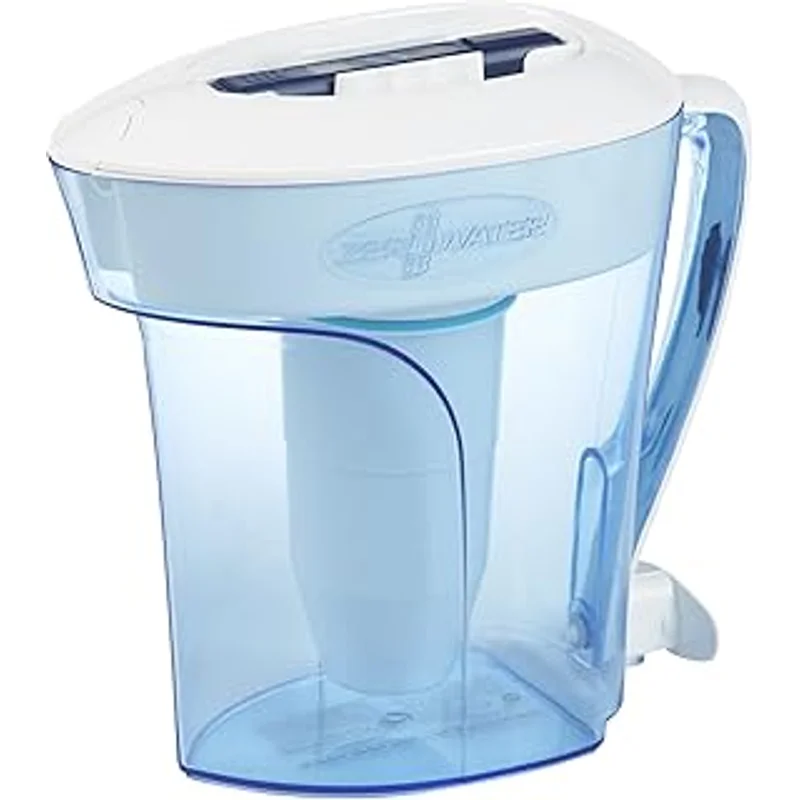
Score: 7.4/10 | The ZeroWater pitcher delivers impressive TDS reduction to "000" and solid lead removal, but the short filter life makes it more expensive long-term than competitors. Popular for a reason - the included TDS meter provides satisfying visual proof - but families should understand the ongoing filter costs.
What We Evaluated
This review uses R3's Water Filter Methodology v1.0.0.
Safety Analysis (40% weight) - Score: 8.0/10
Lead Removal: 99.6%
ZeroWater holds NSF 53 certification with 99.6% lead reduction - matching or exceeding competitors.
TDS Removal: To Zero
The 5-stage ion exchange filter removes virtually all total dissolved solids (TDS), giving a "000" reading on the included meter. This includes minerals, salts, and metals.
Important nuance: Zero TDS does not equal "purest" or "safest." Some dissolved minerals (calcium, magnesium) are beneficial. RO and ZeroWater remove everything - both good and potentially harmful.
PFAS Removal: Claims But Limited Verification
ZeroWater claims PFAS reduction but does NOT hold NSF P473 certification. Third-party testing by Duke University in 2020 showed ZeroWater reduced PFAS by 73-90% - better than Brita but below Clearly Filtered's 99.9%.
Chlorine Removal: NSF 42 Certified
Standard chlorine taste and odor reduction confirmed.
Efficacy Analysis (30% weight) - Score: 7.5/10
TDS Meter Included
The free TDS meter is ZeroWater's killer feature. Test your tap water (typically 100-400 TDS), then see it drop to "000" after filtering. Compelling proof that something is happening.
Contaminant Count: 23 Certified
While ZeroWater claims higher numbers, NSF certification covers 23 specific contaminants. This is lower than Clearly Filtered (365+) or even Brita Elite (30+).
Filter Capacity: 15-40 Gallons
Here is the trade-off: ZeroWater filters exhaust quickly. Depending on your water's TDS level:
- Low TDS (under 200): ~40 gallons
- Medium TDS (200-400): ~25-30 gallons
- High TDS (400+): ~15-20 gallons
For a family of four using 3 gallons daily, filters may last only 1-2 weeks in hard water areas. This adds up.
Filter Change Signal
When the TDS meter reads above 006, it is time to change filters. No guessing, which is helpful given the variable filter life.
Value Analysis (15% weight) - Score: 6.5/10
Upfront Cost: $34.99
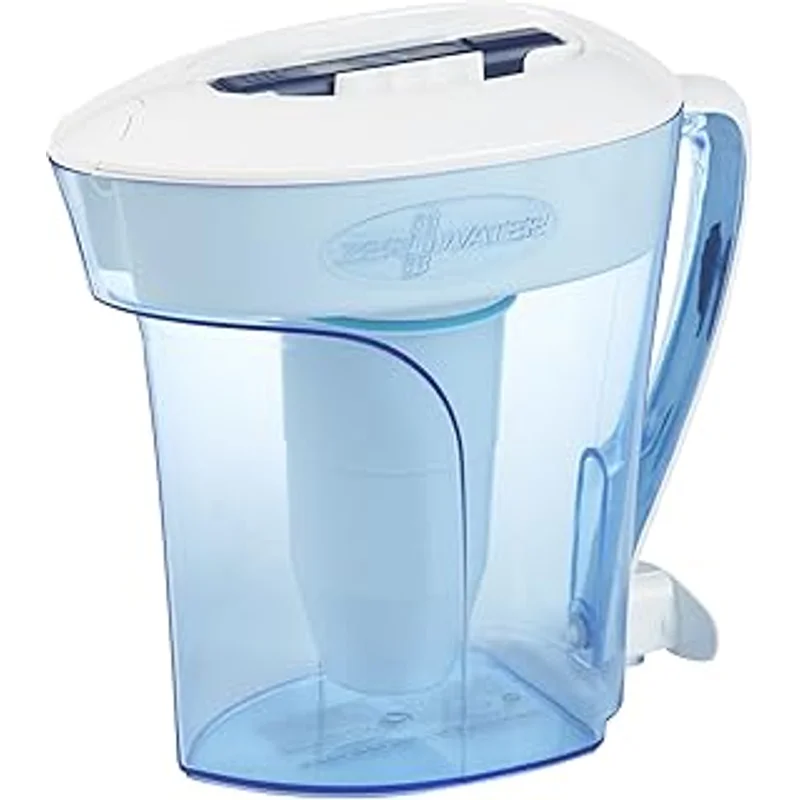
Competitive with Brita Elite - includes the pitcher, one filter, and TDS meter.
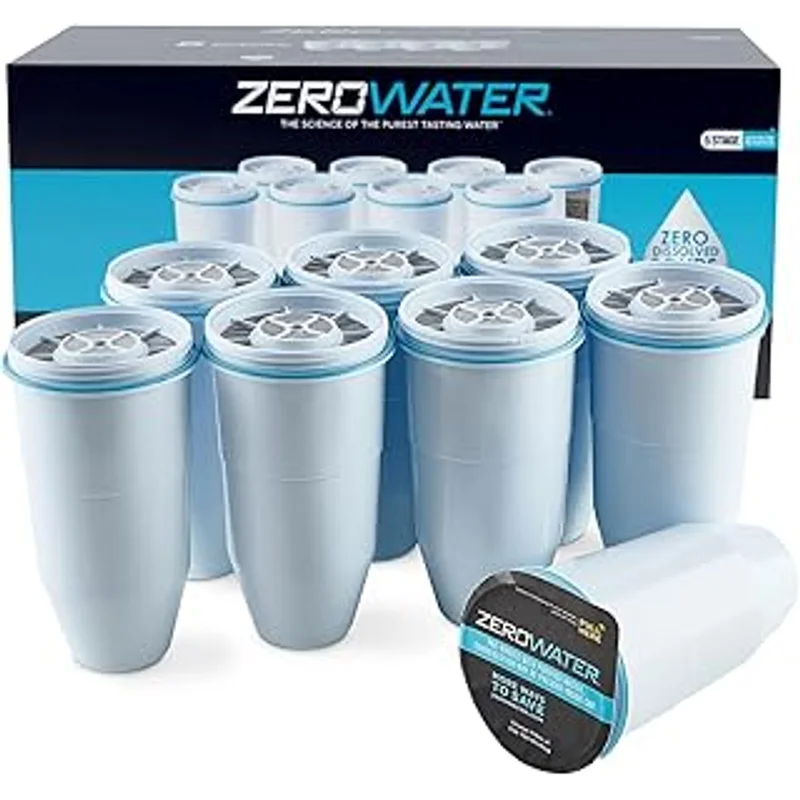
Replacement Filter Cost: $14.99 each
Similar per-filter pricing to competitors, but you use more of them.
Annual Filter Cost (Reality Check)
Assuming medium-hard water (30 gallons per filter):
- Family of 4 using 3 gallons/day = 1,095 gallons/year
- 1,095 / 30 = 36 filters annually
- 36 x $15 = $540/year in filters
Compare to:
- Brita Elite: $30/year
- Clearly Filtered: $135/year
- Aquasana Under-Sink: $120/year
ZeroWater's ongoing costs are significantly higher - a critical consideration.
Multi-Packs Help
Buying filters in 8-packs drops cost to approximately $10/filter, reducing annual cost to ~$360. Still 3-4x more than alternatives.
Usability (10% weight)
TDS Testing Ritual
Some users enjoy the ritual of testing water quality. For families concerned about filtration, seeing "000" provides reassurance that the filter is working.
Frequent Changes Required
Changing filters every 1-4 weeks is the primary usability downside. For busy families, this becomes a chore.
Taste Profile
Zero TDS water tastes "flat" to some people because it lacks all minerals. Adding a pinch of sea salt or mineral drops is a common workaround.
The Bottom Line
The ZeroWater pitcher appeals to users who want visible proof their filter is working. The TDS meter and "000" readings deliver that satisfaction. However, the short filter life and high annual costs ($360-540) make it a poor long-term value compared to Brita Elite ($30/year) or Clearly Filtered ($135/year with vastly better PFAS removal). Recommended only if TDS visibility matters more than ongoing costs.