Quick Take
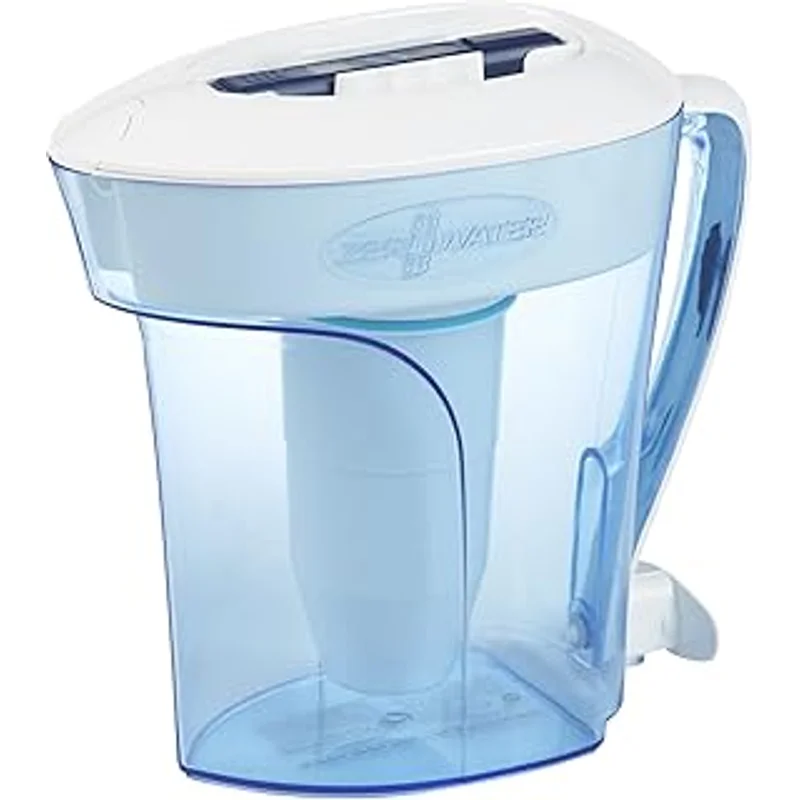
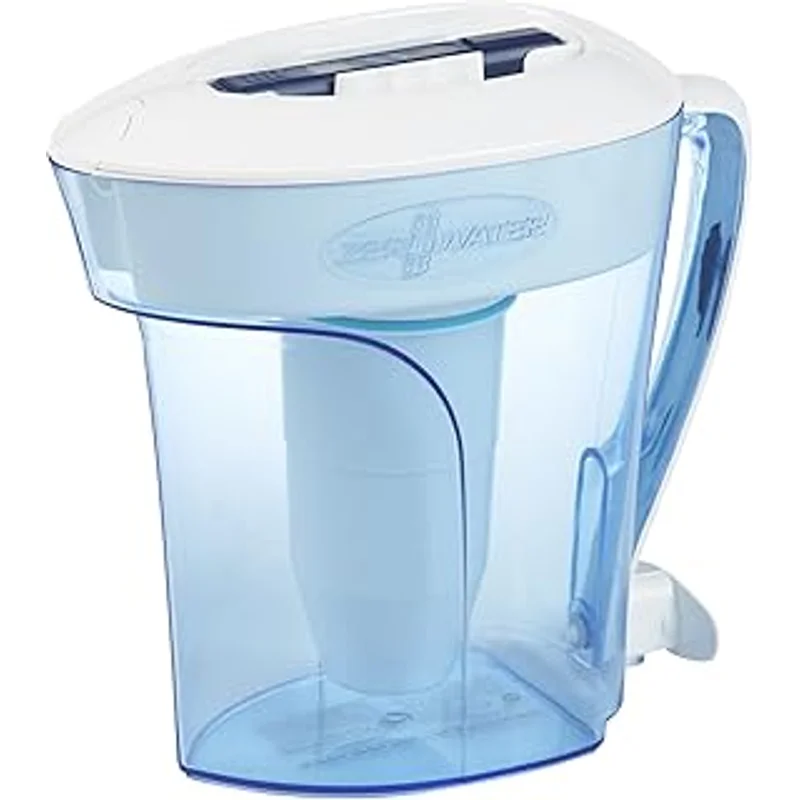
Score: 7.4/10 | The ZeroWater pitcher satisfies the desire for measurable, visible proof that filtration is working. The included TDS meter showing "000" is genuinely compelling. However, families should understand that zero TDS comes at a cost: frequent filter replacements that add up quickly.
What We Evaluated
This review uses R3's Water Filter Methodology v1.0.0.
Safety Analysis (40% weight) - Score: 8.0/10
Lead Removal: 99.6%
ZeroWater holds NSF 53 certification with 99.6% lead reduction, matching or exceeding most competitors. For families with older plumbing, this level of protection matters.
TDS Removal: Complete
The 5-stage ion exchange technology removes virtually all total dissolved solids. Your water reaches "000" on the included meter. This includes minerals, salts, metals, and dissolved chemicals.
Important context: Zero TDS does not equal "purest" or "safest" in all ways. Some dissolved minerals like calcium and magnesium are beneficial. ZeroWater removes everything, which some families prefer while others consider a drawback.
PFAS Claims: Limited Verification
ZeroWater markets PFAS reduction but lacks NSF P473 certification. Third-party testing suggests 70-90% PFAS reduction, better than basic carbon filters but below the 99.9% achieved by NSF P473 certified options like Clearly Filtered.
Chlorine Removal: NSF 42 Certified
Standard chlorine taste and odor reduction is confirmed by NSF certification.
Efficacy Analysis (30% weight) - Score: 7.5/10
TDS Meter Included
The free TDS meter is ZeroWater's distinguishing feature. Test your tap water (typically 100-400 TDS), then watch it drop to "000" after filtering. For data-driven families, this provides satisfying confirmation.
Filter Life: Variable (15-40 Gallons)
Here is the critical trade-off. ZeroWater filters exhaust based on your water's TDS level:
- Low TDS (under 200): ~40 gallons per filter
- Medium TDS (200-400): ~25-30 gallons
- High TDS (400+): ~15-20 gallons
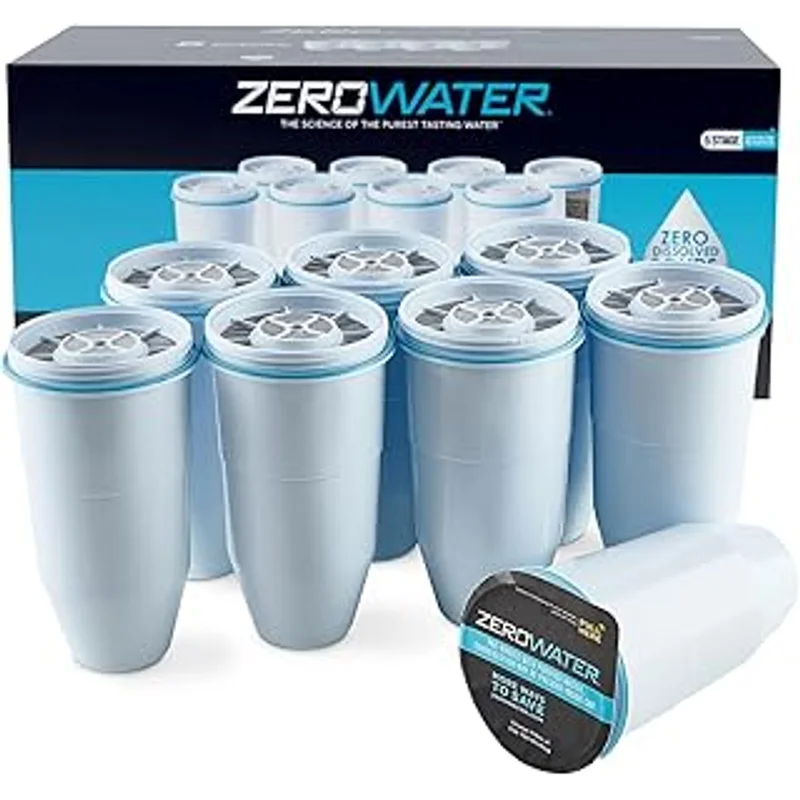
In hard water areas, a family of four may need new filters every 1-2 weeks.
Ready-Pour Spout
The built-in spout allows pouring without lifting the pitcher, helpful when full.
Value Analysis (15% weight) - Score: 6.5/10
Upfront Cost: $40
Competitive with other premium pitchers. Includes one filter and the TDS meter.
Annual Filter Cost: $180-540
This is where ZeroWater becomes expensive. Assuming medium-hard water:
- 30 gallons per filter, 3 gallons daily use
- ~36 filters per year
- $15/filter = $540/year
Even with bulk pricing ($10/filter), annual costs reach $360.
Cost Comparison
| Filter | Annual Cost | Notes |
|---|---|---|
| ZeroWater | $360-540 | Hard water areas higher |
| Brita Elite | $30 | 6-month filters |
| Clearly Filtered | $135 | Better PFAS removal |
The Bottom Line
The ZeroWater pitcher delivers on its promise: zero TDS with measurable proof. The included meter provides compelling visual confirmation. However, families should budget for frequent filter replacements, especially in hard water areas. For most families, the Brita Elite offers better long-term value, while Clearly Filtered provides superior PFAS protection.