Glass Baby Bottles
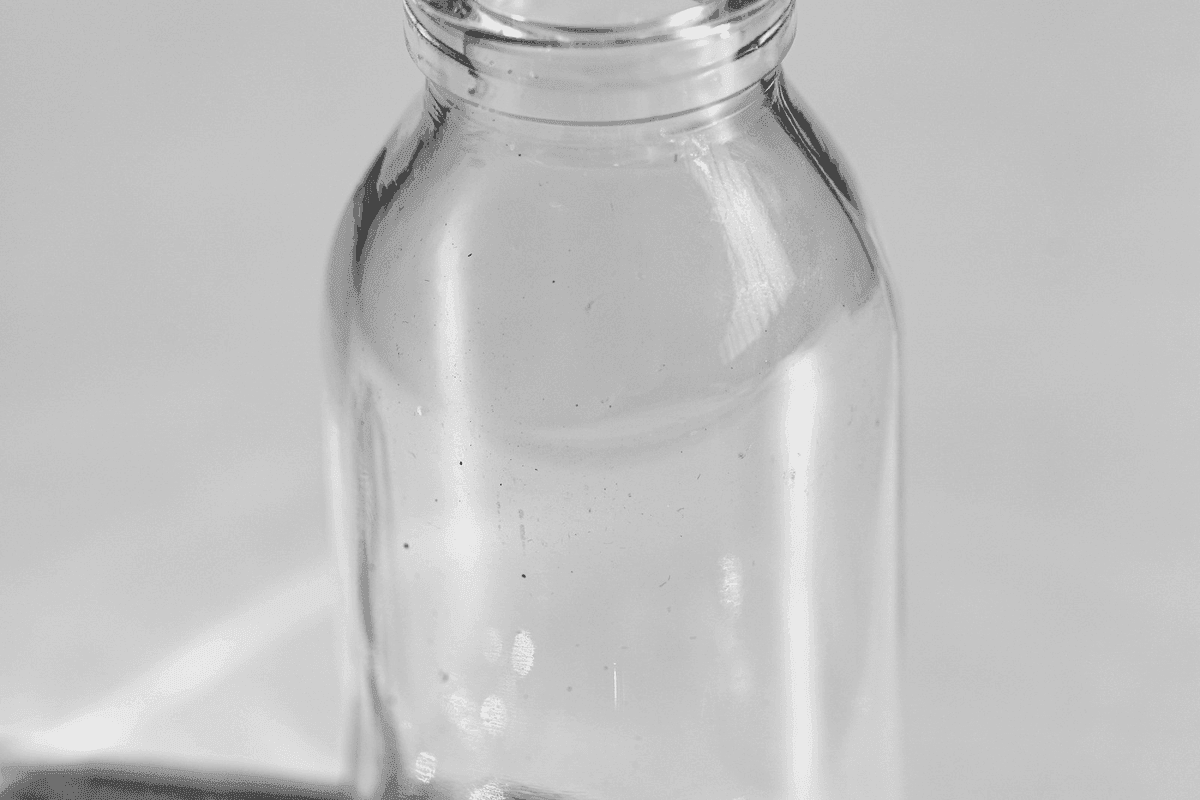
Inert, widely available, and safe for heating. Silicone sleeves prevent breakage.
Babies may ingest millions of microplastic particles daily from bottles. Here's what the latest 2025 research says about the risks and the simple swaps to minimize exposure.
By Renee, R3 Founder
Evidence-based product analysis since 2024
Updated June 2026
When you shop through retailer links on our site, we may earn affiliate commissions. R3 takes no money from brands and scores every product the same way. Learn more.
Get the research before you buy
The picks that cleared safety, what to skip, and why. No spam, no sponsors.
The quick answer
A 2025 study confirms that heating plastic baby bottles releases up to 16 million microplastic particles per liter. While the long-term health effects are still being studied, early research links these particles to endocrine disruption and inflammation. The safest move: Switch to glass or stainless steel bottles for heating milk, and never microwave plastic food containers.
Editor's note. This guide incorporates findings from the 2025 "Microplastics in Infant Feeding" study and current WHO guidelines. We focus on actionable reduction strategies, not panic.
The scale of infant microplastic exposure sounds alarmist, but the numbers are real. Recent peer-reviewed studies have quantified just how much plastic infants are exposed to: 1.6 million particles per day. That's the estimated average intake for frequent bottle-fed infants using polypropylene (#5) bottles. Heat complicates everything. A pivotal 2025 study found that when plastic bottles are heated to 158°F (70°C), a common temperature for warm water/formula mixing, release rates skyrocket to 16 million particles per liter. Even vigorous shaking increases particle shedding. It's not just bottles. Microplastics have been detected in human placentas, breast milk, and infant stool, confirming that exposure starts early. Why it matters: Babies are not just "small adults." Their gut permeability and developing blood-brain barrier make them potentially more vulnerable to particle toxicity.
Heating a plastic bottle to 158°F can release up to 16 million microplastic particles per liter. Temperature is the key trigger.
In short
Science is still catching up to the ubiquity of plastics. Here is the current consensus on health risks: Endocrine Disruption: Many plastics contain additives (like phthalates and bisphenols) that interfere with hormones. Microplastics act as vectors, carrying these chemicals deep into the body. Inflammation: In animal studies, microplastics trigger immune responses and inflammation in the gut. For infants with developing immune systems, this is a theoretical risk for increased allergy and autoimmune potential. The "Trojan Horse" Effect: Microplastic particles can bond with other toxins (heavy metals, bacteria) in the environment, effectively ferrying them into the body. Neurodevelopment: Emerging 2024 research has suggested potential links between high microplastic exposure and neurodevelopmental outcomes, though human data is still preliminary.
Emerging 2024 research has suggested potential links between high microplastic exposure and neurodevelopmental outcomes, though human data is still preliminary.
In short
You cannot eliminate microplastics locally; they are in the air and water. But you can drastically reduce the *high-dose* events: 1. Glass or Stainless Steel Bottles. This is the single biggest impact change. Glass and stainless steel are inert. They do not shed particles when heated. Even if you use silicone nipples (which shed very little), the reduction is massive compared to a full plastic bottle. 2. The "Heat-Cool-Transfer" Method. If you must use plastic bottles (e.g., for daycare), do not heat them. Heat the milk/formula in a glass container first, let it cool to serving temperature, and *then* pour it into the plastic bottle. This avoids the high-heat shedding event. 3. Never Microwave Plastic. Microwaving creates "hot spots" that accelerate plastic degradation. Even "microwave-safe" just means the container won't melt; it doesn't mean it won't shed millions of particles. Use glass or ceramic for warming food.
Glass and stainless steel are inert. They do not shed particles when heated.
In short
1 more tips
Create a free account to see more buying advice
We score every product the same way and send the picks that cleared safety, what to skip, and why. No spam, no sponsors.
Cited research
Common questions about toxins, answered by our research team.
Common household toxins include **VOCs** from cleaners, paints, and furniture; **formaldehyde** in composite wood and carpets; **BPA** and **phthalates** in plastics and cans; **PFAS** ('forever chemicals') in non-stick cookware and stain-resistant fabrics; flame retardants in furniture and electronics; and plasticizers that leach from plastics, causing endocrine disruption and cancer risks.[1][2][3][4]
**VOCs** (volatile organic compounds) from cleaners, paints, and new furniture cause short-term effects like eye, nose, throat irritation, headaches, nausea, dizziness, and asthma worsening. Long-term exposure risks include liver, kidney, central nervous system damage, and cancer, varying by chemical type, concentration, and duration.[3][5][7]
**PFAS** ('forever chemicals') persist in the body and environment, found in 97% of people's blood. They link to birth defects, cancer, liver/kidney damage, immune dysfunction, developmental delays, endocrine disruption, and low birth weight. Exposure occurs via non-stick cookware, waterproof fabrics, and stain-resistant items.[2][4][9]
Replace **liquid fabric softeners, dryer sheets**, and household cleansers containing benzyl acetate, chloroform, formaldehyde, and VOCs with EPA Safer Choice-labeled products or natural alternatives like vinegar, baking soda, and essential oils to reduce risks of Alzheimer’s, cancer, hormone disruption, and respiratory issues.[1][6]
**Formaldehyde**, emitted from particleboard furniture, carpets, and paints via off-gassing, irritates eyes, nose, and throat. Prolonged exposure increases risks of respiratory issues, asthma, and certain cancers. Opt for solid wood or low-emission certified products to minimize indoor air contamination.[2][4]
**Flame retardants** in furniture, electronics, and mattresses leach into air and dust, causing endocrine/thyroid disruption, immunotoxicity, reproductive harm, cancer, and fetal/child neurodevelopmental issues. They bioaccumulate and persist; choose untreated natural fibers or certified low-flame-retardant options.[3]
Household **pesticides** link to Parkinson’s disease, autism risk in children, headaches, allergies, hormone disruption, immune weakening, and fetal harm. Volatile particles pollute air; use integrated pest management, natural repellents like diatomaceous earth, and avoid sprays to protect vulnerable groups.[3]
**BPA** and **plasticizers** (phthalates) in cans, plastics, and food packaging disrupt hormones, fertility, and increase cancer risk, especially when heated. Swap to glass/stainless steel containers, BPA-free products, fresh foods over canned, and avoid microwaving plastics for safer daily use.[1][3]