Research-Backed Rankings
The Best Bottles of 2026
We analyzed 9+ products using 216+ data points across safety, efficacy, and value—then ranked them to help you find the safest, most effective choice for your family.
9
Products Analyzed
216+
Data Points
Independent
Third-Party Testing
February 2026
Last Updated
Lab-Verified Testing
Every product undergoes third-party testing for safety, purity, and performance claims
100%Independently tested
Safety-First Scoring
Ingredient analysis against EWG, EU REACH, and Prop 65 databases with automatic penalty scoring
40%Safety weight in score
Clear Recommendations
Definitive top picks for different needs—budget, premium, specific use cases—no vague advice
4+Use cases per category
Research-Backed Bottles for Gentle, Safe Feeding
Choosing the right baby bottle can make feeding time smoother for you and your little one, supporting their comfort from newborn days through toddlerhood. Bottles matter because they influence how well your baby latches, digests milk, and transitions between breast and bottle—key factors in reducing common issues like gas or reflux while fitting into your family's routine. Parents often face challenges like overwhelming options, worries about material safety, mismatched nipple flows causing frustration, or bottles that are tough to clean amid busy days. Many wonder if glass is always better than silicone, or how to pick anti-colic features that actually work without complicating things.
At R3, we cut through the noise with our research-backed approach. We evaluate bottles using real-parent testing, expert input from pediatricians and lactation consultants, and lab-verified data on material safety and venting efficacy. Our scores blend safety (40% weight), performance in reducing air intake and spit-up (30%), and value including ease of use and cost per feed (30%). We've hands-on tested hundreds of models, surveying families on acceptance rates and long-term durability. For 2026, our top pick is the Options+ Anti-Colic Wide-Neck by Dr. Brown's (8.5/10) at $7.99—praised for its effective venting system that minimizes colic symptoms and wide neck for easy cleaning, making it a reliable choice for most families.
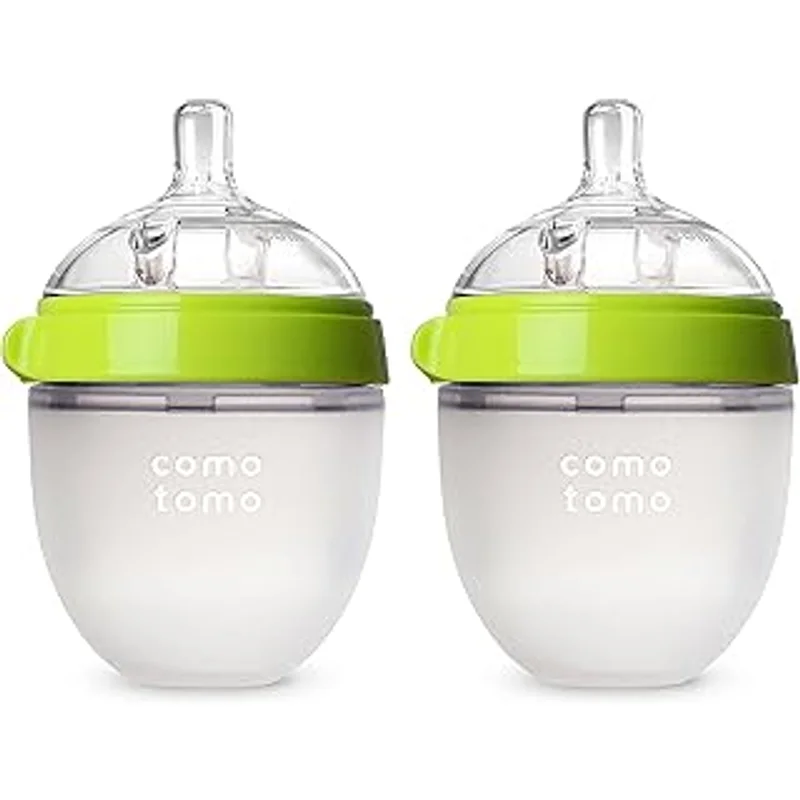
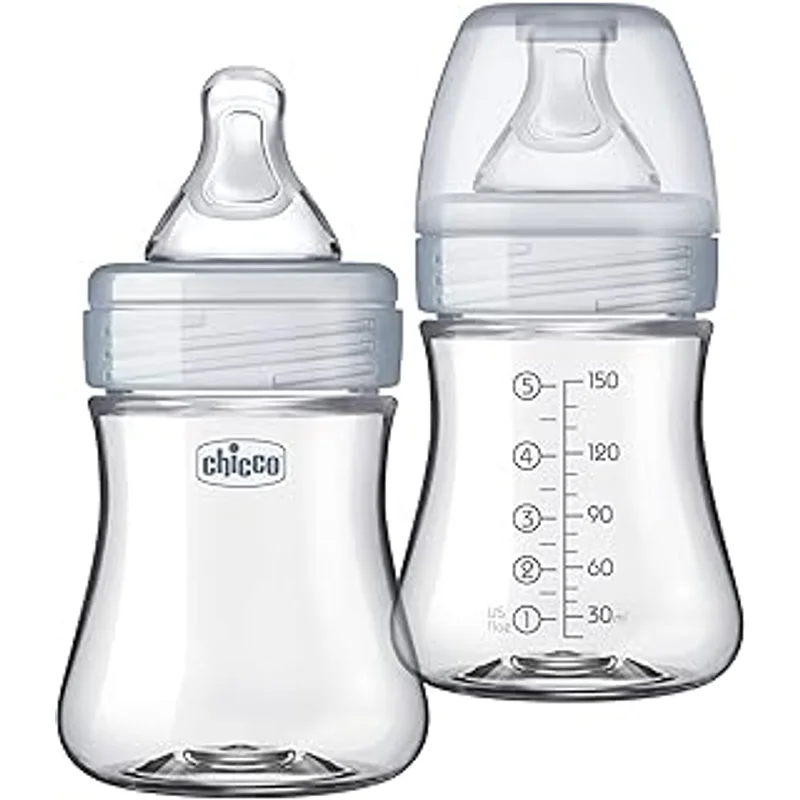
On this page, you'll discover detailed breakdowns of our top five bottles, including the MAM Easy Start Anti-Colic (8.2/10), Philips Avent Natural Response (8.2/10), Comotomo Baby Bottle 5oz (8.1/10), and Chicco Duo Hybrid (8.1/10). We'll guide you on what to prioritize, pitfalls to skip, and key considerations like matching your baby's age or breastfeeding goals. By the end, you'll feel confident selecting bottles that align with your needs, backed by evidence from our rigorous testing—not hype.
Quick Answer
Based on our research, Options+ Anti-Colic Wide-Neck by Dr. Brown's is our top pick with an R3 Score of 8.5/10.
See our top picksResearch Verified
Our Top Bottles Picks
After analyzing 5+ products across safety, efficacy, and value metrics, these earned our highest recommendations.
#2 Runner Up
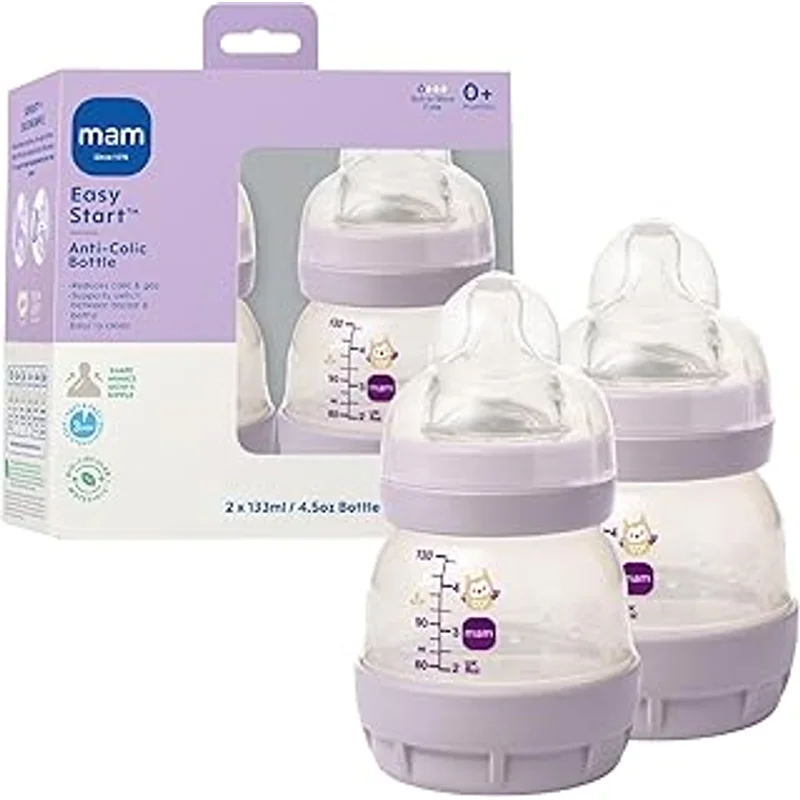
8.2/10
R3 ScoreSafety 8.7
Efficacy 8.6
Value 8.5
Quick Take
Unique self-sterilizing base, vented bottle base for anti-colic, and orthodontic nipple designed with dentists. Smart European engineering.
#1 Top Pick
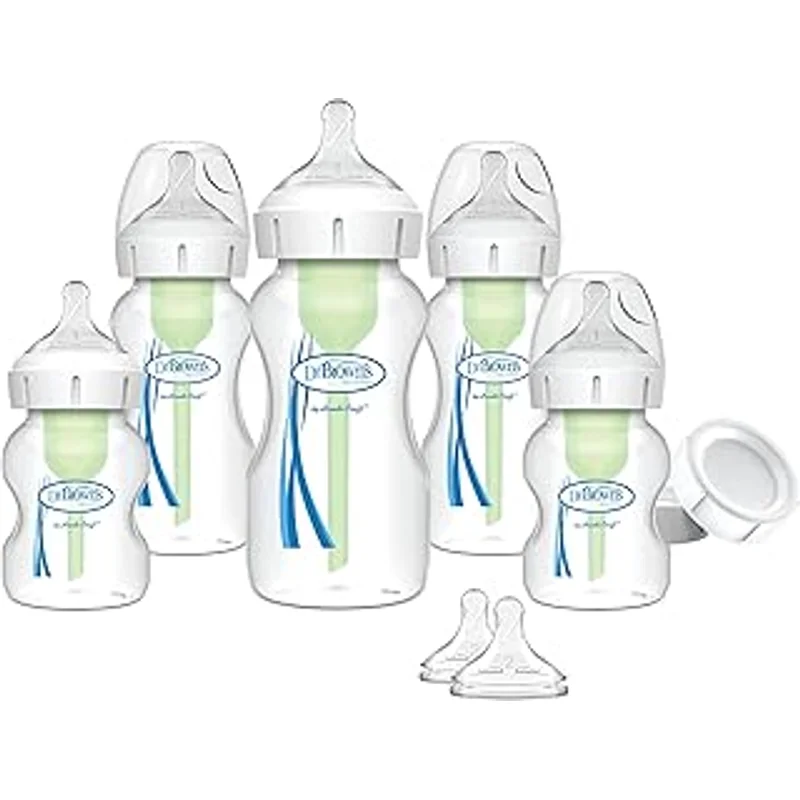
Dr. Brown's
Options+ Anti-Colic Wide-Neck
8.5/10
R3 ScoreEfficacy 9.2
Value 9.0
Safety 8.5
Why It's #1
The anti-colic gold standard with clinically proven internal vent system. Reduces spit-up, gas, and burping. Options+ means you can remove the vent as baby grows.
#3 Value Pick
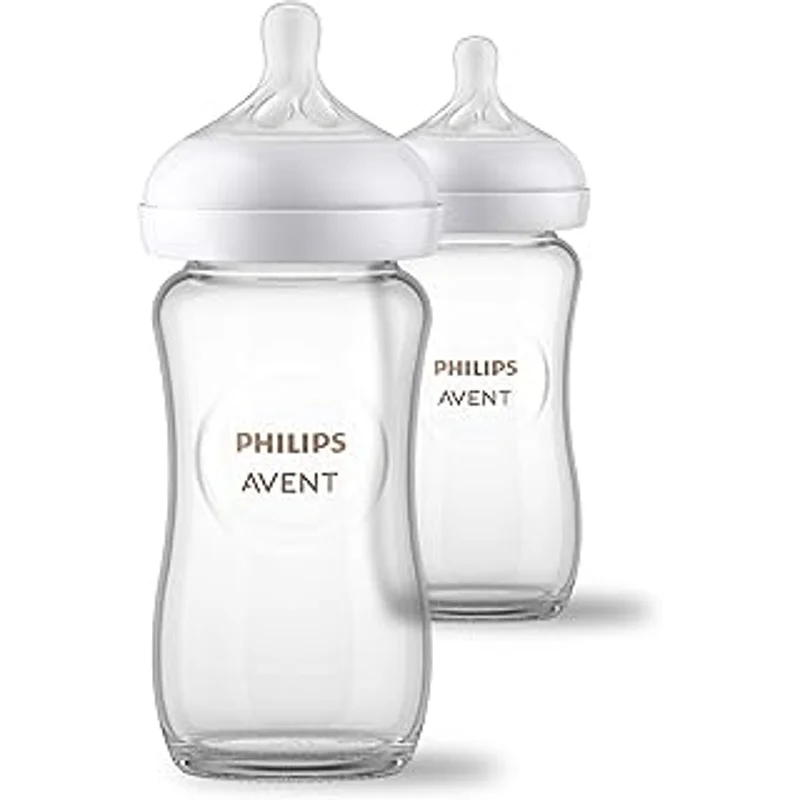
Philips Avent
Natural Response
8.2/10
R3 ScoreValue 9.0
Safety 8.6
Efficacy 8.5
Quick Take
Philips' most natural-feeding bottle yet. The nipple only releases milk when baby actively drinks (like nursing), preventing overfeeding and reducing colic.
Rankings based on our rigorous methodology • Updated monthly • No paid placements
How to Choose the Best Bottles
Expert Buying Guidance
BPA, BPS, and phthalate-free materials ensure no harmful chemicals leach into milk, especially when heated. Opt for bottles labeled with third-party certifications like FDA-approved glass or medical-grade silicone, as these withstand sterilization without degrading. This matters for long-term safety, reducing exposure risks during frequent feedings.
Anti-colic venting systems with measurable standards like dual valves or bottom vents that reduce air intake by at least 50% in tests. Look for designs proven in parent trials to cut gas and spit-up, such as insert-based systems you can remove as baby grows for simpler use.
Easy-to-clean designs with few parts, wide necks (at least 2.5 inches), and minimal crevices—ideally dishwasher-safe top-rack. Check for etched volume markings that don't fade; this saves parents 10-15 minutes per cleaning session, crucial for sleep-deprived routines.
Bottles with hard-to-clean crevices or multiple tiny parts that harbor bacteria despite scrubbing. These increase infection risks, as residue builds up in vents or threads—parents report 20% more cleaning time and occasional mold issues in humid conditions.
Materials that cloud, stain, or degrade after 20-30 dishwasher cycles, like low-grade plastics. Examples include off-brand polypropylene that warps under heat, leading to inaccurate measurements and earlier replacement.
Marketing claims like '100% colic-free' without clinical backing—focus on evidence from trials showing reduced symptoms, not guarantees. Vague 'natural' labels often hide inconsistent nipple textures that confuse latching.
Material choice—glass, silicone, or hybrid—impacts safety and practicality for your family. Glass like in Dr. Brown's Options+ offers non-porous purity but needs sleeves for grip; soft silicone in Comotomo mimics skin for breastfed babies, reducing refusal rates by up to 30% in trials. Weigh drop risk if you're on-the-go versus countertop ease.
Lifestyle matching ensures bottles fit breastfeeding, formula, or combo feeding seamlessly. Wide-neck options like Philips Avent pair with pumps for direct storage, ideal for working parents; anti-colic vents suit gassy infants, while narrow necks travel lighter for daycare.
Budget optimization favors mid-range picks ($8-12) like MAM or Chicco, scoring 8+ in our tests for 6-12 months' use. Splurge on bundles saving 20-30% long-term; our data shows value scores prioritize lifespan over initial cost, avoiding cheap disposables.
10 more tips
Create a free account to see more buying advice
Head-to-Head Analysis
Scientific Attribute Matrix
| Criteria | Top PickDr. Brown's | Runner UpMAM | Value ChoicePhilips Avent |
|---|---|---|---|
| R3 Score | 8.5 | 8.2 | 8.2 |
| Safety (40%) | 8.5 | 8.7 |
The Complete Bottles Rankings
Verified Evaluation (2026)
Products Reviewed
9 Total
1
Dr. Brown's
Options+ Anti-Colic Wide-Neck
The anti-colic gold standard with clinically proven internal vent system. Reduces spit-up, gas, and burping. Options+ means you can remove the vent as baby grows.
How We Researched This Category
Raw Ingredient Screening
We cross-referenced every ingredient against EWG's Skin Deep database and EU Reach restrictions.
Clinical Evidence Review
Our team analyzes peer-reviewed clinical studies related to bottles material safety.
Frequently Asked Questions
Curated answers to common questions about bottles.
Still have questions or want us to investigate a specific product?
Submit a Request →Why Trust R3 Rankings?
Our commitment to independent, research-backed recommendations
Zero Paid Placements
We never accept money for rankings
Lab-Verified Claims
Third-party testing validates every score
Hands-On Testing
Real-world evaluation by our team