Compare Cordless Vacuum
Which scores higher on safety? R3 breaks it down.
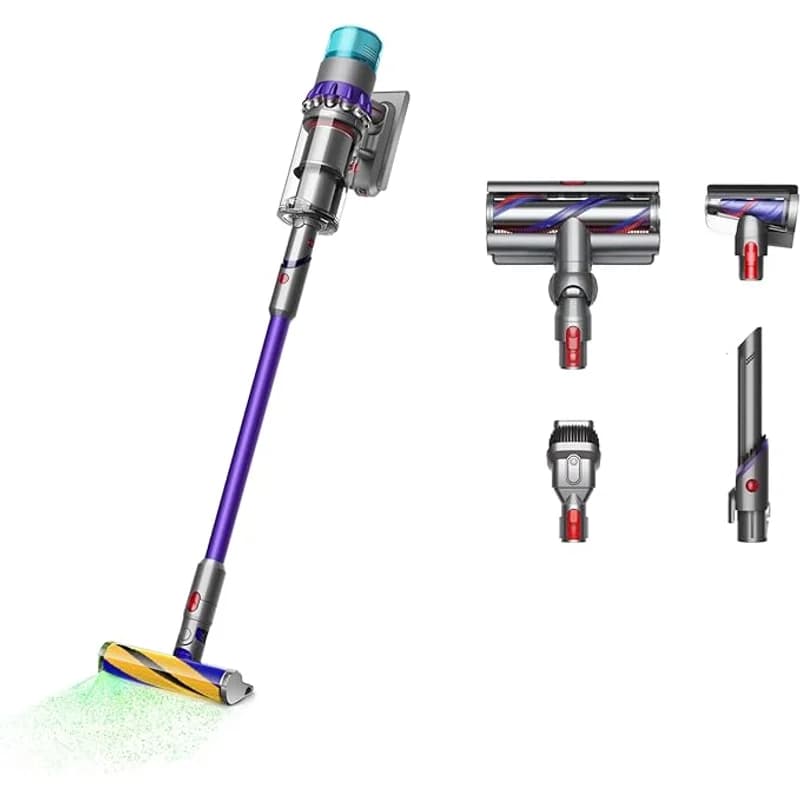
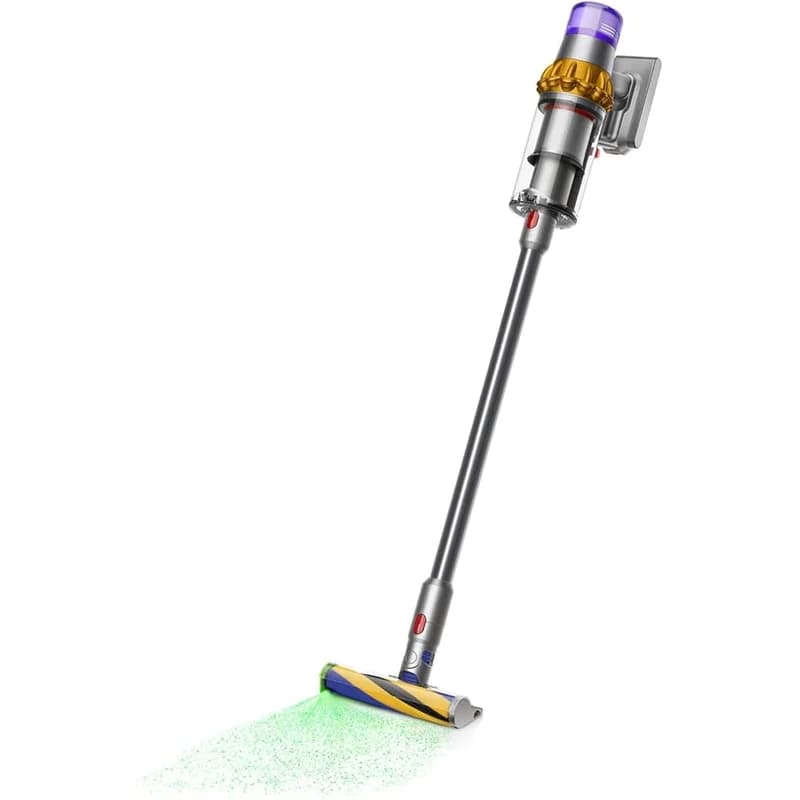
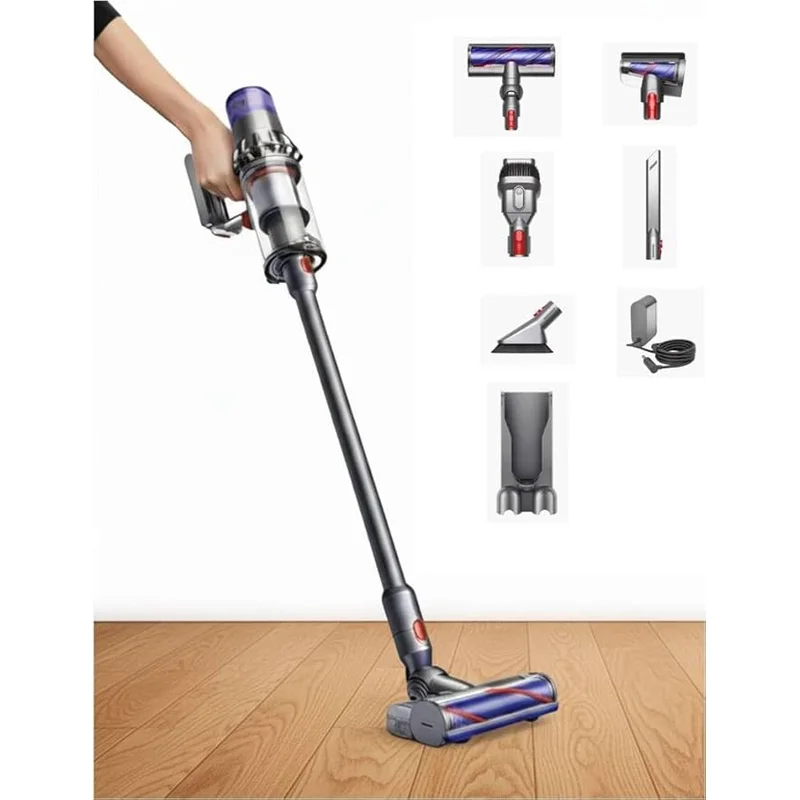
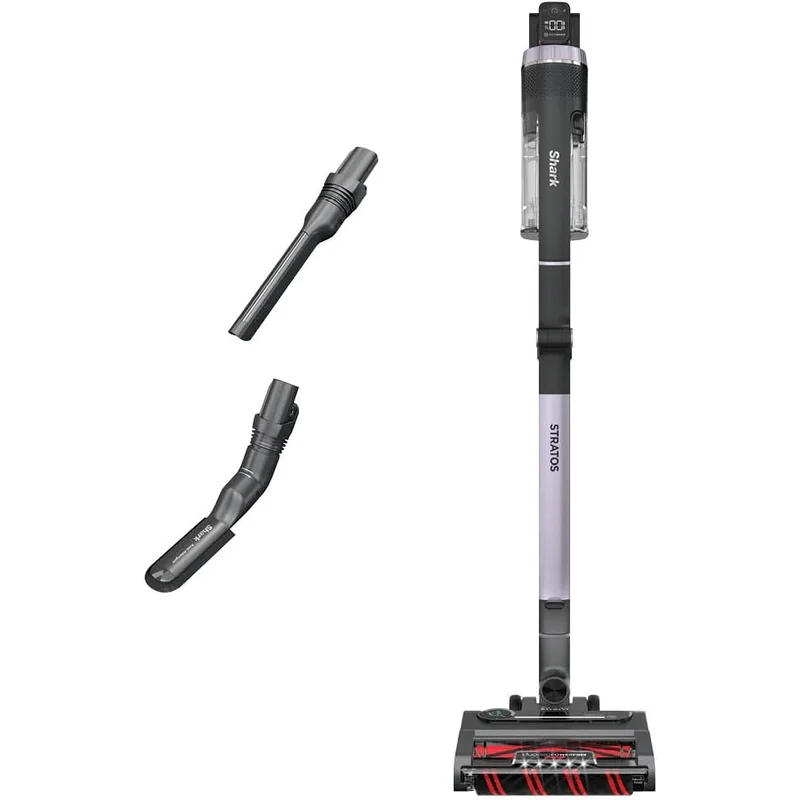
R3 scored the Dyson Gen5detect Cordless Vacuum 7.6/10 and the Dyson V15 Detect Cordless Vacuum 7.6/10 on the same cordless vacuum scoring system, weighing safety, efficacy, and usability. The overall scores are close; the pillar breakdown below shows where they differ.
The most important dimensions, side by side.
See which one actually scores higher — and why
Free account unlocks full safety scores, spec-by-spec breakdown, and the R3 verdict on Dyson Gen5detect Cordless Vacuum vs Dyson V15 Detect Cordless Vacuum.
Unlock the full Dyson Gen5detect Cordless Vacuum vs Dyson V15 Detect Cordless Vacuum breakdown
Free account unlocks all safety scores, complete spec comparison, scoring rationale, and the R3 verdict on which one to buy.
Everything you need to make the call - who each one is for, and who should skip it.
Go for it if you...
You have VOC concerns — new construction off-gassing, heavy cleaning product use, or chemical sensitivities — and want activated carbon filtration alongside sealed HEPA 14 particle capture.
Your home is 2,000+ sq ft and 50 minutes of runtime (vs 40 minutes in the V15) means the difference between finishing in one charge or needing a mid-session recharge.
You want Dyson's highest-spec cordless vacuum and the price difference is not a primary consideration in your purchase.
You want whole-machine sealed HEPA 14 filtration — not just a HEPA filter — and want independent verification that no dirty air bypasses the filter at chassis seal points.
You're considering the Gen5detect but find it hard to justify $380 more for 10 extra minutes of runtime and marginally higher filtration capture (99.99% vs 99.97%).
Your home is under 2,000 sq ft and 40 minutes of runtime covers your cleaning session comfortably.
You want the largest dustbin in the category (0.77L) with a real-time particle sensor that confirms cleaning effectiveness as you go.
The main thing to know
The Gen5detect scores 7.60 — virtually identical to the $380 V15 Detect (7.61). The $670 premium is real; what you get for it is 10 more minutes of runtime, 32Pa more suction (both already at ceiling), an activated carbon layer for VOC capture, and Dyson's most advanced brush bar. If none of those features address your specific needs, the V15 Detect delivers the same core safety profile at a fraction of the cost.
The V15 Detect's 7.61 score is driven almost entirely by safety (79.8% weight). It delivers the same sealed-HEPA 14 profile as the $1,050 Gen5detect at $380 — the core safety spec is identical. The material transparency gaps (filter chemistry, body BPA status) are real but category-wide. At $380 with the lowest annual TCO in the Dyson lineup (~$101/year), this is the best safety-to-value ratio in the cordless vacuum category.
Skip this if you...
You're comparing this to the V15 Detect — the core safety profile (sealed HEPA 14, UL battery) is identical, and the V15 saves $670 for a lighter, lower-TCO unit.
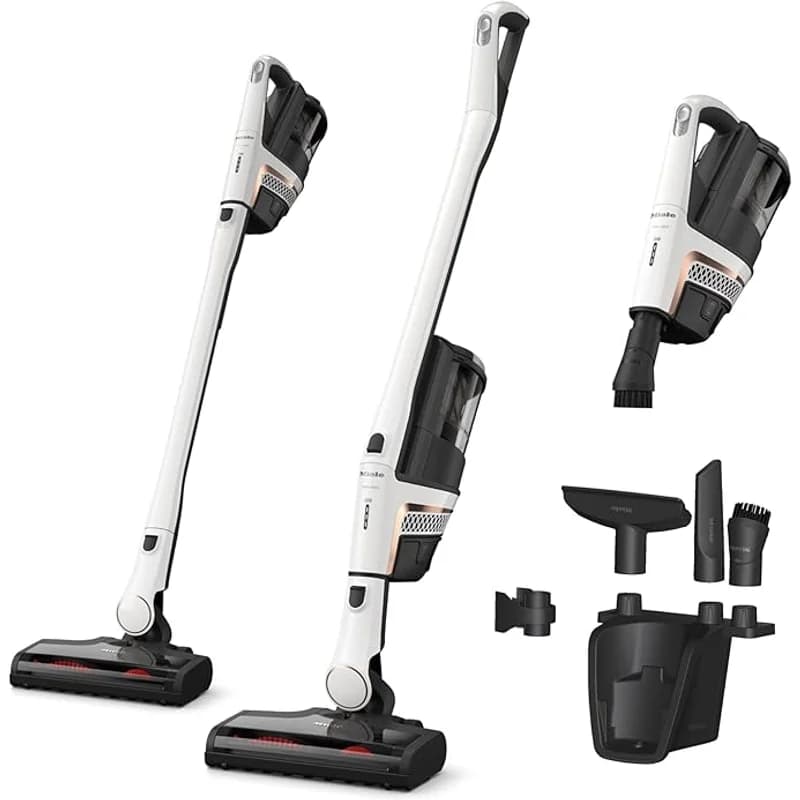
You want a user-replaceable battery: the Miele Triflex HX2 offers field-swappable battery packs at $849 and earns the highest safety score in the category (8.24).
Weight matters for your use case — 7.3lbs is the heaviest in the Dyson lineup and the category, and the ergonomic difference from the V15's 6.8lbs is noticeable over extended cleaning sessions.
Your home is over 2,000 sq ft and you need 50–60 minutes of continuous runtime without a mid-session recharge.
You want a user-replaceable battery for long-term ownership — the Miele Triflex HX2 offers field-swappable battery packs the V15 does not.
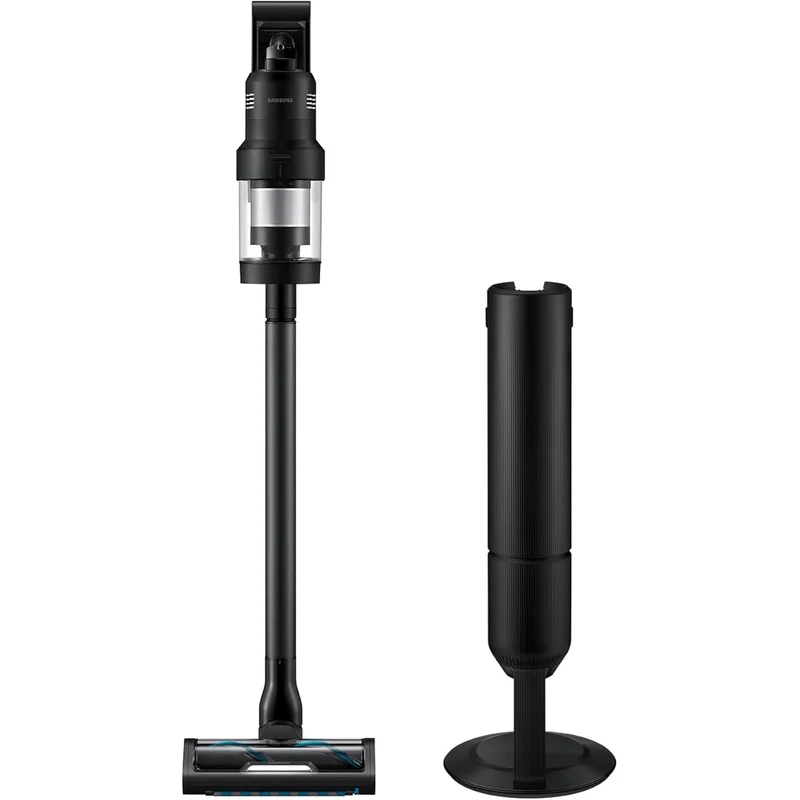
You need the vacuum to self-empty into a dock — the Samsung Bespoke Jet's Clean Station does this; the V15 Detect does not.
Neither of these quite what you're looking for?
I've reviewed all Cordless Vacuum options at every price pointEvery Cordless Vacuum in our database is scored using R3's deterministic scoring system - the same inputs always produce the same score. For this comparison, we evaluated Dyson and Dyson across 3 independent criteria: Safety (80%), Efficacy (13%), Usability (7%). No sponsored rankings. No paid placements.
Straight answers - no sponsored content, no filler.
Both scored close to 7.6/10, so the better choice depends on your priorities. Safety is our top-weighted scoring pillar, followed by efficacy, and usability. Check which pillar matters most to your family and compare those specific scores.
R3 uses a deterministic scoring system - the same inputs always produce the same score. We evaluate each Cordless Vacuum across Safety, Efficacy, Usability using independently verified data. No sponsored rankings. No paid placements. Every score is fully reproducible.
Not necessarily. The overall score reflects how we weight those three pillars, but your priorities may differ. If you care most about safety, compare the safety scores directly. If budget drives your decision, the prices tell a clearer story. The "right" pick is the one that matches what matters most to your family.
Not the right match? Explore these alternatives in the same category.