Compare Dutch Ovens
Caraway Enameled Cast Iron Dutch Oven scores higher on safety - here's why.
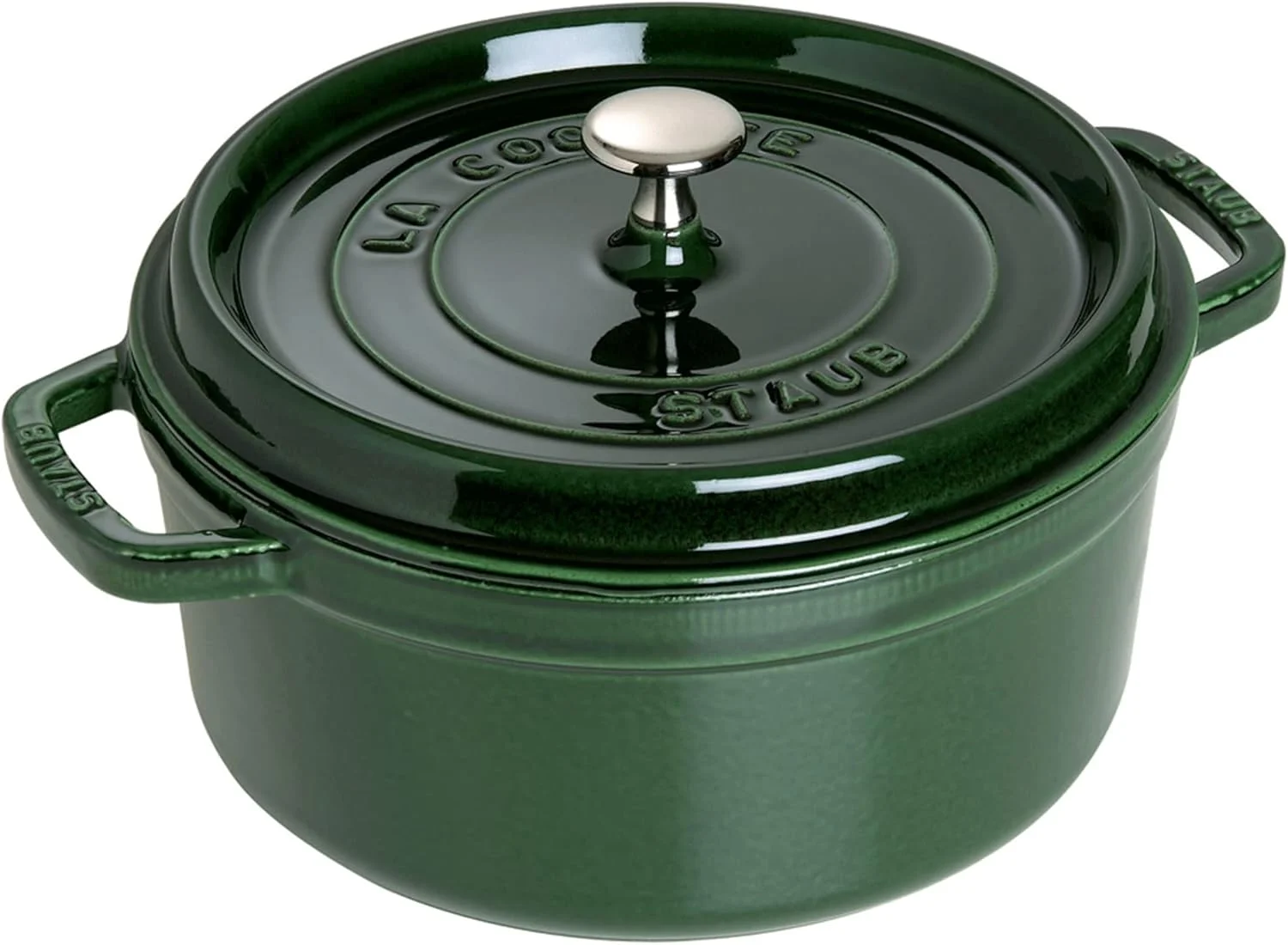
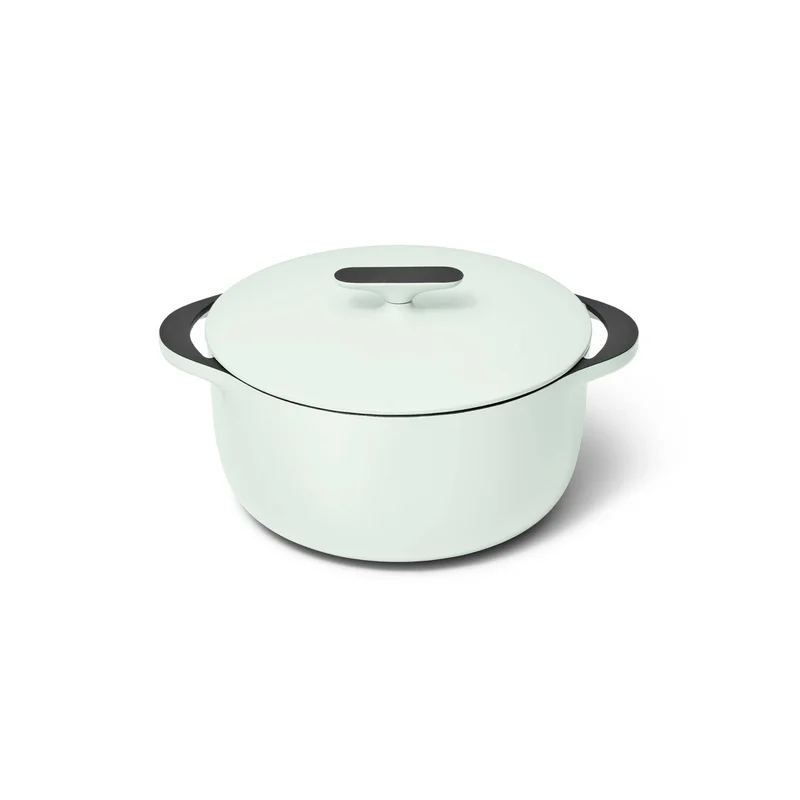
R3 scored the Staub Cocotte 5.5 Qt Round 9.5/10 and the Caraway Enameled Cast Iron Dutch Oven 9.9/10 on the same dutch ovens scoring system, weighing safety, efficacy, and usability. The Caraway Enameled Cast Iron Dutch Oven comes out ahead, led by its safety score (9.9/10 vs 9.5/10).
The most important dimensions, side by side.
See which one actually scores higher — and why
Free account unlocks full safety scores, spec-by-spec breakdown, and the R3 verdict on Staub Cocotte 5.5 Qt Round vs Caraway Enameled Cast Iron Dutch Oven.
Unlock the full Staub Cocotte 5.5 Qt Round vs Caraway Enameled Cast Iron Dutch Oven breakdown
Free account unlocks all safety scores, complete spec comparison, scoring rationale, and the R3 verdict on which one to buy.
Everything you need to make the call - who each one is for, and who should skip it.
Go for it if you...
You want the highest documented enamel safety -- Prop 65 for lead and cadmium, with published audits you can actually reference.
You cook slowly and often: braises, soups, stews, and Dutch oven bread all benefit from Staub's self-basting lid and excellent heat retention.
You're buying once for the long term and a $400 investment makes sense spread over years.
You want French-made cookware with a parent company (Zwilling) that publishes its compliance documentation.
Safety certification, not just safety claims, is your standard.
You want the most rigorously third-party-tested dutch oven in the category — Caraway tests more PFAS types and heavy metals than any competitor we evaluated.
You want genuine cast iron performance: excellent heat retention for long braises and 500°F oven capability for Dutch oven bread.
You are comfortable with 13.4 lbs and want a pot that will last a lifetime under a solid limited warranty.
The main thing to know
Staub is the only Dutch oven in this comparison with Prop 65 certification for both lead AND cadmium, backed by Zwilling's published compliance audits. That's not marketing language -- it's the strongest documented enamel safety story you can buy. The tradeoff is price: at $300, it's a serious investment. But if verified safety matters to you, there's no stronger case in this category.
Caraway's enameled cast iron dutch oven combines two things that are hard to find together: the most rigorously third-party-tested chemical safety profile in the category (200+ PFAS types, 20+ heavy metals, Prop 65 verified for both lead and cadmium) with genuine cast iron performance — excellent heat retention, 500°F oven capability, and a limited lifetime warranty. The honest tradeoff is weight: at 13.4 lbs, this is a heavy pot for daily family cooking. If you want safety verification without cast iron weight, the ceramic Caraway non-stick dutch oven is the lighter option, though it scores lower on heat retention.
Skip this if you...
Your budget is under $150 -- Lodge gives you solid lead safety at $80.
You rarely cook low-and-slow; the heat retention premium won't show up in weeknight cooking.
You cook daily and need a lightweight option — at 13.4 lbs this is a physically demanding daily driver.
You are on a tight budget — at $195 there are cheaper cast iron options, though none with these safety credentials.
You want the lightest possible dutch oven — look at Emile Henry (8.8 lbs) or the ceramic Caraway non-stick version instead.
Neither of these quite what you're looking for?
I've reviewed all Dutch Ovens options at every price pointEvery Dutch Ovens in our database is scored using R3's deterministic scoring system - the same inputs always produce the same score. For this comparison, we evaluated Staub and Caraway across 3 independent criteria: Safety (87%), Efficacy (12%), Usability (1%). No sponsored rankings. No paid placements.
Straight answers - no sponsored content, no filler.
I'd start with Caraway Caraway Enameled Cast Iron Dutch Oven - it scored 9.9/10 overall in our scoring system. Safety is our top-weighted scoring pillar, followed by efficacy, and usability. Check which pillar matters most to your family and compare those specific scores.
R3 uses a deterministic scoring system - the same inputs always produce the same score. We evaluate each Dutch Ovens across Safety, Efficacy, Usability using independently verified data. No sponsored rankings. No paid placements. Every score is fully reproducible.
Not necessarily. The overall score reflects how we weight those three pillars, but your priorities may differ. If you care most about safety, compare the safety scores directly. If budget drives your decision, the prices tell a clearer story. The "right" pick is the one that matches what matters most to your family.
Not the right match? Explore these alternatives in the same category.