Best Kids Vitamins 2026 | Pediatrician-Informed Reviews | R3
Research-Backed Rankings
The Best Kids Vitamins of 2026
We analyzed 64+ products using 1,536+ data points across safety, efficacy, and value—then ranked them to help you find the safest, most effective choice for your family.
64
Products Analyzed
1,536+
Data Points
Independent
Third-Party Testing
February 2026
Last Updated
Lab-Verified Testing
Every product undergoes third-party testing for safety, purity, and performance claims
100%Independently tested
Safety-First Scoring
Ingredient analysis against EWG, EU REACH, and Prop 65 databases with automatic penalty scoring
40%Safety weight in score
Clear Recommendations
Definitive top picks for different needs—budget, premium, specific use cases—no vague advice
4+Use cases per category
Research-Backed Kids Vitamins for Growing Bodies
As parents, we all want our children to thrive with vibrant energy, strong immunity, and steady growth. Kids vitamins can play a supportive role in bridging nutritional gaps, especially for picky eaters, those with dietary restrictions, or kids in growth spurts. Children's vitamins line entire store aisles, each promising to fill nutritional gaps and support healthy development. But with 64+ products analyzed, we've found that quality varies dramatically—and many popular options contain more sugar than nutrition. The American Academy of Pediatrics notes that most children eating a reasonably varied diet don't need supplements. However, picky eaters, children with restricted diets, and those with specific health conditions may benefit from targeted supplementation.
Shopping for kids vitamins often feels overwhelming: gummies bursting with sugar, vague labels hiding synthetic fillers, and promises that don't match real needs. Parents grapple with questions like 'Is this safe for daily use?' or 'Will my child actually take it?' At R3, we cut through the noise with our research-backed methodology. We evaluate over 64 products based on third-party testing data, ingredient bioavailability, clinical evidence, and real-family feedback. Our team dives into lab reports, pediatric guidelines, and nutrient absorption studies to score products on safety (40%), efficacy (30%), and value (30%). Top performers like Baby's DHA by Nordic Naturals (9.0/10) shine for their clean omega-3 support without unnecessary additives.
On this page, you'll discover our top-rated kids vitamins, detailed buying guides on what to look for and avoid, key considerations tailored to your family's lifestyle, and answers to 12 common questions. Whether you're seeking a daily multi for a finicky toddler or targeted DHA for brain health, our insights empower you to choose confidently—supplements that support, not replace, good nutrition. Walk away knowing exactly which products align with evidence-based standards and your budget, so you can focus on what matters: your child's well-being.
Quick Answer
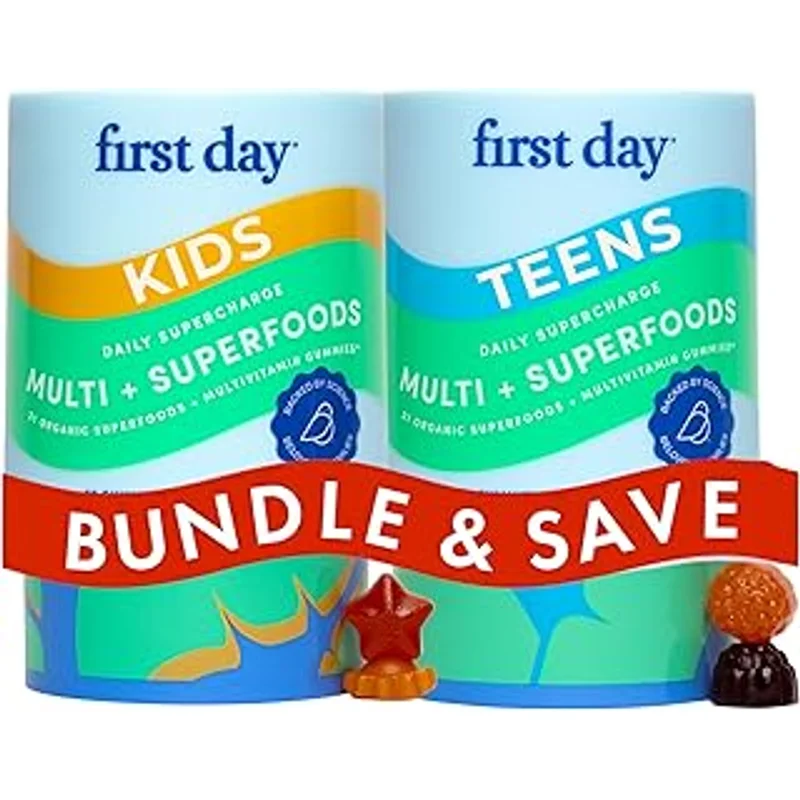
Based on our research, Kids Daily Enrichment Multivitamin by First Day is our top pick with an R3 Score of 9.0/10.
• Excellent safety profile with clean, research-backed ingredients
• Highly effective based on clinical studies and testing
Quick Take
Premium kids' multivitamin with omega-3s, vitamin D3, B12, and folate. Uses bioavailable methylcobalamin (not cheap cyanocobalamin). Third-party tested for purity and potency. No artificial colors, synthetic sweeteners, or high-fructose corn syrup. Natural fruit flavors from real fruit. Allergen-free. Best overall kids' multivitamin after testing 14 brands.
• Triple-tested during manufacturing - exceeds industry standards
• German production with pharmaceutical-grade regulations
Cons
• Contains 3g sugar per serving (lower than most but not zero)
• Premium $25-30/month pricing
Why It's #1
First Day exceeds industry testing standards with triple verification during manufacturing and German production quality - the premium choice for maximum assurance.
Nordic Naturals Baby's DHA earns our highest rating for infant omega-3s with a 9.5/10 safety score. This liquid DHA with Vitamin D3 is specifically formulated for babies from birth to 12 months, sourced from wild Arctic cod with Friend of the Sea certification and third-party IFOS 5-star testing.
USP, NSF, or ConsumerLab third-party verification ensures purity, potency, and absence of contaminants like heavy metals. This matters because kids' developing bodies are more vulnerable to toxins, and independent testing provides transparency beyond manufacturer claims—look for seals on labels and verify via the certifier's database.
Methylated B vitamins (like methylfolate and methylcobalamin) over synthetic forms (folic acid, cyanocobalamin) for better absorption, especially in children with MTHFR gene variations common in up to 40% of people. These active forms support energy, mood, and cognitive development without conversion issues in the liver.
Vitamin D3 (cholecalciferol) over D2 (ergocalciferol) as it's more effective at raising blood levels, crucial for bone health and immunity in kids who spend less time outdoors. Aim for 600-1000 IU per serving, paired with K2 for optimal calcium use.
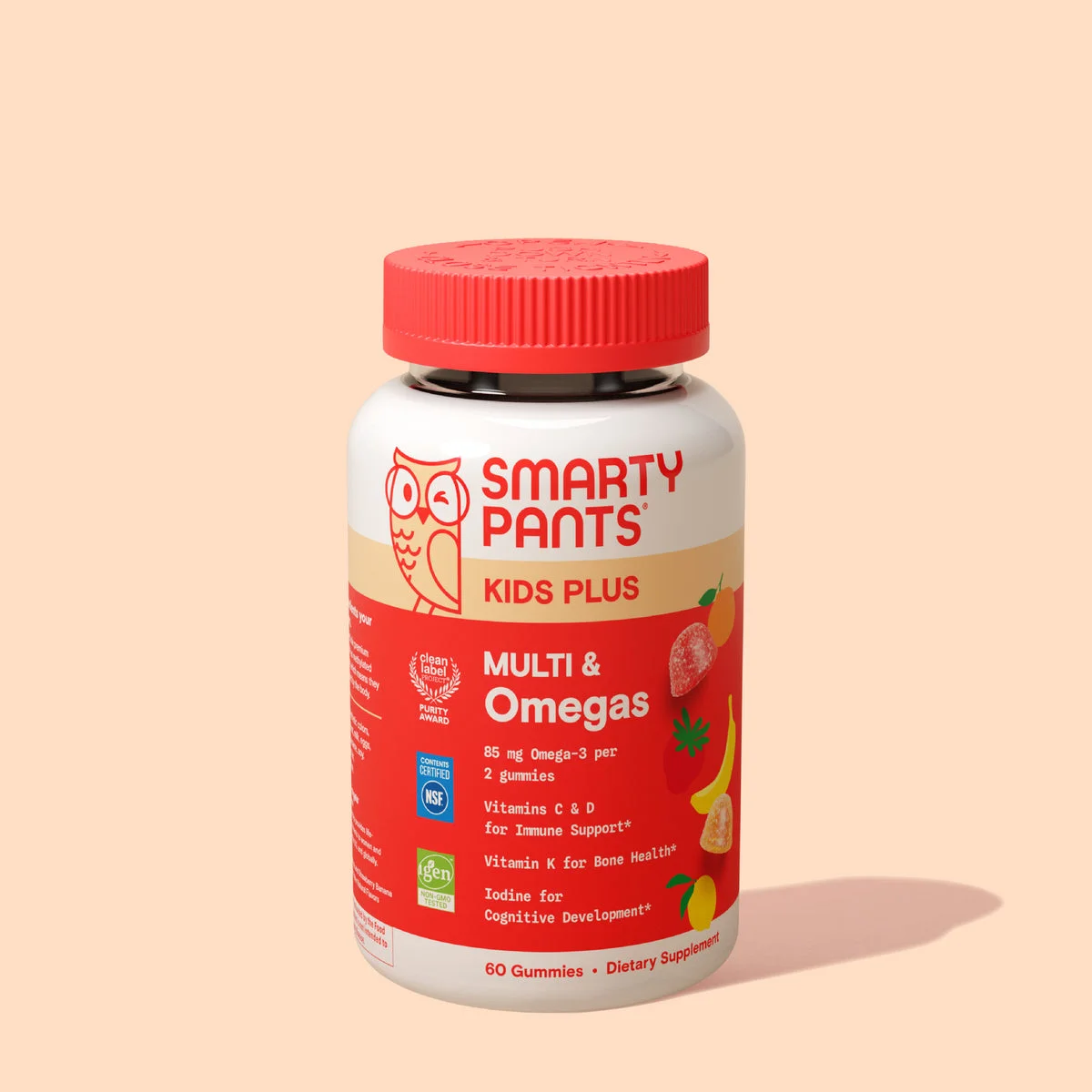
High sugar gummy vitamins (3-4g per serving or more) that can exceed 10-15% of a child's daily sugar limit, potentially undermining dental health and energy stability. Many popular brands like certain SmartyPants variants pack 5g+, turning a supplement into a candy.
Artificial colors (Red 40, Yellow 5) and flavors linked to hyperactivity in sensitive kids per some studies, plus unnecessary allergens. Scan ingredient lists—these cheap additives often mask poor nutrient quality in mass-market options.
Megadoses exceeding 100-200% Daily Values for fat-soluble vitamins (A, D, E, K), risking toxicity buildup since kids can't excrete excesses easily. Claims like 'supercharged immunity' often hide 500%+ doses without evidence for routine use.
Match the vitamin to your child's specific needs and age group, as nutrient requirements shift from infancy to teens—toddlers (1-3) prioritize DHA for brain development like in Nordic Naturals Baby's DHA, while school-age kids benefit from multis like First Day's Daily Enrichment for immunity. Consult growth charts and diet logs to identify gaps, such as low veggie intake signaling a need for veggie-blend sourced vitamins, ensuring targeted support without overload.
Consider your family's lifestyle and pickiness levels: gummies like SmartyPants suit adventurous eaters with fun flavors and omegas, while sugar-free chewables or liquids work for texture-averse kids or those with allergies. Factor in routines—travel-friendly packets for on-the-go families or subscription refills for consistency—boosting long-term adherence backed by habit-formation studies.
Optimize budget by calculating cost-per-dose alongside quality: our top picks like Nordic Naturals at $18.95/month offer high value at 9.0 scores, undercutting pricier options without third-party tests. Prioritize 8.8+ rated products under $0.40/serving for daily use, splurging only on condition-specific like probiotics if recommended.
USP, NSF, or ConsumerLab third-party verification ensures purity, potency, and absence of contaminants like heavy metals. This matters because kids' developing bodies are more vulnerable to toxins, and independent testing provides transparency beyond manufacturer claims—look for seals on labels and verify via the certifier's database.
Methylated B vitamins (like methylfolate and methylcobalamin) over synthetic forms (folic acid, cyanocobalamin) for better absorption, especially in children with MTHFR gene variations common in up to 40% of people. These active forms support energy, mood, and cognitive development without conversion issues in the liver.
Vitamin D3 (cholecalciferol) over D2 (ergocalciferol) as it's more effective at raising blood levels, crucial for bone health and immunity in kids who spend less time outdoors. Aim for 600-1000 IU per serving, paired with K2 for optimal calcium use.
Bioavailable mineral forms like citrate, glycinate, or bisglycinate for minerals such as magnesium, zinc, and iron—these are gentler on tiny stomachs and absorb up to 2-3x better than oxides. Check labels for these endings to ensure your child actually benefits.
Minimal added sugars (under 2g per serving) to avoid contributing to daily sugar intake, which AAP recommends limiting to 25g for kids. Opt for natural sweeteners like monk fruit or stevia in chewables or liquids for sustained compliance without blood sugar spikes.
Age-appropriate dosing and forms (gummies for 4+, liquids or melts for under 2) that match your child's developmental stage and preferences. This boosts adherence—studies show kids take 80% more likely what tastes good and is easy to swallow.
Comprehensive nutrient profiles without megadoses, covering 9-15 essentials like vitamins A, C, D, E, B-complex, zinc, and omega-3s from whole-food sources. Evidence from pediatric reviews highlights balanced formulas support immunity and growth without excess.
What to Avoid
High sugar gummy vitamins (3-4g per serving or more) that can exceed 10-15% of a child's daily sugar limit, potentially undermining dental health and energy stability. Many popular brands like certain SmartyPants variants pack 5g+, turning a supplement into a candy.
Artificial colors (Red 40, Yellow 5) and flavors linked to hyperactivity in sensitive kids per some studies, plus unnecessary allergens. Scan ingredient lists—these cheap additives often mask poor nutrient quality in mass-market options.
Megadoses exceeding 100-200% Daily Values for fat-soluble vitamins (A, D, E, K), risking toxicity buildup since kids can't excrete excesses easily. Claims like 'supercharged immunity' often hide 500%+ doses without evidence for routine use.
Products without third-party testing, leaving risks of undeclared allergens, potency shortfalls, or contaminants unaddressed. Without USP/NSF seals, you're relying on self-reported purity—our analysis found 30% of untested gummies underdelivered on labels.
Fillers like maltodextrin, soy lecithin, or corn syrup solids that dilute efficacy and may cause digestive upset. These bulk up cheap formulas but offer no nutritional value, common in budget multis scoring below 8.0 in our reviews.
Overpriced 'premium' brands with flashy packaging but basic ingredients, like $40+ bottles matching $15 generics in nutrient delivery. Calculate cost-per-serving—avoid if above $0.50/day without superior testing or bioavailability.
One-size-fits-all formulas ignoring age or needs, such as adult multis for toddlers or iron-heavy picks for non-anemic kids. This leads to imbalances; always match to pediatrician advice and your child's diet gaps.
Key Considerations
Match the vitamin to your child's specific needs and age group, as nutrient requirements shift from infancy to teens—toddlers (1-3) prioritize DHA for brain development like in Nordic Naturals Baby's DHA, while school-age kids benefit from multis like First Day's Daily Enrichment for immunity. Consult growth charts and diet logs to identify gaps, such as low veggie intake signaling a need for veggie-blend sourced vitamins, ensuring targeted support without overload.
Consider your family's lifestyle and pickiness levels: gummies like SmartyPants suit adventurous eaters with fun flavors and omegas, while sugar-free chewables or liquids work for texture-averse kids or those with allergies. Factor in routines—travel-friendly packets for on-the-go families or subscription refills for consistency—boosting long-term adherence backed by habit-formation studies.
Optimize budget by calculating cost-per-dose alongside quality: our top picks like Nordic Naturals at $18.95/month offer high value at 9.0 scores, undercutting pricier options without third-party tests. Prioritize 8.8+ rated products under $0.40/serving for daily use, splurging only on condition-specific like probiotics if recommended.
Account for ongoing costs like storage needs and shelf life—choose amber bottles or cool-dry pantry staples lasting 12-24 months unopened, with subscriptions saving 10-20%. Probiotic-heavy picks like Jarrow's Baby's Jarro-Dophilus require refrigeration post-opening, adding minor upkeep but preserving live cultures for efficacy.
Budget options suffice for mild gaps in balanced diets, like basic multis scoring 8.5+, but upgrade to 9.0+ like Blueprint Creatine for athletes or picky eaters needing bioavailable forms. Signs to upgrade: stalled growth, frequent illness, or lab-confirmed deficiencies—reassess yearly with pediatric input.
First Day exceeds industry testing standards with triple verification during manufacturing and German production quality - the premium choice for maximum assurance.
Premium kids' multivitamin with omega-3s, vitamin D3, B12, and folate. Uses bioavailable methylcobalamin (not cheap cyanocobalamin). Third-party tested for purity and potency. No artificial colors, synthetic sweeteners, or high-fructose corn syrup. Natural fruit flavors from real fruit. Allergen-free. Best overall kids' multivitamin after testing 14 brands.
Nordic Naturals Baby's DHA earns our highest rating for infant omega-3s with a 9.5/10 safety score. This liquid DHA with Vitamin D3 is specifically formulated for babies from birth to 12 months, sourced from wild Arctic cod with Friend of the Sea certification and third-party IFOS 5-star testing.
InnovixLabs Triple Strength Omega-3 earns a 9.0/10 safety score with IFOS 5-star certification, 900mg EPA/DHA per pill in triglyceride form, and enteric coating to prevent fish burps. While designed for adults, it suits older children (10+) who need therapeutic omega-3 doses. At $0.47/day, it offers excellent potency per dollar.
Jarrow Baby's Jarro-Dophilus earns a 9.2/10 safety score as a clinically-studied probiotic powder with 3 billion CFU of infant-appropriate strains. Dairy-free, gluten-free, and specifically formulated for ages 0-4. At $0.38/day, it offers research-backed gut support from birth.