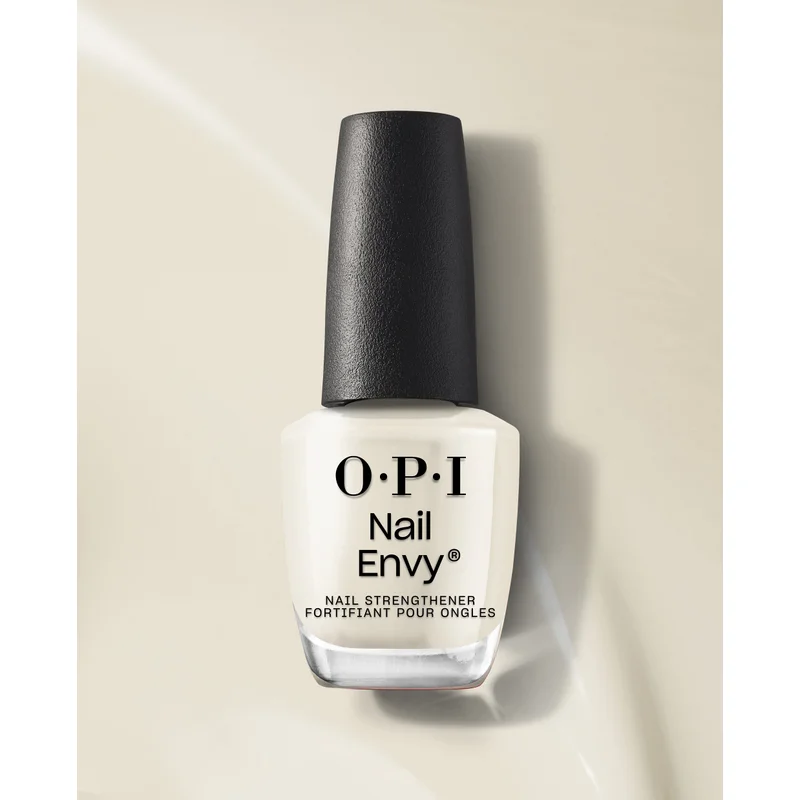
How R3 scored the OPI Nail Lacquer
The OPI Nail Lacquer was graded against the same nail polish-specific rubric we apply to every product in this category — no brand-by-brand exceptions, no sponsored placements, no affiliate-weighted scores. The verdict above came from three pillars: safety (materials, certifications, recall history, chemical exposure pathways), efficacy (independent testing data, verified performance specs, real-world usage durability), and usability (ergonomics, cleaning, noise, parts availability over time). Every point deduction has a citation behind it. Every claim links back to a primary source. Nothing is hidden behind opaque badges.
What separates this from a typical nail polish review elsewhere on the web: we don't accept sponsorships, paid placements, or rev-share-weighted rankings. The brand of the OPI Nail Lacquercannot pay to move up the list. The score is logic-driven (a weighted formula across safety, efficacy, and usability), not opinion-driven, so an editor's personal preference cannot override the evidence. When two products in this category are within a point of each other, the right tie-breaker is whichever pillar matters most to your household — not whichever one ranks first.
Reading the nail polish verdict
A high safety score on the OPI Nail Lacquerdoesn't automatically mean “buy this.” A nail polishthat's genuinely safe but loses points on efficacy may still be the wrong fit if performance is what you actually need. Conversely, a nail polishthat's usability-strong but safety-flagged probably isn't the right call for a child with a known sensitivity. The score is the start of the decision, not the end.
R3 is not a medical, legal, or financial advisor. This review is general consumer-safety reporting, not personalized health guidance. If a safety concern on this page intersects with a specific allergy, sensitivity, or medical condition in your household, talk to your pediatrician or a board-certified specialist — they can weigh the evidence against your family's situation in a way no review can. We'll update this page when credible new evidence changes the picture (a recall, a new lab certification, a meaningful product redesign); the last-updated date in the byline is the source of truth on how current this analysis is.