Research-Backed Rankings
The Best Nail Polish of 2026
We analyzed 5+ products using 120+ data points across safety, efficacy, and value—then ranked them to help you find the safest, most effective choice for your family.
5
Products Analyzed
120+
Data Points
Independent
Third-Party Testing
February 2026
Last Updated
Lab-Verified Testing
Every product undergoes third-party testing for safety, purity, and performance claims
100%Independently tested
Safety-First Scoring
Ingredient analysis against EWG, EU REACH, and Prop 65 databases with automatic penalty scoring
40%Safety weight in score
Clear Recommendations
Definitive top picks for different needs—budget, premium, specific use cases—no vague advice
4+Use cases per category
Beautiful Nails, Safer Formulas for Every Family
Nail polish has been a staple of personal care for generations, but many families are rightfully concerned about what goes into the bottles we apply to our nails week after week. Traditional nail polish formulations have long contained a cocktail of chemicals—formaldehyde, toluene, and dibutyl phthalate (DBP)—that can off-gas fumes and raise health concerns, especially for families with young children or pregnant members. As a conscious parent shopping for nail polish, you're likely juggling competing priorities: wanting beautiful, long-lasting color while avoiding unnecessary chemical exposure, finding products that align with your values around animal welfare and environmental sustainability, and not breaking the bank in the process. The challenge is that the nail polish aisle offers thousands of options with varying claims about safety and performance, making it genuinely difficult to know what's actually worth your money and trust. At R3, we've researched the nail polish market thoroughly to help you navigate these decisions with confidence. Our methodology evaluates each product across three key dimensions: safety (40% of our assessment, focusing on ingredient transparency and absence of harmful chemicals), efficacy (30%, measuring chip resistance and color quality), and value (30%, considering price relative to performance). In this guide, you'll learn exactly what to look for in a cleaner nail polish, which red flags to watch for in marketing claims, and our top picks based on rigorous research—including standouts like Olive & June Long Lasting Nail Polish, which delivers salon-quality performance at an accessible price point without the toxic trio. Whether you're painting your own nails or helping your teenager experiment with color, this page will empower you to make choices that feel good for your family's health and values.
Quick Answer
Based on our research, Olive & June Long Lasting Nail Polish by Olive & June is our top pick with an R3 Score of 8.4/10.
See our top picksResearch Verified
Our Top Nail Polish Picks
After analyzing 5+ products across safety, efficacy, and value metrics, these earned our highest recommendations.
#2 Runner Up
Zoya
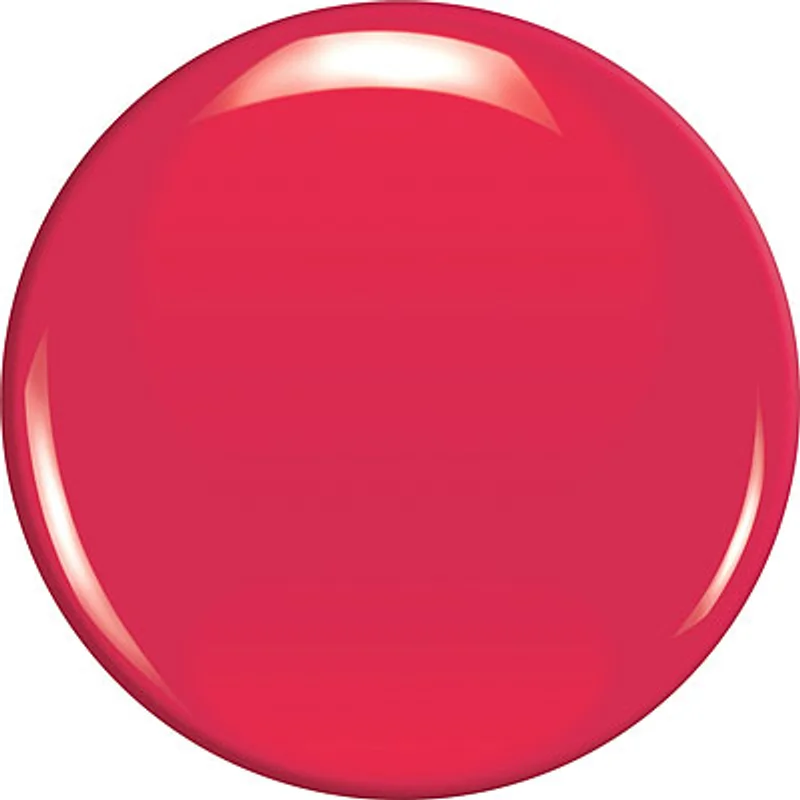
Zoya Nail Polish
8.3/10
R3 ScoreValue 9.3
Safety 8.7
Sustainability 8.0
Pros
- • Big 10-free formula removes most concerning chemicals flagged by EWG and Campaign for Safe Cosmetics
- • 400+ vegan, cruelty-free shades with excellent pigmentation across creams, shimmers, and mattes
Cons
- • Not as clean as 14-free formulas like Dazzle Dry—still contains some synthetic acrylates and nitrocellulose
- • Slower dry time (10-12 minutes between coats) compared to quick-dry systems
Quick Take
Zoya is the trailblazer that made clean nail polish mainstream, offering 400+ vegan, cruelty-free shades in their Big 10-free formula. With professional-quality color payoff and 5-6 day wear when used with a base and top coat, it delivers excellent performance at a wallet-friendly $10 per bottle—no pricey system required.
#1 Top Pick
Olive & June
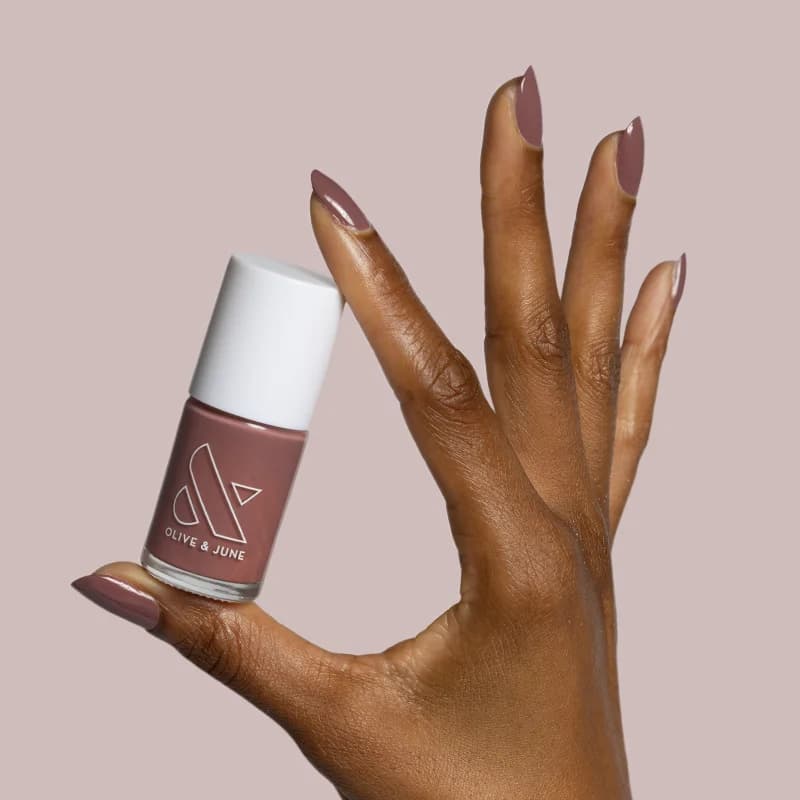
Olive & June Long Lasting Nail Polish
8.4/10
R3 ScoreValue 9.2
Safety 8.7
Efficacy 8.3
Pros
- • 15-free formula excludes formaldehyde, toluene, phthalates, and 12 other concerning ingredients
- • Widely available at Target, CVS, Walmart, and Amazon—no specialty store hunting required
Cons
- • Wide brush can be challenging for precision application on narrow nail beds or around cuticles
- • Not the cleanest formula available—some competitors offer 17-free or toxin-free options
Why It's #1
Olive & June Long Lasting Nail Polish offers an accessible entry point into cleaner beauty with its 15-free, vegan formula that performs like conventional polish. At around $10 per bottle from mainstream retailers like Target and CVS, it delivers up to 10 days of chip-resistant wear with a gel-like finish—no UV lamp required. The wide fan brush makes application surprisingly easy, even for those of us who typically struggle with at-home manicures.
#3 Value Pick
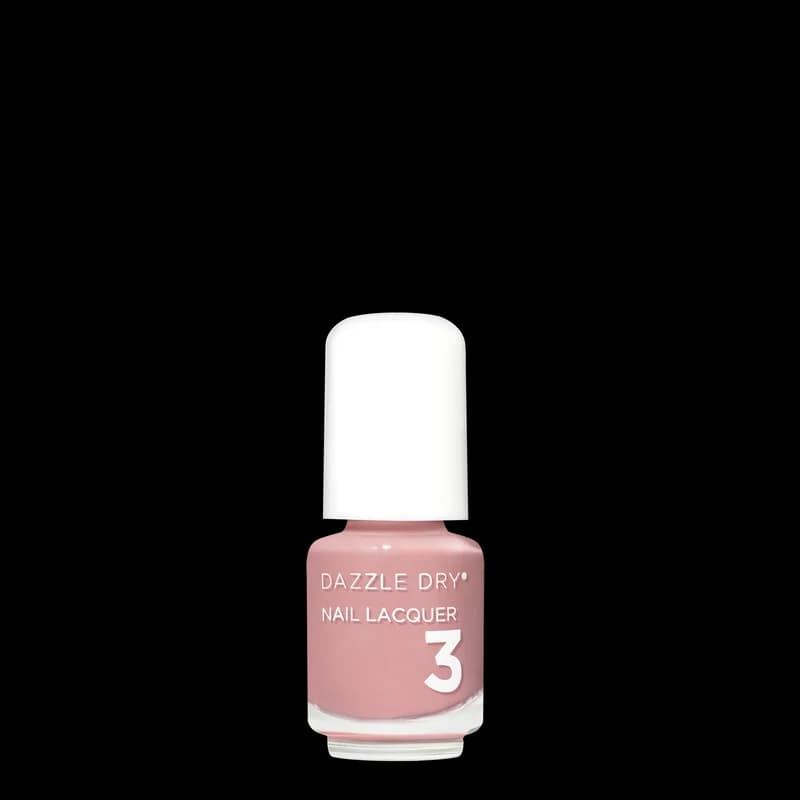
Dazzle Dry
Dazzle Dry Nail Lacquer System
7.8/10
R3 ScoreSafety 9.3
Efficacy 8.4
Value 7.6
Pros
- • Eliminates 14 harmful chemicals including formaldehyde, toluene, and DBP—safer for pregnant individuals and families with young children
- • Air-dries completely in 5 minutes with zero UV lamp exposure, eliminating skin cancer risk from gel curing
Cons
- • Requires $80 upfront investment for full system—significant barrier for budget-conscious shoppers or infrequent users
- • Demands 4-6 week learning curve with strict technique requirements (nail prep, thin coats, proper timing)
Quick Take
After testing Dazzle Dry's 14-free nail system against salon gel and traditional polish, I found it delivers on its promise of fast-drying, long-lasting color without UV exposure—though mastering the technique takes practice. The 5-minute air dry is real, wear time consistently hits 7-10 days with proper application, and the safety profile is outstanding with zero formaldehyde, toluene, or other endocrine disruptors. While the $80 full system requires upfront investment and a learning curve, it's the winner for families prioritizing clean ingredients and salon-quality results at home.
Rankings based on our rigorous methodology • Updated monthly • No paid placements
How to Choose the Best Nail Polish
Expert Buying Guidance
10-Free or Higher Formulas: Look for nail polishes labeled as '10-free' or higher, meaning they exclude at least ten of the most problematic chemicals commonly found in traditional formulations. These typically include the 'toxic trio' (formaldehyde, toluene, and DBP) plus camphor, formaldehyde resin, xylene, parabens, and others. Higher numbers like '15-free' or '16-free' offer even greater assurance of purity. This standard has become the baseline for cleaner nail polish and reflects genuine commitment to safety rather than marketing positioning.
Explicit Absence of Formaldehyde, Toluene, and DBP: The 'toxic trio' are the most concerning chemicals in traditional nail polish—formaldehyde is a known carcinogen, toluene is a neurotoxin that can affect brain development with chronic exposure, and DBP is an endocrine disruptor. Any nail polish worth buying should explicitly state it's free from all three. Don't rely on vague language like 'clean' or 'natural'—look for specific chemical names listed on the product page or ingredient list.
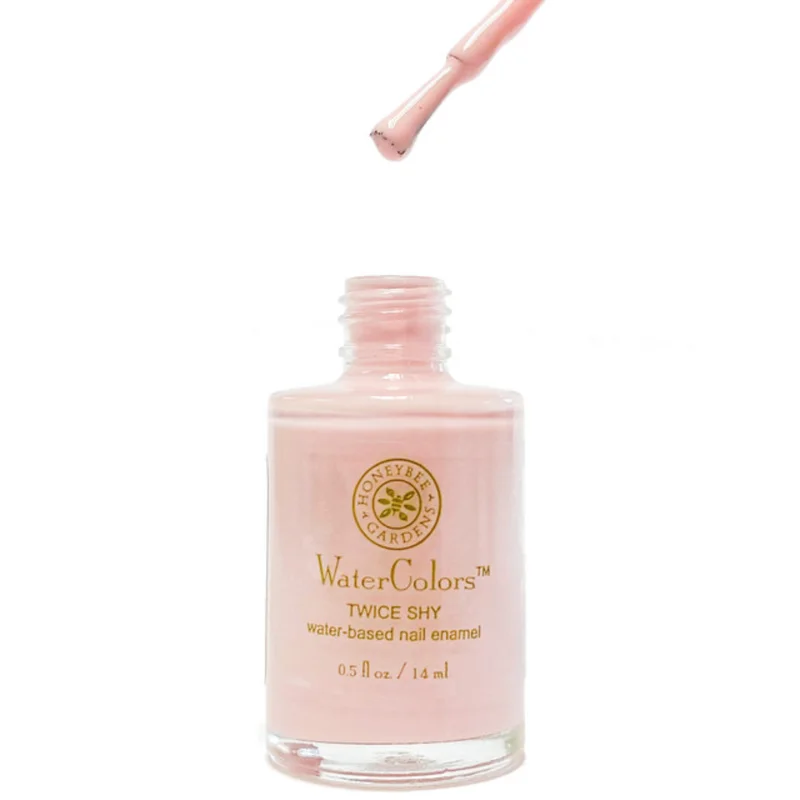
Water-Based or Long-Lasting Non-Toxic Formulas: You face a trade-off in cleaner nail polish: water-based formulas (like those from Honeybee Gardens and Acquarella) offer superior safety profiles but may chip more easily, while some non-toxic polishes with specialized resin systems (like Olive & June) deliver impressive wear time comparable to traditional polish. Assess your priorities—if you change your polish frequently, water-based works fine; if you need your manicure to last two weeks, look for non-water-based formulas specifically engineered for durability without harmful chemicals.
The 'Toxic Trio': Formaldehyde, Toluene, and DBP: These three chemicals remain the most serious concerns in traditional nail polish. Formaldehyde is classified as a known human carcinogen and can off-gas irritating fumes; toluene crosses the placental barrier and poses particular risks during pregnancy and can affect developing brains; DBP is an endocrine-disrupting phthalate linked to reproductive concerns. If a polish doesn't explicitly state it's free from all three, assume it contains them and move on. This is a non-negotiable baseline, not a luxury feature.
Formaldehyde Resin and Camphor: Many brands that claim to exclude formaldehyde still use formaldehyde resin as a hardening agent—a technically legal but ethically questionable loophole. Similarly, camphor in high concentrations can cause skin irritation and systemic absorption concerns. Read ingredient lists carefully and look for 'formaldehyde-resin free' (not just 'formaldehyde free') language. If you see 'camphor' listed prominently, that's a reason to choose a different brand.
Vague 'Natural' or 'Clean' Claims Without Specifics: Marketing language like 'clean beauty,' 'natural polish,' or 'toxin-free' sounds reassuring but means nothing without substantiation. Brands using such language often still contain concerning chemicals because 'natural' doesn't equal safe and 'clean' isn't regulated. A truly cleaner polish will specifically list what it excludes (10-free, 15-free, etc.) and provide ingredient lists. If you can't find specific chemical exclusions stated, the brand likely isn't being transparent about what's actually inside.
Water-Based vs. Non-Water-Based Trade-Offs: The cleaner nail polish market essentially divides into two camps: water-based formulas (Honeybee Gardens, Acquarella, SOPHi) that are extremely safe but may chip within a few days, and specialized non-toxic formulas (Olive & June, Zoya) that use alternative resin systems to achieve 7-10 day wear. Families with young children who frequently change polish colors or who enjoy experimenting may prefer water-based options for maximum safety and easy removal with rubbing alcohol. Families who want professional longevity and don't want to repaint every few days should prioritize non-toxic formulas with proven chip resistance. Neither is inherently better—the right choice depends on your lifestyle and how often you realistically repaint your nails.
Budget vs. Premium Performance Positioning: Nail polish pricing in the cleaner category ranges from Sally Hansen Good.Kind.Pure at around $6.72 to premium options like Dazzle Dry at $80 for a full gel system. For most families, the sweet spot is $8-12 per bottle (like Olive & June at $10 or Zoya at $10), which balances accessibility with proven quality. Premium gel systems like Dazzle Dry make sense if you get professional manicures regularly and want to replicate that durability at home, but for typical family nail painting, mid-range brands deliver excellent value. Consider your usage—if you paint nails once a week, a $10 bottle will last 2-3 months, making cost-per-use negligible compared to the health benefits.
Color Range and Personal Expression: While cleaner nail polishes have historically offered limited shade selections, brands like Zoya now provide 400+ colors, and Olive & June and others offer diverse seasonal collections. If color selection influences which products you'll actually use, verify that your preferred brand offers shades in finishes you enjoy (glossy, matte, shimmer, glitter). A 'perfect' formula you dislike the color of won't get worn; a slightly less premium formula in colors that make you excited is more valuable in real life. Check brand websites to see current color offerings before committing.
10 more tips
Create a free account to see more buying advice
Head-to-Head Analysis
Scientific Attribute Matrix
| Criteria | Top PickOlive & June | Runner UpZoya | Value ChoiceDazzle Dry |
|---|---|---|---|
| R3 Score | 8.4 | 8.3 | 7.8 |
| Safety (40%) | 8.7 | 8.7 |
The Complete Nail Polish Rankings
Verified Evaluation (2026)
Products Reviewed
5 Total
1
Olive & June
Olive & June Long Lasting Nail Polish
Olive & June Long Lasting Nail Polish offers an accessible entry point into cleaner beauty with its 15-free, vegan formula that performs like conventional polish. At around $10 per bottle from mainstream retailers like Target and CVS, it delivers up to 10 days of chip-resistant wear with a gel-like finish—no UV lamp required. The wide fan brush makes application surprisingly easy, even for those of us who typically struggle with at-home manicures.
How We Researched This Category
Raw Ingredient Screening
We cross-referenced every ingredient against EWG's Skin Deep database and EU Reach restrictions.
Clinical Evidence Review
Our team analyzes peer-reviewed clinical studies related to nail_polish material safety.
Frequently Asked Questions
Curated answers to common questions about nail polish.
Still have questions or want us to investigate a specific product?
Submit a Request →Why Trust R3 Rankings?
Our commitment to independent, research-backed recommendations
Zero Paid Placements
We never accept money for rankings
Lab-Verified Claims
Third-party testing validates every score
Hands-On Testing
Real-world evaluation by our team