Quick Take
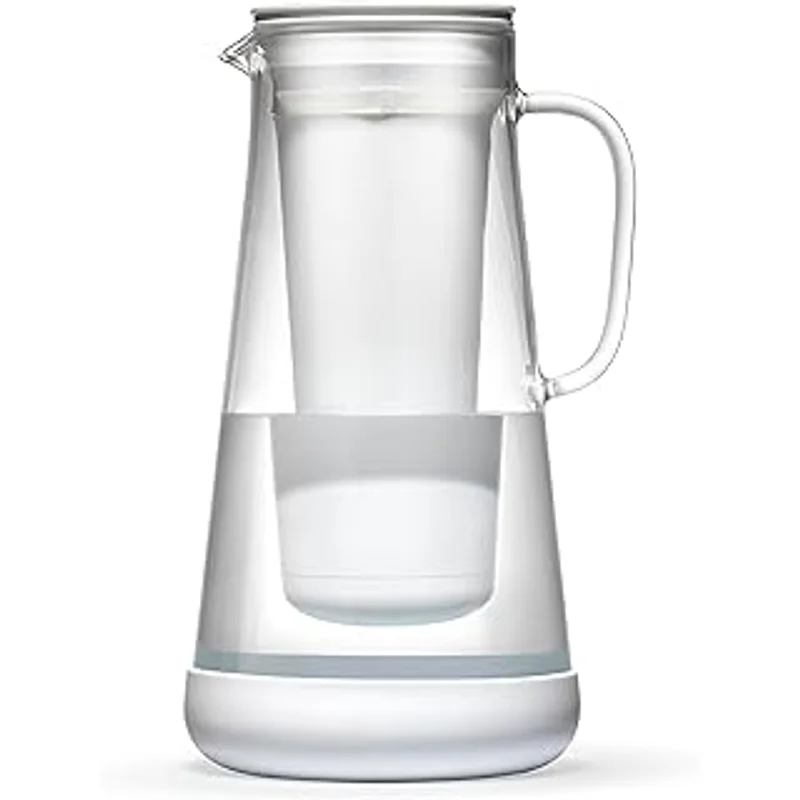
Score: 8.4/10 | The LifeStraw Home is unlike any other pitcher filter. While most pitchers focus on chlorine and lead, LifeStraw's background in humanitarian water purification means this pitcher can handle biological contaminants that others cannot touch. For well water users, frequent travelers, or families in areas with boil notices, the dual-stage membrane system is genuinely differentiated.
What We Evaluated
This review uses R3's Water Filter Methodology v1.1.0.
Safety Analysis (40% weight) - Score: 8.8/10
Microbiological Protection: Exceptional
This is where LifeStraw dominates. The hollow fiber membrane removes:
- 99.999% of bacteria (E. coli, Salmonella, Cholera)
- 99.999% of parasites (Giardia, Cryptosporidium)
- 99.999% of microplastics (increasingly concerning in tap water)
No other pitcher filter achieves this level of microbiological protection. Standard carbon filters (Brita, PUR, ZeroWater) do not remove bacteria or parasites.
Lead Removal: NSF 53 Certified
The activated carbon stage holds NSF 53 certification for lead reduction. Comparable to competitors on heavy metal removal.
Emerging Contaminants: NSF 401 Certified
Pharmaceuticals, pesticides, and herbicides are covered by NSF 401 certification. The carbon filter addresses these contaminants effectively.
Chlorine Removal: NSF 42 Certified
Standard chlorine taste and odor reduction performs as expected with the activated carbon stage.
PFAS Removal: NOT CERTIFIED
LifeStraw Home does not hold NSF P473 certification. While some carbon filtration may reduce PFAS partially, there is no verified claim. For families prioritizing forever chemical removal, Clearly Filtered or Epic Pure are better choices.
Efficacy Analysis (35% weight) - Score: 8.5/10
Dual-Stage Filtration System
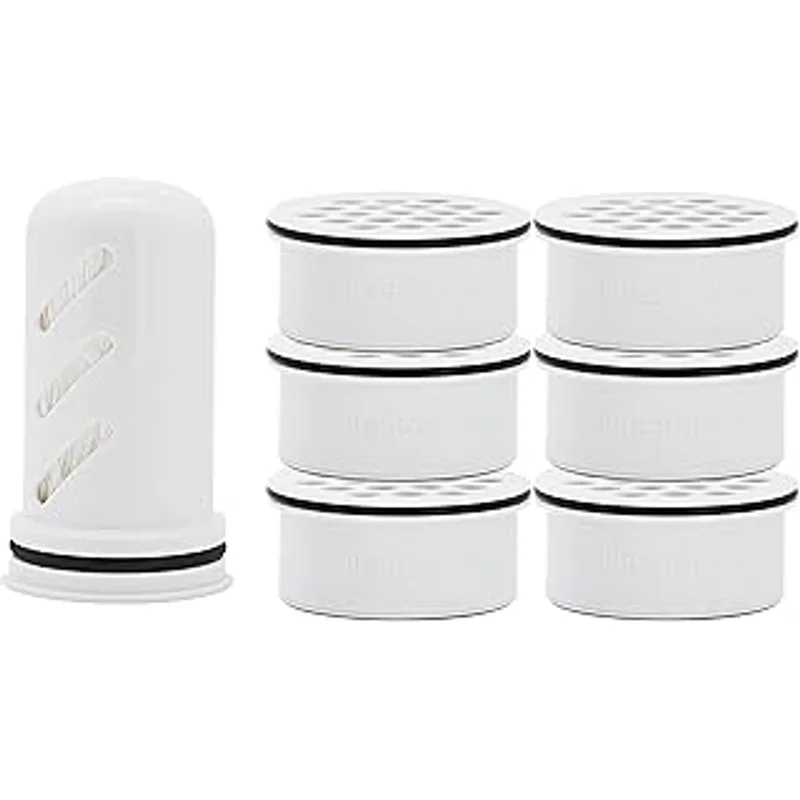
The LifeStraw Home uses two distinct filter components:
Stage 1: Membrane Microfilter
- Hollow fiber membrane technology
- 0.2 micron pore size
- Removes bacteria, parasites, microplastics
- Lasts 264 gallons (approximately 1 year)
Stage 2: Activated Carbon + Ion Exchange
- Coconut shell activated carbon
- Removes lead, chlorine, pharmaceuticals
- Lasts 40 gallons (approximately 2 months)
This dual approach addresses both microbiological and chemical contaminants - a unique combination for pitcher filters.
Membrane Technology Heritage
LifeStraw developed their membrane technology for humanitarian aid - providing safe water in disaster zones and developing regions. The Home pitcher applies the same proven technology to everyday use.
Filter Capacity: Dual Tracking Required
The complexity: you are tracking two filters with different lifespans.
- Membrane: 264 gallons / 1 year
- Carbon: 40 gallons / 2 months
Annual filter replacements:
- 1 membrane filter
- 6 carbon filters
This is more complex than single-filter pitchers but manageable with the built-in indicator.
Microplastics Removal
Increasingly relevant: LifeStraw removes microplastics that pass through municipal treatment. A 2024 study found microplastics in virtually all tap water tested. The membrane's 0.2 micron pores capture these particles.
Value Analysis (15% weight) - Score: 7.8/10
Upfront Cost: $49.99
Competitive with other premium pitchers. Includes the pitcher, one membrane filter, and one carbon filter.
Replacement Costs
- Membrane filter: $24.99 (once per year)
- Carbon filters: $19.99 for 4-pack (need ~6/year = $30)
- Annual total: approximately $55-60
This is comparable to Brita Elite's annual cost but with vastly different filtration capabilities (bacteria/parasites).
Value Proposition
For families concerned about microbiological contamination, the value is excellent - you cannot achieve this level of protection with standard pitcher filters at any price. For families whose water is already microbiologically safe (typical municipal water), the bacteria/parasite removal is unnecessary.
Cost Per Gallon: ~$0.15
Reasonable cost-per-gallon considering the dual-stage filtration and microbiological protection.
Usability (7% weight)
Pitcher Design
The 7-cup glass carafe is smaller than some competitors (Brita 10-cup, Clearly Filtered 10-cup). May require more frequent refilling for larger families.
Filter Changes: More Complex
Two filters to track and replace on different schedules. The electronic indicator helps, but it is more involved than single-filter systems.
Flow Rate: Slower
The membrane stage adds resistance. Expect 15-20 minutes for full filtration - comparable to Clearly Filtered, slower than Brita.
Travel Friendly
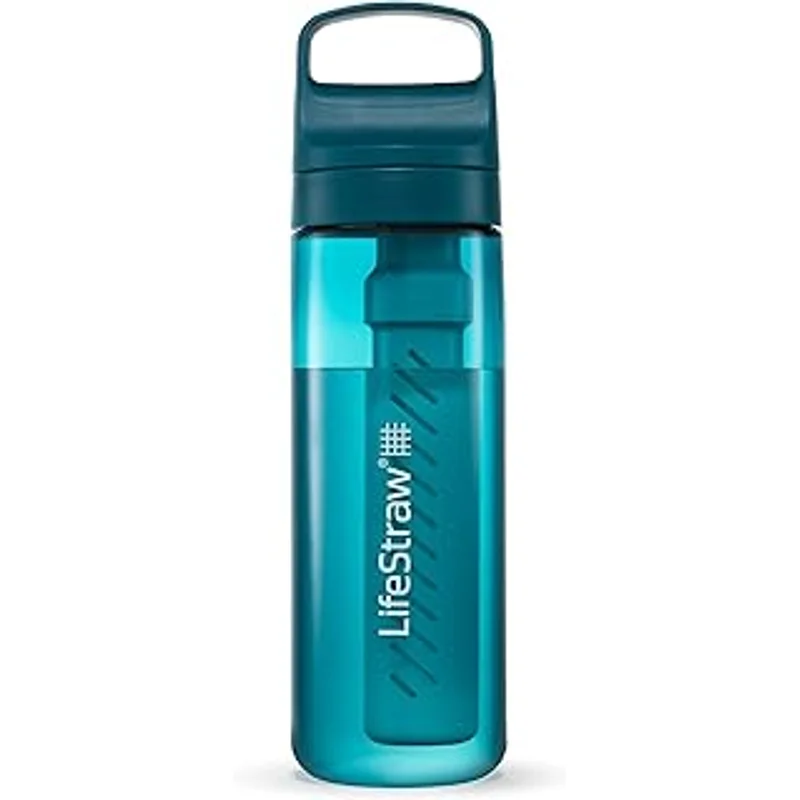
The LifeStraw brand is synonymous with portable water purification. The Home pitcher is designed for counter use, but families who travel can trust their membrane technology. Consider the LifeStraw Flex or Go bottles for actual travel.
Who Needs Microbiological Protection?
Standard municipal water is treated to remove bacteria and parasites. So who benefits from LifeStraw's membrane filtration?
- Well water users: Private wells are not regulated by EPA; contamination is your responsibility to test and treat
- Boil notice areas: When municipalities issue advisories, LifeStraw provides immediate protection
- Travelers: Visiting areas with uncertain water quality
- Immunocompromised family members: Extra protection for sensitive individuals
- Disaster preparedness: Emergency situations where water treatment may fail
For families on typical municipal water without these concerns, the microbiological protection is a nice-to-have rather than essential.
LifeStraw's Humanitarian Mission
Worth noting: LifeStraw provides safe water to children in developing regions through their Give Back program. Every purchase supports this mission. For families who value social impact, this adds meaning to the purchase beyond personal filtration.
The Bottom Line
The LifeStraw Home is the best pitcher filter for families concerned about microbiological contamination - well water users, those in boil notice areas, or immunocompromised family members. The dual-stage membrane plus carbon filtration is genuinely unique among pitchers. At $50 with $55-60 annual filter costs, it delivers protection no other pitcher can match for bacteria, parasites, and microplastics. The limitation: no NSF P473 PFAS certification means PFAS-concerned families should look elsewhere. This is a specialist tool, not a general-purpose filter.