Quick Take
Score: 8.1/10 | Columbia is a respected outdoor brand, and the Trek 18L brings their practical approach to the kids backpack market. At $45, it offers more capacity and features than budget options without the premium pricing of Osprey or Deuter. The trade-off is less rigorous safety certification.
What We Evaluated
This review uses the R3 Kids Backpack Methodology v1.0.0, evaluating backpacks across five pillars: Safety (30%), Efficacy (30%), Value (20%), Usability (15%), and Sustainability (5%).
Safety Analysis (30% weight)
Columbia does not hold Bluesign certification for their backpack line, which means we rely on their corporate standards rather than third-party verification. The company states compliance with CPSC requirements for children's products, which includes lead content limits.
The 600D polyester fabric is standard textile material without specific PFAS-free claims. Columbia has made corporate commitments to phase out PFAS, but individual product testing isn't published. Hardware appears to be standard nylon and metal without vinyl.
This is where Columbia falls short of the premium outdoor brands. Without Bluesign or similar third-party certification, we have less visibility into materials testing. Columbia's reputation and CPSC compliance provide some confidence, but families seeking verified non-toxic materials may want to look at Osprey, Deuter, or REI Co-op.
The pack does include reflective elements for visibility, which is a positive safety feature.
Performance & Efficacy (30% weight)
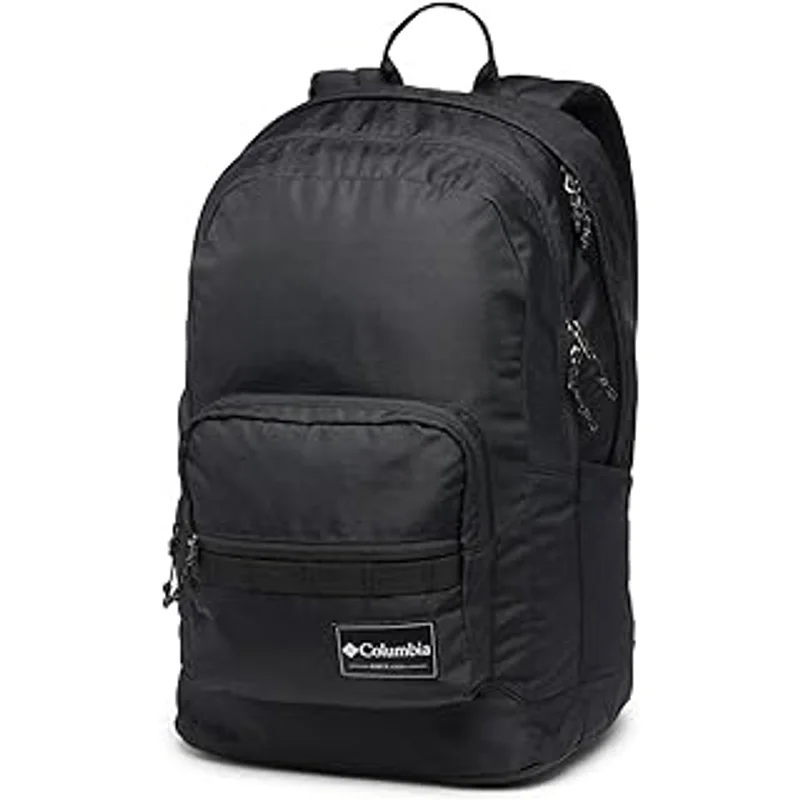
Columbia designs solid outdoor gear, and the Trek 18L reflects that competence. The padded back panel uses breathable mesh with reasonable airflow channels. Adjustable padded shoulder straps fit youth properly without the sophisticated contouring of premium options.
A sternum strap is included - an important feature that some competitors omit. The 18L capacity is generous for older elementary and middle school students, fitting textbooks, binders, and lunch boxes comfortably.
Multiple compartments include a main section with laptop/tablet sleeve (fits up to 13"), front organizer pocket, and dual side water bottle pockets. This level of organization exceeds simpler daypacks.
Weight is 1.3 lbs empty - heavier than minimalist options but reasonable for the capacity and features. The pack sits appropriately on youth bodies without extending too low.
Ergonomics are good but not exceptional. For everyday school use, the Trek 18L performs adequately. For heavy loads or long wear times, premium ergonomics matter more.
Value Assessment (20% weight)
At $45, the Trek 18L is competitively priced for an outdoor brand. Columbia offers a limited lifetime warranty covering manufacturing defects, though the claims process isn't as streamlined as L.L. Bean or Osprey.
Construction quality is solid - 600D polyester, functional zippers (not YKK branded), reinforced bottom panel. Expected lifespan is 2-3 years with normal use.
The value proposition is availability and brand trust. Columbia products are sold at major retailers nationwide - Target, Dick's, REI, Amazon - making replacement or warranty service accessible.
Usability (15% weight)
The 18L size suits ages 8-14, making it appropriate for upper elementary through middle school. Younger or smaller kids will find it too large.
Zippers are functional with adequate pulls. The laptop sleeve adds utility for middle schoolers with Chromebooks. Organization is better than basic daypacks.
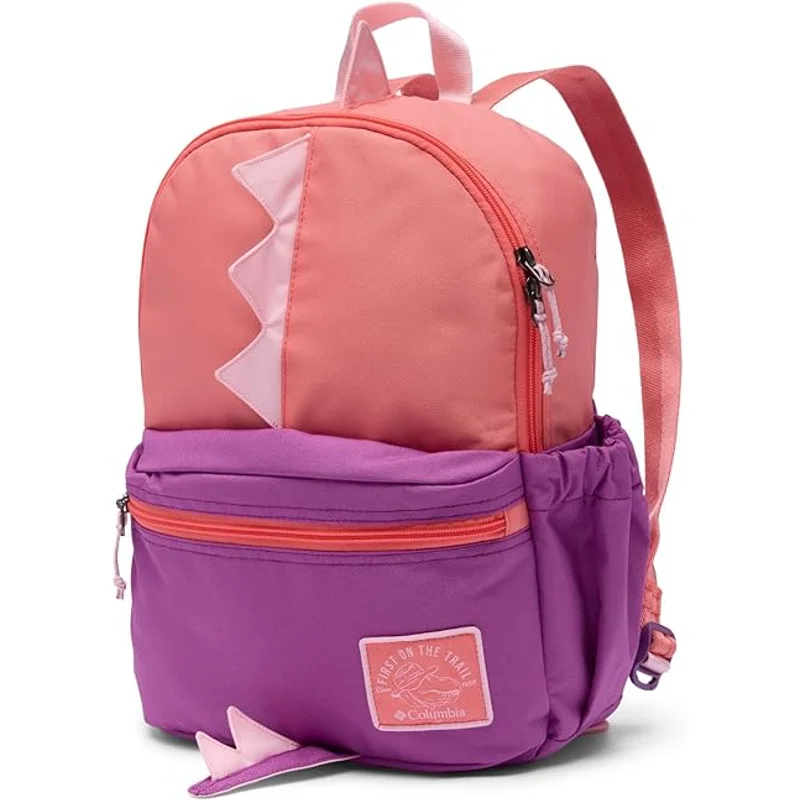
Approximately 12 color options provide reasonable variety. Patterns include both solid colors and youth-appropriate designs without licensed characters.
Machine washable on cold gentle cycle.
Sustainability (5% weight)
Columbia has corporate sustainability commitments including waste reduction and responsible sourcing. Specific recycled content in the Trek 18L isn't published. The durability supports sustainability through longevity.
The Bottom Line
The Columbia Trek 18L Youth Backpack is a practical choice for families wanting outdoor brand quality without premium pricing. The lack of third-party safety certification is the main limitation. For upper elementary and middle school students who need more capacity, it's a reasonable mainstream option.