Quick Take
Score: 7.5/10 | Brita is the name everyone knows, and the Elite filter represents their best effort at PFAS reduction. It's a solid upgrade from Standard filters, but independent testing reveals limitations compared to premium alternatives.
The Research
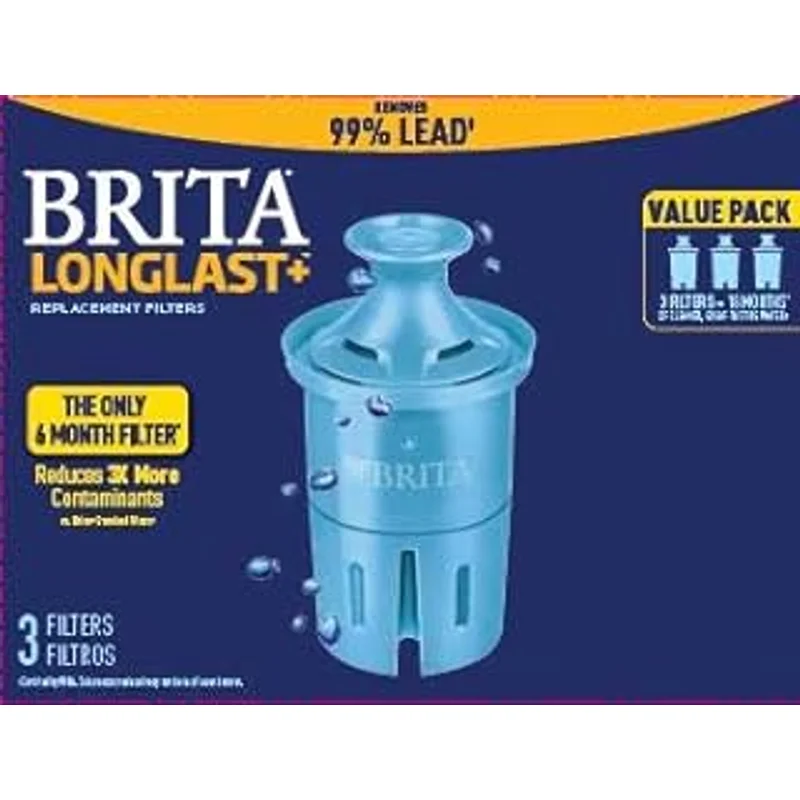
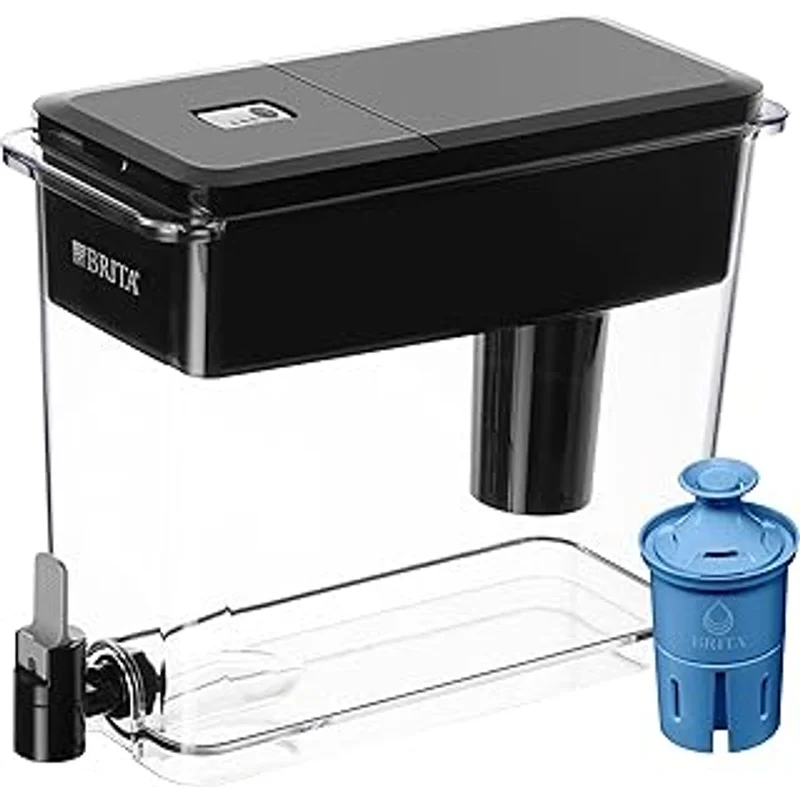
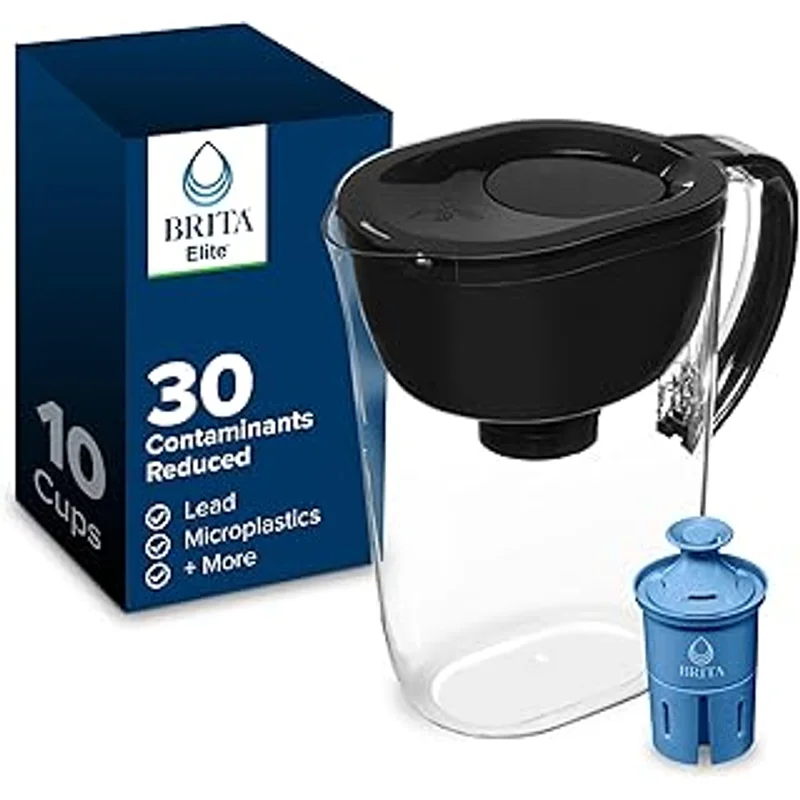
The Brita Elite (which replaced the Longlast+) is certified by IAPMO to NSF/ANSI Standards 42, 53, and 401. Crucially, it includes NSF 53 certification for PFOA and PFOS reduction - the two most studied forever chemicals.
Brita's performance data claims up to 98.1% reduction of certain PFAS compounds. However, independent research from a Montreal study showed more modest results: 48% total PFAS removal compared to 96% for Clearly Filtered and ~100% for ZeroWater.
This doesn't mean Brita Elite is bad - it means it wasn't specifically engineered for PFAS. It reduces PFOA and PFOS but may not address the broader family of PFAS compounds as effectively.
Real-World Testing
The 6-month filter life is genuinely convenient. For a family of four, that's roughly 120 gallons of filtration per filter - excellent value at around $0.15 per gallon.
Flow rate is fast - full pitcher in under 5 minutes. For busy families, that matters more than you'd expect.
The Honest Assessment
What I Love: Brita Elite is available everywhere at reasonable prices. The 6-month filter life keeps ongoing costs low. It removes lead, asbestos, and improves taste noticeably.
What Could Be Better: PFAS removal is partial, not comprehensive. The Standard filter (which most people buy) has NO PFAS certification. Only Elite and Hub filters address forever chemicals.
The Bottom Line
Brita Elite is a good choice for families wanting basic PFAS protection without premium pricing, but those with serious contamination concerns should consider more thorough alternatives.