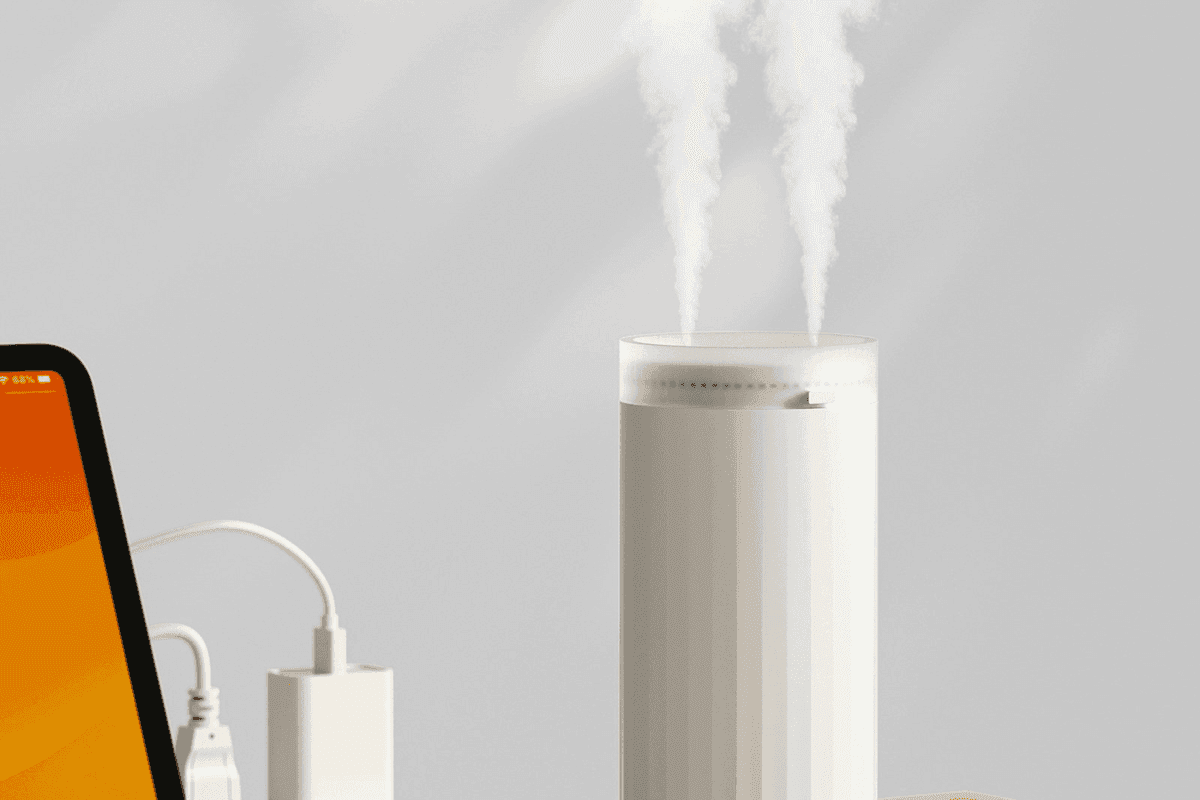
Canopy Humidifier
A smart evaporative humidifier that runs until totally dry, preventing mold growth.
A dirty humidifier sprays mold directly into your baby's lungs. We break down the absolute safest models and the only way to clean them.
By Renee, R3 Founder
Environmental Toxins Analyst
Updated June 2026
When you shop through retailer links on our site, we may earn affiliate commissions. R3 takes no money from brands and scores every product the same way. Learn more.
Get the research before you buy
The picks that cleared safety, what to skip, and why. No spam, no sponsors.
The quick answer
Ultrasonic humidifiers are quiet, but if you do not use distilled water, they aerosolize the heavy metals and calcium in your tap water into the air, creating a dangerous "white dust" that enters infant lungs. Evaporative humidifiers are vastly safer and do not create white dust. Regardless of type, you must clean the tank with white vinegar every 3-4 days to prevent lethal mold growth.
Editor's note. We heavily scrutinize ultrasonic atomizers based on respiratory data regarding mineral inhalation.
Ultrasonic humidifiers use a rapidly vibrating plate to shatter water into a microscopic mist. If you put tap water into these machines, the plate also shatters all the calcium, lead, fluoride, and minerals in the tap water, throwing them into the air.
Those shattered minerals settle as a white dust coating the nursery. The EPA warns that inhaling aerosolized minerals can cause respiratory irritation and inflammation, particularly in asthmatic children.
The only safe way to use an ultrasonic humidifier is to buy gallons of pure Distilled Water. And regardless of which type you run, clean the tank with white vinegar every 3 to 4 days to prevent mold growth.
Ultrasonic humidifiers running on tap water aerosolize calcium, lead, and fluoride into a white dust that the EPA warns can cause respiratory irritation and inflammation, particularly in asthmatic children.
In short
The bottom line
If you want to use tap water, you must buy an Evaporative humidifier (like a Vornado). If you insist on the silent "cool mist" of an Ultrasonic, you must use distilled water. In both cases, clean the base with vinegar repeatedly to kill mold spores.
We score every product the same way and send the picks that cleared safety, what to skip, and why. No spam, no sponsors.
Evidence-based picks that address the concerns above.
A smart evaporative humidifier that runs until totally dry, preventing mold growth.
Can be completely disassembled and washed in the dishwasher.
1 more tips
Create a free account to see more buying advice
Cited research
Common questions about seasonal: winter wellness, answered by our research team.
Bleach is not safe for cleaning a humidifier. Bleach is highly corrosive to plastic tanks, and if you fail to rinse it entirely, you will aerosolize bleach fumes into the nursery. Stick to white vinegar.