Whole fruit is a snack
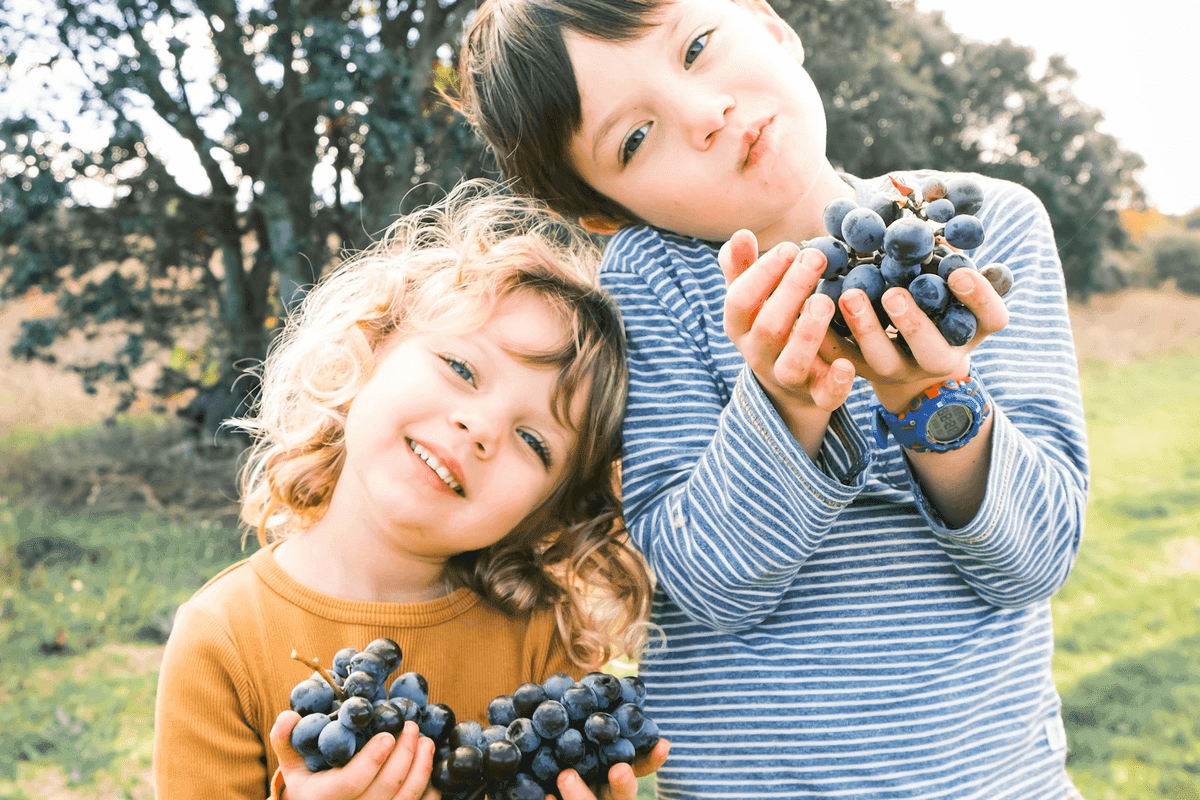
Apples, bananas, berries, grapes: they're portable, naturally portioned, and don't need labels to decode.
How to evaluate kids' snack marketing claims, what ingredient lists actually reveal, and finding products that deliver real nutrition, not just cute packaging.
By Renee, R3 Founder
Evidence-based product analysis since 2024
Updated June 2026
When you shop through retailer links on our site, we may earn affiliate commissions. R3 takes no money from brands and scores every product the same way. Learn more.
Get the research before you buy
The picks that cleared safety, what to skip, and why. No spam, no sponsors.
The quick answer
Most packaged kids' snacks are designed for shelf stability and kid appeal, not nutrition. Marketing terms like "made with real fruit" and "whole grain" often disguise products that are primarily sugar. The solution: read ingredient lists (not front labels), focus on whole-food-first products, and accept that truly healthy snacks often look less exciting.
Editor's note. This guide is based on FDA labeling regulations, nutrition research, and analysis of common kids' snack products. We focus on practical label reading rather than food fear.
Food marketing to children is a sophisticated industry designed to convince both kids and parents, and the FTC has documented its scale in a dedicated report on food marketing to children and youth. Here's how it works:
Front-of-package claims are marketing, not nutrition. Phrases like "made with real fruit," "excellent source of vitamin C," and "whole grain" are carefully chosen to create health halos without requiring health. "Made with real fruit" can mean 5% fruit juice in a product that's 50% sugar, and kids' snack packaging carries an average of 20 promotional claims per product.
Cartoon characters sell junk food. Licensed characters on packaging increase children's preference for products regardless of nutritional content. This is so effective that some countries have banned cartoon characters on unhealthy foods.
Organic doesn't mean healthy. Organic gummy snacks with 15g of sugar are still candy. Organic certification refers to farming practices, not nutritional quality. An organic fruit snack isn't meaningfully different from conventional: both are sugar delivery vehicles.
"Natural" means nothing. The FDA has no regulatory definition for "natural" on food labels. It's pure marketing language.
The solution isn't to avoid all packaged snacks: it's to read past the marketing to what's actually in the product.
"Made with real fruit" can mean 5% fruit juice in a product that's 50% sugar. The front of the package is advertising; the ingredient list is truth.
In short
Reading a packaged snack label comes down to five practical steps:
Step 1: Ignore the front of the package entirely. All claims, characters, and imagery are designed to sell. Flip to the nutrition label and ingredient list.
Step 2: Check ingredients first (listed by weight). The first few ingredients are what the product primarily contains. If sugar (in any form) appears in the first three ingredients, it's mostly sugar. If "whole grain" appears but enriched flour is first, there's not much whole grain.
Step 3: Spot hidden sugar names. Sugar appears under 50+ aliases: cane sugar, brown rice syrup, honey, agave, fruit juice concentrate, corn syrup, dextrose, maltose, and dozens more. Count how many sugar sources appear: some products have 5+ different sugars.
Step 4: Check added sugars on nutrition label. The FDA's nutrition label now separates "added sugars" from naturally occurring sugars. For kids' snacks, aim for under 6g added sugar per serving. Compare to total product size: a small serving with 4g sugar might mean 20g if kids eat the whole package.
Step 5: Look for recognizable whole foods. Ideal ingredient lists start with actual foods: fruit, vegetables, nuts, seeds, whole grains. Short ingredient lists are generally better.
If sugar in any form appears in the first three ingredients of a kids' snack, the product is mostly sugar, no matter what the front of the package claims.
In short
A genuinely nutritious kids' snack shares a few consistent traits:
Whole food first. The best snacks are minimally processed whole foods: actual fruit, vegetables with dip, nuts (age-appropriate), cheese, plain yogurt. These don't need packaging or marketing claims.
Protein and fiber for staying power. Snacks that are just carbohydrates (crackers, pretzels, fruit snacks) spike blood sugar and don't satisfy hunger. Look for protein (nuts, cheese, yogurt, legumes) and fiber (vegetables, whole grains) that provide sustained energy.
Lower sugar, not zero sugar. Some sweetness makes foods palatable for kids. The goal isn't elimination but moderation. Under 6g added sugar per serving is reasonable. Compare that to fruit snacks with 12g or granola bars with 10g.
Simple ingredients you recognize. A snack bar with "almonds, dates, cocoa" is more nutritious than one with a 30-ingredient chemistry project, even if they have similar macros.
Appropriate portion sizes. Kids don't need adult-sized portions. Small packages actually help with portion control, even if they're less economical.
The best snacks are often the ones without labels at all. Actual fruit. Cheese cubes. Carrot sticks. These don't need marketing claims.
1 more tips
Create a free account to see more buying advice
We score every product the same way and send the picks that cleared safety, what to skip, and why. No spam, no sponsors.
Cited research
Common questions about kids snacks, answered by our research team.
Kids' snack packaging features an average of 20 promotional claims per product, such as 'one of five a day,' 'organic,' and 'no junk,' creating a false health halo despite high sugar content (20% have high sugar and 50% medium levels). Parents trust these claims, assuming expert design, but they mask risks like dental health issues from free sugars.[1]
Kids' snack labels use claims like 'natural,' 'source of fibre,' and logos (B Corp, FSC) while omitting free sugar declarations, which aren't required. A product might claim 'fruity treat' yet contain sugar equivalent to 3 cubes per serving, misleading parents into thinking snacks are nutritious when they're often ultra-processed with addictive properties.[1][3]
Nutritious snacks prioritize whole or minimally processed foods low in free sugars, sodium, and ultra-processed ingredients. Avoid products with high sugar (over front-of-pack thresholds), engineered for addiction via refined carbs and fats triggering dopamine. Opt for items without excessive claims, focusing on actual nutrient density like fibre from whole fruits.[1][3]
Reading a kids' snack nutrition label accurately starts with total sugars, but note free sugars (from juices, purees) aren't separately listed; limit these as per WHO. Ignore vague claims like 'natural' or 'tasty'; scrutinize front-of-pack labels for high/medium sugar, energy density. Verify ingredients: prefer whole foods over ultra-processed with additives, colors, or stabilizers.[1][4]
Reformulated brands like Cheetos or Fruit-by-the-Foot meet USDA standards for schools but mimic unhealthy store versions in packaging, confusing kids and parents who rate them equally tasty and healthy. This boosts brand marketing without improving diets, undermining school nutrition credibility.[2]
High-sugar snacks contribute 13% of sugar intake in 12-18-month-olds, risking dental decay and obesity. Ultra-processed foods (chips, cereals, fruit snacks) are addictive, triggering brain dopamine like drugs, leading to overconsumption and links to chronic conditions via targeted marketing with cartoons and fun shapes.[1][3][5]
No: advertising unhealthy snacks to children exploits children's vulnerability with deceptive claims, playful packaging, and child-directed tactics like cartoon characters, increasing preferences and consumption of unhealthy foods. WHO recommends restrictions; current UK laws inadequately limit sugar or marketing from 4 months despite 6-month solids guideline.[1][6]
Parents can avoid misleading kids' snacks by skipping commercial baby aisles heavy on claims and choosing whole foods like fresh fruit over pouches or bars. Read beyond labels for hidden free sugars, avoid look-alike brands, and ignore 'health halos' from logos or phrases. Advocate for better regulations on sugar limits and promotional claims.[1][2][10]