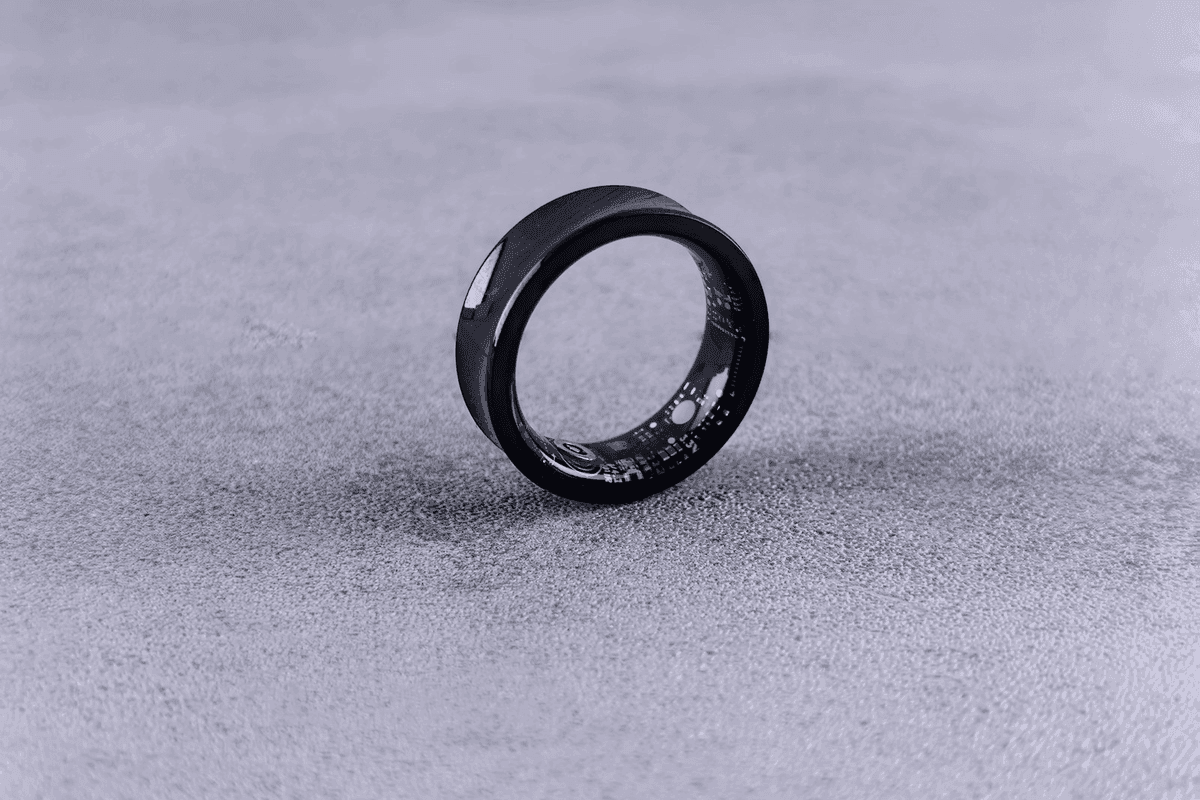
Oura Ring
Best for lifestyle/sleep tracking.
Comparing HRV accuracy, sleep staging reliability, and the "No Screen" philosophy. A guide for parents and athletes.
By Renee, R3 Founder
Data analyst
Updated June 2026
When you shop through retailer links on our site, we may earn affiliate commissions. R3 takes no money from brands and scores every product the same way. Learn more.
Get the research before you buy
The picks that cleared safety, what to skip, and why. No spam, no sponsors.
The quick answer
For pure sleep and recovery data, Oura Ring Gen 3 is the most unobtrusive and accurate for overnight trends. For athletic strain and cardiovascular load, Whoop 4.0 leads. Garmin is best for GPS/Activity training. Avoid cheap generic trackers: their HRV data is often noise.
Editor's note. Accuracy comparisons based on DC Rainmaker and The Quantified Scientist validation tests.
Ring (Oura): Best for sleep. Unnoticeable. Harder to lift weights with. Band (Whoop): Best for 24/7 wear. Screen-free (no distractions). Watch (Garmin): Best for real-time run/swim data. Can be bulky for sleep.
Ring (Oura) is best for sleep, band (Whoop) is best for 24/7 wear, and watch (Garmin) is best for real-time run/swim data.
Can tracking sleep hurt your sleep? Yes. "Orthosomnia" is anxiety caused by obsession with "perfect" sleep data. Recommendation: If a low "Recovery Score" ruins your mood, take a break. Use these tools to spot trends (getting sick, alcohol impact), not to micro-manage every night.
"Orthosomnia" is anxiety caused by obsession with "perfect" sleep data. Use these tools to spot trends, not to micro-manage every night.
In short
Whoop: Subscription ONLY. Stop paying, device is a brick. Oura: Hardware cost + Monthly sub for data. Garmin: Expensive hardware, NO subscription. Best long-term value.
Whoop is subscription only; Oura is hardware cost plus a monthly sub for data; Garmin is expensive hardware with no subscription, the best long-term value.
1 more tips
Create a free account to see more buying advice
We score every product the same way and send the picks that cleared safety, what to skip, and why. No spam, no sponsors.
Cited research
Common questions about health tech, answered by our research team.
Orthosomnia is the obsessive pursuit of optimal sleep driven by data from wearable fitness trackers or apps, often leading to worse sleep quality. Coined by researchers, it involves overreliance on imprecise metrics, causing anxiety, excessive time in bed, and distrust of professional sleep studies, particularly among perfectionists.[1][2][5]
Sleep trackers trigger orthosomnia by providing inaccurate data that users overestimate, fostering anxiety over imperfect scores and prompting counterproductive behaviors like prolonged bed time. This creates a cycle where stress from monitoring worsens sleep, especially for Type A personalities or those with health anxiety.[1][3][4]
Key risks of orthosomnia from health tech devices include overestimating tracker accuracy, leading to misunderstood sleep quality; anxiety-induced sleep disruption from optimization efforts; and delayed professional help as users prioritize device data over clinical assessments like polysomnography. This can entrench insomnia long-term.[2][3][5]
Individuals prone to perfectionism, achievement-orientation, health anxiety, or Type A traits are most vulnerable to orthosomnia with wearables, as gamified tracker metrics turn sleep into a performance metric. Unlike controllable activities, sleep worsens with excessive effort, amplifying stress in these users.[1][2][5]
No, those susceptible to orthosomnia should avoid or limit trackers; benefits like pattern awareness exist, but for anxiety-prone users, they may harm more than help. Experts recommend judicious use, focusing on trends rather than nightly perfection.[1][4][5]
Wearable sleep trackers often lack validation, overestimating accuracy and misclassifying wakefulness as sleep or fixating on unproven stages. Sleep specialists consider formal studies like polysomnography far superior, warning against sole reliance on consumer devices.[2][3][5]
To avoid orthosomnia with health tech, use trackers sparingly for trends, not nightly scores; if stressed, store the device and adopt unwinding routines like journaling, breathing exercises, or warm showers. Prioritize body signals over data and consult professionals for persistent issues.[1][2][4]
Subscription models in wearables may exacerbate orthosomnia by locking advanced sleep analytics behind paywalls, pressuring users to obsess over premium metrics for 'optimal' sleep. This gamification intensifies data fixation, though direct studies are emerging as usage grows.[3][5]