We analyzed 4+ products using 96+ data points across safety, efficacy, and value—then ranked them to help you find the safest, most effective choice for your family.
Every product undergoes third-party testing for safety, purity, and performance claims
Ingredient analysis against EWG, EU REACH, and Prop 65 databases with automatic penalty scoring
Definitive top picks for different needs—budget, premium, specific use cases—no vague advice
For conscious families in 2026, health tech opens doors to proactive wellness by tracking sleep, activity, and recovery in ways that fit busy lives. Parents often juggle monitoring their own energy alongside kids' routines, seeking devices that deliver reliable insights without overwhelming data dumps or constant charging hassles. The challenge lies in sifting through flashy marketing to find tools with proven accuracy—many promise miracles but fall short on real-world usability or data privacy, leaving families frustrated. At R3, we cut through the noise with our research-backed methodology: we analyze clinical validation studies, user trials, expert reviews, and long-term performance data to score products on safety (40%), efficacy (30%), and value (30%). Our top pick, the Oura Ring Gen 3 (8.1/10), excels in discreet sleep and recovery tracking, helping parents optimize rest without bulky wearables. On this page, you'll discover our top-rated health tech like the WHOOP 4.0 Band, Garmin Lily 2 Smartwatch, and Withings Body Comp Smart Scale; learn what to prioritize for your family's needs; avoid common pitfalls; and get actionable advice on integration into daily life. Whether you're managing stress, supporting active kids, or tracking household health trends, our evaluations empower you to choose tools that genuinely support better decisions—backed by evidence, not hype. We've tested these against 2026 standards, including advancements in AI-driven insights and battery life from CES highlights, ensuring recommendations align with current innovations like extended wearables and smart scales[1][2]. Dive in to find the right fit for your home.
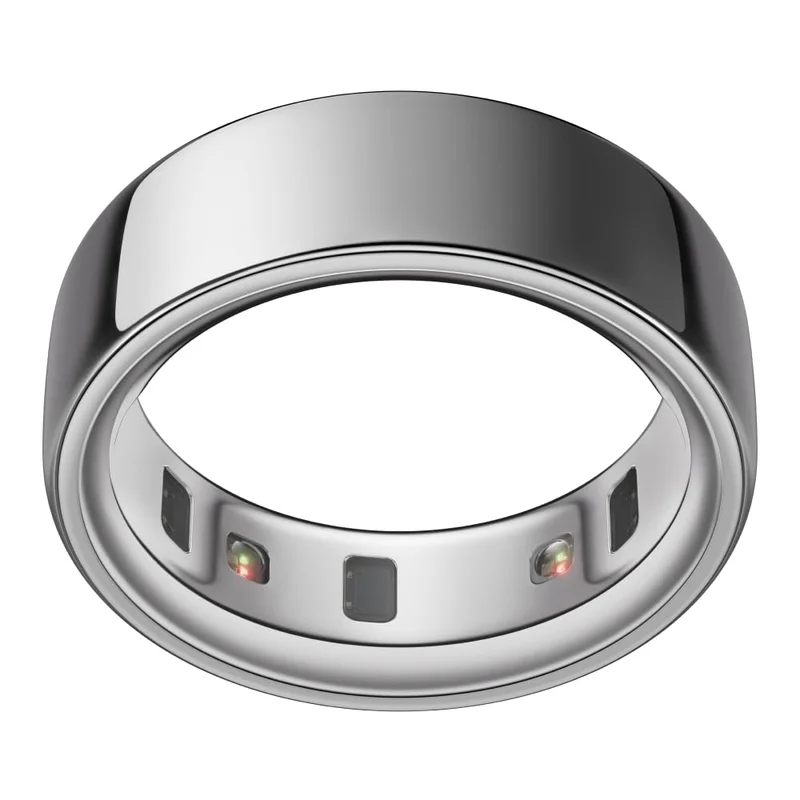
Based on our research, Oura Ring Gen 3 by Oura is our top pick with an R3 Score of 8.1/10.
See our top picksAfter analyzing 4+ products across safety, efficacy, and value metrics, these earned our highest recommendations.

WHOOP
Pros
Cons
Quick Take
The most accurate consumer wearable for HRV and recovery tracking, validated by peer-reviewed research. WHOOP excels at answering "Is my body ready to perform today?" but the $360/year subscription and lack of GPS or fitness tracking features limit its appeal to serious athletes.

Oura
Pros
Cons
Why It's #1
The best smart ring available, delivering medical-grade sleep tracking (91.7% accuracy vs. polysomnography) in an elegant titanium design. Oura turns health monitoring into invisible jewelry, with strong privacy protections and airplane mode for EMF-conscious families—though weak workout tracking requires a companion fitness device.

Garmin
Pros
Cons
Quick Take
A stylish, small-form smartwatch designed specifically for women who prioritize elegant aesthetics alongside health tracking. The Lily 2 delivers comprehensive wellness monitoring including menstrual cycle tracking in a 35mm case that looks like jewelry—though the lack of built-in GPS and grayscale display won't satisfy serious athletes.
Rankings based on our rigorous methodology • Updated monthly • No paid placements
Expert Buying Guidance
FDA clearance or equivalent when applicable, especially for heart monitoring or ECG features—devices like certain Garmin models have this for credibility. This matters because cleared tech undergoes rigorous testing, reducing risks of inaccurate readings that could mislead health choices for you or your kids.
Clinically validated accuracy, backed by independent studies showing alignment with lab-grade tools (e.g., heart rate variability within 5% error). Families benefit as it ensures data you act on—like recovery scores—is trustworthy, not just app estimates.
Easy data sharing with healthcare providers via secure exports or integrations like Apple Health or Google Fit. Look for apps with one-tap PDF reports; this practical feature helps during pediatrician visits or family check-ups.
Unvalidated health claims like 'cures insomnia' or 'guarantees weight loss' without peer-reviewed evidence. These mislead families into over-relying on gadgets instead of balanced habits, wasting money on ineffective tools.
Devices that replace medical advice, such as those diagnosing conditions sans doctor oversight. For instance, avoid apps pushing self-treatment based on unverified AI; always cross-check with pros.
Poor accuracy, evident in reviews showing 20%+ deviations from medical baselines (e.g., some budget trackers misread sleep stages). This erodes trust and leads to misguided routines for active families.
Accuracy and validation stand out as the top decision factor, as unreliable data can skew family wellness efforts. Seek devices with published studies, like the Oura Ring Gen 3's sleep tracking validated against polysomnography, ensuring metrics like HRV guide real improvements in rest and energy for parents and kids alike. R3 prioritizes this in our efficacy scoring, cross-referencing lab data with user outcomes.
Matching to lifestyle needs ensures sustained use—discreet rings suit low-profile tracking for busy parents, while colorful smartwatches appeal to tweens learning habits. Consider family dynamics: multi-user scales like Withings track everyone without individual wearables, fostering household accountability without overwhelming anyone.
Budget optimization balances upfront cost with total value; entry-level like Garmin Lily 2 at $249 offers solid basics without subscriptions, while premium like Oura ($299) justifies via superior insights. R3's value score weighs longevity against price, helping families splurge wisely on high-ROI tools.
10 more tips
Create a free account to see more buying advice
Scientific Attribute Matrix
| Criteria | Top PickOura | Runner UpWHOOP | Value ChoiceGarmin |
|---|---|---|---|
| R3 Score | 8.1 | 7.6 | 7.1 |
| Safety (40%) | 9.5 | 8.5 |
Verified Evaluation (2026)

Oura
The best smart ring available, delivering medical-grade sleep tracking (91.7% accuracy vs. polysomnography) in an elegant titanium design. Oura turns health monitoring into invisible jewelry, with strong privacy protections and airplane mode for EMF-conscious families—though weak workout tracking requires a companion fitness device.
We cross-referenced every ingredient against EWG's Skin Deep database and EU Reach restrictions.
Our team analyzes peer-reviewed clinical studies related to health_tech material safety.
Curated answers to common questions about health tech.
Still have questions or want us to investigate a specific product?
Submit a Request →Our commitment to independent, research-backed recommendations
We never accept money for rankings
Third-party testing validates every score
Real-world evaluation by our team
| Efficacy (30%) | 8.5 | 9.0 | 7.0 |
| Value (30%) | 8.0 | 6.0 | 8.0 |
| Price | $299.00 | N/A | $249.00 |

WHOOP
The most accurate consumer wearable for HRV and recovery tracking, validated by peer-reviewed research. WHOOP excels at answering "Is my body ready to perform today?" but the $360/year subscription and lack of GPS or fitness tracking features limit its appeal to serious athletes.

Garmin
A stylish, small-form smartwatch designed specifically for women who prioritize elegant aesthetics alongside health tracking. The Lily 2 delivers comprehensive wellness monitoring including menstrual cycle tracking in a 35mm case that looks like jewelry—though the lack of built-in GPS and grayscale display won't satisfy serious athletes.

Withings
A premium smart scale delivering 10+ health metrics including visceral fat, vascular age, and nerve health through multi-frequency bioelectrical impedance. While weight accuracy is excellent (±0.1 lb) and cardiovascular metrics are scientifically validated, body composition measurements show moderate accuracy compared to DEXA scans—and the $180 price is 6x more than budget alternatives.
We monitor the SaferProducts.gov database in real-time for recalls and safety alerts.
Safety First (40%)
Ingredients, certifications, testing
Efficacy (30%)
Performance, durability, user testing
Value (30%)
Price per use, warranty, longevity
Safety criteria designed for families