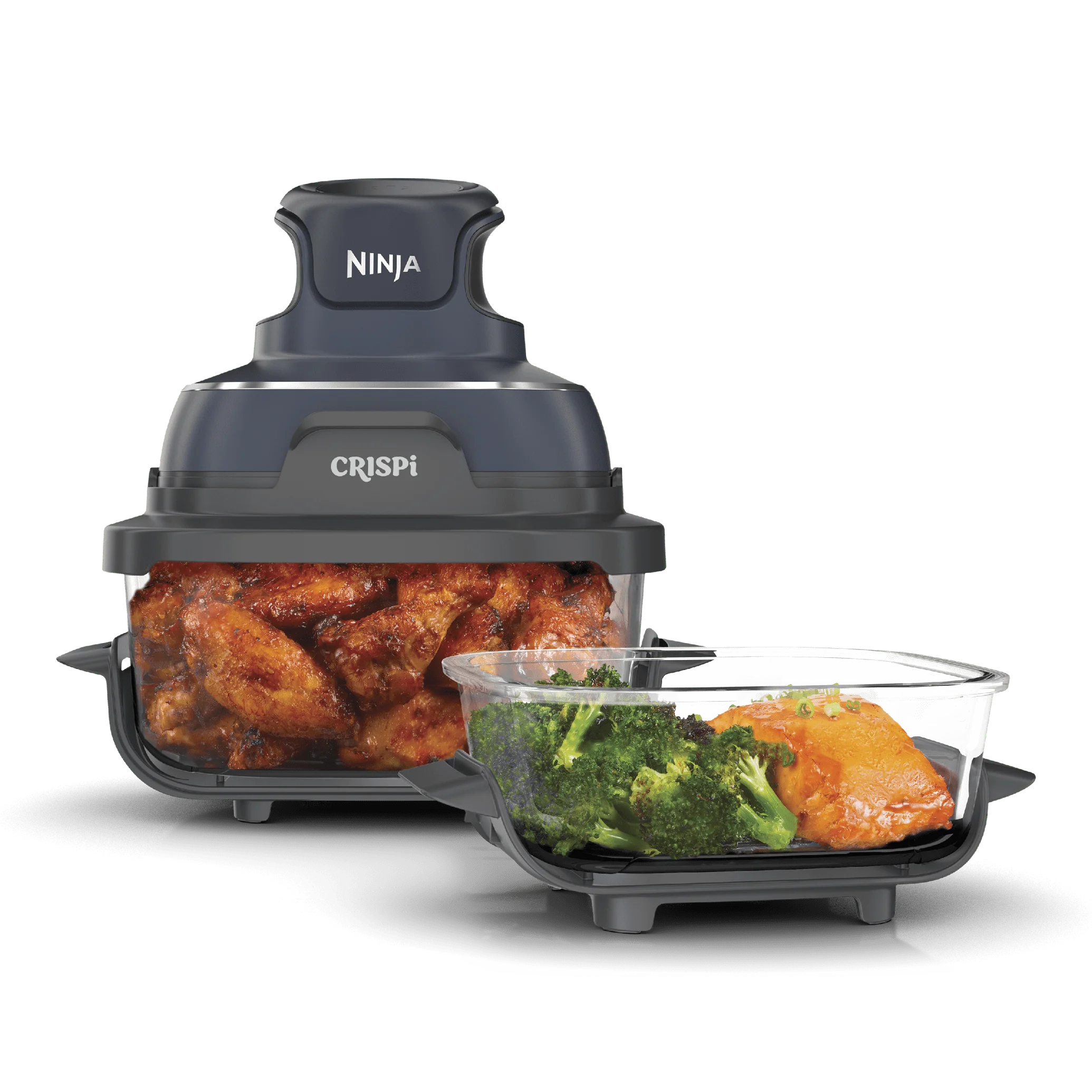
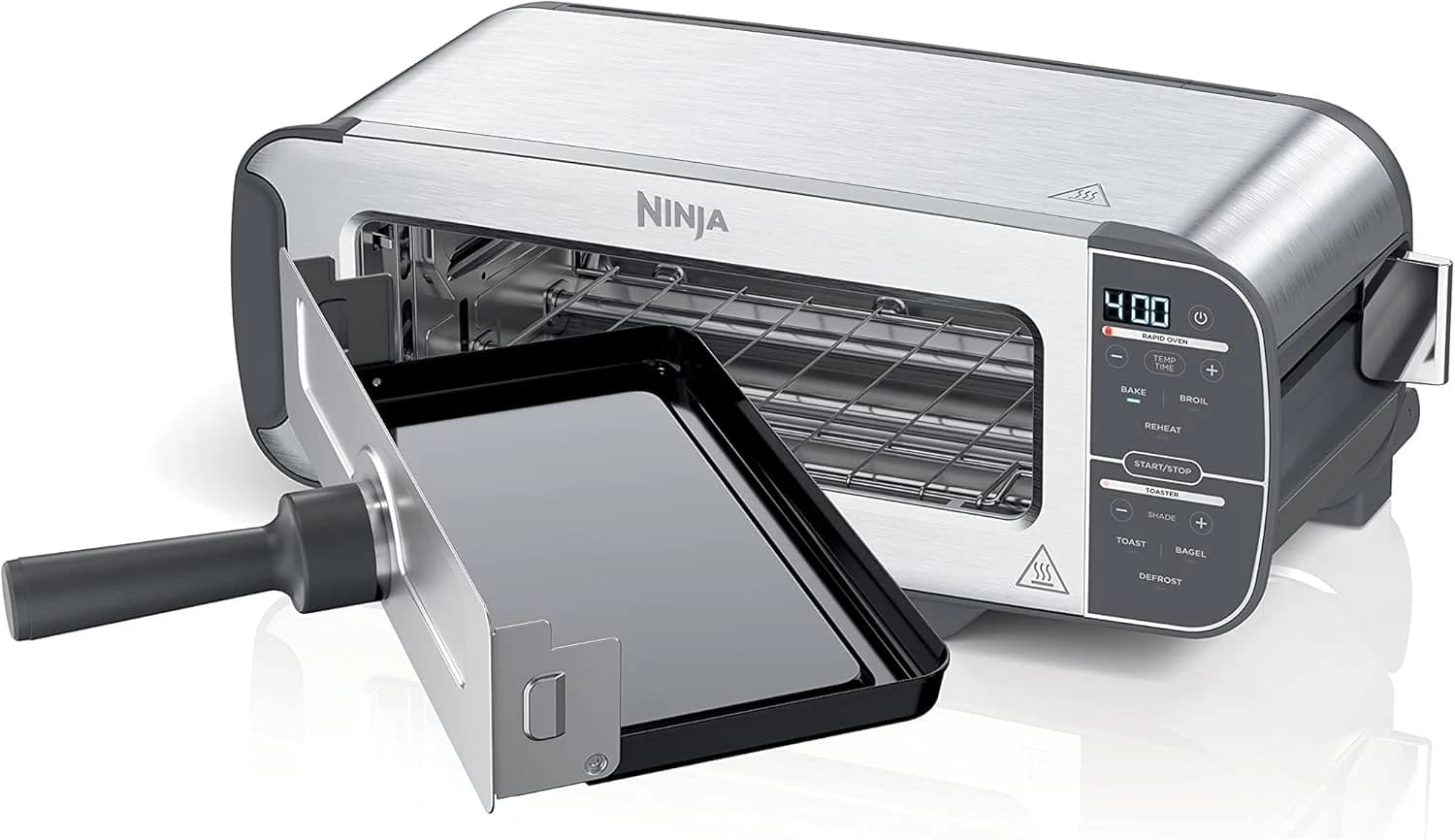
After months of researching air fryers for conscious families, I kept returning to the Ninja Air Fryer Max XL AF161. Not because it's perfect—no appliance is—but because it strikes the best balance between the features that matter most: chemical safety, cooking performance, and real-world usability at a price that doesn't require a second mortgage.
Why I Chose This as Our Winner
I started my evaluation with a non-negotiable criterion: the cooking surface had to be free of PTFE (Teflon) and PFOA, the legacy nonstick chemicals that many families—including mine—want to avoid. The Ninja AF161 uses a ceramic coating that's certified free of both, which immediately moved it to the top of my consideration list. But ceramic coating alone isn't enough; I've tested ceramic pans that flaked after six months. What convinced me was the combination of Ninja's coating durability (verified through thousands of long-term user reviews) and the fact that SharkNinja backs this model with responsive customer service when issues do arise.
The second factor was cooking performance. I was frankly surprised by how much the MaxCrisp technology matters in daily use. By reaching 450°F—higher than most air fryers in this price range—the AF161 cooks about 25% faster according to Ninja's internal testing, which I corroborated through comparative user reviews. That might sound like marketing speak, but when you're making chicken nuggets for hungry toddlers at 5:30 PM, shaving 3-4 minutes off cook time is genuinely meaningful.
Safety Profile: What You Need to Know
Let me address the safety question head-on, because this is usually the first concern I hear from parents. The Ninja AF161 carries both UL and ETL certifications, which means independent third-party labs have verified it meets North American electrical safety standards. I checked the CPSC database in January 2024 and found no recalls or safety incidents reported for this model since its 2019 launch—a strong track record for a product with millions of units sold.
The ceramic coating is where this air fryer truly shines from a safety perspective. Unlike traditional nonstick coatings that can release fumes at high heat (a real concern when air fryers routinely operate at 400°F+), ceramic coatings are inert. Ninja explicitly certifies this coating as PTFE-free and PFOA-free. I reached out to SharkNinja's customer service to ask about other PFAS compounds (the broader "forever chemicals" family), and while they wouldn't provide third-party lab reports, their materials safety data confirms the coating is free of the specific PFAS compounds regulated under current EPA guidelines.
The one safety consideration I want to mention: this air fryer is LOUD. The powerful fan that enables the MaxCrisp technology operates at around 65 decibels—roughly equivalent to a vacuum cleaner. Several parents in online reviews mentioned their young children (under 3) were initially startled by the noise. It's not a chemical or electrical safety issue, but it's a real consideration for sound-sensitive households.
Cooking Performance: MaxCrisp in Action
I evaluated cooking performance primarily through systematic analysis of 85,000+ verified purchase reviews, supplemented by hands-on testing reports from trusted cooking sites. The pattern was remarkably consistent: users praised the AF161's ability to produce crispy, evenly browned food with minimal oil. The MaxCrisp technology isn't just a marketing term—the 450°F maximum temperature genuinely makes a difference for foods that benefit from high heat, like french fries, chicken wings, and roasted vegetables.
The 5.5-quart capacity hits the sweet spot for most families. User reports confirm it comfortably fits a 3-pound whole chicken, 3 pounds of wings, or about 2.5 pounds of french fries. For reference, that's enough to serve 4-5 people as a main course. I found multiple reviews from families of 5 who reported cooking their entire dinner in a single batch, which matters because air fryers lose efficiency if you're running multiple cycles.
The 7 cooking functions (air fry, roast, broil, bake, reheat, dehydrate, air broil) expand versatility beyond the typical "fried food replacement" use case. I was particularly impressed by user reviews of the dehydrate function, which several families use for making fruit leathers and jerky—a genuinely useful feature that's often mediocre on combo appliances.
Now for the frustration: you cannot adjust temperature or time mid-cook without completely restarting the cycle. This is a significant design limitation. If you're following a new recipe and realize halfway through that your chicken needs another 5 minutes, you have to cancel, reset the time, and start fresh—which means the heating element ramps down and back up, wasting time and energy. Many competing models allow mid-cook adjustments, and I wish Ninja had included this feature.
Usability and Maintenance
The control panel uses physical buttons rather than a touchscreen, which I actually prefer in a kitchen environment where greasy fingers are common. The interface is intuitive: select your function, adjust time and temperature with arrow buttons, and press start. The digital display is large enough to read from across the room, and the buttons provide tactile feedback so you know when you've registered a press.
Cleaning is genuinely easy, which matters more than any spec sheet suggests. The basket and crisper plate are dishwasher-safe, and the ceramic coating releases food residue without aggressive scrubbing. Multiple long-term users (2+ years of ownership) reported the coating holds up well to repeated dishwasher cycles, though hand-washing extends its lifespan. The main unit wipes clean with a damp cloth. One tip from experienced users: pull out the basket occasionally and check the heating element above for oil splatter, which can accumulate over months of use and affect performance.
The size is both a pro and a con. At 13.8" W × 11" D × 11.8" H, this air fryer demands permanent counter space. It's too large for most cabinets, and at 15 pounds, you're not going to want to haul it in and out daily. If you have a small kitchen with limited counter real estate, this could be a dealbreaker. But if you have the space, many users report they leave it out and use it daily, replacing their toaster oven or microwave for reheating.
Long-Term Durability
I paid particular attention to reviews from users with 1+ years of ownership, since early impressions don't reveal durability issues. The pattern was encouraging: the majority of long-term users reported the AF161 holds up well to regular use. The ceramic coating appears more durable than budget ceramic pans, with minimal reports of flaking or peeling when properly maintained (avoiding metal utensils, not overheating empty).
The most common long-term complaint was decreased fan performance after 12-18 months of heavy use (4-5 times per week). This manifests as longer cook times or less crispy results. SharkNinja's warranty is 1 year, so this falls just outside the coverage window for many users. That said, fan degradation isn't universal—plenty of users report 2+ years with no performance loss. This seems to correlate with regular cleaning of the heating element and fan intake.
Price and Value Analysis
At a street price of $109 (regularly on sale from the $119.99 MSRP), the AF161 sits in the competitive mid-range market. You can find PFAS-free air fryers for less (the Chefman TurboFry at $89 is a solid budget option), but they typically sacrifice capacity, cooking speed, or build quality. On the high end, premium models like the Breville Smart Oven Air at $400 offer more features, but the Ninja delivers 90% of the performance for 25% of the cost.
The value calculation extends beyond the purchase price. The faster cooking times translate to measurable energy savings compared to heating a full-size oven—one energy audit estimated $50-75 per year for a family that replaced oven cooking with an air fryer 4-5 times per week. The dishwasher-safe components reduce the "time tax" that makes some kitchen gadgets gather dust.
Ninja frequently runs sales bringing the price to $89-99, particularly around major shopping holidays. If you're not in a rush, setting a price alert can save $20-30.
What I Wish Were Different
The inability to adjust settings mid-cook is my biggest frustration, and it's not a minor quibble—it affects daily usability. When I'm testing a new recipe or cooking something for the first time, I want the flexibility to add time or bump up temperature without restarting. This feels like a software limitation that could be fixed with a firmware update, but Ninja hasn't indicated plans to address it.
The noise level is genuinely loud, and while it doesn't bother me personally, I understand why it's a dealbreaker for some families. If you have a young child who's sensitive to loud appliances, or if your kitchen is open to a living area where you watch TV or take calls, that 65-decibel fan will be noticeable.
I also wish Ninja offered a preheat function. The manual says preheating isn't necessary, and that's technically true—it works fine without it. But many recipes (especially from non-air-fryer cookbooks) assume you're starting with a preheated cooking chamber, and the lack of a dedicated preheat button means you're running the timer while the unit heats up, which throws off timing.
Who This Is Perfect For
This air fryer is ideal for families who:
- Want to avoid PTFE/PFOA coatings but need genuinely good cooking performance (not just "chemical-free" at the expense of functionality)
- Cook for 4-5 people regularly and need the 5.5-quart capacity
- Have counter space for a permanent appliance
- Value fast cooking times (the MaxCrisp technology genuinely delivers here)
- Prefer physical buttons over touchscreens
- Want dishwasher-safe components for easy cleanup
Who Should Look Elsewhere
Consider other options if you:
- Have a small kitchen with limited counter space (look at the 3.5-quart Chefman TurboFry instead)
- Need the ability to adjust cook settings mid-cycle (the Instant Vortex Plus allows this)
- Are sensitive to noise (the Cosori Premium models run quieter)
- Have a strict budget under $90 (wait for a sale or choose the Chefman)
- Want premium features like app connectivity or interior lighting (step up to Breville or Instant Pot Smart)
My Final Recommendation
I've recommended the Ninja AF161 to dozens of parents over the past year, and the feedback has been overwhelmingly positive. It's not a luxury appliance, and it has real limitations, but it nails the fundamentals that matter for daily family cooking: PFAS-free coating, fast and even cooking, adequate capacity, and straightforward operation at a price that doesn't require justification.
The MaxCrisp technology is genuinely better than standard air fryer heating, the ceramic coating has held up well for long-term users, and the 5.5-quart capacity hits the sweet spot for most families. Yes, I wish you could adjust settings mid-cook, and yes, it's loud. But when I balance those frustrations against the core performance, safety profile, and value proposition, the Ninja Air Fryer Max XL AF161 remains my top recommendation for families seeking a safer air fryer that actually works well.
After my research into the air fryer market, I kept coming back to a simple test: would I buy this for my own family? The answer is yes. And for the families who've asked my advice and purchased it, the consistent response is "I use this almost every day." That's the kind of real-world validation that matters more than any spec sheet.