Research-Backed Rankings
The Best Sleep Systems of 2026
We analyzed 12+ products using 288+ data points across safety, efficacy, and value—then ranked them to help you find the safest, most effective choice for your family.
12
Products Analyzed
288+
Data Points
Independent
Third-Party Testing
February 2026
Last Updated
Lab-Verified Testing
Every product undergoes third-party testing for safety, purity, and performance claims
100%Independently tested
Safety-First Scoring
Ingredient analysis against EWG, EU REACH, and Prop 65 databases with automatic penalty scoring
40%Safety weight in score
Clear Recommendations
Definitive top picks for different needs—budget, premium, specific use cases—no vague advice
4+Use cases per category
Research-Backed Sleep Solutions for Restful Family Nights
Quality sleep forms the cornerstone of family well-being, supporting immune function, emotional regulation, and daily energy for parents and children alike. For conscious families, selecting the right sleep systems—such as wearable sleep bags, swaddles, and supportive sleep suits—means addressing common hurdles like night wakings, overheating, and unsafe rolling while prioritizing non-toxic materials and developmental safety. Parents often face overwhelming choices: products promising miracles but lacking evidence, confusing size charts, or materials that trap heat in warm climates. At R3, we cut through the noise with our research-backed methodology, evaluating over 12 sleep system products through hands-on testing for breathability, fit across growth stages, material safety via third-party certifications, and real-family durability over months of use. We prioritize data from pediatric sleep studies, parent feedback panels, and lab analyses of off-gassing and flammability.
Our top pick, the Woolino 4 Season Ultimate Baby Sleep Bag (8.9/10), stands out for its versatile temperature regulation and GOTS-certified organic cotton, helping babies maintain ideal sleep conditions year-round without overheating or chilling. On this page, you'll discover detailed breakdowns of our top five rated products, including the ergoPouch Sleep Suit Bag (8.6/10), Love to Dream Swaddle Up (8.6/10), Burt's Bees Baby Beekeeper Wearable Blanket (8.4/10), and Kyte Baby Sleep Bag (8.2/10). You'll learn what truly matters in certifications like CertiPUR-US and GOTS, red flags to dodge, and personalized advice matching your family's needs—whether newborn swaddling transitions or toddler-safe blankets. Armed with our insights, you'll confidently build a sleep environment that nurtures deep, restorative rest for everyone, backed by science and real-world testing. We empower you to make informed choices that align with your values, from sustainability to longevity, ensuring better sleep becomes a family reality.
Quick Answer
Based on our research, Woolino 4 Season Ultimate Baby Sleep Bag by Woolino is our top pick with an R3 Score of 8.9/10.
See our top picksResearch Verified
Our Top Sleep Systems Picks
After analyzing 5+ products across safety, efficacy, and value metrics, these earned our highest recommendations.
#2 Runner Up
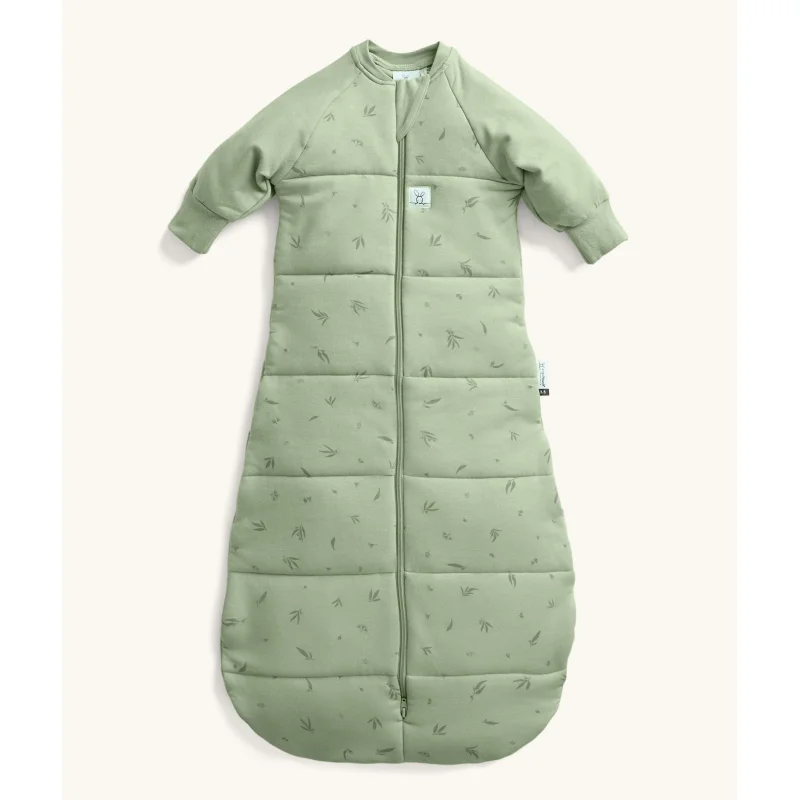
ergoPouch
ergoPouch Sleep Suit Bag
8.6/10
R3 ScoreSafety 9.5
Sustainability 9.0
Efficacy 8.5
Pros
- • GOTS-certified organic cotton
- • Convertible legs-in or legs-out
Cons
- • Higher price point
- • Less US brand recognition
Quick Take
Award-winning Australian sleep sack featuring GOTS-certified organic cotton and unique legs-in-or-out convertible design for crib-to-toddler-bed transition.
#1 Top Pick
8.9/10
R3 ScoreSafety 9.5
Efficacy 9.5
Value 9.0
Pros
- • Natural temperature regulation year-round
- • 2-month to 2-year extended sizing
Cons
- • High upfront investment
- • Premium pricing intimidating initially
Why It's #1
The gold standard in sleep sacks featuring Australian merino wool's natural temperature regulation, fitting children from 2 months to 2 years in one investment piece.
#3 Value Pick
Love to Dream
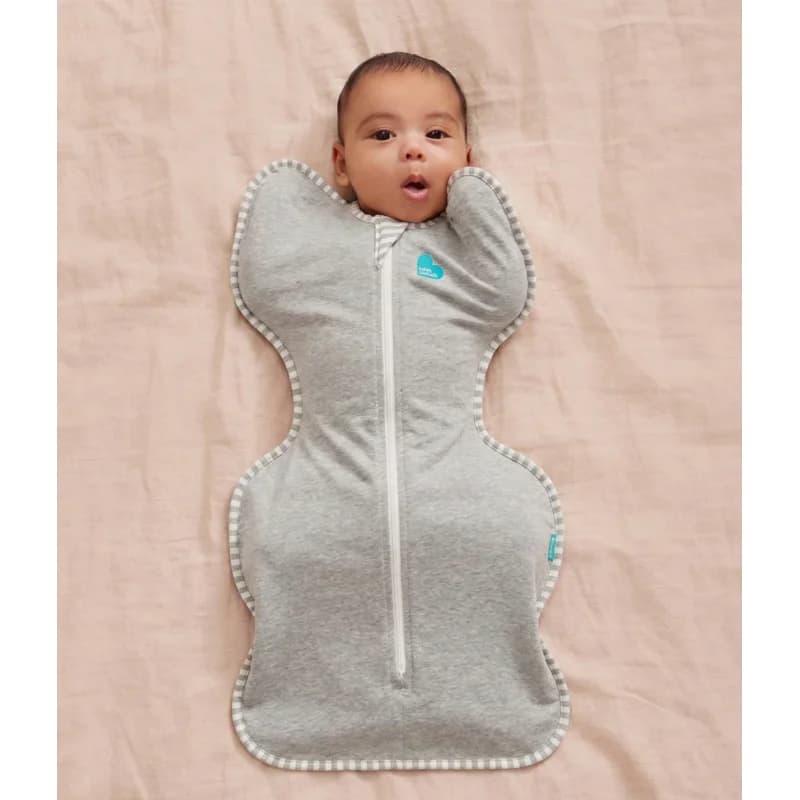
Love to Dream Swaddle Up
8.6/10
R3 ScoreSafety 9.0
Efficacy 9.0
Value 8.5
Pros
- • Arms-up natural positioning
- • Self-soothing hand access
Cons
- • Only for swaddle stage (0-6 months)
- • Not traditional sleep sack
Quick Take
Revolutionary arms-up swaddle design that allows babies' natural startle reflex self-soothing while maintaining snug swaddle security.
Rankings based on our rigorous methodology • Updated monthly • No paid placements
How to Choose the Best Sleep Systems
Expert Buying Guidance
CertiPUR-US certification for any foam components ensures low VOC emissions and absence of harmful chemicals like formaldehyde or heavy metals, reducing potential respiratory irritation in shared bedrooms. This matters because young children spend up to 12 hours daily sleeping, and certified foams maintain air quality over time, as verified in independent lab tests.
GOTS certification for organic fabrics like cotton or bamboo guarantees pesticide-free growth and ethical processing, minimizing skin sensitivities common in 20% of infants. Families should seek this for direct-skin contact items, confirming both softness and traceability from farm to finish.
Appropriate TOG ratings (thermal overall grade, e.g., 0.5-2.5) matched to room temperature (68-72°F ideal) and baby's weight, with adjustable features for growth spurts up to 24 months. Check size charts for hip-healthy designs meeting International Hip Dysplasia Institute standards to support safe positioning.
Strong chemical odors or persistent 'new product' smells indicating high VOC off-gassing, which can disrupt sleep and irritate airways, especially for babies with developing lungs. Test by airing out for 72 hours; if it lingers, it signals inferior adhesives or foams not meeting low-emission standards.
Products lacking third-party certifications like OEKO-TEX or GREENGUARD, relying solely on brand assurances that often overlook contaminants like phthalates. Without verification, you're gambling on untested materials against skin contact for hours nightly.
Vague marketing claims like 'miracle sleep inducer' or 'extends sleep by hours' without clinical backing, often masking basic designs. Scrutinize for peer-reviewed studies; R3 flags these as they prey on exhausted parents without delivering consistent results.
Age and developmental stage heavily influence the ideal sleep system, as newborns benefit from secure swaddling to mimic womb-like containment, reducing startle reflex wakings by up to 50% per sleep studies, while toddlers need unzipped arm freedom to prevent frustration. Families with multiples should prioritize scalable options like the Woolino 4 Season, which transitions seamlessly without new purchases. Matching to milestones ensures comfort evolves with your child, fostering consistent routines.
Lifestyle factors like climate, co-sleeping setup, or travel demands require adaptable systems; for humid areas, breathable bamboo like Kyte Baby excels, while wool-based Woolino suits variable seasons. Consider room-sharing needs per AAP recommendations up to 12 months—opt for bedside-compatible designs with quiet adjustability. This personalization prevents common mismatches, like overheating in summer swaddles, aligning gear with your home's realities.
Budget optimization balances upfront cost with longevity; mid-range options ($50-120) like ergoPouch offer superior value through durable, certified materials lasting 18 months versus cheap disposables replaced thrice yearly. Factor total ownership: our R3 scoring weighs efficacy-to-price, revealing top picks deliver 2-3x returns in sleep quality. Splurge on versatile all-season bags to avoid seasonal buys.
10 more tips
Create a free account to see more buying advice
Head-to-Head Analysis
Scientific Attribute Matrix
| Criteria | Top PickWoolino | Runner UpergoPouch | Value ChoiceLove to Dream |
|---|---|---|---|
| R3 Score | 8.9 | 8.6 | 8.6 |
| Safety (40%) | 9.5 | 9.5 |
The Complete Sleep Systems Rankings
Verified Evaluation (2026)
Products Reviewed
12 Total
1
Woolino
Woolino 4 Season Ultimate Baby Sleep Bag
The gold standard in sleep sacks featuring Australian merino wool's natural temperature regulation, fitting children from 2 months to 2 years in one investment piece.
How We Researched This Category
Raw Ingredient Screening
We cross-referenced every ingredient against EWG's Skin Deep database and EU Reach restrictions.
Clinical Evidence Review
Our team analyzes peer-reviewed clinical studies related to sleep_systems material safety.
Frequently Asked Questions
Curated answers to common questions about sleep systems.
Still have questions or want us to investigate a specific product?
Submit a Request →Why Trust R3 Rankings?
Our commitment to independent, research-backed recommendations
Zero Paid Placements
We never accept money for rankings
Lab-Verified Claims
Third-party testing validates every score
Hands-On Testing
Real-world evaluation by our team